
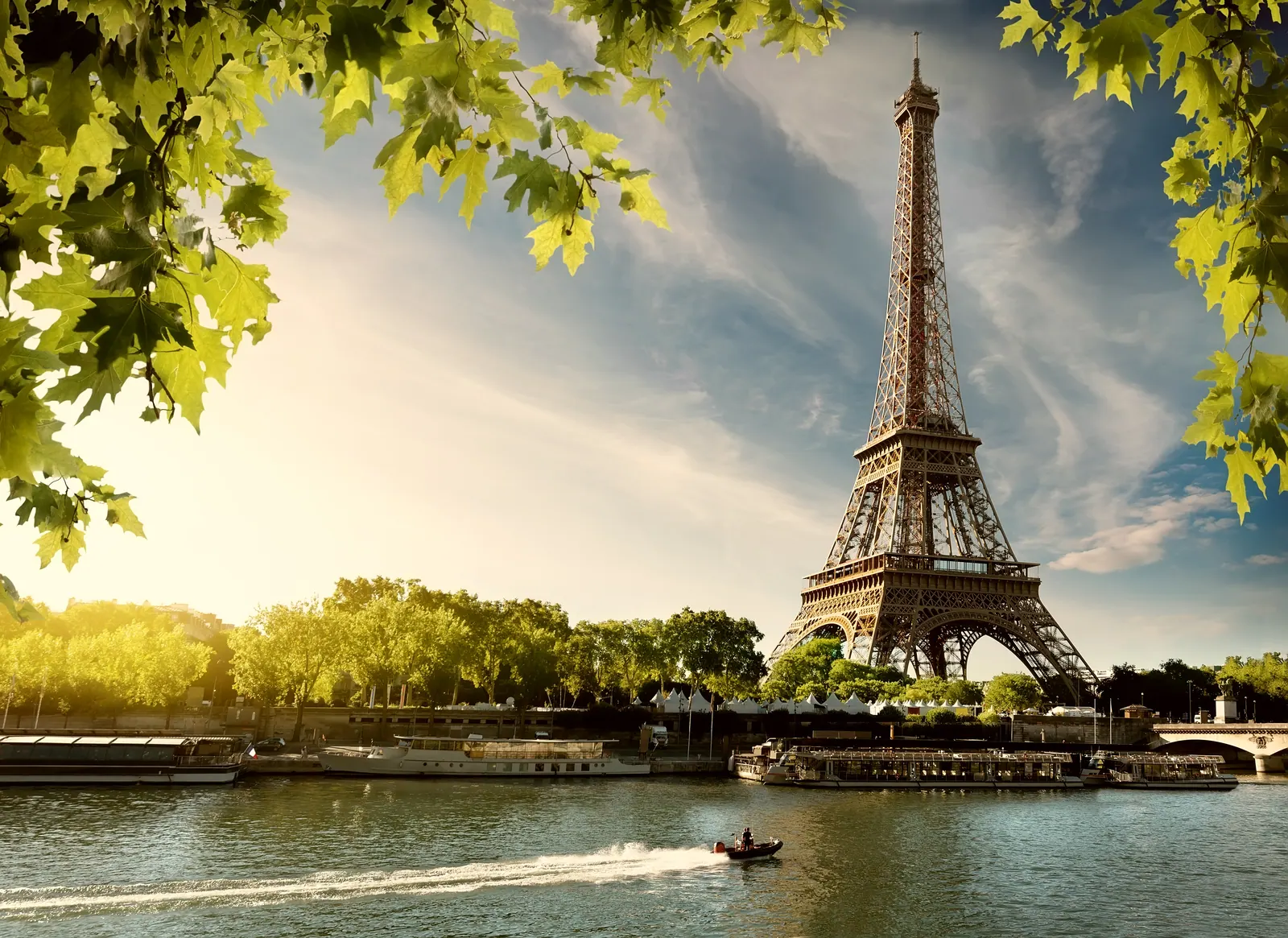
What to see in Paris on foot
105 places with their stories, the map and free audio in 15 languages.
Updated November 2026 · 23 min read · Produced by World Tour
Paris in a nutshell
Paris was not born as a great capital. Its history began next to the Seine River, in a territory inhabited by the Parisii, a Gallic people established in the region during the 3rd century BC. Its main settlement was long believed to be exactly on the current Île de la Cité, although modern archaeological discoveries have opened up other possibilities, especially in the Nanterre area.
After the Roman conquest of Gaul, in the 1st century BC, the city of Lutetia developed.
The places on the map
Each number is the place’s number in the list.
Paris as You’ve Never Been Told
-
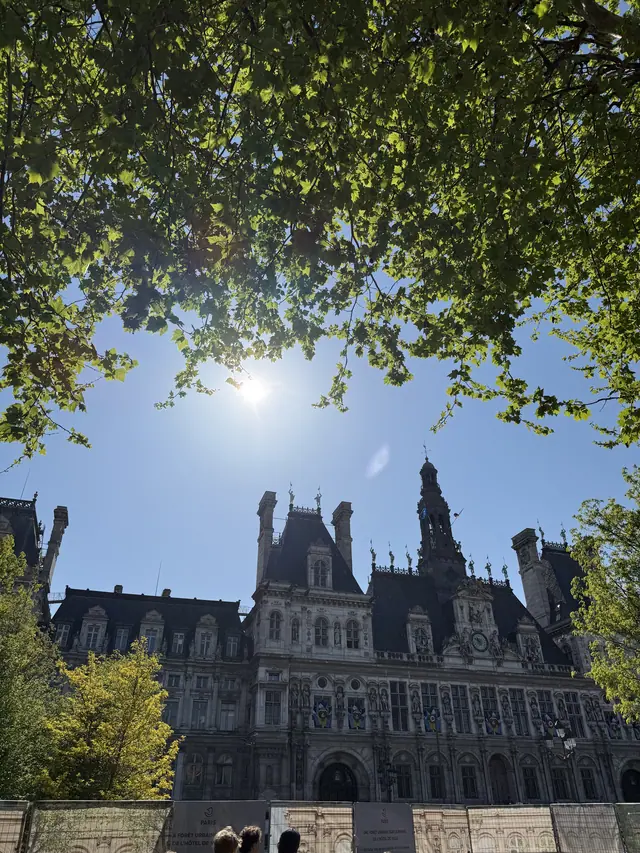
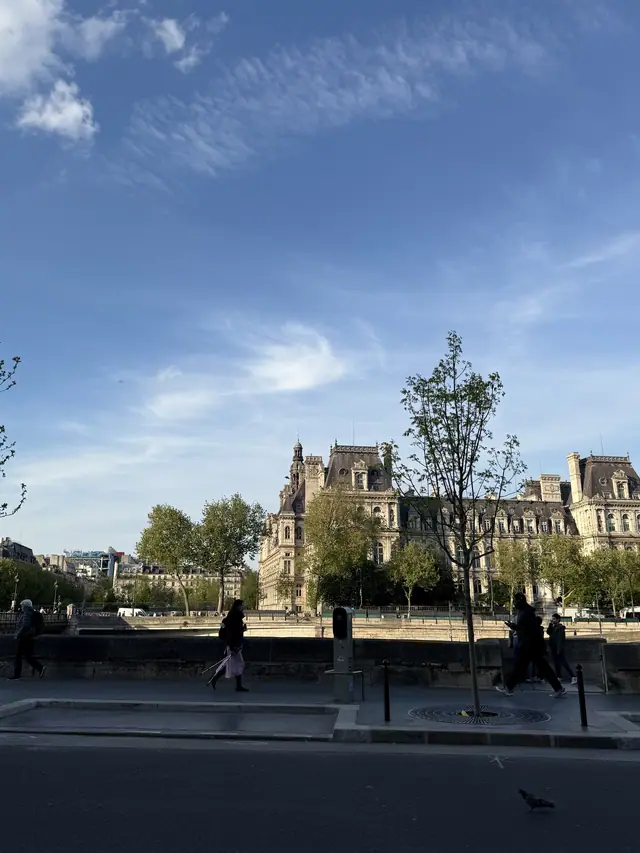
1. The Hôtel de Ville, Paris City Hall
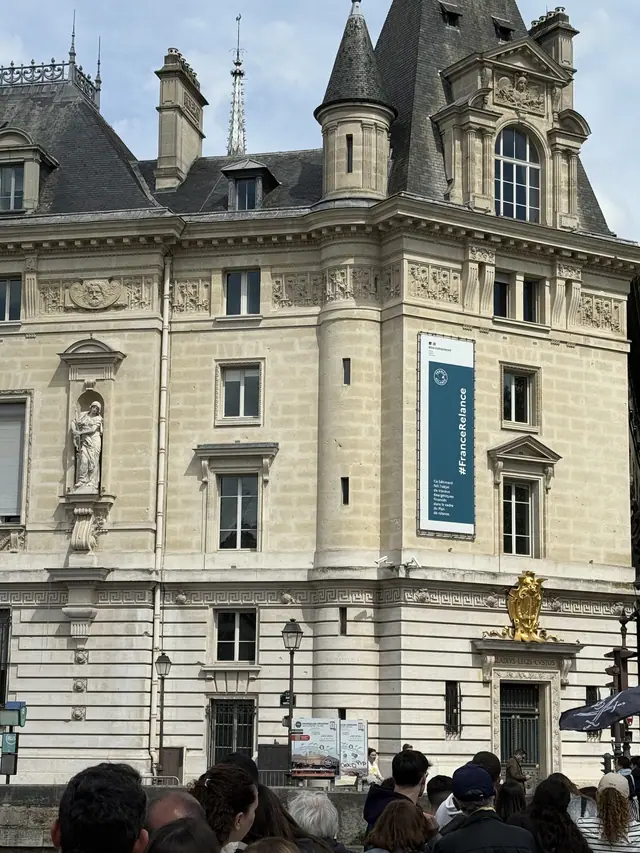
Before we start walking, pause for a moment in front of the building before you. It is called the Hôtel de Ville, Paris's main city hall. Its history reflects much of the history of the city itself.
-
2. The Islands of Paris
The Seine originates in the Burgundy-Franche-Comté region and runs for approximately 482 miles before emptying into the English Channel near Le Havre. The names of the two banks are determined by the river's course.
-
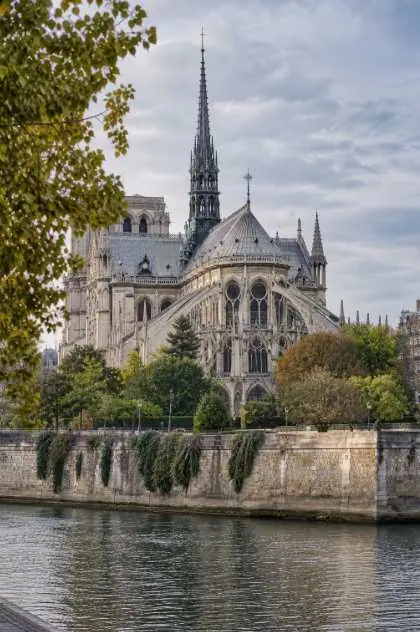
3. Notre-Dame Cathedral, Paris
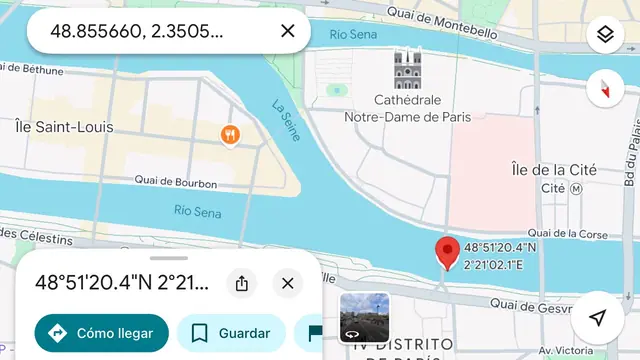
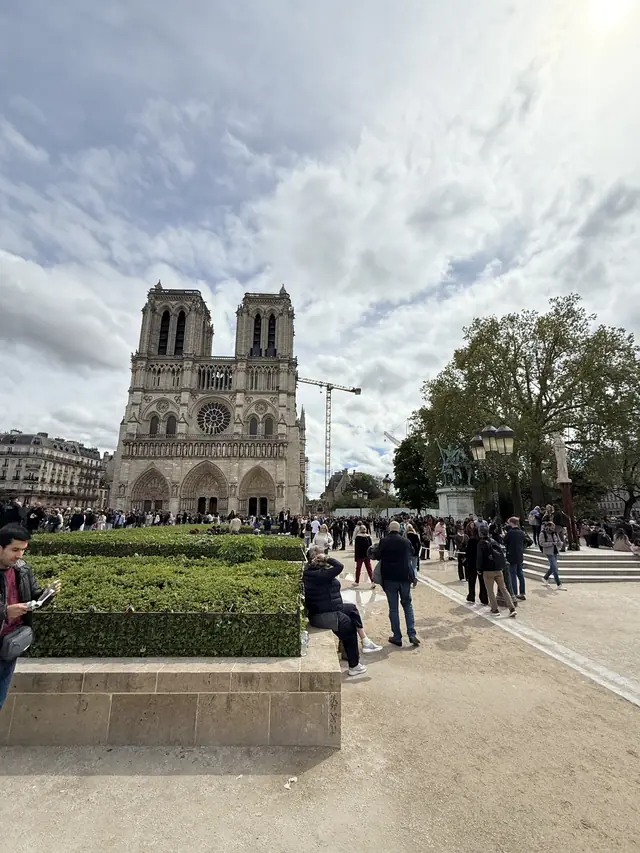
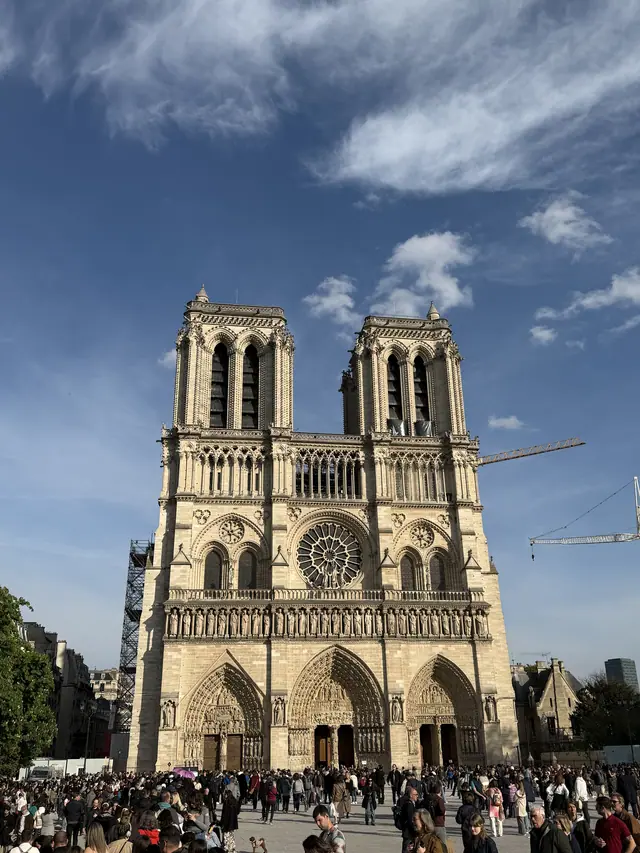
You have just entered the Île de la Cité, the larger of the Seine's two natural islands that we mentioned at the previous stop. Before you stands one of the great symbols of Paris and of European architecture: Notre-Dame Cathedral.
-
4. Scars of War
Look at the wall in front of you, beside the entrance to the Paris Police Headquarters on Rue de la Cité. If you move a little closer, you will see several small holes in the stone.
-
5. The Narrowest Street in Paris
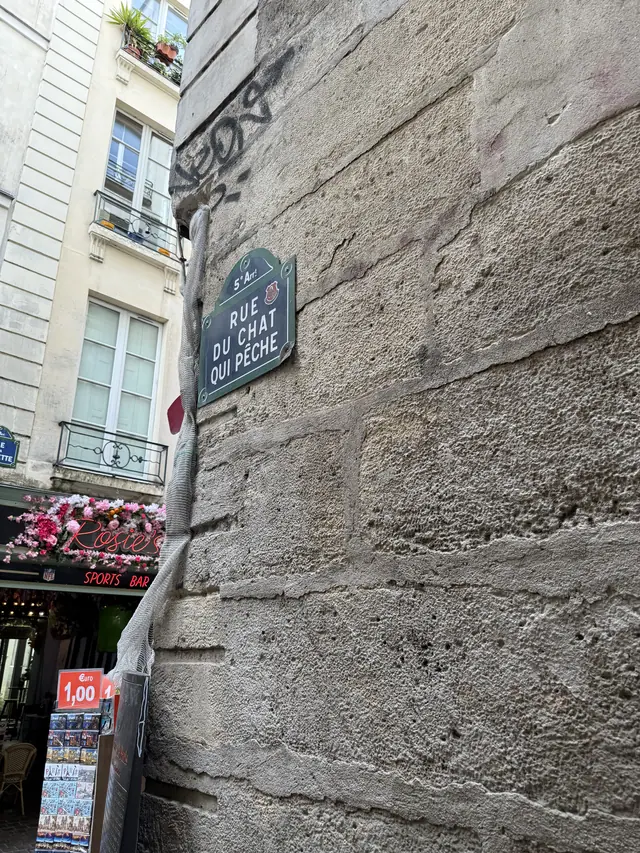
See this street where you have to walk in single file? Welcome — this is officially the narrowest street in all of Paris. It’s called Rue du Chat-qui-Pêche, or Street of the Cat Who Fishes.
-
6. Saint-Michel Bridge
Before crossing, look at the building on the corner and pay close attention to its rounded columns. The small marks preserved in the stone recall the fighting during the Liberation of Paris in August 1944. Now look at the bridge in front of you.
-
7. A Boat Trip on the Seine
If someone asked me, ‘What should I do in Paris if I only have 24 or 48 hours in the city?’, without hesitation I would suggest taking a boat trip on the Seine.
-
8. The New Bridge
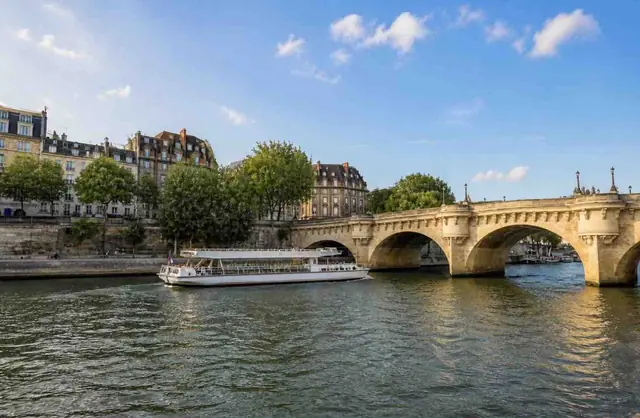
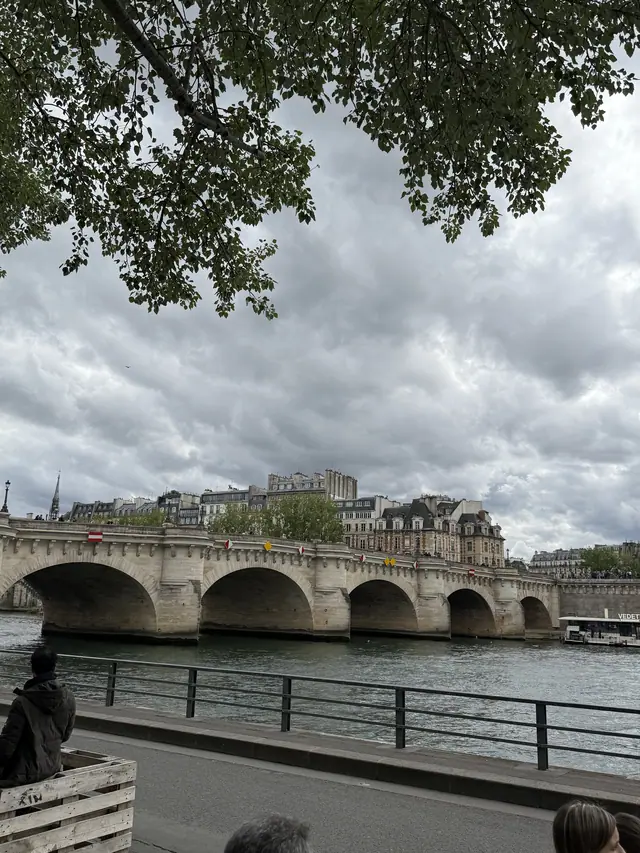
Although its name may sound like a contradiction, you are standing before the oldest surviving bridge in Paris. Henry III laid its first stone on 31 May 1578. The Wars of Religion and the monarchy's financial difficulties, however, delayed the work for many years.
-
9. The Statue of Henry IV
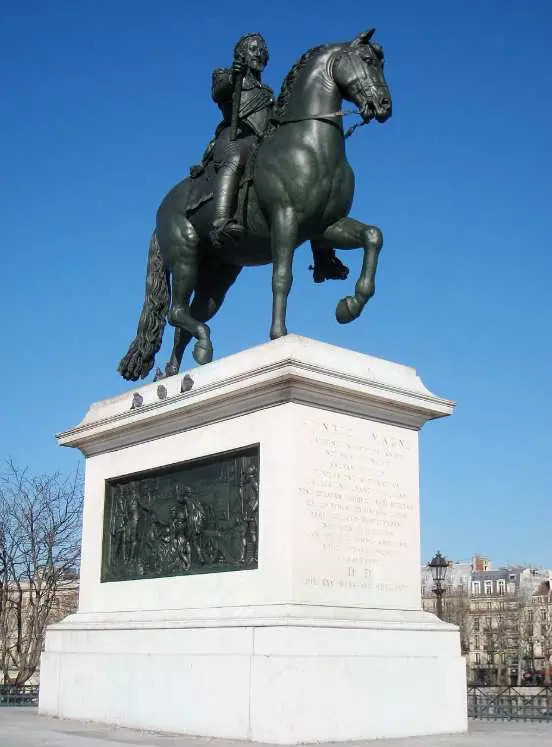
Stop for a moment and look towards the centre of the bridge. Can you see the rider who seems to be calmly watching the comings and goings of Paris? This is Henry IV, whom we discussed at the previous stop, and one of France’s best-remembered kings.
-
10. Nautical Signs on the Seine
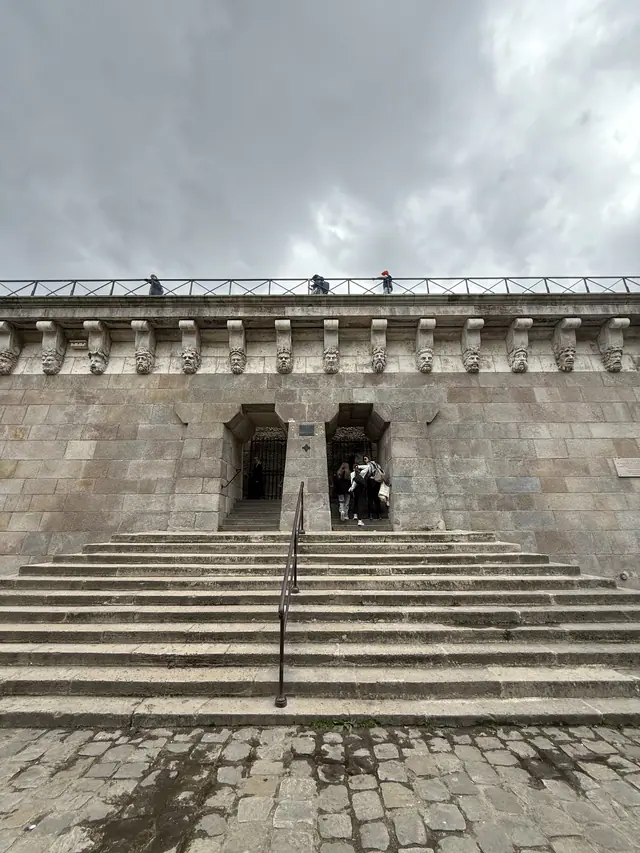
Before we leave Pont Neuf, stop for a moment and look at the panels placed next to the bridge arches. From above they may look like flags or simple spots of colour, but they are part of an international language designed so that boats know how to move along the River Seine.
-
11. The Louvre
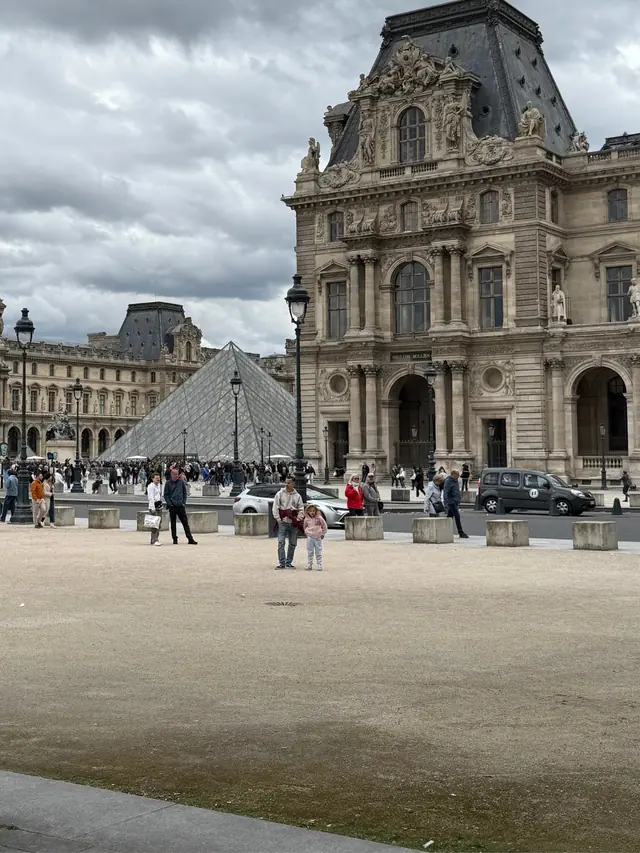
We arrive at one of the great symbols of Paris: the Louvre Museum. Before delving into its history, let's start with a little mystery. The origin of the word "Louvre" is not known with certainty.
-
12. The Louvre Carrousel and Views of Paris
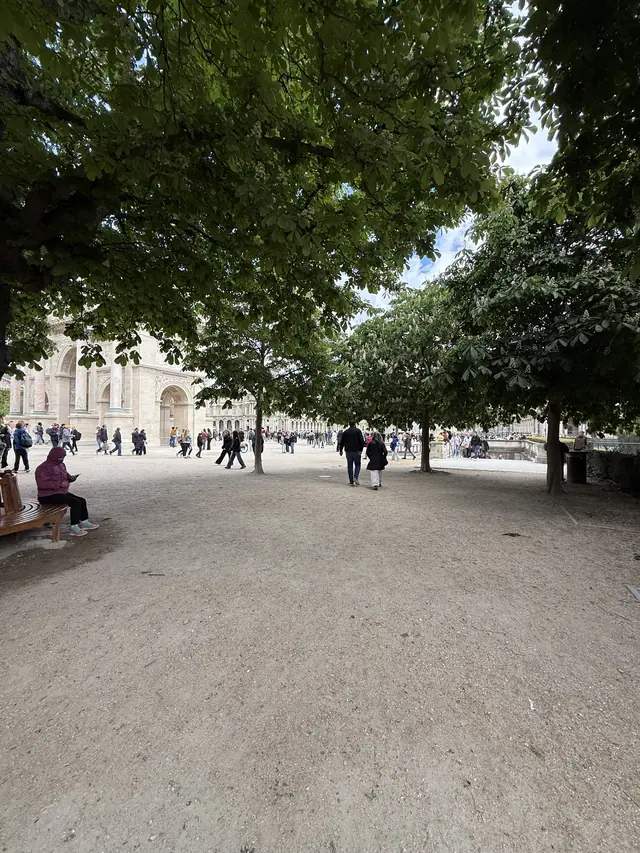
We have reached the final stop on our tour. In front of us stands the Arc de Triomphe du Carrousel, and beneath this esplanade is the underground Carrousel du Louvre entrance, at 99 rue de Rivoli.
Eiffel Tower and Arc de Triomphe Walking Tour
-
13. The Champs-Élysées
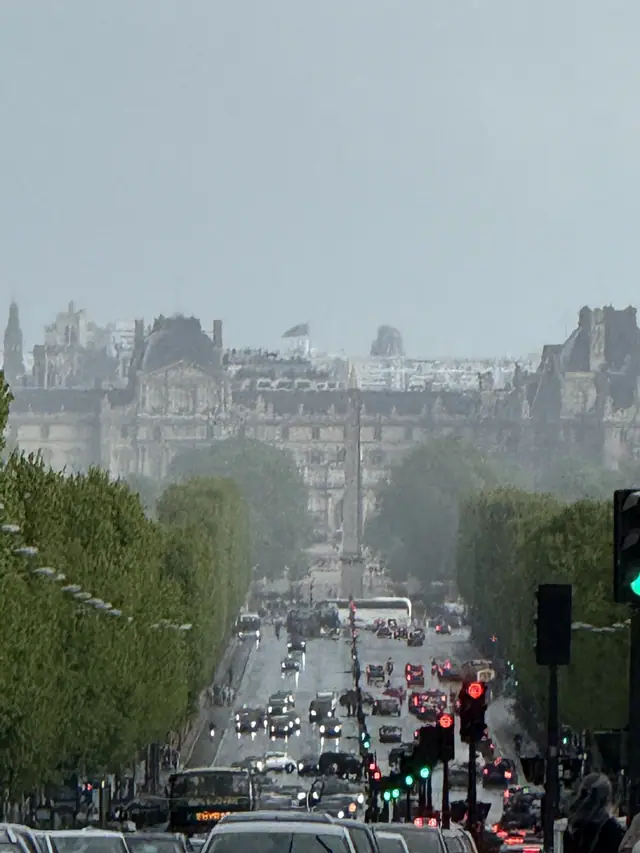
The avenue you are standing on is the Champs-Élysées. You may wonder why its name refers to fields when today you mainly see cars, shops and tourists.
-
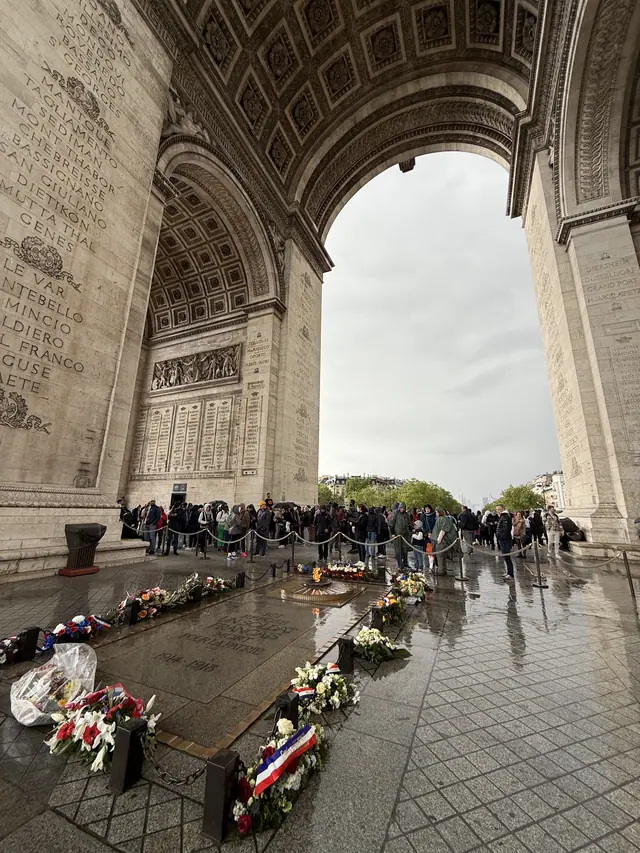
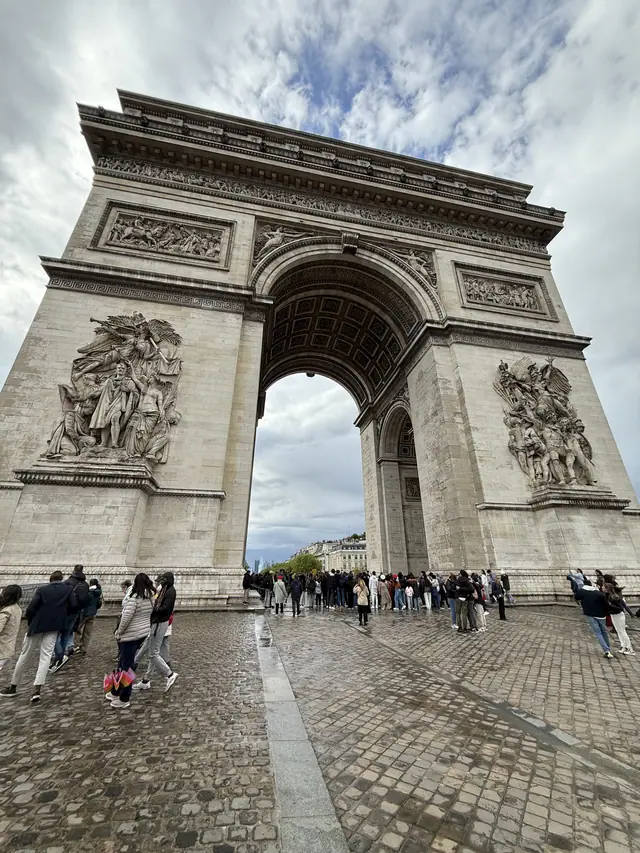
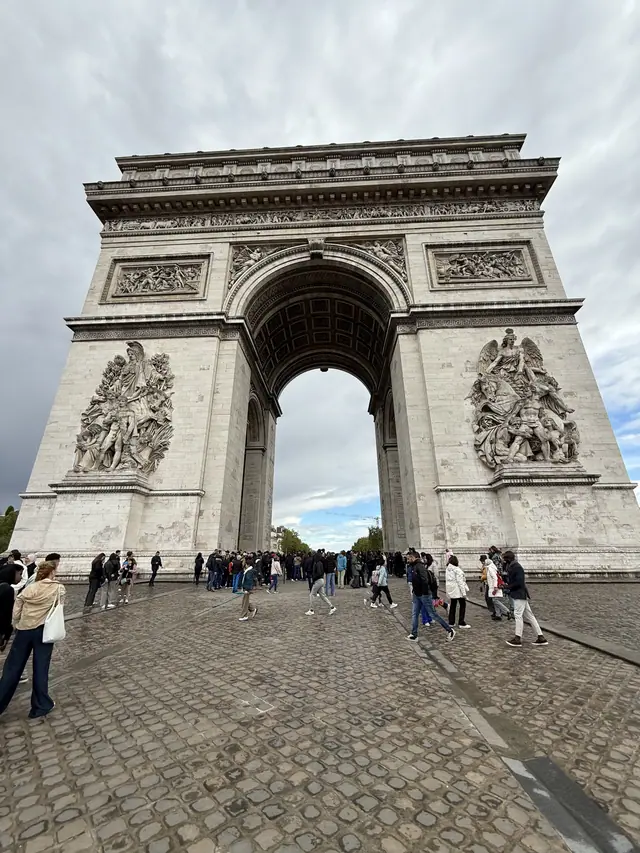
14. The construction of the Arc de Triomphe
This monument was born from a promise Napoleon Bonaparte made to his army. After the victory at Austerlitz in December 1805, he wanted to erect an arch to celebrate the Grande Armée.
-
15. The sculptures of the Arc de Triomphe
Look at the façade facing the Champs-Élysées. At the base, you will find two of the monument's four large sculptural groups.
-
16. The other side of the Arch
You are now standing before the façade of the Arc de Triomphe facing the Avenue de la Grande Armée, on the side opposite the Champs-Élysées. Keep facing the monument. On the pillar to your right is Resistance; on the one to your left, Peace.
-
17. The art of travelling
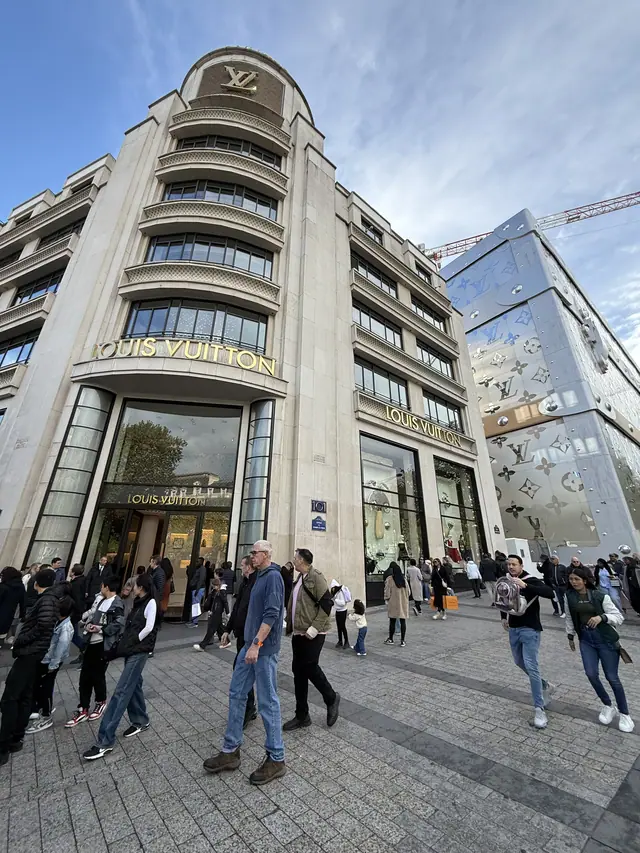
You are standing in front of the Louis Vuitton store on the Champs-Élysées, at the corner of Avenue George.
-
18. The architecture of Paris
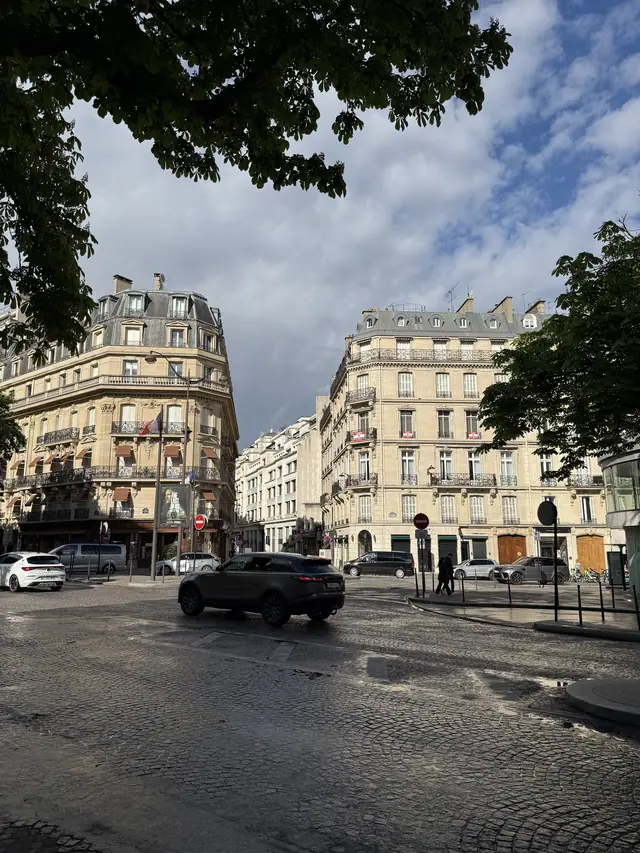
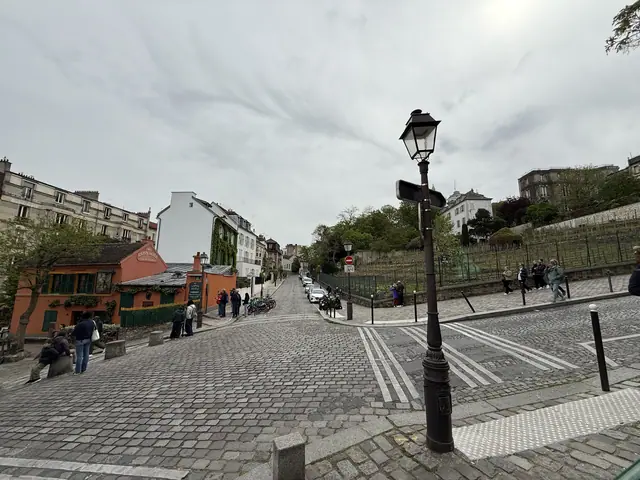
Take a close look at the buildings in this area. They feature sloping black or grey roofs, elongated windows, and aligned balconies, and they all stand five or six storeys tall.
-
19. The Prince de Galles Hotel
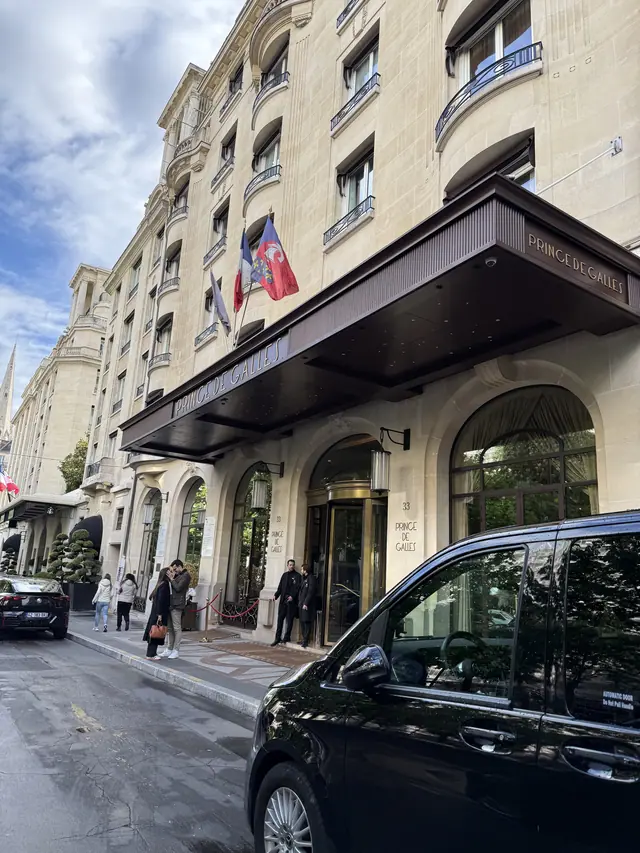
Look at the entrance to the Prince de Galles Hotel. After observing how life was organised in Parisian buildings, we have arrived at a place designed for visitors to the city. We are on Avenue George V, next to a hotel that opened its doors in 1929.
-
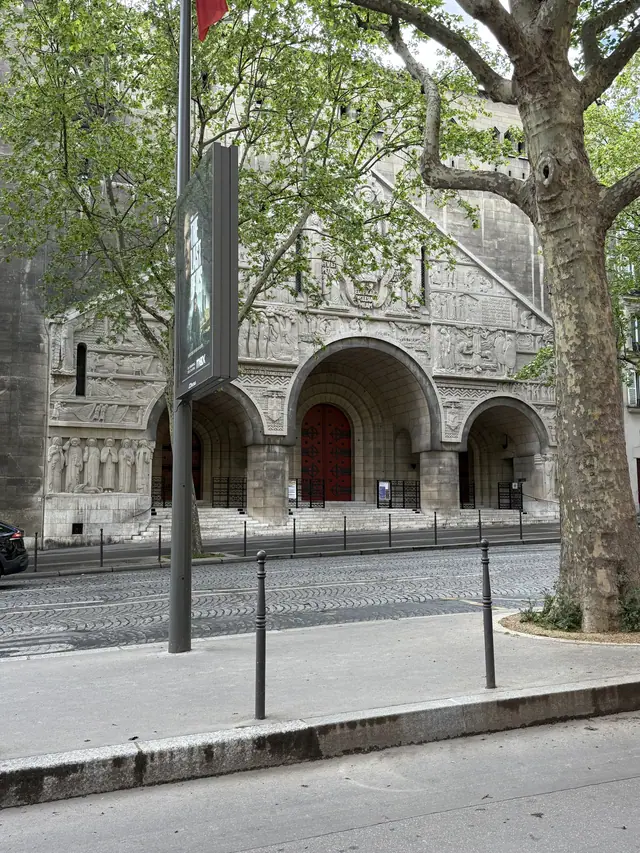
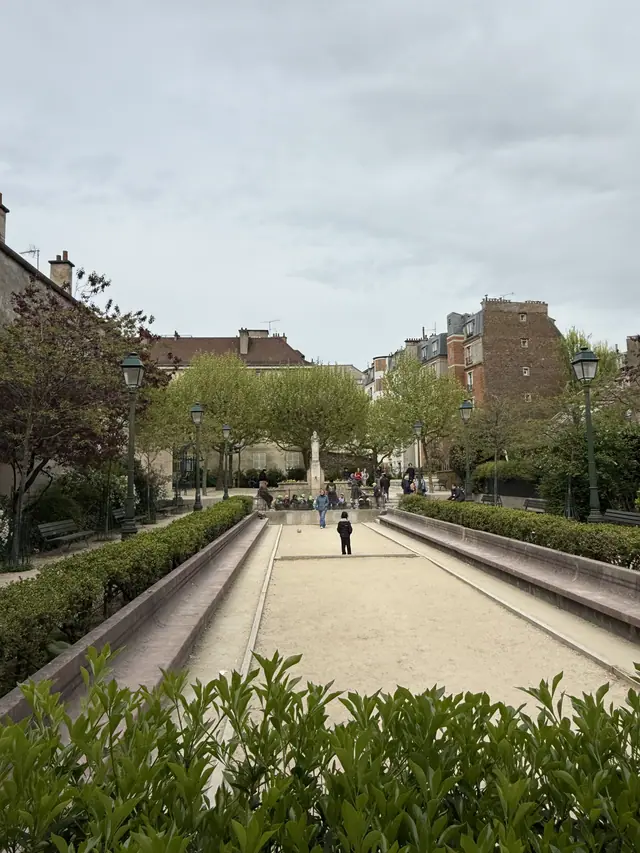
20. The Church of Saint-Pierre de Chaillot
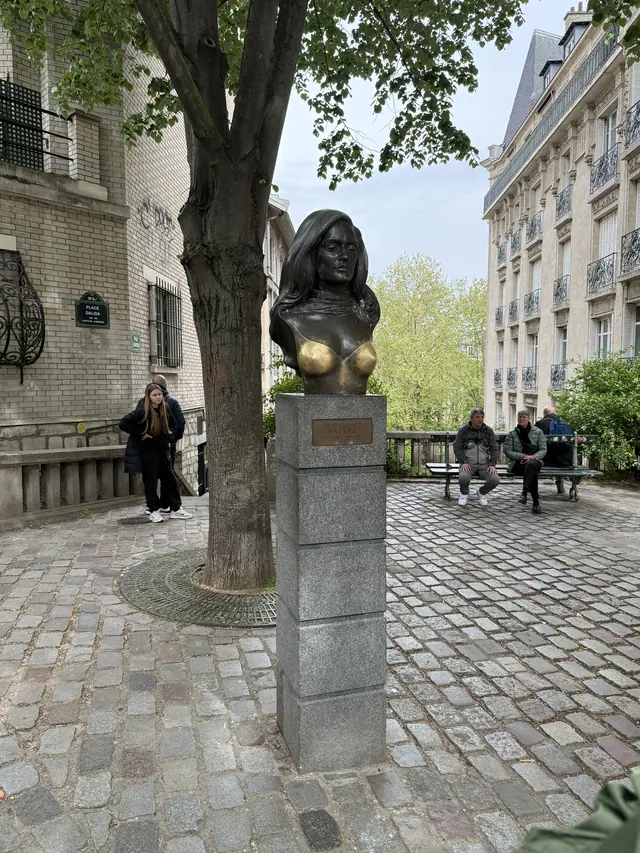
Did you know that this area of Paris was once outside the city? It was called Chaillot and was a separate little village, with vineyards, gardens and even its own château, built on the orders of Catherine de’ Medici in the sixteenth century.
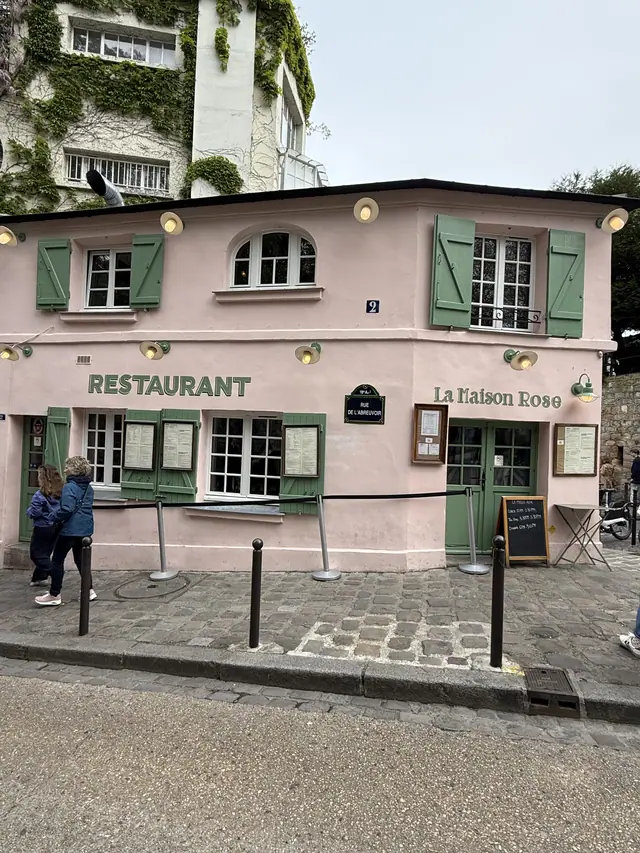
-
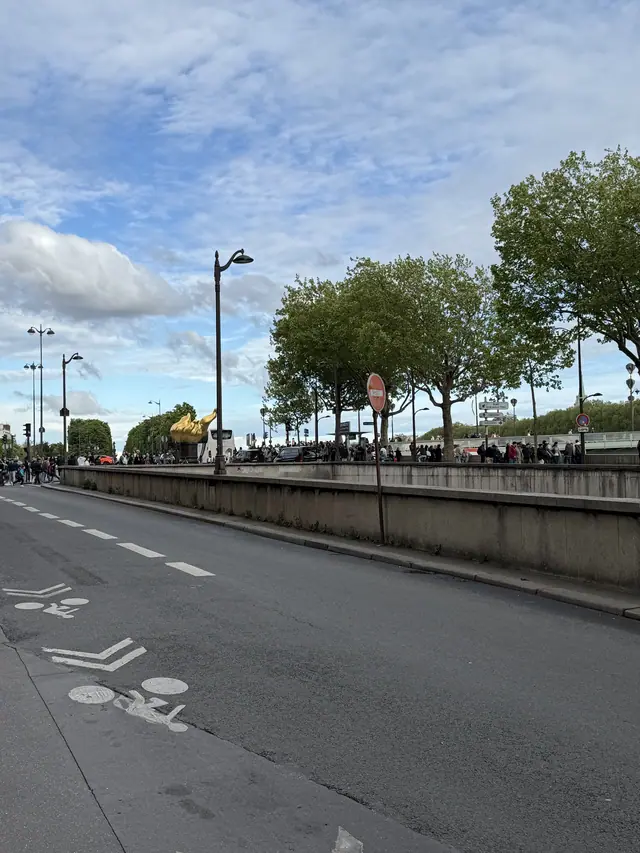
21. The Pont de l'Alma
Let’s pause for a moment near the Pont de l'Alma. Amid the traffic and views of the Seine, there is a golden flame that holds two very different stories: one of friendship between countries, and another of a memory that travelled around the world.
-
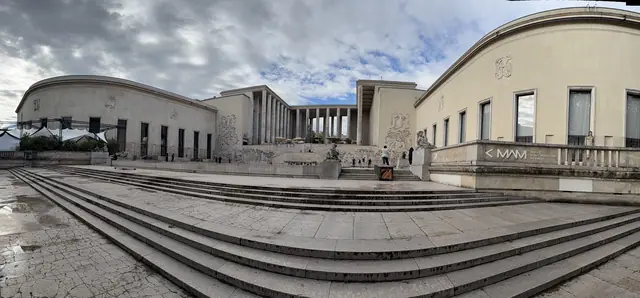
22. The Palais de Tokyo
Look at this building and its large columns. It was built for the 1937 International Exhibition of Arts and Technology in Modern Life. From the start, the project brought two art museums together in a single complex.
-
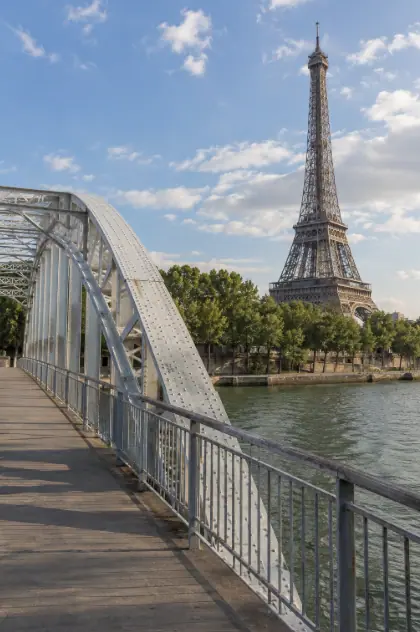
23. A viewpoint
Here's the surprise. Take a deep breath and look around. Pause for a moment and look towards the Eiffel Tower. Here, beside the Debilly footbridge, the Seine is in the foreground, giving you a lovely setting for a photo of Paris.
-
24. Montparnasse Tower
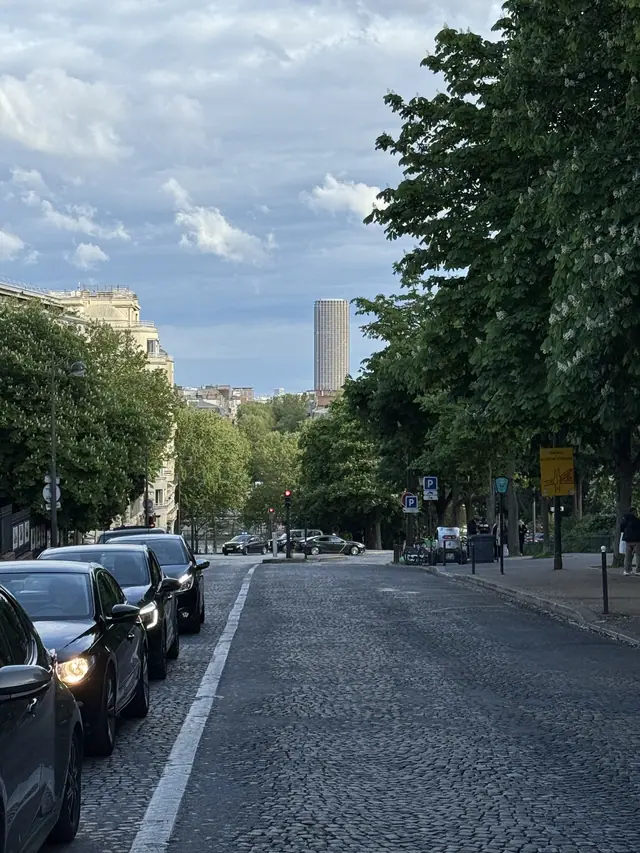
Look towards the far end of Avenue Albert de Mun, in the direction the street slopes downhill. That tall building rising above the rooftops is the Montparnasse Tower. From this corner, near the Trocadéro, we can see it in the distance.
-
25. The Eiffel Tower
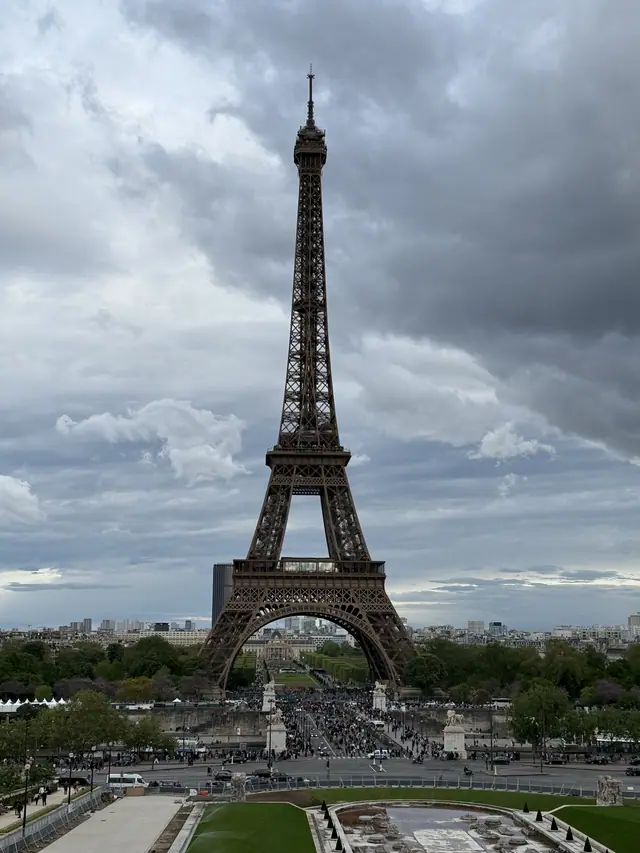
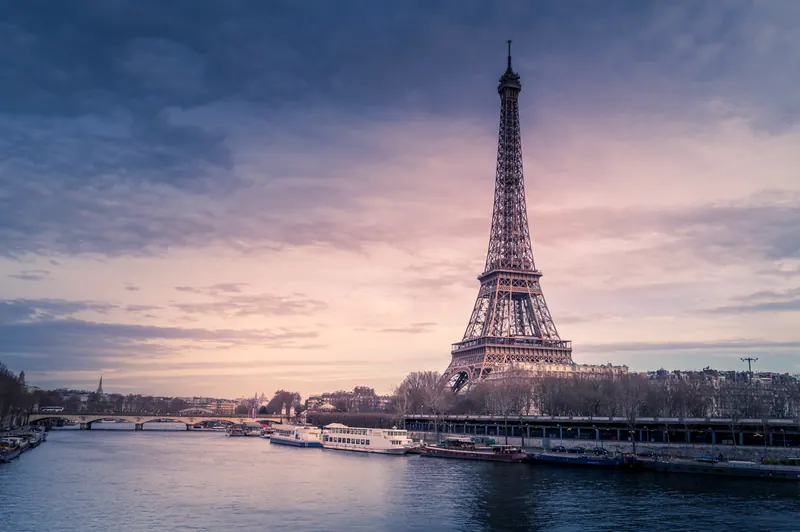
You now have one of those views in front of you that you recognise even before you come to Paris. Take a moment to take it all in. Today, this tower is France's most recognisable symbol, but its history has a few unexpected twists I'd like to tell you about.
-
26. A view you won't want to miss
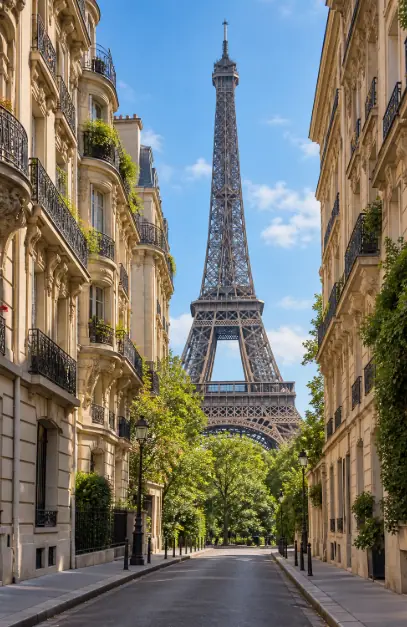
We're on Rue de Buenos Aires, right next to Avenue de Suffren. Look towards the Eiffel Tower: the buildings on this little street frame it and give your photo a different perspective from the one we had at the previous stop.
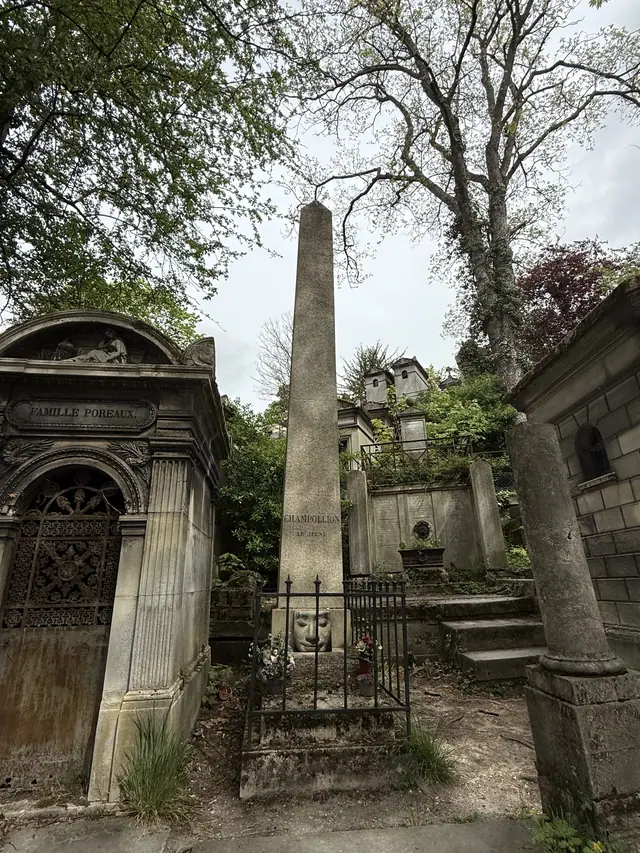
Latin Quarter Walking Tour
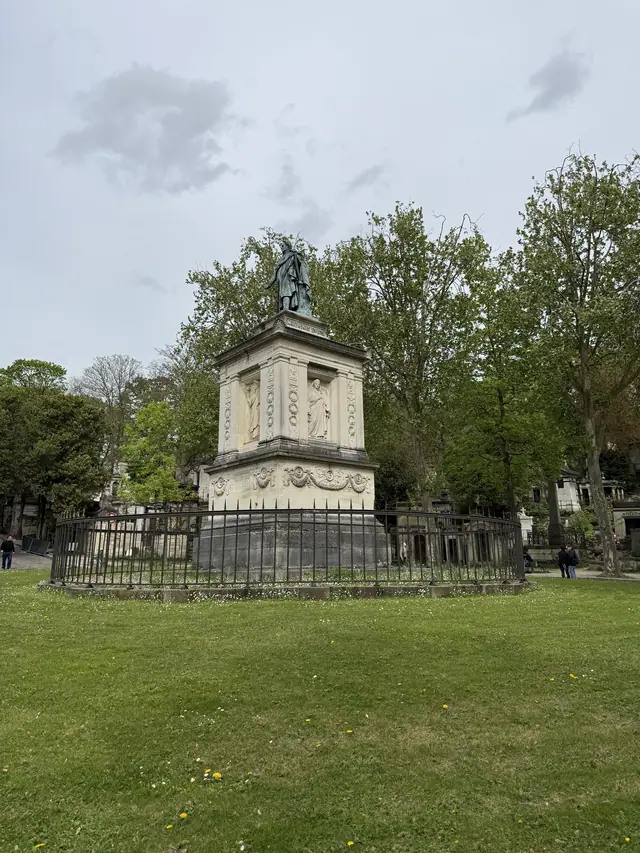
-
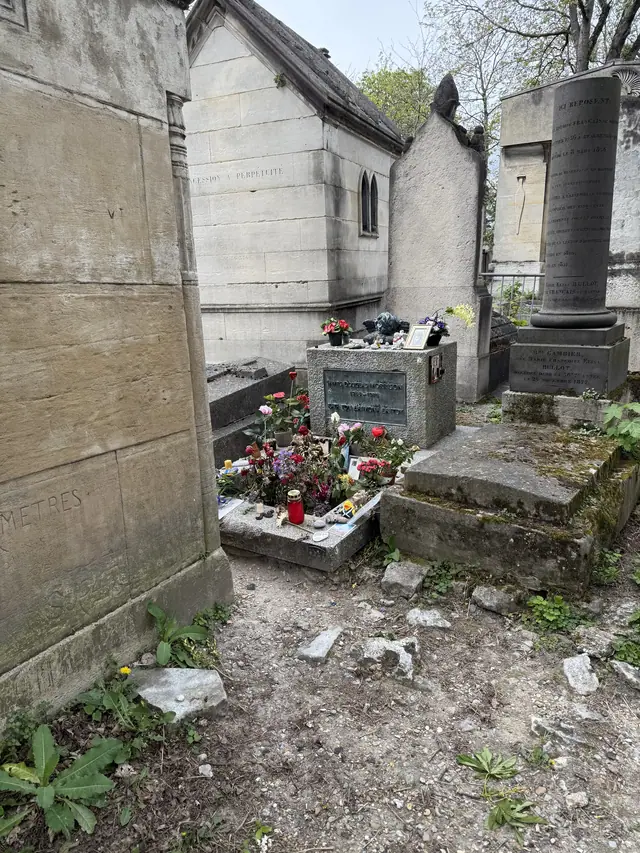
27. Entrance to the Latin Quarter
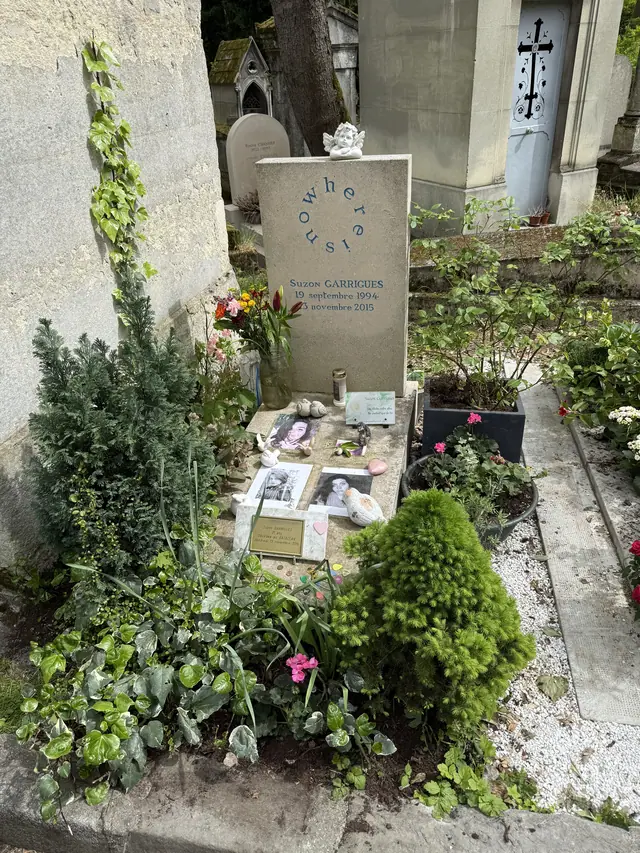
Over the next two hours, you'll explore one of the oldest, liveliest, and most intellectual areas of Paris, so let's begin. Paris is divided into twenty districts, known as arrondissements. Curiously, they are not arranged from north to south or from left to right.
-
28. Shakespeare and Company
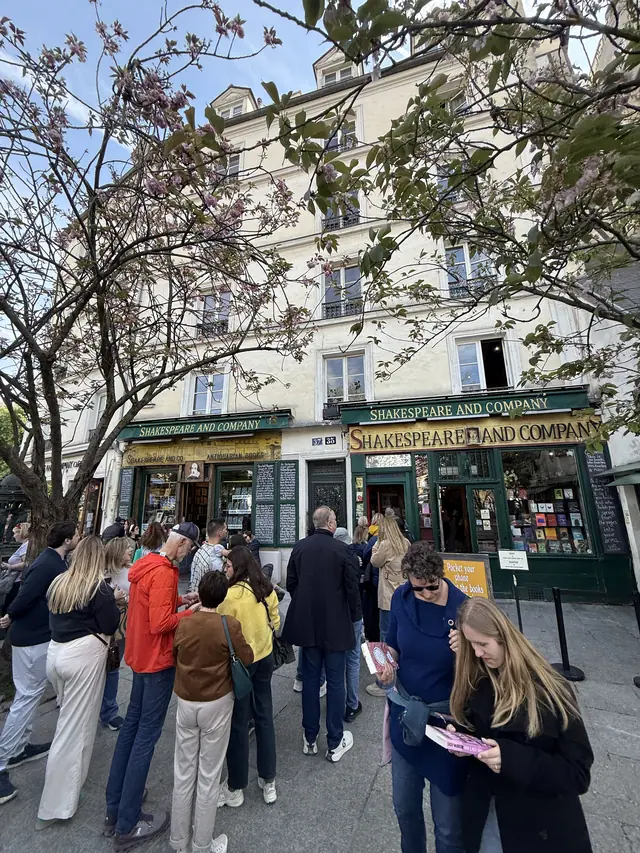
You are standing in front of one of Paris's most celebrated bookshops. Its fame stems not only from the books it houses, but also from the generations of readers, writers, and travellers who have passed through its doors.
-
29. René Viviani Square
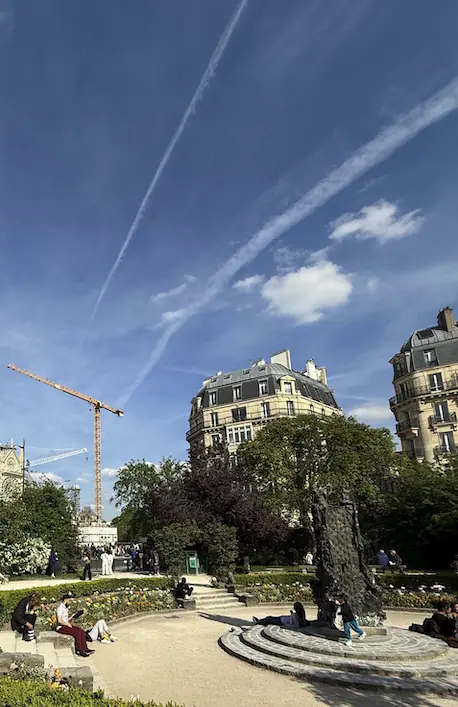
You are in one of the Latin Quarter's most peaceful corners: René Viviani Square. It opened to the public in 1928 and stretches alongside the Church of Saint-Julien-le-Pauvre.
-
30. The Church of Saint-Julien-le-Pauvre
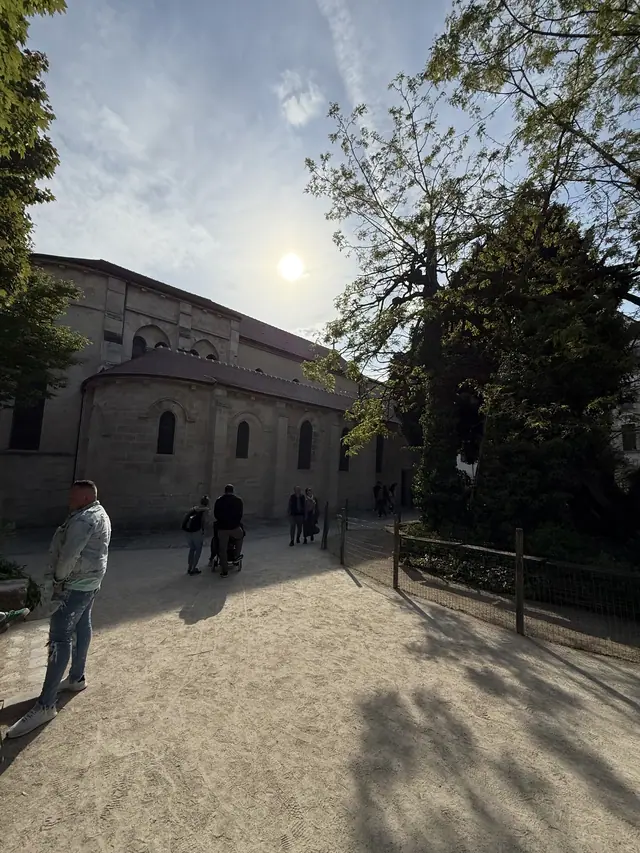
In front of you stands one of the oldest medieval churches in Paris. An earlier basilica dedicated to Saint Julian once occupied this site and was mentioned by Gregory of Tours in the years 580 and 582.
-
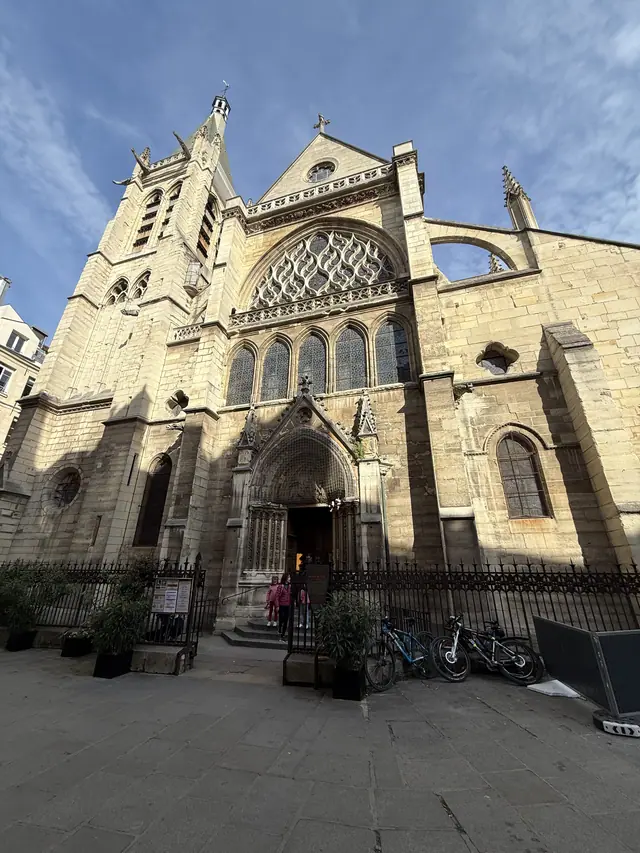
31. The Church of Saint-Séverin
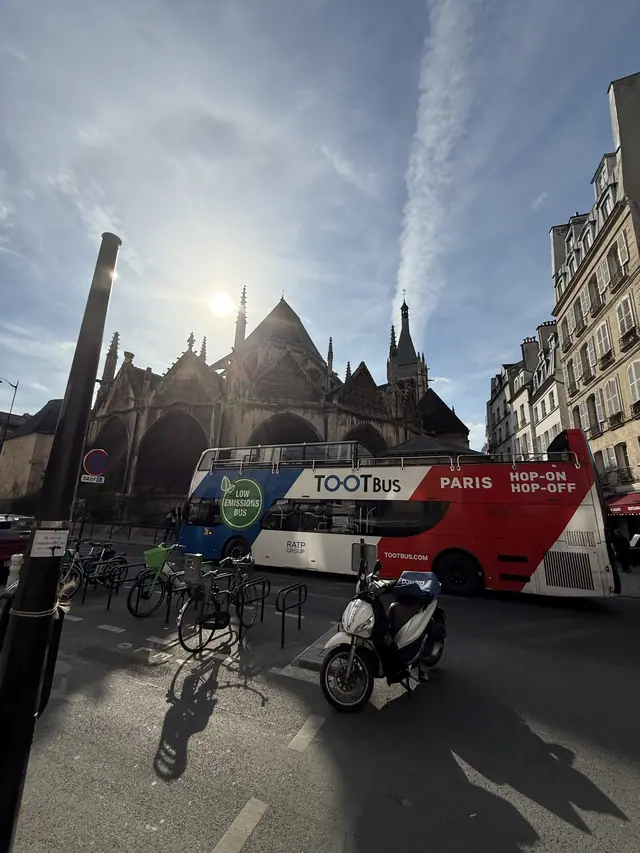
Before you stands the Church of Saint-Séverin, one of the finest examples of late Gothic architecture in Paris. Although its exterior appears modest beside Notre-Dame, the building reflects centuries of construction and transformation.
-
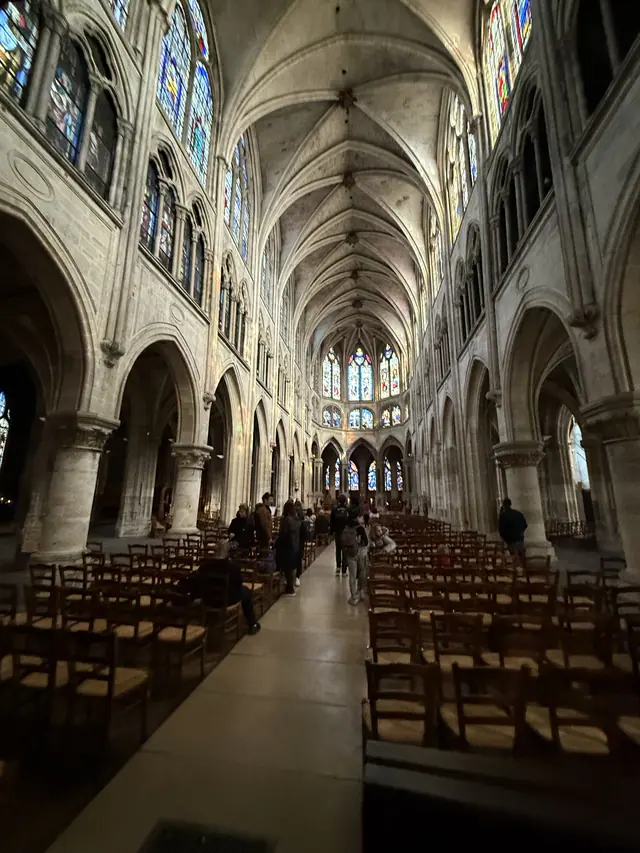
32. Inside the church
Now that you are inside, allow your eyes to adjust to the light and look upwards. The oldest stained glass is concentrated in the upper windows: some pieces date from the late fourteenth century, while many of the high windows in the nave were made after the fire of 1450.
-
33. The façade of Saint-Séverin
Before we continue, take a few steps back and look at the whole church. Although its appearance is clearly Gothic, Saint-Séverin was not built all at once.
-
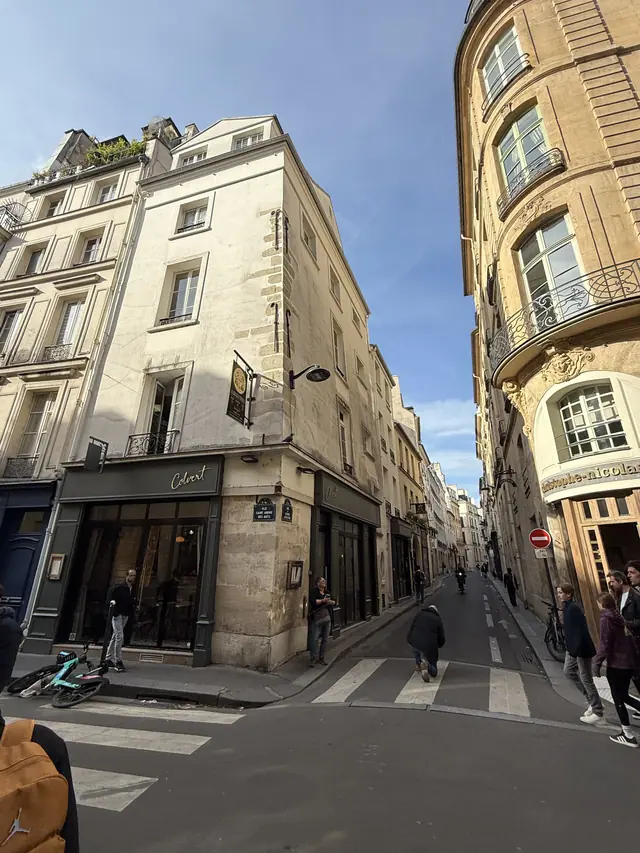
34. Grands-Augustins Street
Although it seems a quiet street today, surrounded by galleries and elegant buildings, this corner of Paris holds centuries of history: a powerful medieval monastery, aristocratic residences, literature and one of the most celebrated artists’ studios of the twentieth century.
-
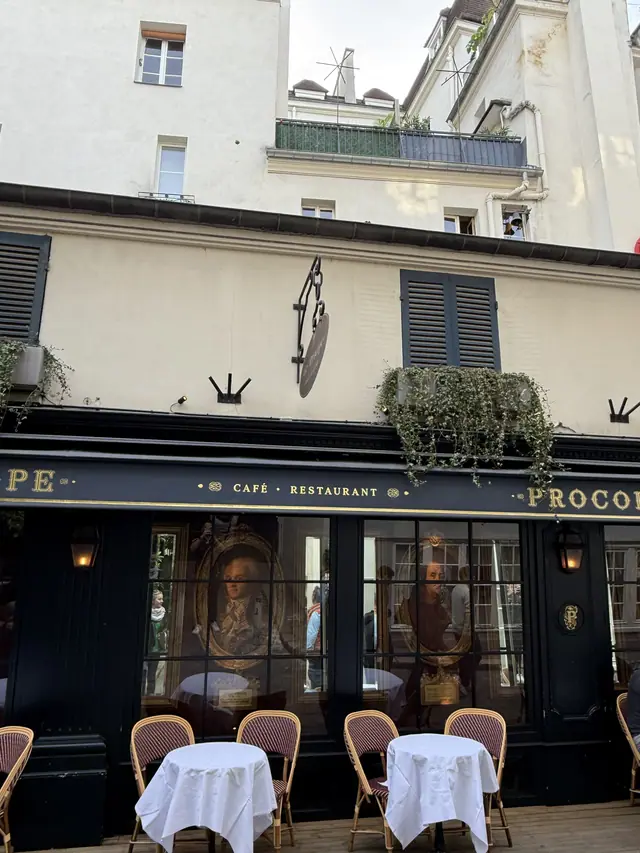
35. Le Procope Café
You're standing in front of one of Paris's most famous historic cafés. The original establishment opened its doors in 1686, when the Italian Francesco Procopio de Coltelli set up an elegant shop here, very close to the then-Comédie-Française.
-
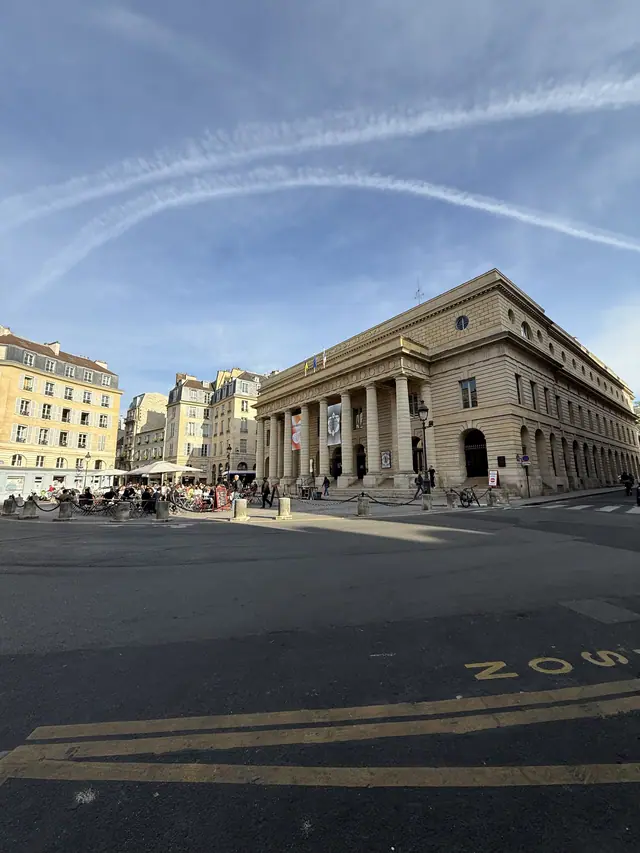
36. The Odéon Theatre
This building has a rich history and allows us to discover how art and politics intersected during one of France's most intense periods. Before looking at the theatre itself, take a look at the square.
-
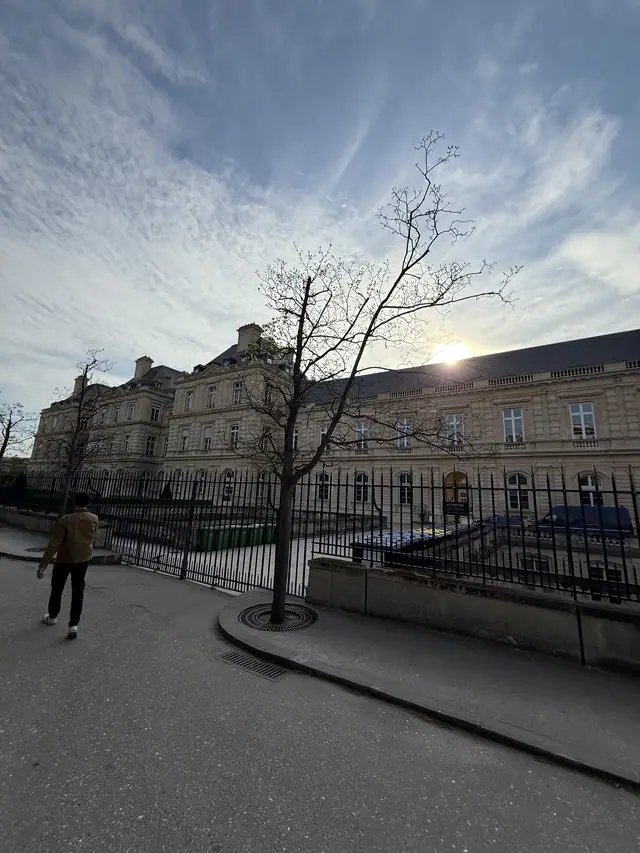
37. The Luxembourg Gardens
Look around you. In front of you is the Luxembourg Palace, current seat of the French Senate, surrounded by one of the best-known gardens in Paris.
-
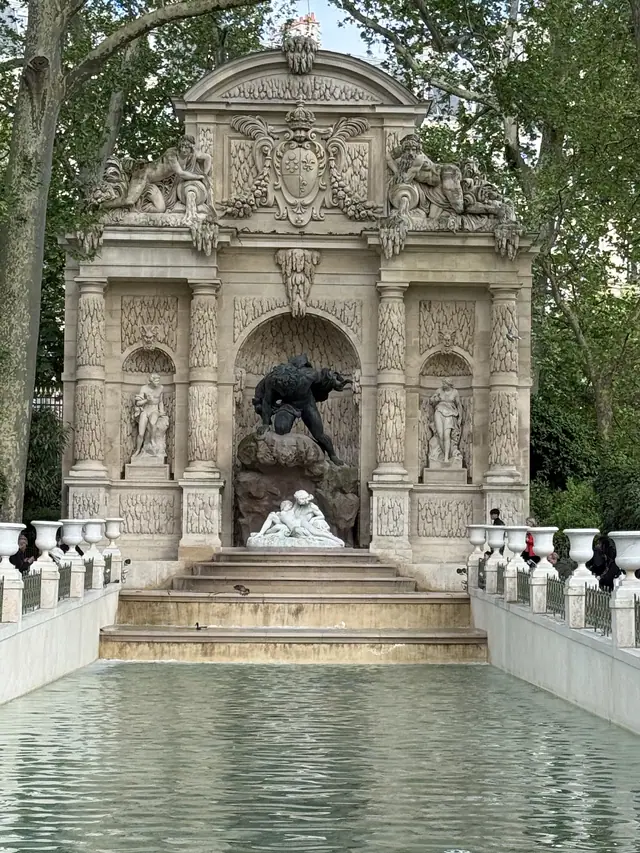
38. The Medici Fountain
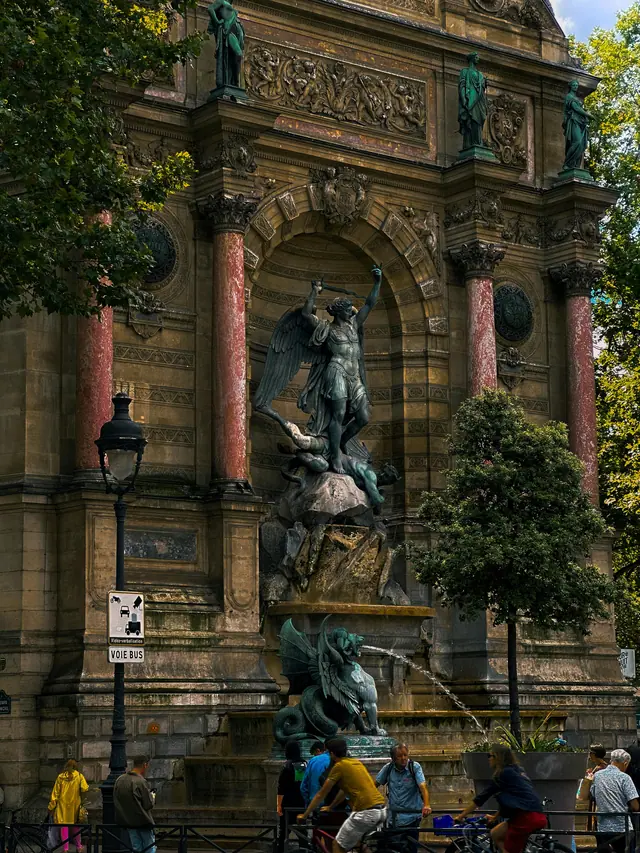
Take a moment to admire the Medici Fountain, one of the most evocative corners of the Luxembourg Garden. Although today we see it as a monumental fountain, its story began around 1630 as the so-called Luxembourg Grotto.
-
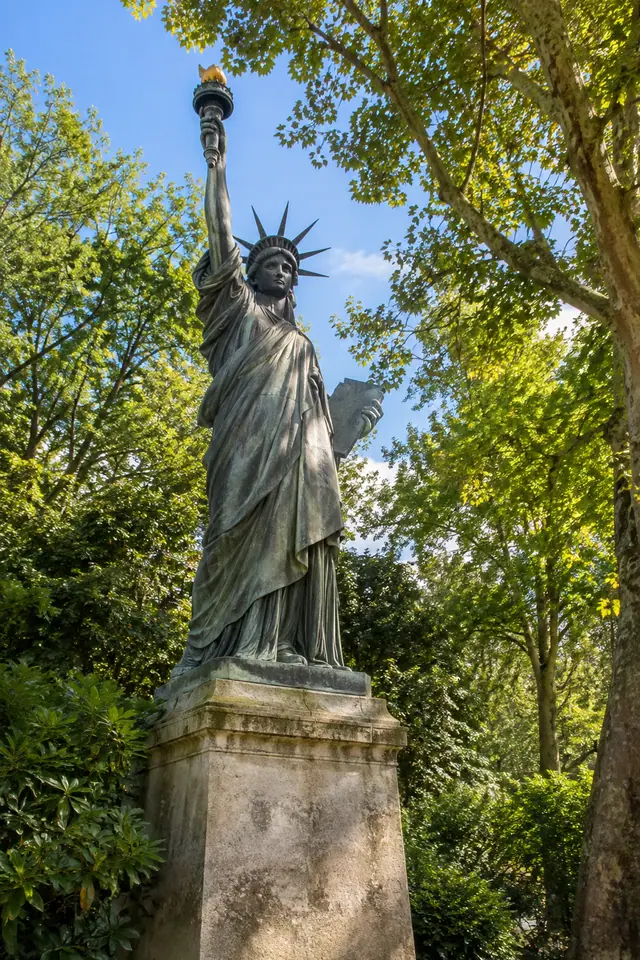
39. Het Vrijheidsbeeld in Parijs
The Statue of Liberty in Paris You have just arrived at one of the most secluded corners of the Luxembourg Gardens. Before you stands a small Statue of Liberty, almost three metres tall.
-
40. The Universities
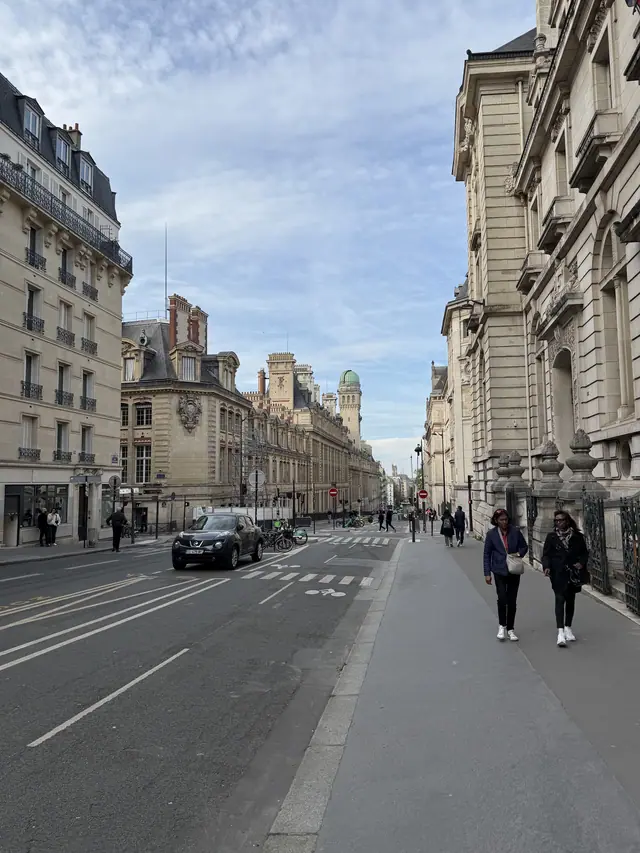
We are nearing the end of our tour, but before we head up to the Panthéon, I would like to tell you a little more about the academic history of this neighbourhood.
-
41. The Panthéon
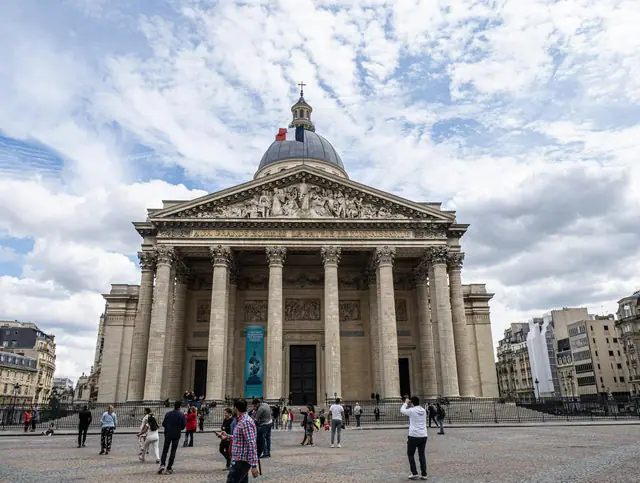
We have reached the final stop on our tour. Before us stands the Pantheon, with its grand columned portico and a dome that dominates the heights of Sainte-Geneviève.
Walking Tour of Le Marais and the Bastille
-
42. A neighbourhood with a thousand stories
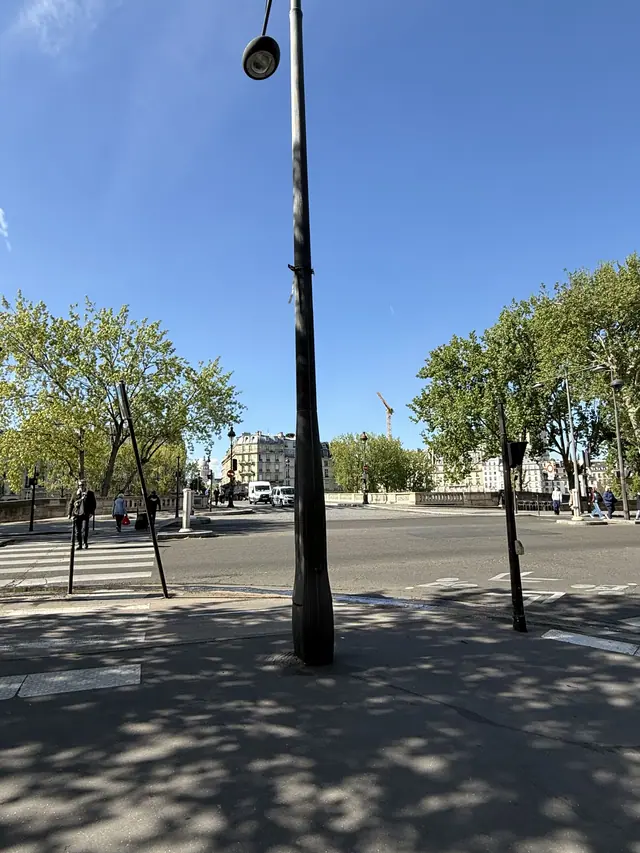
This is a place of narrow old streets, mansions, and hidden corners that hold stories of kings, writers, and revolutions. We are standing by the Pont Louis-Philippe, on the right bank of the Seine. From here, we’ll enter the neighbourhood.
-
43. The street of the mills
We're on the street of the wooden beams. It looks like a quiet corner of Paris, but its history takes us back to the Knights Templar and some mills that operated on the River Seine. Before we get to them, take a look at Saint-Gervais church, just beside us.
-
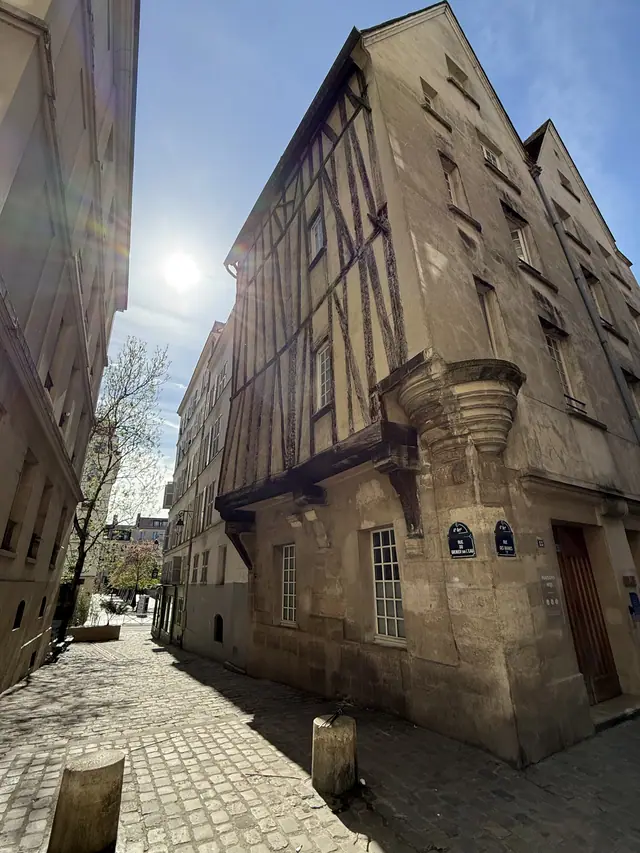
44. The half-timbered house
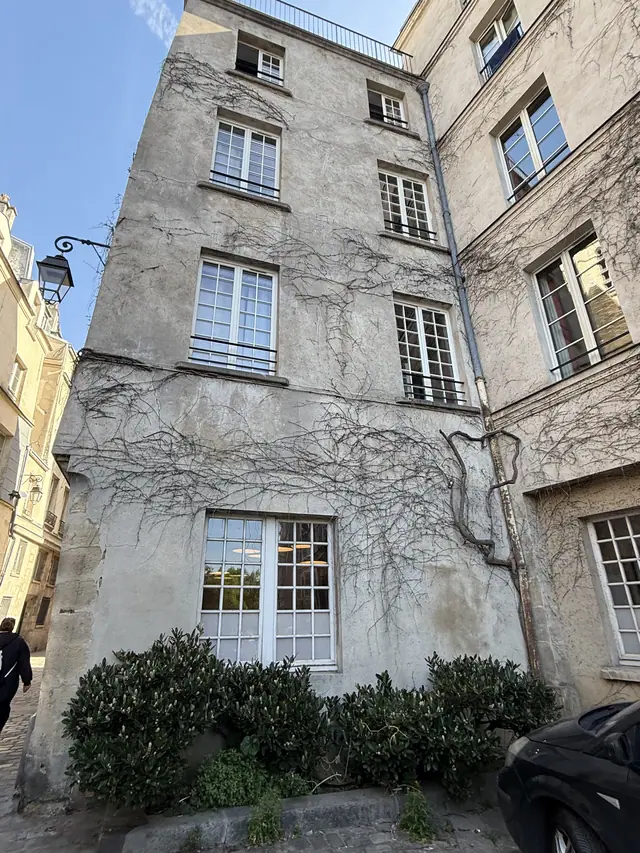
Look at the intersecting beams on this façade. This is the house I mentioned at the previous stop—number 12 Rue des Barres, right by the corner of Rue Grenier-sur-l’Eau. It is one of those spots that helps you imagine what Paris was like before its grand avenues were built.
-
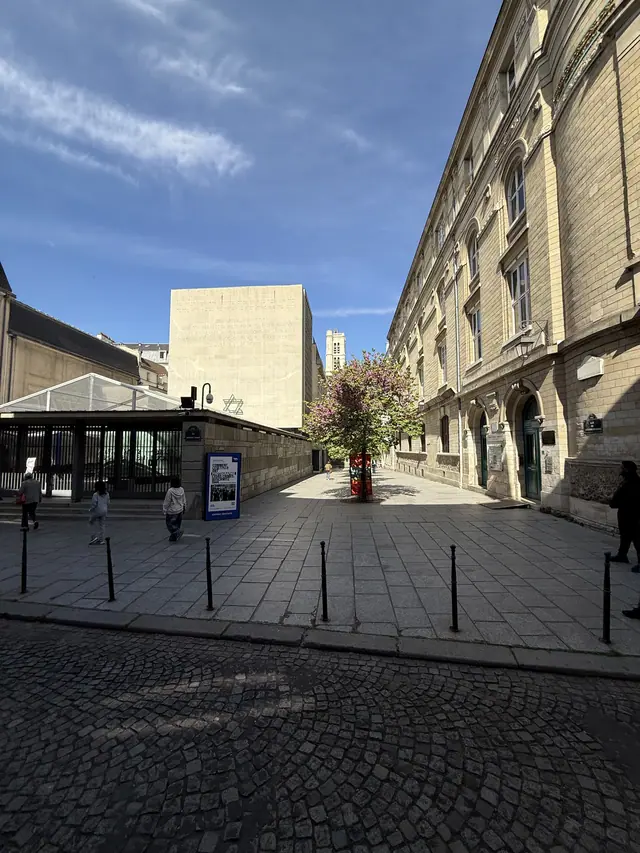
45. The Shoah Memorial
Look at that large stone wall featuring the Star of David, just behind the entrance. We are standing before the Shoah Memorial—a place to pause for a moment and learn about a painful chapter in this neighbourhood's history.
-
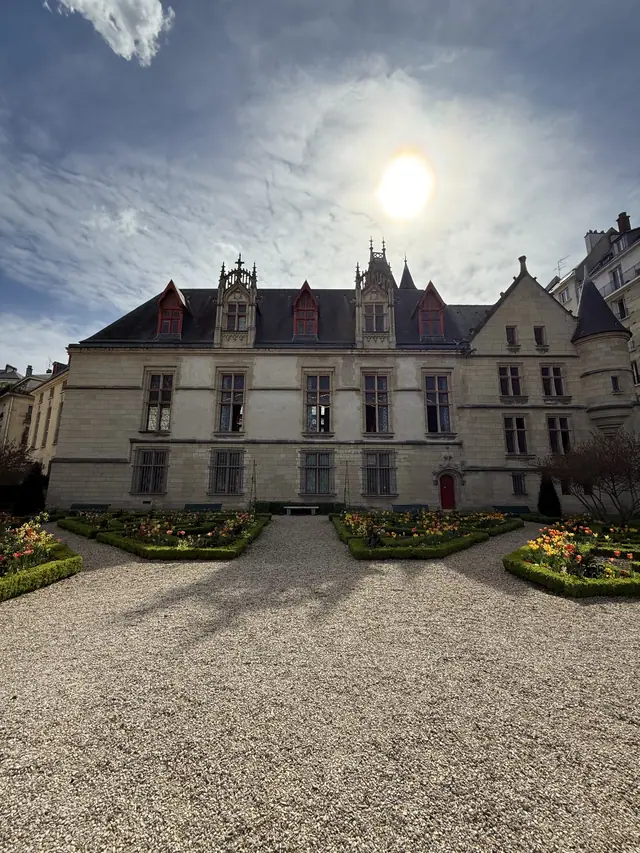
46. The Hôtel de Sens
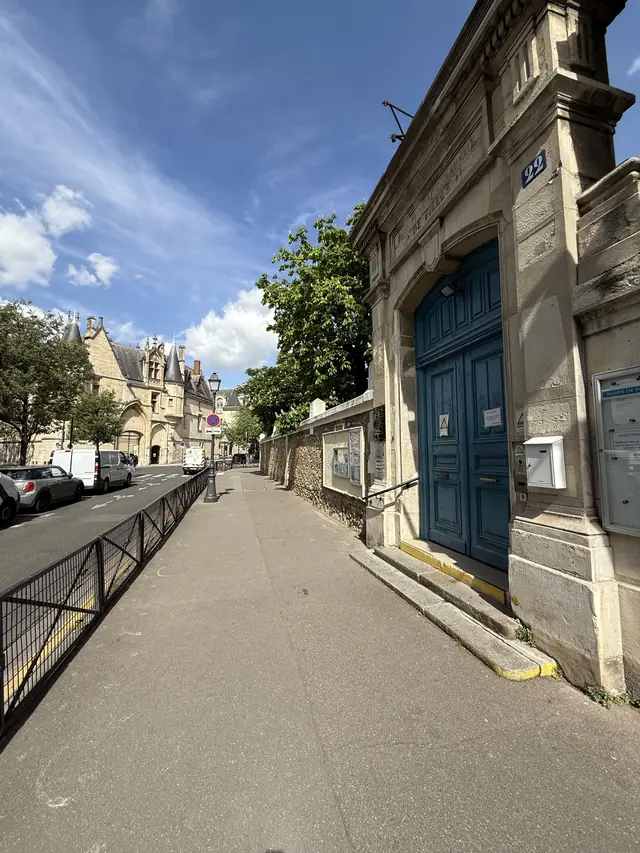
Look at the garden and the building in front of you. With those steeply pitched roofs and stone ornaments, it looks as though we’ve stumbled upon a small castle right in the middle of Paris.
-
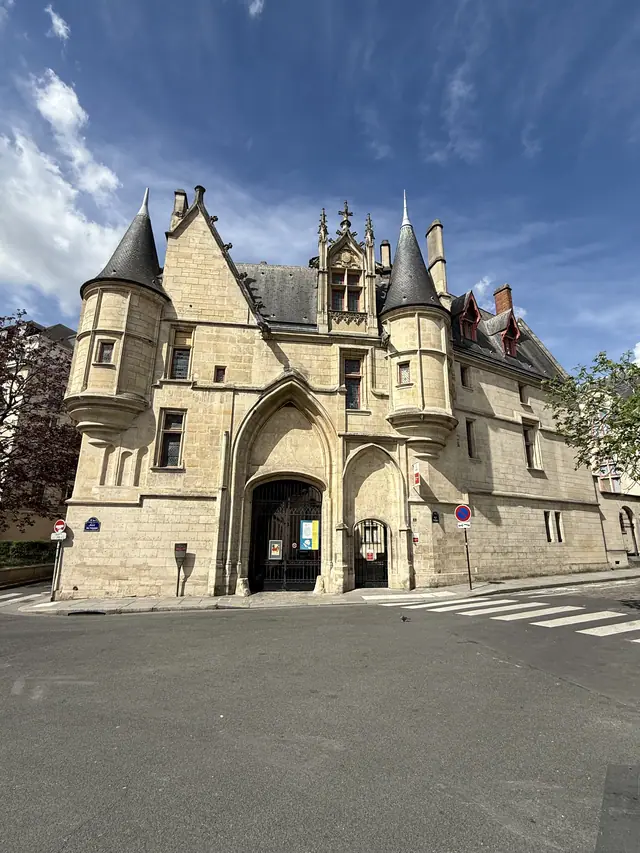
47. The façade of the mansion
Now that we’ve walked around the building, take a look at the entrance from the pavement. The turrets and the large stone archway look like the gate to a castle.
-
48. A school with a history
Stop for a moment in front of the school, at 22 Rue de l’Ave Maria. There’s a memorial plaque here that’s worth taking a moment to look at. It commemorates the Jewish pupils of this school who were deported during the Second World War and murdered in Nazi camps.
-
49. The wall of 1190
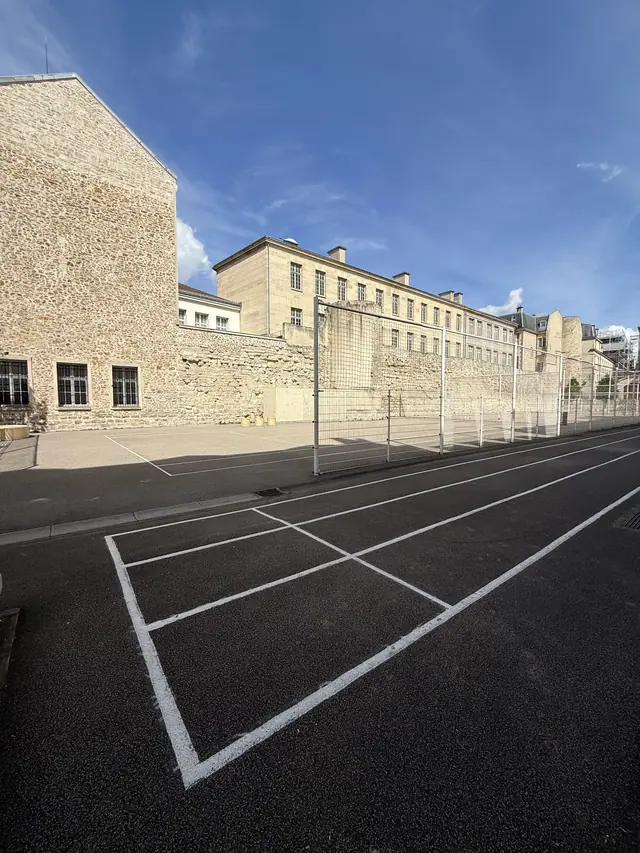
Look at the stone wall right here and you’ll see something very special: an original section of the first city wall of Paris, built around 1190 on the orders of King Philip Augustus. Here on Rue des Jardins-Saint-Paul, a stretch of about two hundred and sixty feet survives.
-
50. The Hôtel Saint-Paul
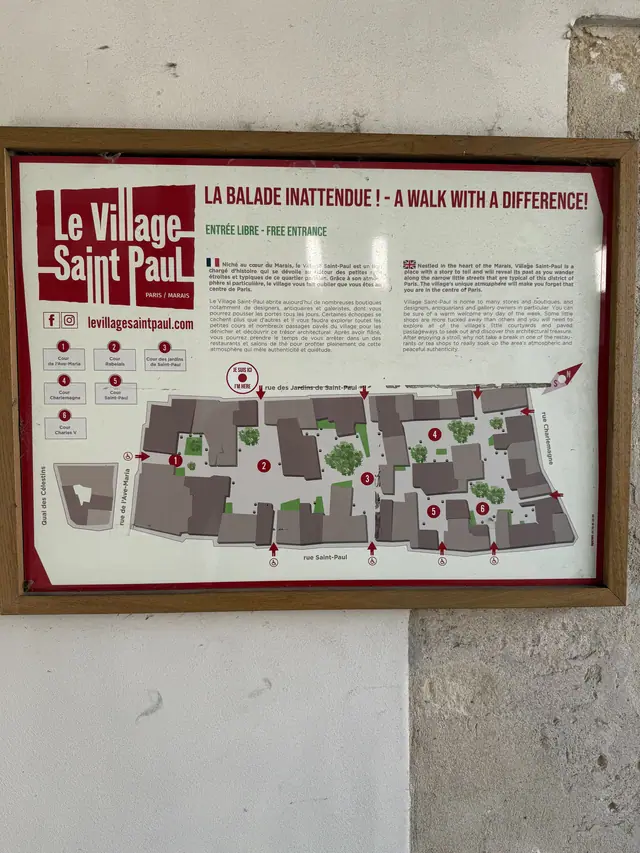
We’re in the Village Saint-Paul, a group of courtyards and gardens restored in the 1970s and 1980s, very close to the important Saint-Paul palace mentioned at our previous stop.
-
51. Saint Paul's Passage
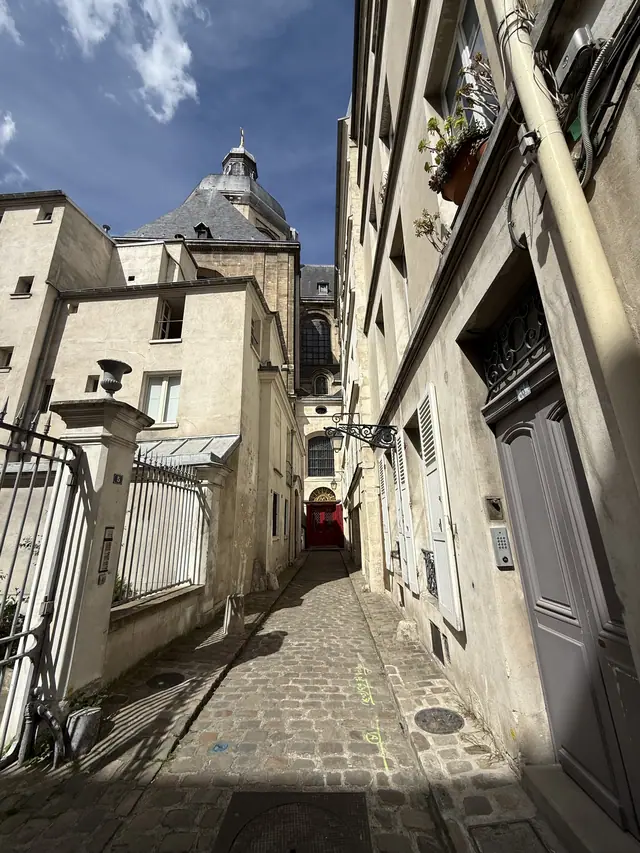
In the 17th century, this passage was linked to the Jesuits' residence and their church. What makes it special is something that always comes as a surprise in Paris: that atmosphere of the old city, just a few steps away from the noise of the main streets.
-
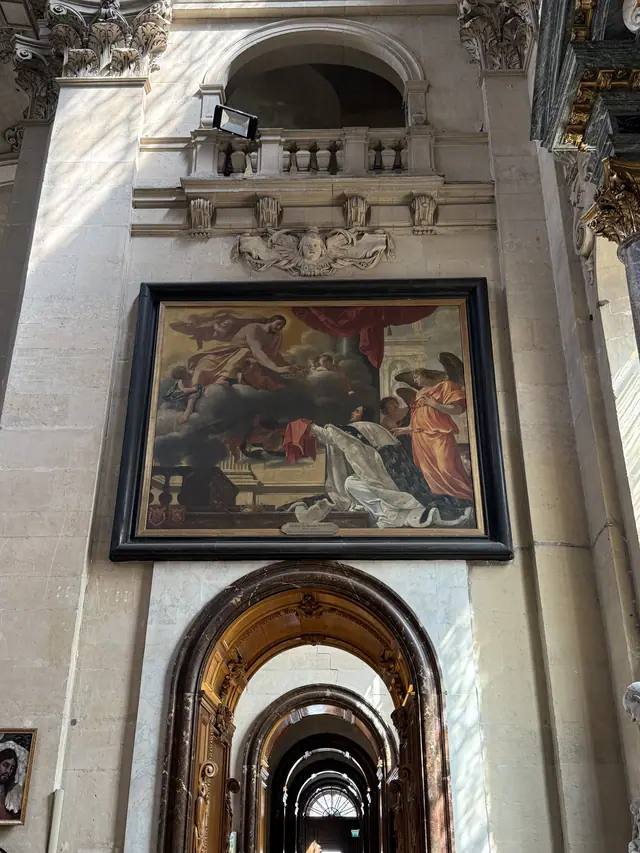
52. The Church of Saint Paul and Saint Louis
If you come into this church during Holy Week, you might see some statues covered up. That's normal: towards the end of Lent, certain religious images are traditionally covered as a sign of quiet reflection.
-
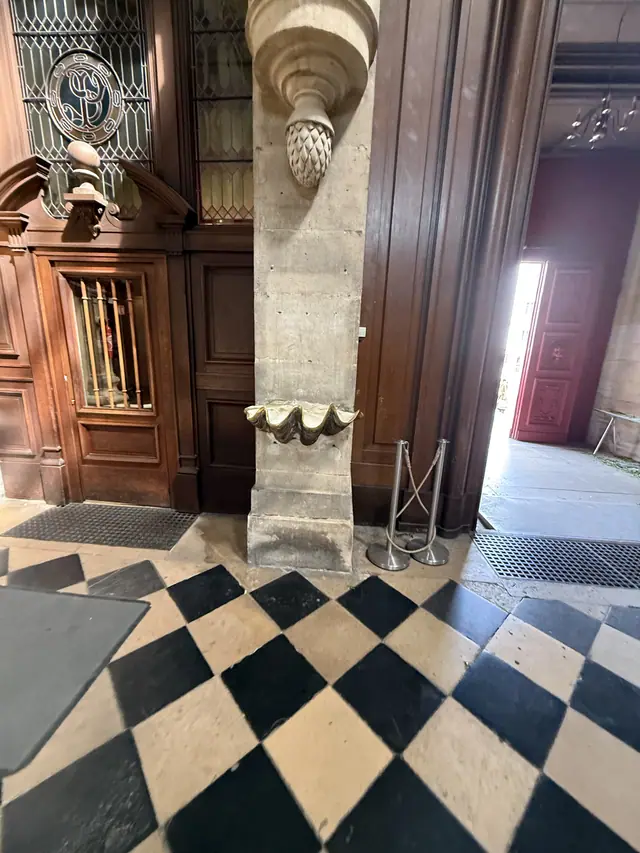
53. The giant shells and Victor Hugo
Now take a look at the large shells on either side of the entrance, inside the church. If you can't go inside, you can see one in the photo. Although they look as though they've been carved from marble, they're real giant clam shells.
-
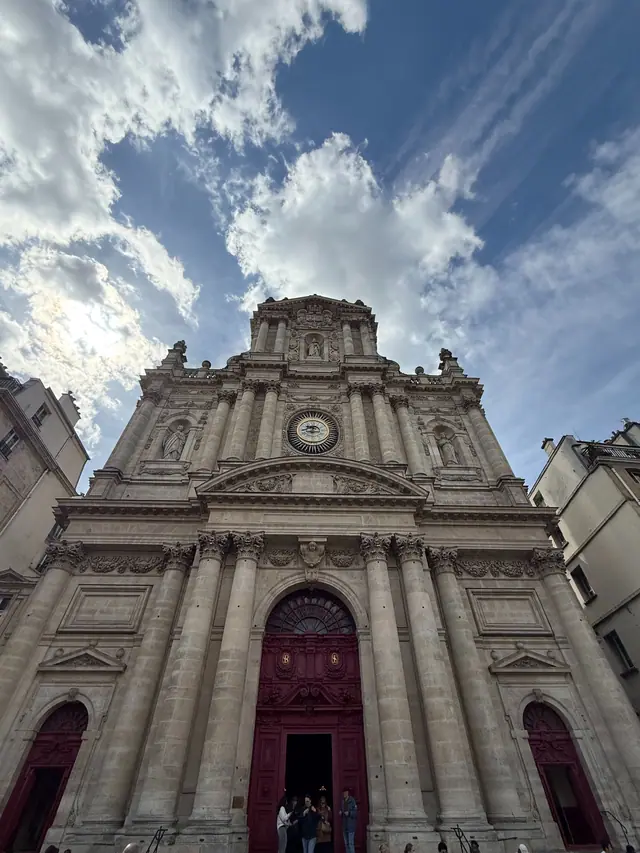
54. The clock
Before moving on, step out of the church and find a spot on the pavement where you have a good view of the façade. Look up at the clock and focus on the number four. Do you see those four strokes?
-
55. St James's Tower
Before moving on, look west towards the Town Hall, following the street we just walked along. Look for a Gothic tower rising above the surrounding buildings in the distance: this is St James's Tower, known in French as Saint-Jacques.
-
56. Sully Palace
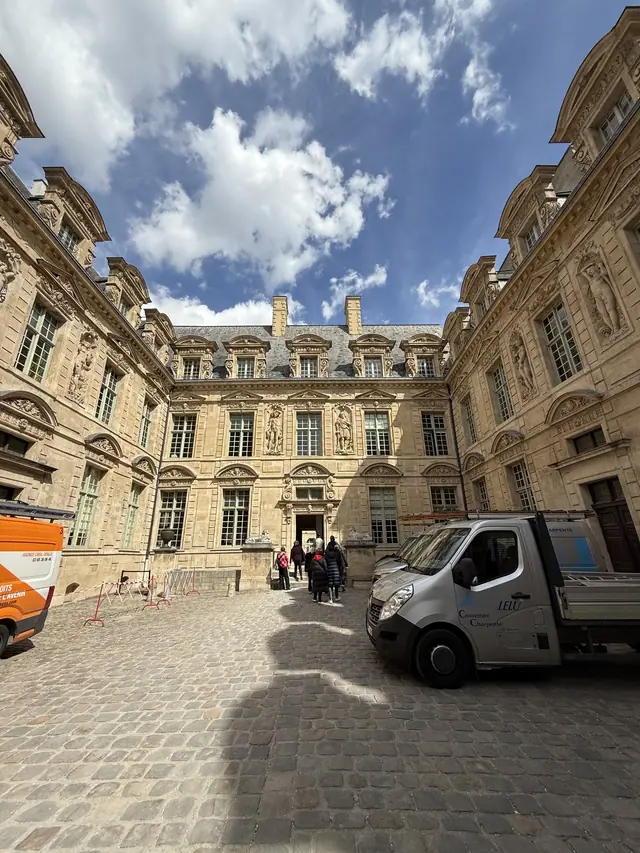
Let’s visit one of the most elegant mansions in the Marais: the Hôtel de Sully. Here, the French word “hôtel” means a luxurious private residence. Construction began in 1625, when this neighbourhood attracted people who had money and wanted to show it.
-
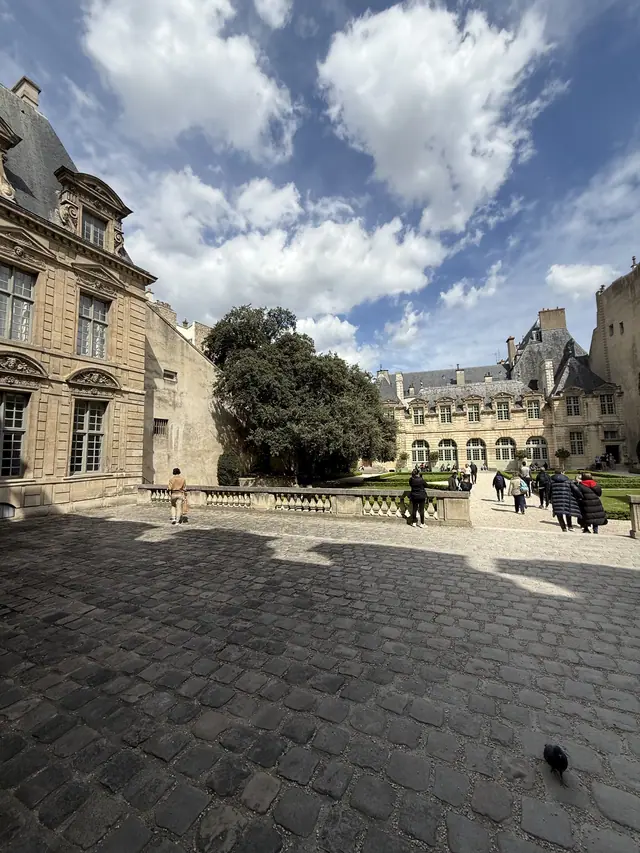
57. The garden of Sully Palace
This garden feels hidden away, and that was part of its charm: it belonged to a private residence. It is hard to believe that Rue Saint-Antoine is so close by, isn't it?
-
58. Place des Vosges
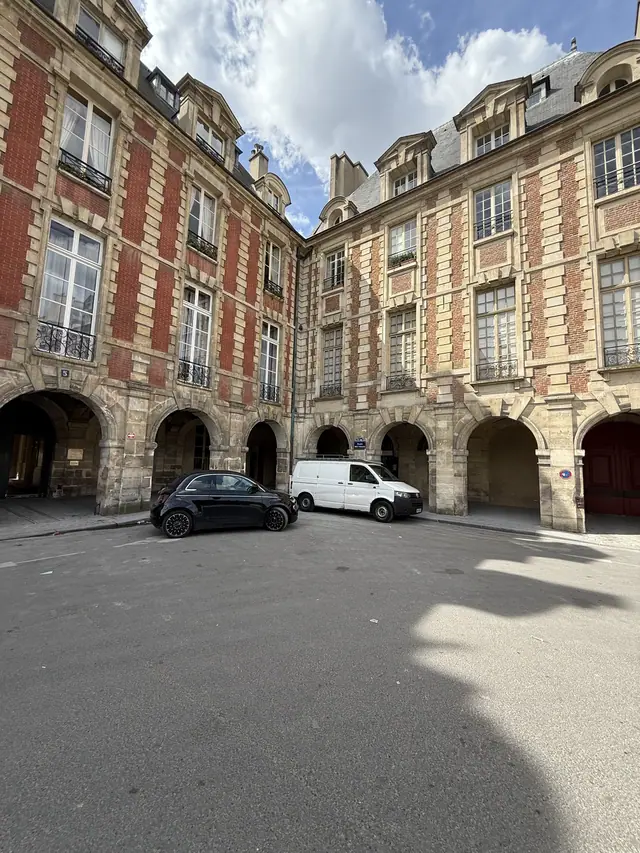
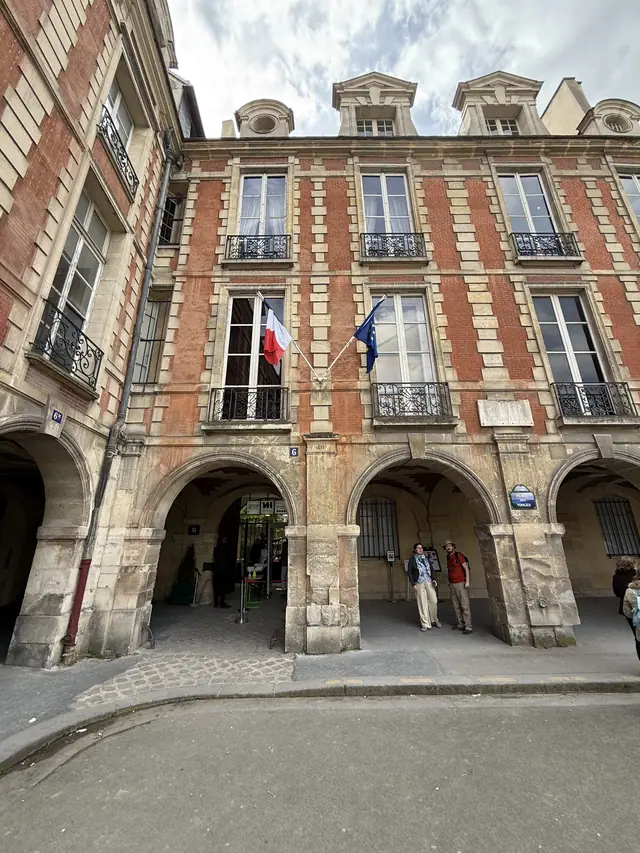
Do you see this elegant, symmetrical square? It is the former Place Royale—or Royal Square—now known as the Place des Vosges. Henry IV commissioned its creation in 1605 to beautify Paris and boost commerce.
-
59. The statue of Louis XIII
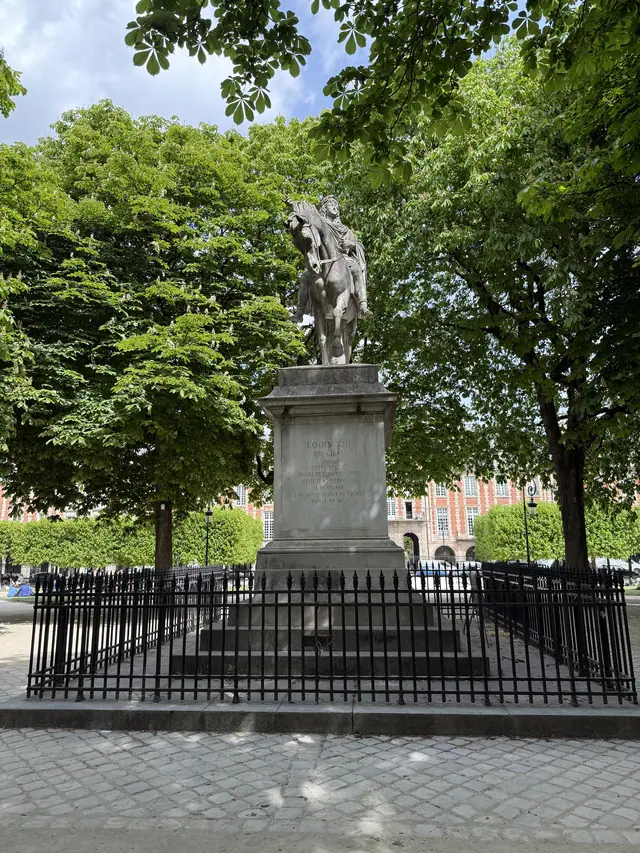
We’ve reached the heart of the square, and here’s Louis the Thirteenth on horseback, looking very solemn indeed. Notice the laurel wreath, his clothes and his outstretched arm: he’s been depicted as a Roman emperor. The idea was to convey authority and grandeur.
-
60. Victor Hugo’s house museum
You’re standing outside number six on the Place des Vosges. Victor Hugo rented a flat on the second floor here and lived with his family from 1832 to 1848. Today, his furniture, portraits and personal belongings offer a way into his world.
-
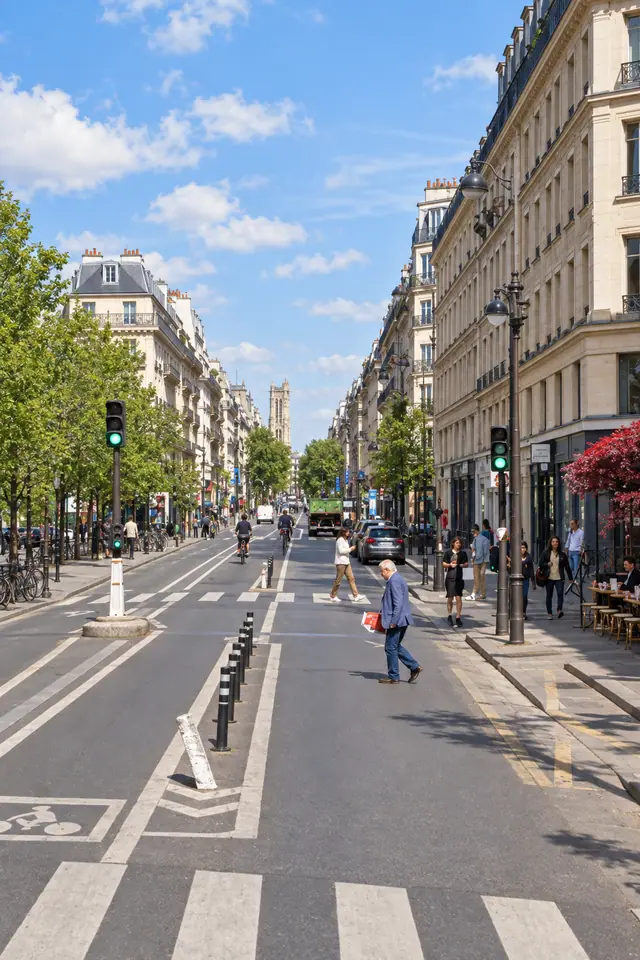
61. The Bastille
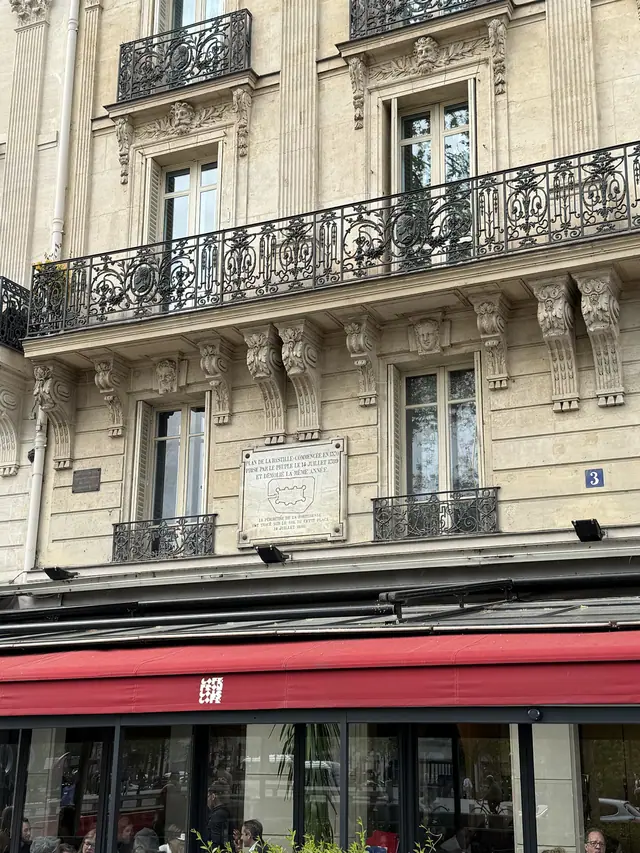
Look up at the façade of the Café Français, just above the awning. That plaque, bearing the layout of a fortress, commemorates the Bastille—the structure that gave this square its name.
Walking Tour of Montmartre
-
62. The Two Windmills Café
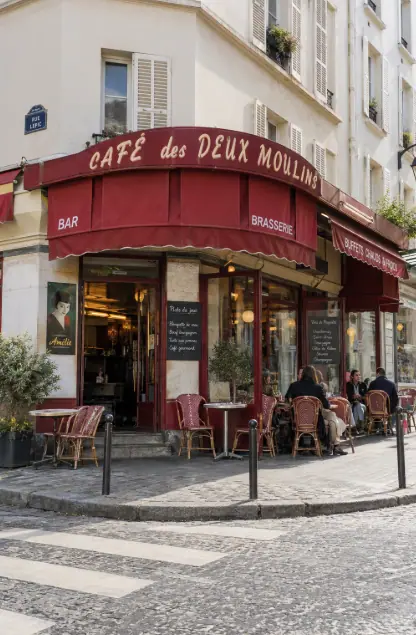
Look at the café on the corner. If you’ve seen Amélie, directed by Jean-Pierre Jeunet and released in 2001, you’ve probably already recognised it: this is where the character played by Audrey Tautou works as a waitress.
-
63. The transformation of Paris
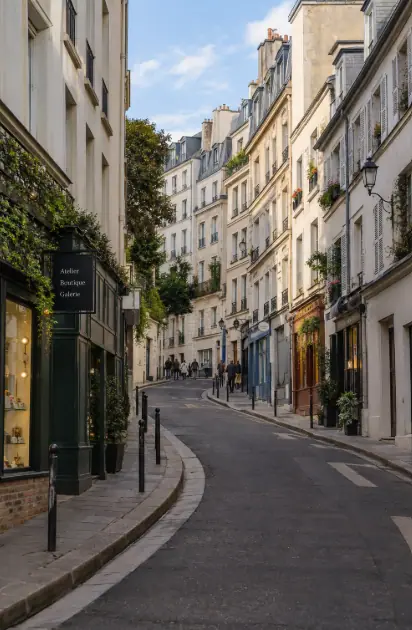
Look at the way Rue Lepic curves and how the buildings adapt to the slope. If you have just been walking along the grand boulevards of Paris, the change here is immediately apparent.
-
64. The Art Apartment
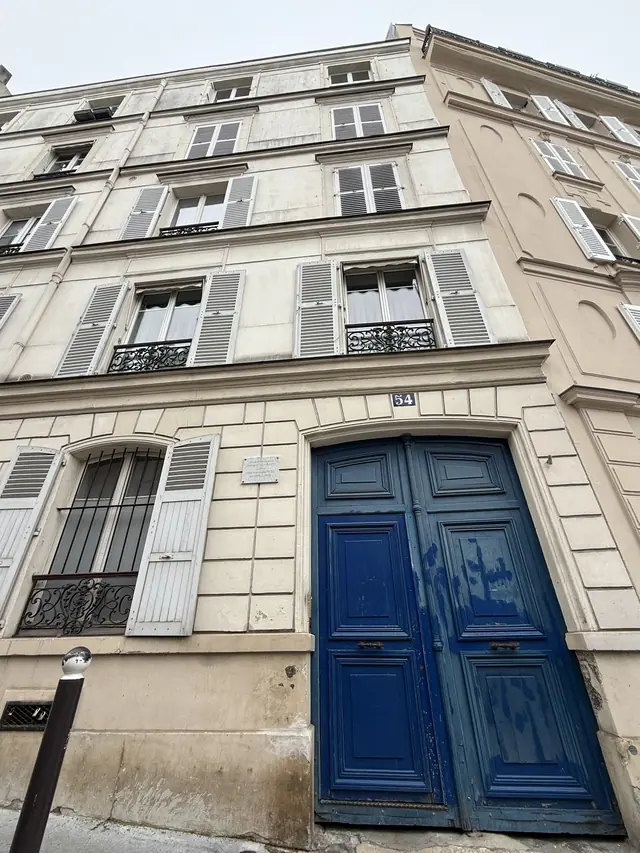
We are now standing in front of number 54 Rue Lepic. Take a look at the plaque next to the entrance. Vincent van Gogh and his brother Theo lived here between 1886 and 1888.
-
65. The Old Windmill
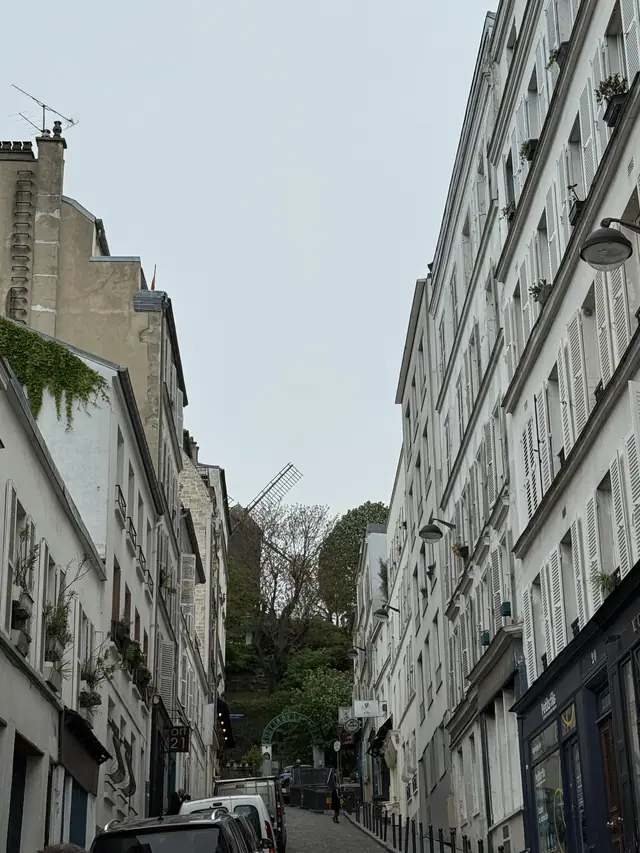
Look up Tholozé Street and spot the windmill sails rising between the buildings. That windmill is the Blute-Fin, one of the two historic windmills still standing in Montmartre.
-
66. Picasso in Montmartre
Here in this neighbourhood—where it seems nothing happens before eleven in the morning—some of the greatest revolutions in art history took place. I’ll explain this using a name that surely sounds familiar: Pablo Picasso. But first, let me give you a bit of context.
-
67. The Windmill Restaurant
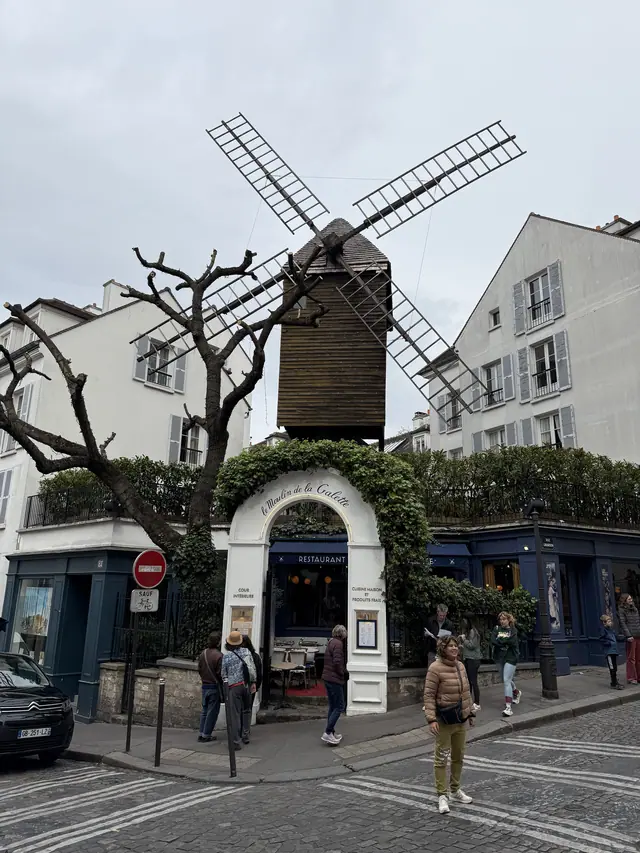
Let’s stop briefly in front of the restaurant and look at the windmill above it. Remember the one we saw earlier, the Blute-Fin? Well, this is a different one, called the Radet. Both belonged to the group of buildings known as the Moulin de la Galette.
-
68. The traditions of Montmartre
We’ve reached a part of the tour where history, religion and the games our grandparents played all come together. This spot, which seems quiet now, comes alive in the afternoons. If you come by later, you’ll see groups of young people playing pétanque.
-
69. Dalida
Look at the bust in front of you. It is Dalida, one of the great voices of French song and a beloved resident of Montmartre. Here, at the intersection of Rue Girardon and Rue de l'Abreuvoir, the neighbourhood dedicated this small square to her.
-
70. The Pink House
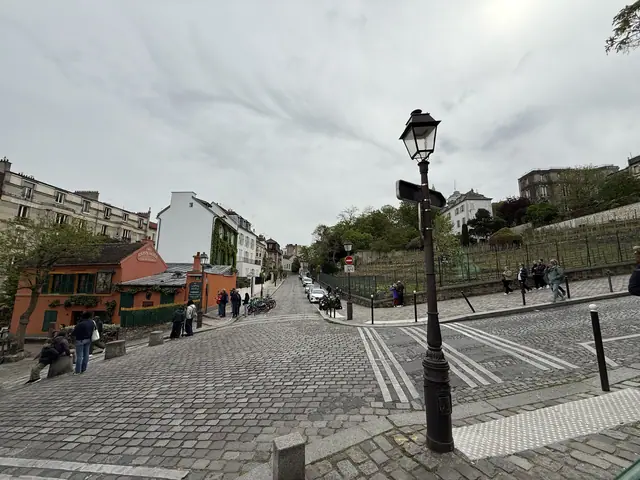
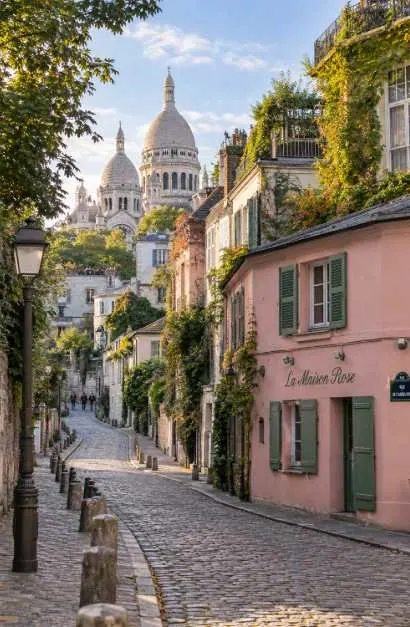
Do you see that little pink house with green shutters? Today it operates as a restaurant, but its history goes back to the early 20th century.
-
71. The Nimble Rabbit
Do you remember when I told you about the cabarets of Montmartre? Well, this is one of the best known: the Nimble Rabbit. Artists used to gather here when they still had more ideas than money, and it was also the setting for one of the most famous pranks in art history.
-
72. The Montmartre Vineyard
Look at those rows of vines behind the fence. Among the houses and streets of Montmartre, grapes are still grown here to make wine. This is the Clos Montmartre, and although it looks like a corner preserved from the Middle Ages, this vineyard was planted in 1933.
-
73. The Other Side of the Church
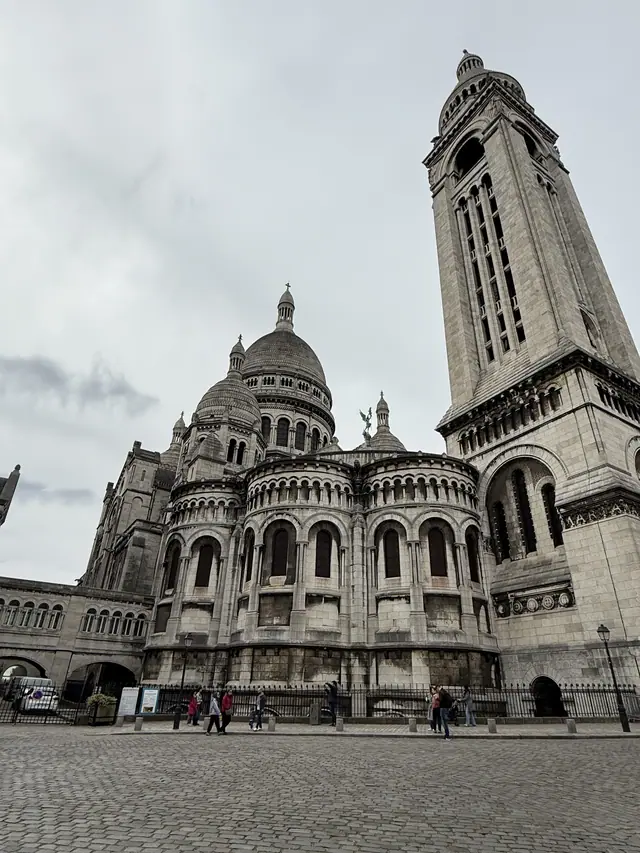
Before we head towards the Sacré-Cœur’s most famous façade, stay on this side of the basilica for a moment. We’re at the back, beside the Parc de la Turlure, also known as the Marcel Bleustein-Blanchet park.
-
74. The Church of the Sacred Heart
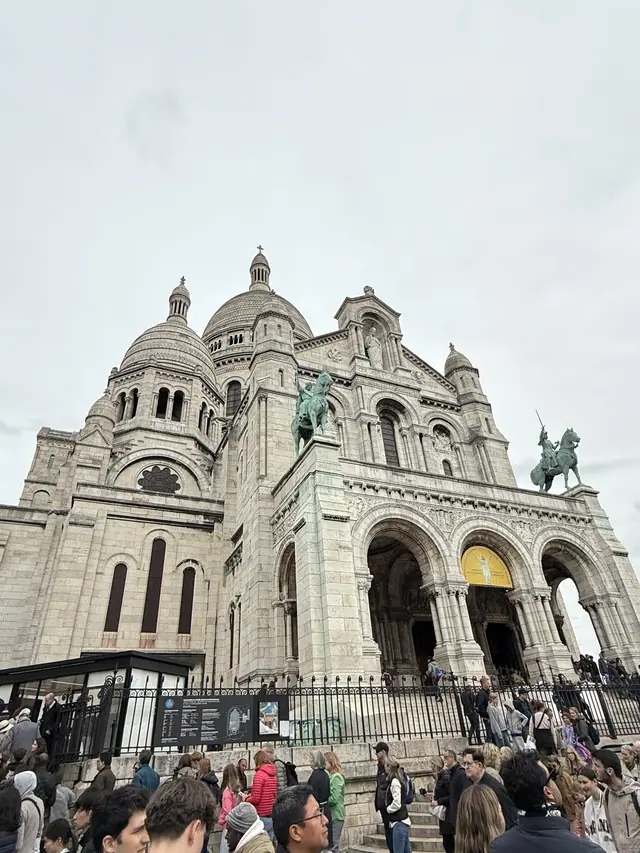
Here we are, standing before the Basilica of the Sacred Heart. You are at the summit of Montmartre, one of the highest points in Paris, sitting about 425 feet above sea level. To put that in perspective, Notre-Dame stands at an elevation of around 115 feet.
Walking Tour: Mysteries and Legends of Paris
-
75. The Doors of the Last Judgement
We’re going to discover tales of crime, enigmatic figures, and legends that are still told along these streets. On this tour, you’ll walk along listening to extraordinary stories—some that will make you laugh, and others that will make your hair stand on end.
-
76. The Unknown Woman of the Seine
We are near the rear of Notre-Dame. A little further towards the eastern tip of the Île de la Cité lies the Square de l'Île-de-France. The spot seems peaceful now, but for decades it was the scene of morbid curiosity, drama, and death.
-
77. The Barber’s Story
We’re near Rue Chanoinesse, just steps away from Notre-Dame. Find a spot to the side of the street where you won't block any entrances, so you can listen comfortably. This corner is linked to one of Paris's most unsettling legends: that of the barber and the pie maker.
-
78. The Square of Punishments
We are standing next to the Pont d'Arcole, on the Île de la Cité. Stay on the pavement—without blocking the way—and look across the Seine. There stands Paris City Hall, the Hôtel de Ville. That French expression means city hall.
-
79. The Conciergerie
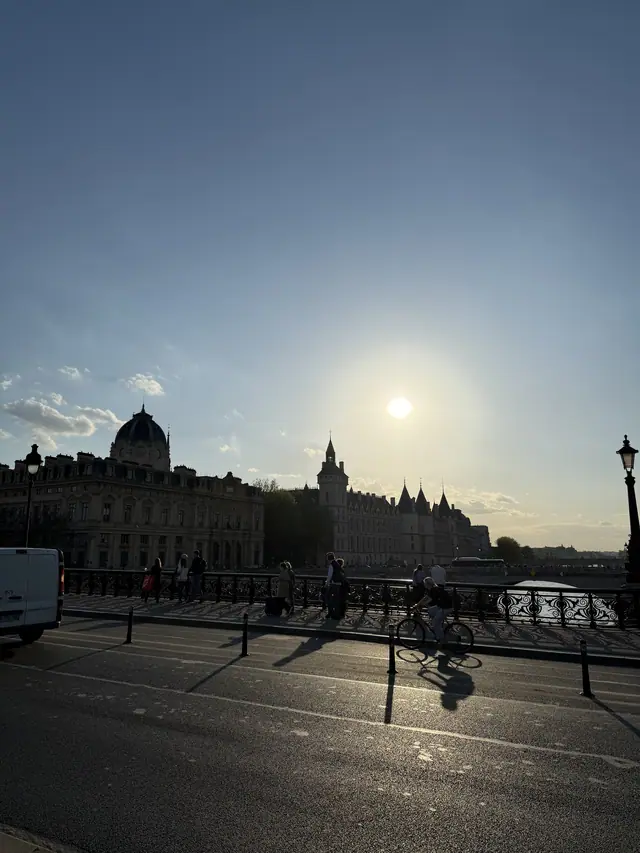
We are standing next to the Conciergerie—formerly a Paris prison—on the Île de la Cité. Find a comfortable spot on the pavement, making sure to keep the entrance clear.
-
80. The Alchemist’s Street
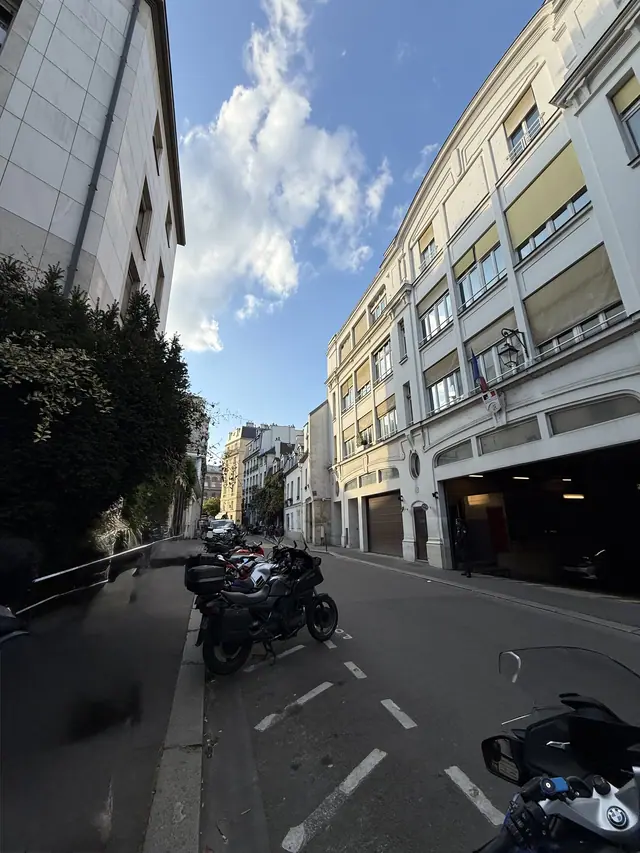
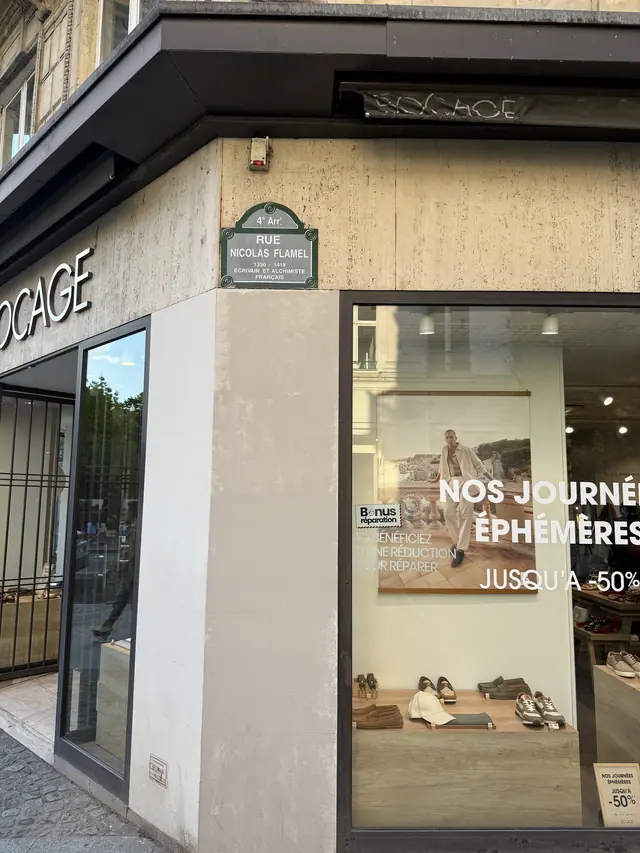
We are at the start of Nicolas Flamel Street, right next to Rivoli Street. Find a spot on the pavement where you can pause.
-
81. The Rat Window Display
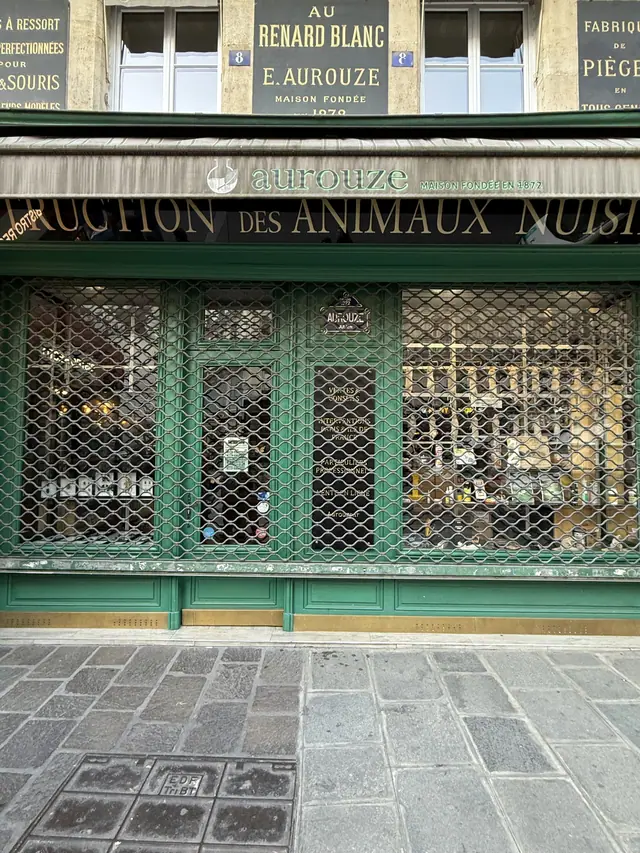
We’re standing in front of Maison Aurouze, at 8 Rue des Halles. Stop beside the shop window. The stars of the show here are the stuffed rats hanging behind the glass.
-
82. The old Cemetery of the Innocents
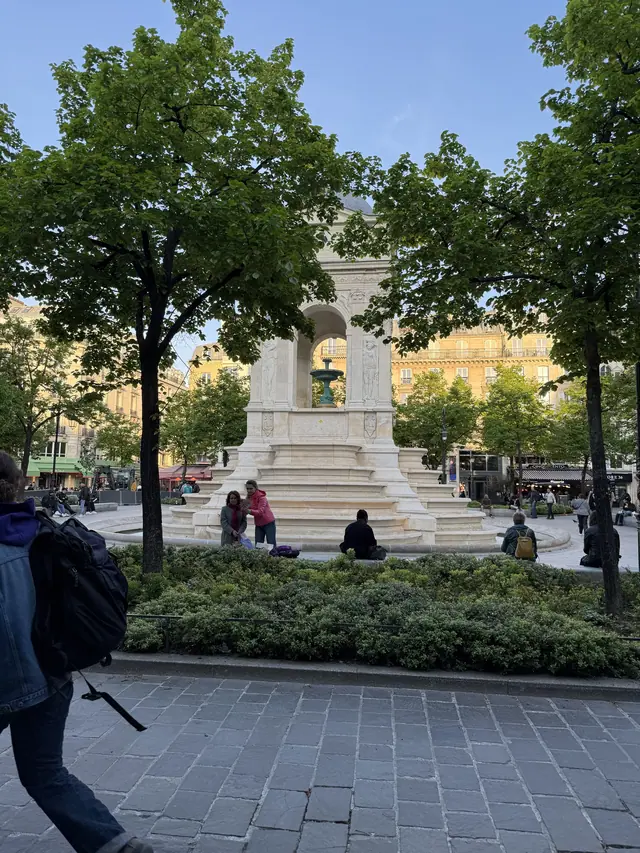
We’re standing in Joachim-du-Bellay Square, right next to the Fountain of the Innocents. Among the café terraces and the people crossing the square, it is hard to imagine what once stood here: for centuries, this was one of Paris's major cemeteries.
-
83. Church of Saint Eustace
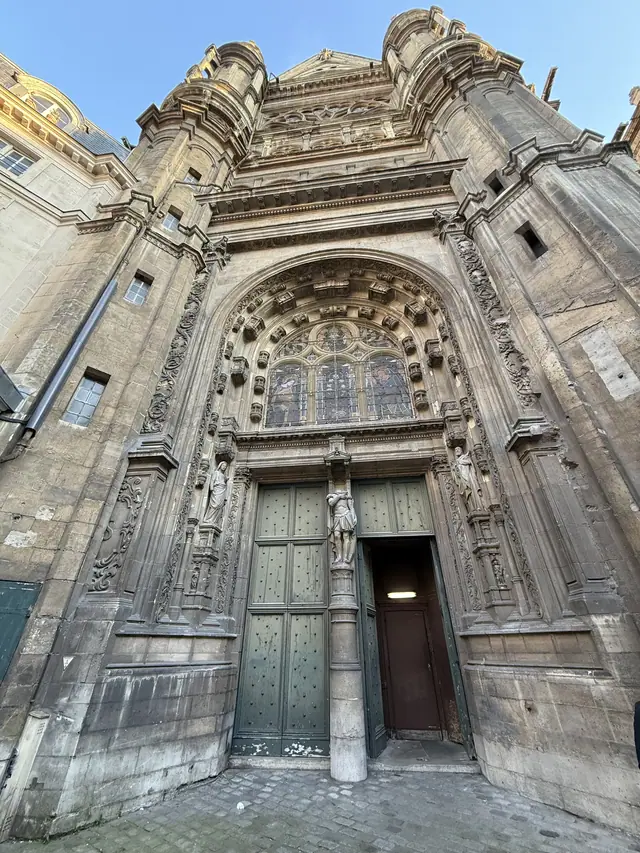
We’ve arrived at the Church of Saint Eustace, our final stop. We’re standing by the north portal, in the small alley known as Impasse Saint-Eustache. Take a look at the figure in the centre of the entrance, between the doors: you’ll notice it is missing its head.
Walking Tour of Père Lachaise Cemetery
-
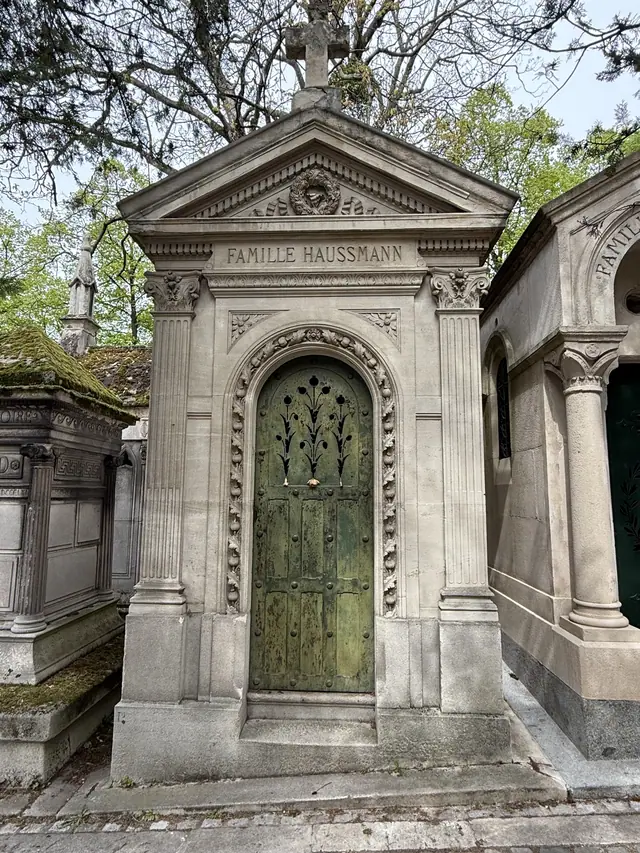
84. Baron Haussmann
This tomb might not catch your eye at first glance, but it holds the remains of one of the most influential figures in the history of Paris. This is Baron Georges-Eugène Haussmann.
-
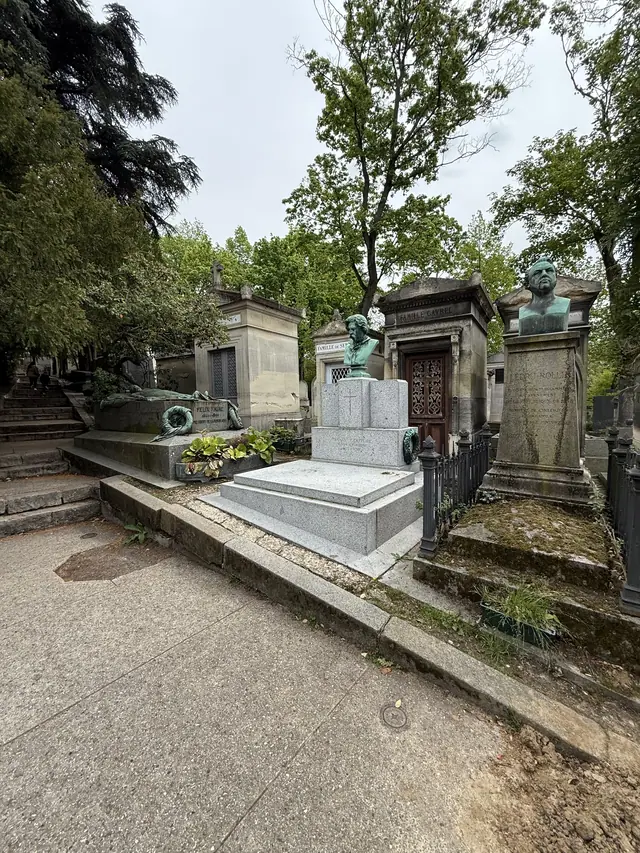
85. Three controversial figures
The tomb in front of you belongs to President Félix Faure, and if the name doesn't ring a bell, don't worry, that happens to almost everyone! But I promise you, his story has certainly stuck in people's memories.
-
86. James de Rothschild: the banker who put France on track
James de Rothschild: the banker who put France on the rails If you managed to find this tomb, congratulations.
-
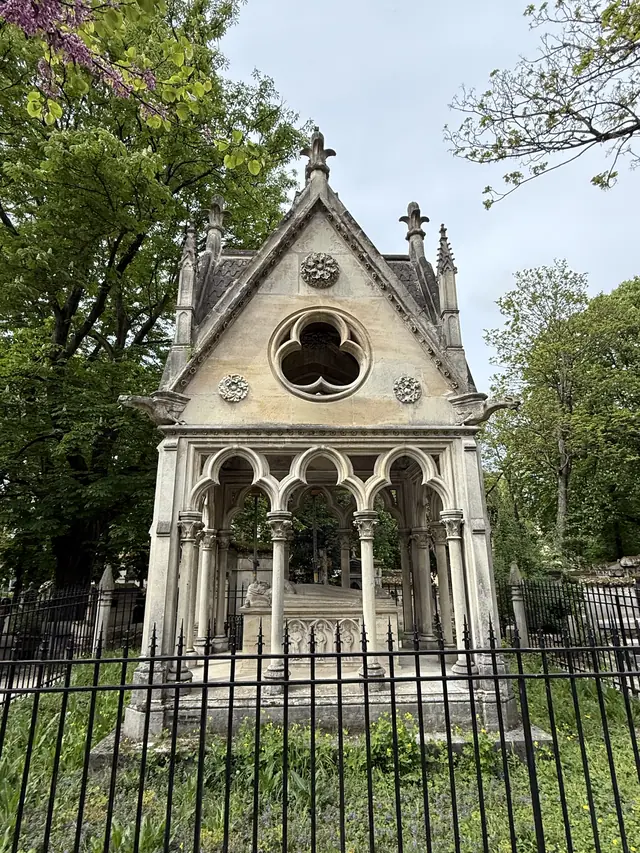
87. A forbidden love
Well, if you've made it this far, you're standing before one of the oldest and most intense stories in the entire cemetery. This monument is dedicated to forbidden love, intellectual passion and medieval tragedy.
-
88. The man who deciphered the hieroglyphs
You're standing in front of the tomb of one of history's great geniuses: the man who enabled us to read ancient Egypt for the first time in more than a thousand years. His name was Jean Champollion. Champollion was already obsessed with Egypt at the age of 11.
-
89. The statue of Casimir Périer
It’s hard to miss this monument, isn’t it? A stone monument in the middle of a roundabout in the cemetery, with reliefs, a statue and a huge, eye-catching design. And yes, it’s a tomb.
-
90. Jim Morrison
You’ve just arrived at one of the most famous and most visited graves in this cemetery. If you’re not familiar with him, Jim Morrison was the charismatic and enigmatic singer of The Doors, one of the most influential rock bands of the 1960s.
-
91. A life cut short
You’re now standing in front of a grave that moves you in a different way. It isn’t the grave of a celebrity, a politician or a famous artist. It belongs to Suzon Garrigues, a 21-year-old woman who was a victim of a terrorist attack.
-
92. Gaspard Monge
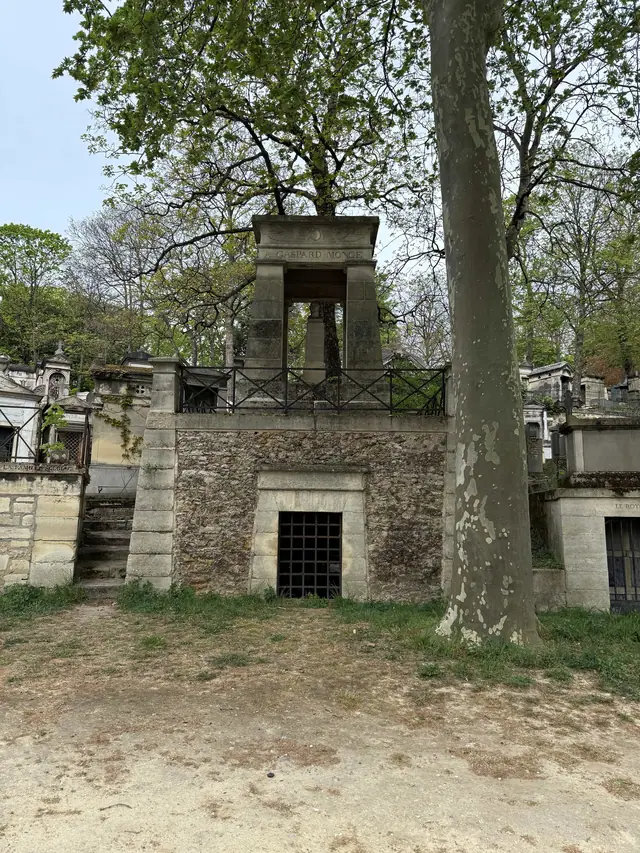
Perhaps this name isn’t so familiar outside academic circles, but his influence is immense. Gaspard Monge was a mathematician, a teacher and one of the great minds who helped build modern France. Born in 1746, he was a true mathematical prodigy.
-
93. The Photographer of the Dead
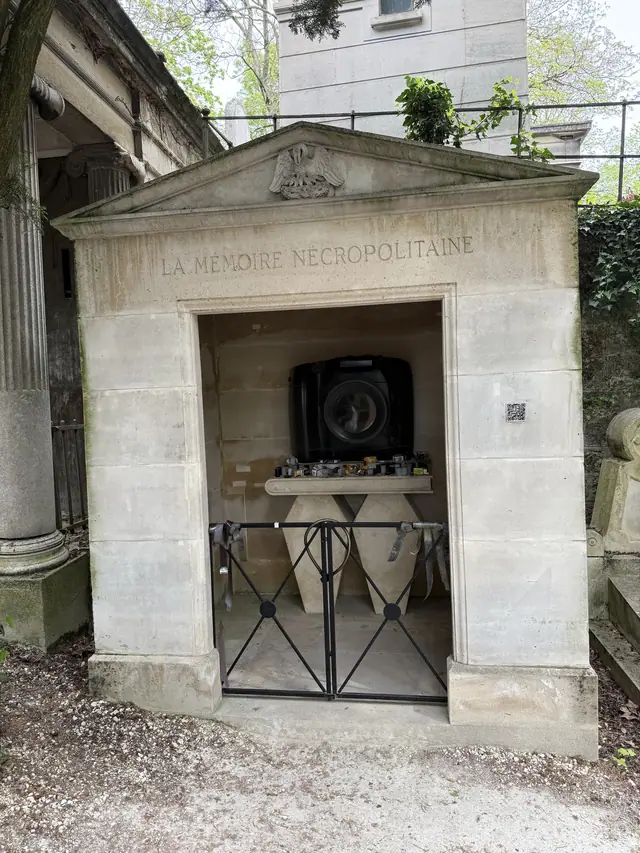
What you see in front of you isn’t a tomb in the traditional sense. It’s a funerary chapel that André Chabot restored and turned into an art installation. The inscription on the façade reads “Necropolitan Memory”.
-
94. Molière and La Fontaine
Here are the tombs of two giants of French literature: Jean-Baptiste Poquelin, better known as Molière, and Jean de La Fontaine. It might seem strange to see them together, because they wrote very different things, but they have a lot in common.
-
95. Parmentier and potatoes
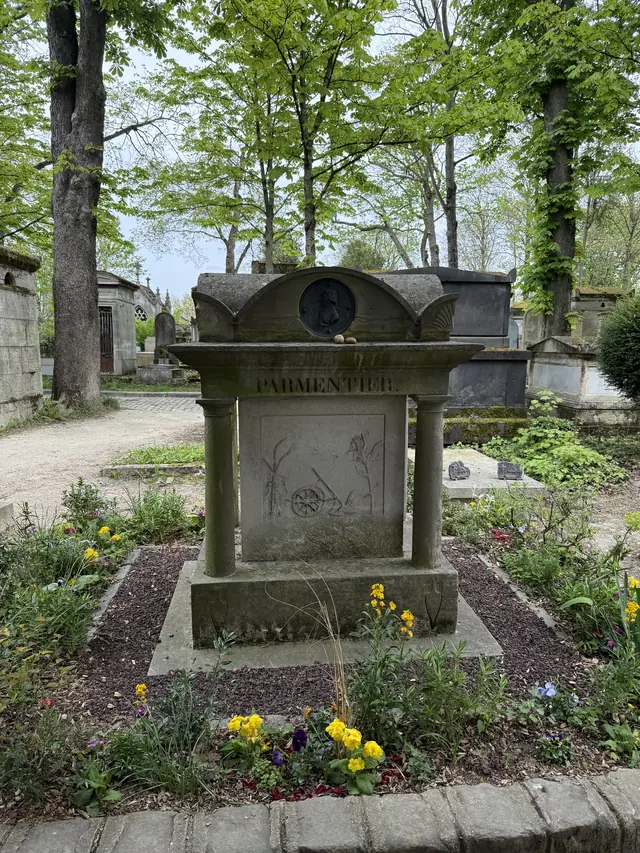
You're now standing in front of the grave of someone whose name you probably don't know as well as Molière's or Jim Morrison's, but who literally changed what the French eat. Antoine-Augustin Parmentier helped turn the potato from a food people distrusted into a staple in France.
-
96. Victor Noir
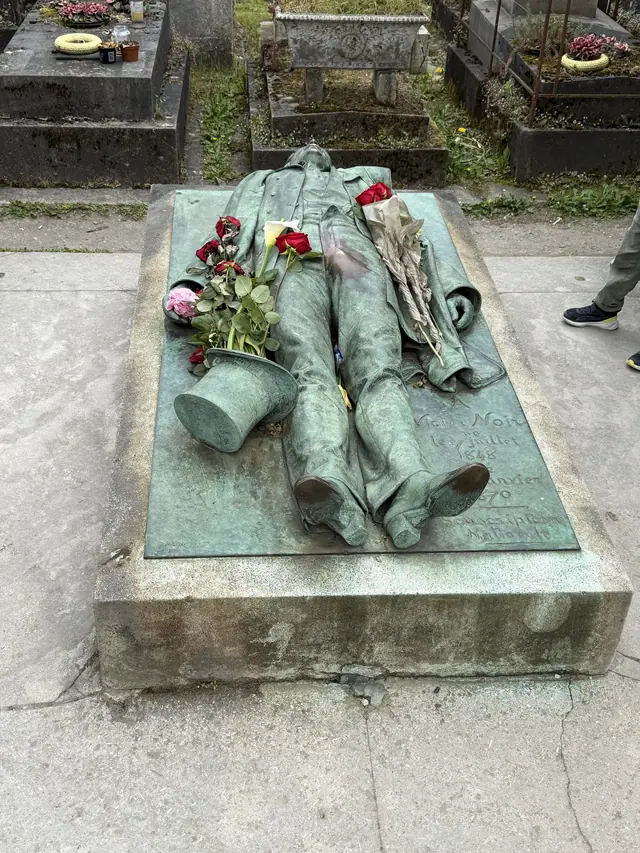
Here you have one of the cemetery's most striking and interactive tombs: that of the young Victor Noir. At first glance, it simply looks like a sculpture of a man lying on the gravestone, as if he had just fallen.
-
97. Oscar Wilde
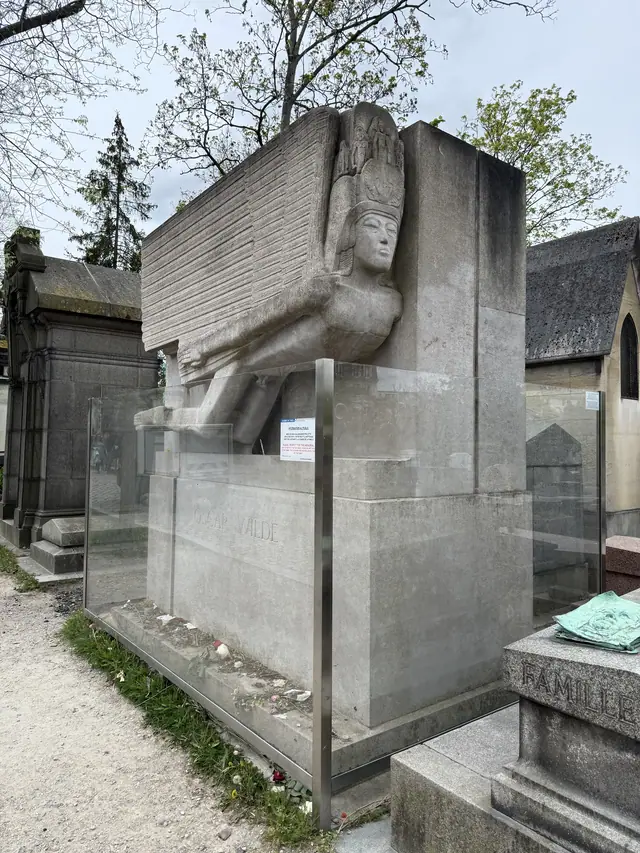
Now we move on to another unusual tomb. This one belongs to Oscar Wilde and is among the best known for the kisses it has received. If you don't know who he was, no worries: let me introduce him. Oscar Wilde was an Irish writer, poet and playwright, born in 1854.
-
98. The Père Lachaise crematorium
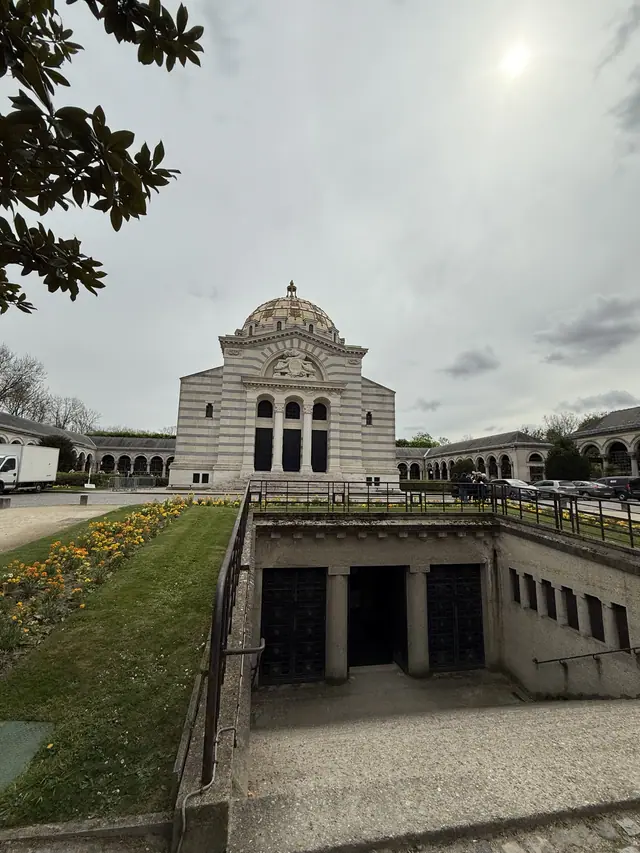
You've now reached a part of the cemetery that sometimes goes unnoticed but is essential: the crematorium and columbarium. This Neo-Byzantine building, with its dome and stained-glass windows, might remind you of a temple, but it's used for funeral ceremonies and cremation.
-
99. The man who spoke with spirits
This is one of the most mysterious tombs in this cemetery: that of Allan Kardec, the father of modern Spiritism. If you haven't heard of him, let me tell you who he was. Allan Kardec was the pen name of Hippolyte Léon Denizard Rivail, a French educator and writer born in 1804.
-
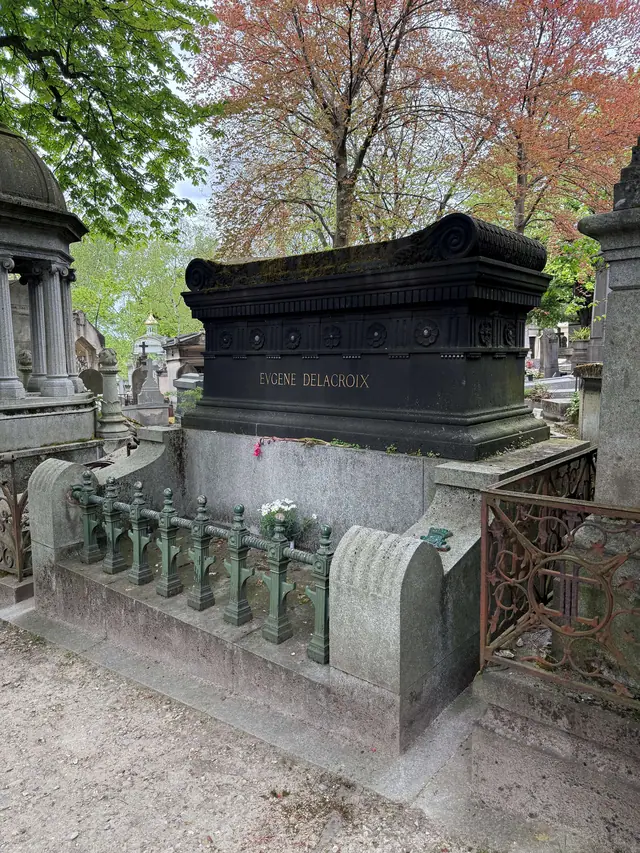
100. Eugène Delacroix
You’re standing before the tomb of one of the great geniuses of 19th-century French painting. Even if the name Eugène Delacroix doesn’t ring a bell, you might recognise one of his most famous paintings.
-
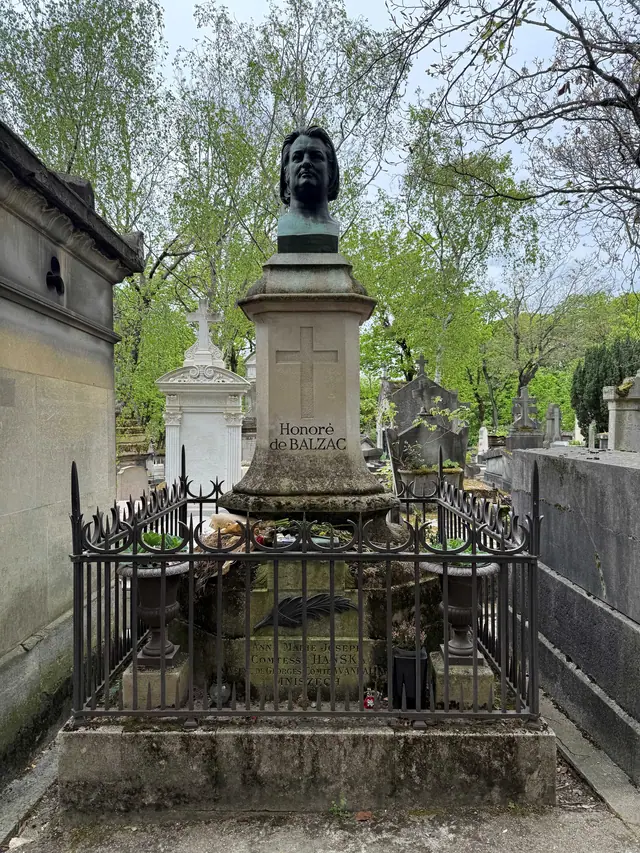
101. Honoré de Balzac
You’re now at the grave of one of France’s most important writers—a man truly obsessed with portraying society without embellishment. Balzac was born in 1799; to put it briefly, he was the great chronicler of social climbing in the 19th century.
-
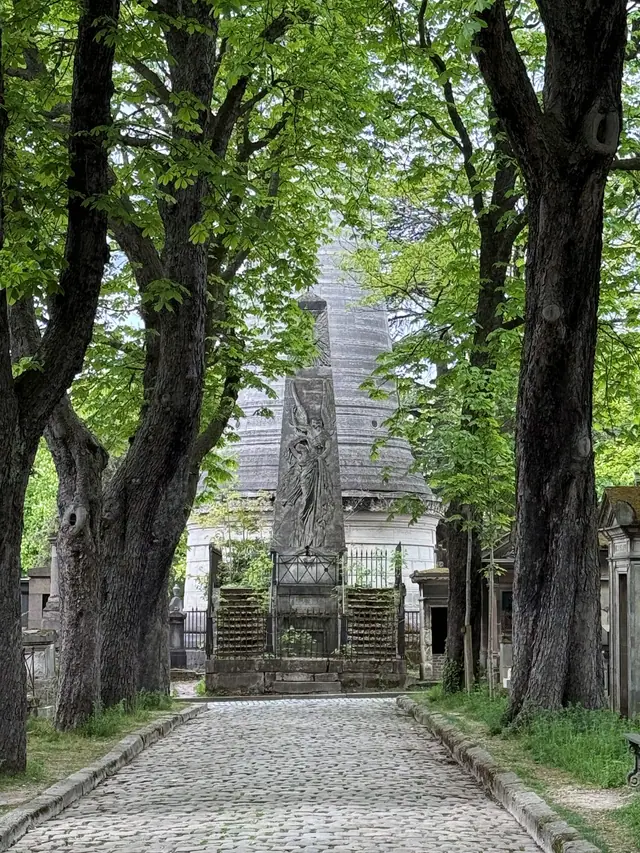
102. The tallest tomb in Père Lachaise
The tower of this tomb rises up, breaking the cemetery's skyline. It is an impressive monument belonging to Félix de Beaujour, a 19th-century French diplomat and politician.
-
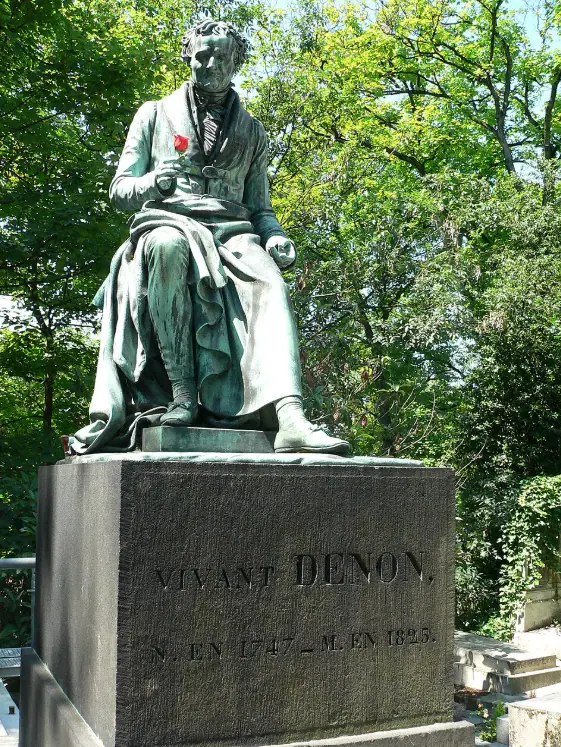
103. The first director of the Louvre Museum
The man buried here led a life that seems straight out of an adventure film. His name was Dominique Vivant Denon, though many simply know him as “Baron Denon”, and he was none other than the first director of the Louvre Museum.
-
104. Frédéric Chopin
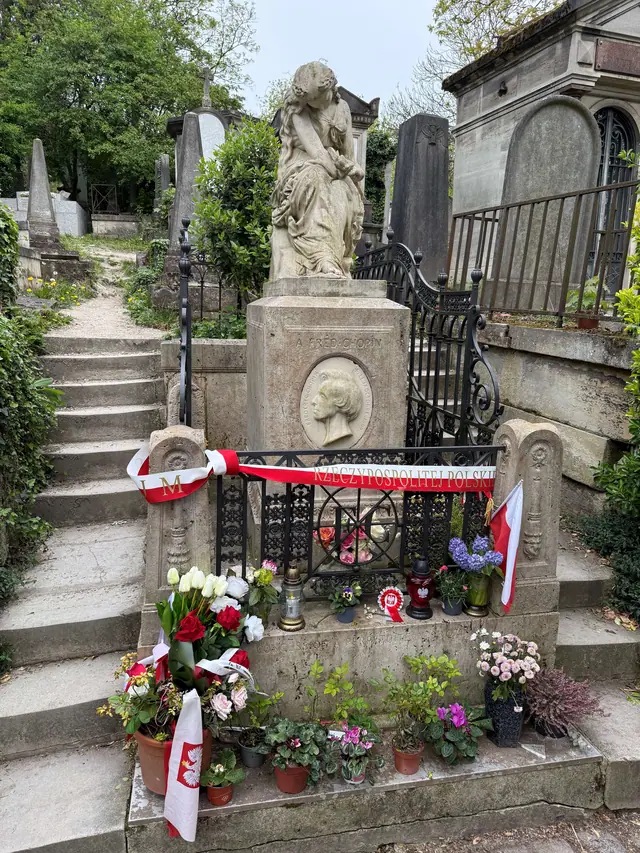
You’re standing before one of the cemetery’s most visited graves: that of Frédéric Chopin, one of the great geniuses of the piano. He was a Polish composer and pianist of the 19th century, considered one of the most delicate, melancholic and poetic musicians ever to have lived.
-
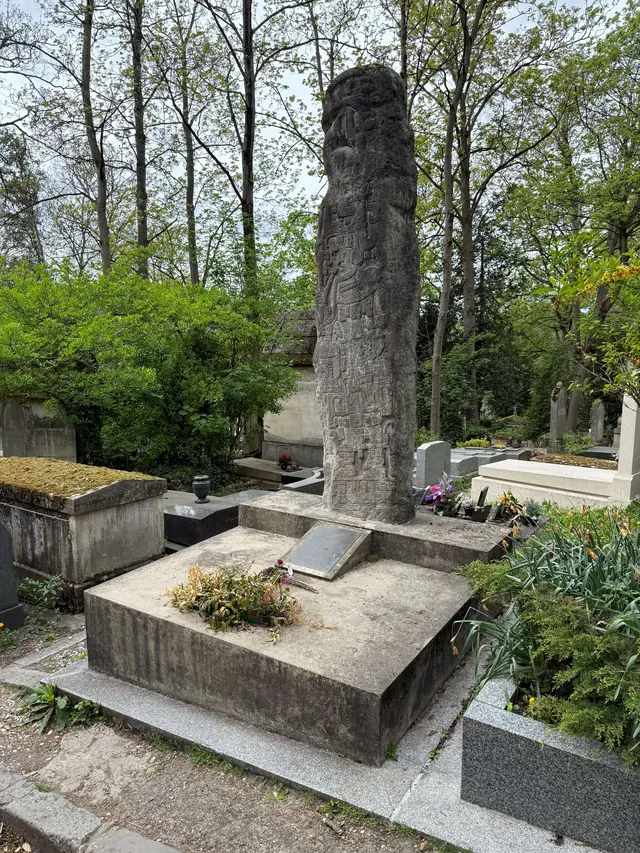
105. A Nobel Prize Winner
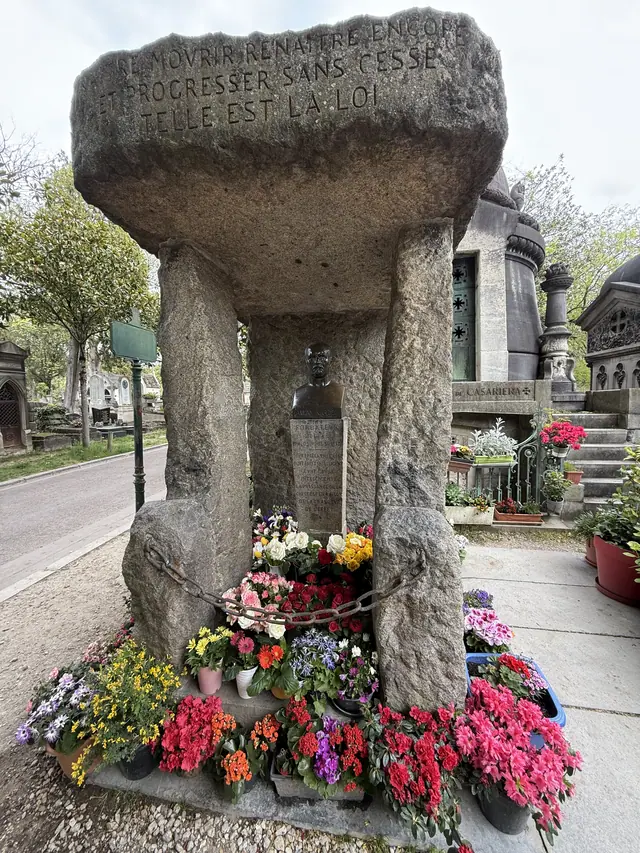
And now we’re standing in front of a very special place, both for what it represents and for its Mayan-style stela.
Walk them with the app
The 7 tours visit these places in order, with the full audio and the map. Free, with no sign-up.
-
 1 · Walking tour
Walking Tour of Père Lachaise Cemetery
-
 2 · Walking tour
Walking Tour of Le Marais and the Bastille
-
 3 · Walking tour
Latin Quarter Walking Tour
-
 4 · Walking tour
Walking Tour of Montmartre
-
 5 · Walking tour
Eiffel Tower and Arc de Triomphe Walking Tour
-
 6 · Walking tour
Paris as You’ve Never Been Told
-
 7 · Walking tour
Walking Tour: Mysteries and Legends of Paris
-
 City history
History of France and Paris