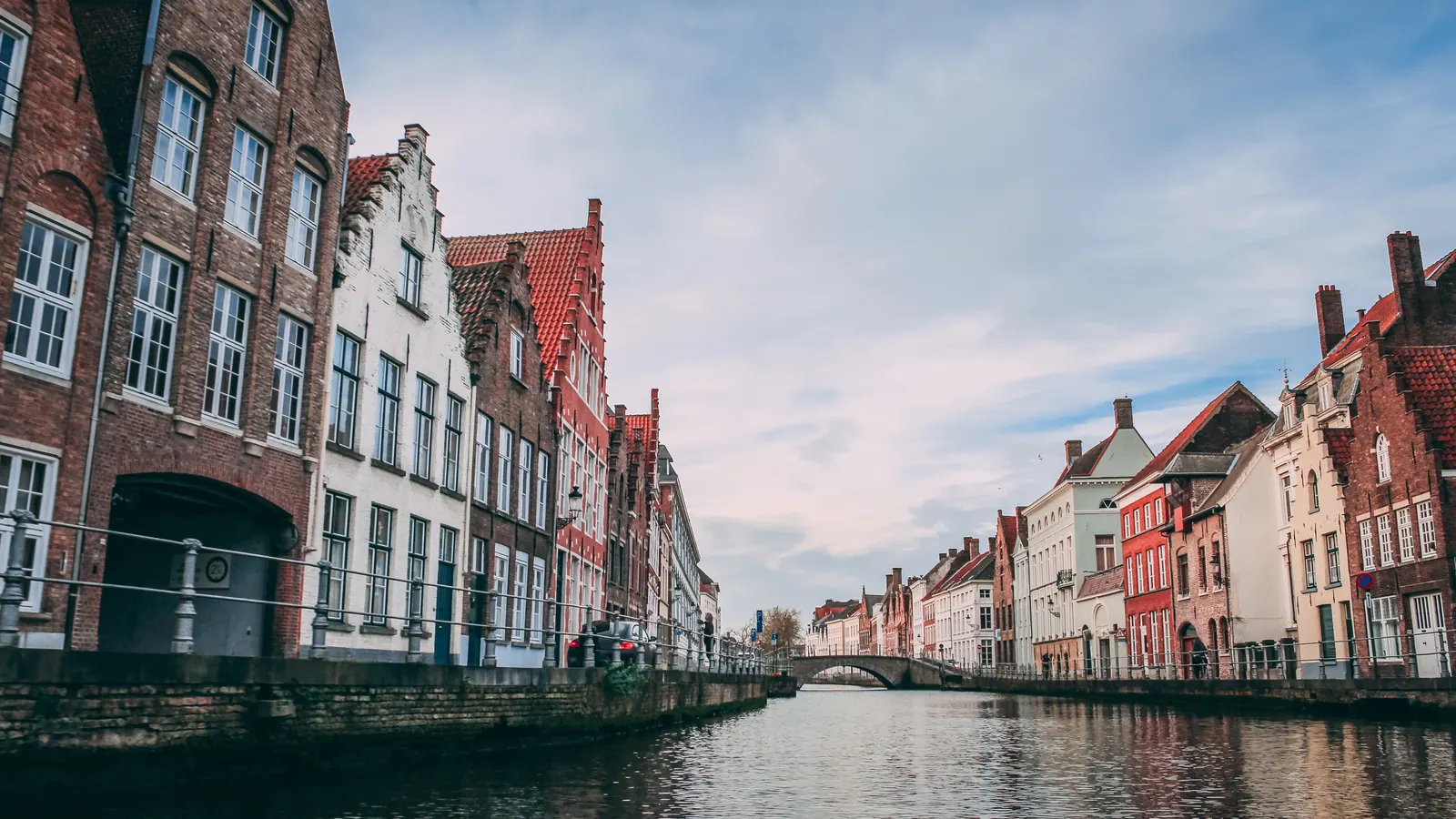
What to see in Bruges on foot
23 places with their stories, the map and free audio in 15 languages.
Updated November 2026 · 5 min read · Produced by World Tour
Bruges in a nutshell
Bruges is one of those cities that seems frozen in time, with its canals, Gothic rooftops and cobbled streets. But behind this almost fairy-tale beauty lies a rich, complex history, deeply linked to power and trade for centuries. Its origins date back to Roman times, when the region served as a defensive post and crossing point between the northern and southern routes.
The places on the map
Each number is the place’s number in the list.
Bruges Walking Tour: Burg Square
-
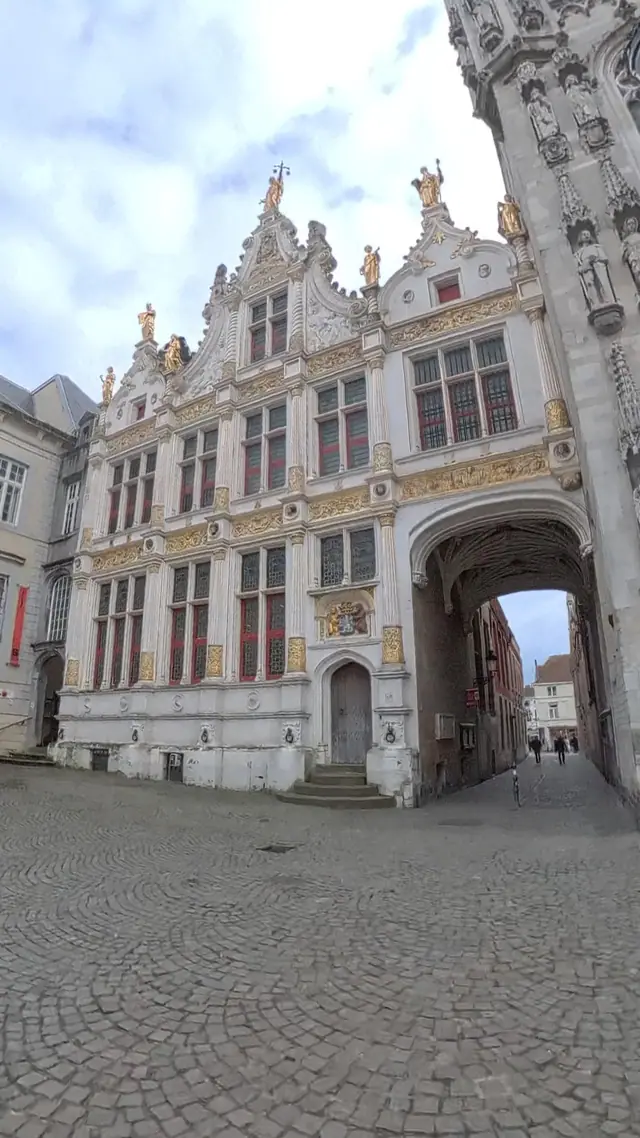
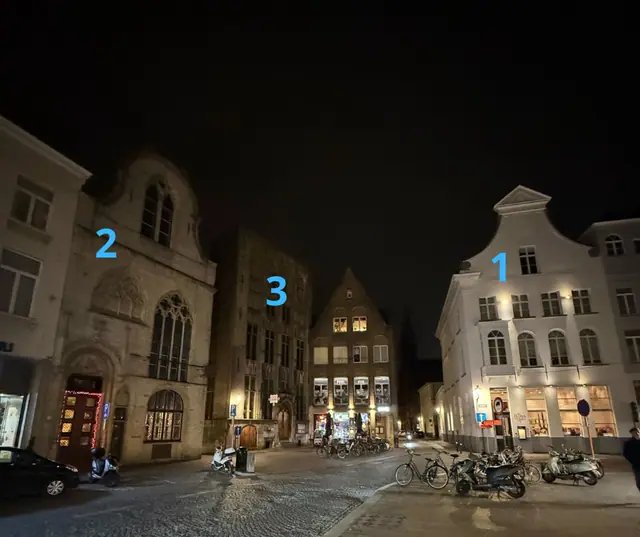
1. Burg Square
We are now in Burg Square. What makes this place special, apart from all the architectural wonders you’ll see, is that this is where Baldwin arrived to drive out the Vikings and build his fortress.
-
2. The Guild Houses
In the Middle Ages, guilds were like today’s trade unions and co-operatives, but with more power. They were associations of craftsmen and merchants who regulated their trades, ensured the quality of their work, trained apprentices and supported one another.
-
3. House of Spain
During the Middle Ages, Spain was a major producer of raw materials and had trade routes and political connections that facilitated trade throughout Europe. Spanish merchants, particularly those from Burgos, played an important role in Bruges’ trade.
-
4. The Dijver Promenade
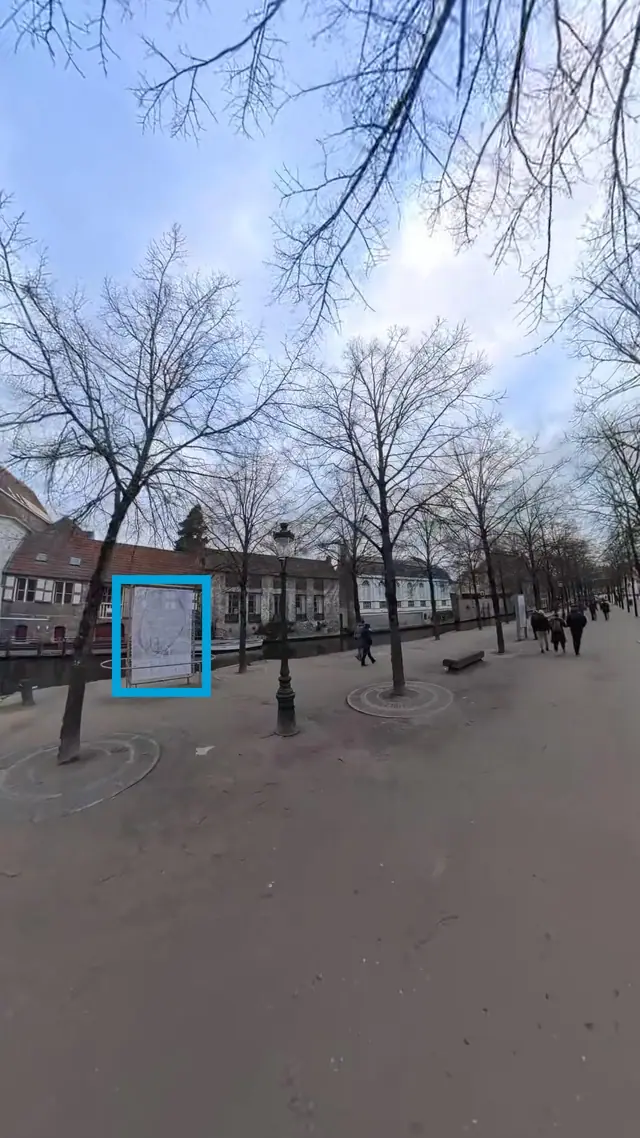
We are standing by the Dijver, one of the most pleasant spots in Bruges. Its name is linked to an ancient Celtic word meaning ‘sacred water’ and is thought to be, possibly, one of the oldest place names in the city.
-
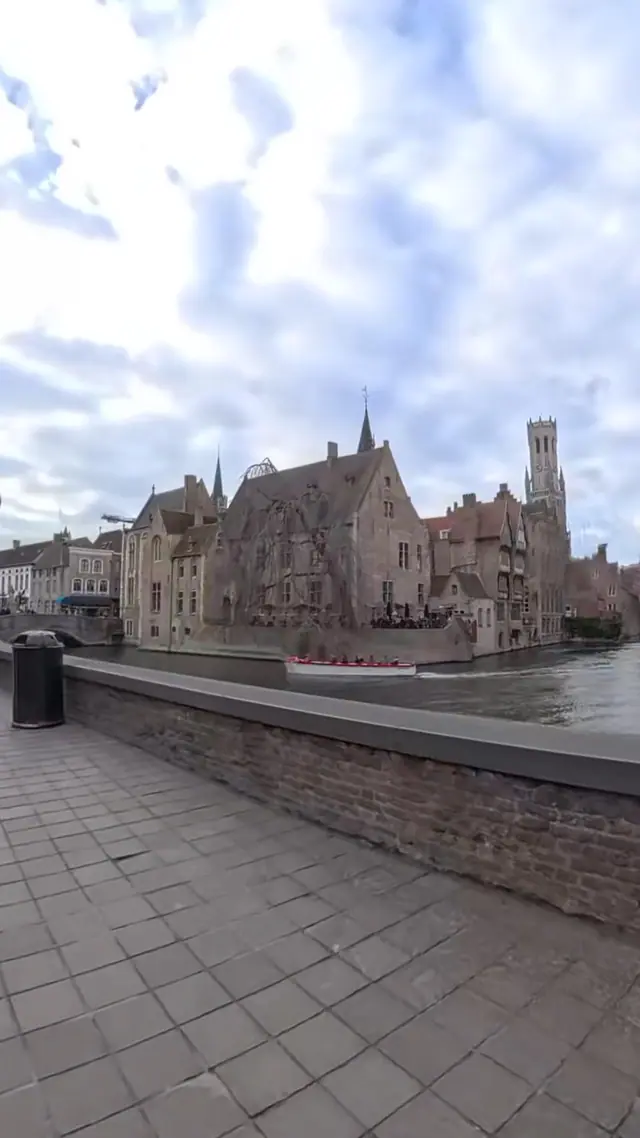
5. The Bridge of Love
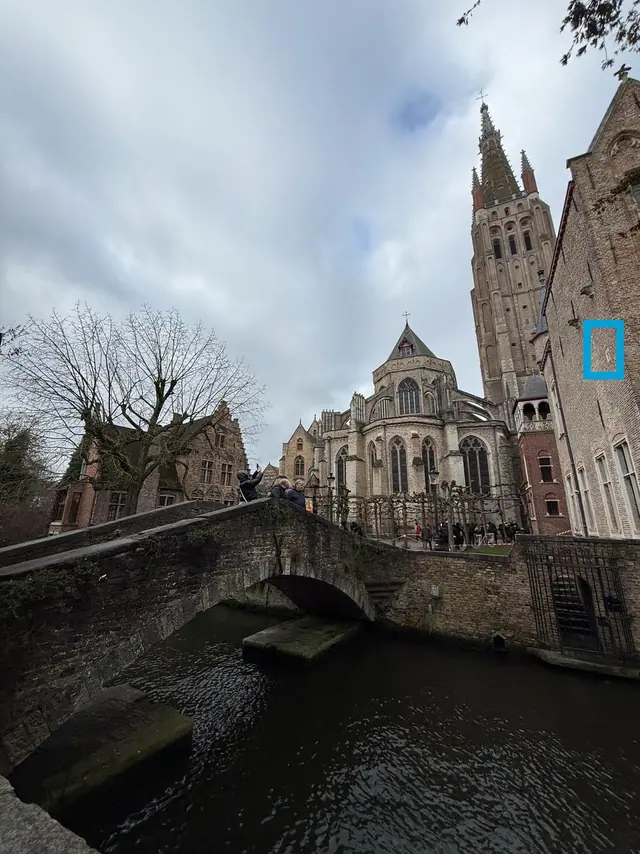
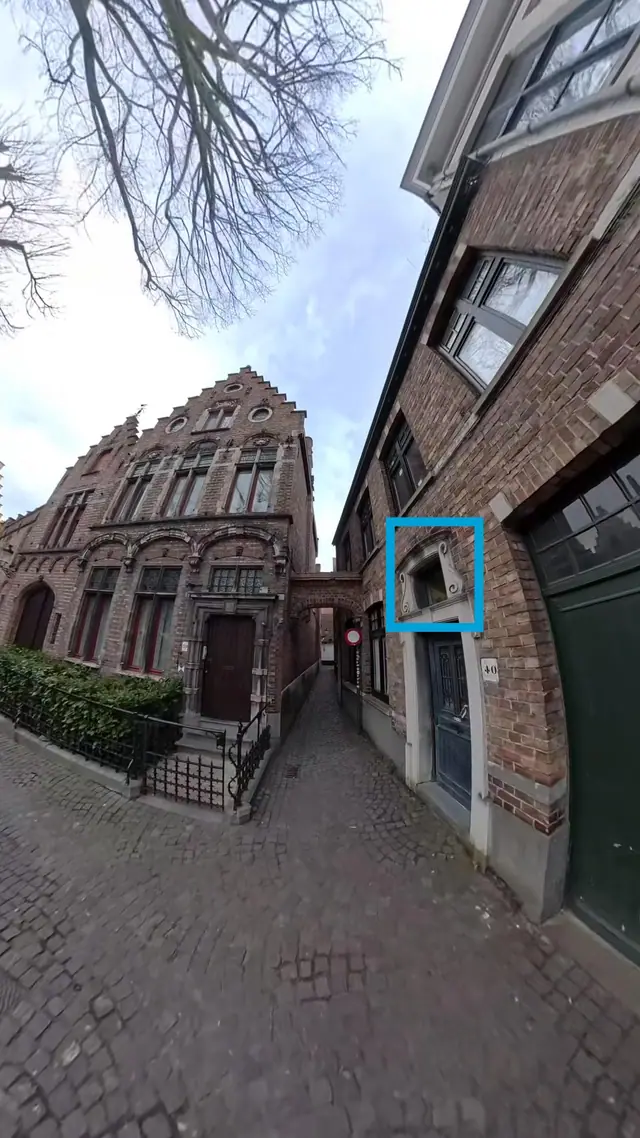
There are two interesting things to notice at this corner. The first is Gruuthuse Palace, whose façade has a surprisingly small window. The building belonged to the powerful family of the Lords of Gruuthuse.
-
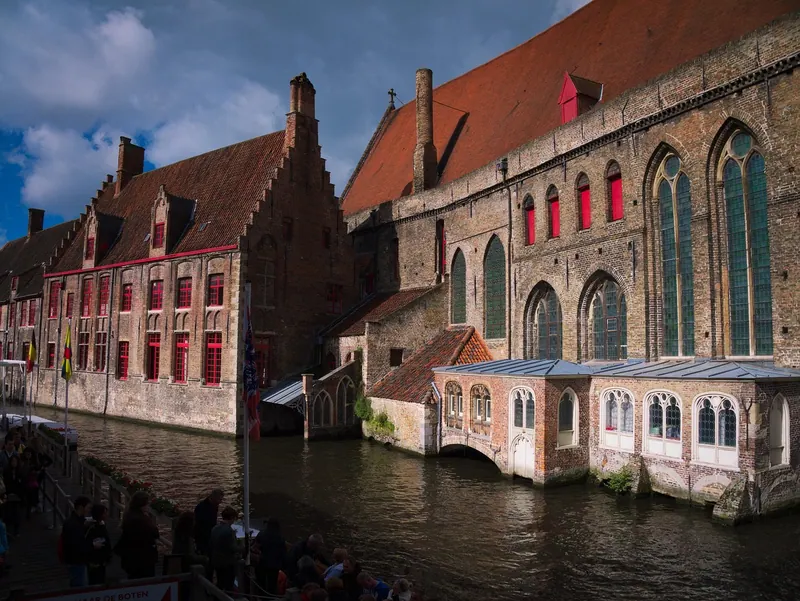
6. St John's Hospital
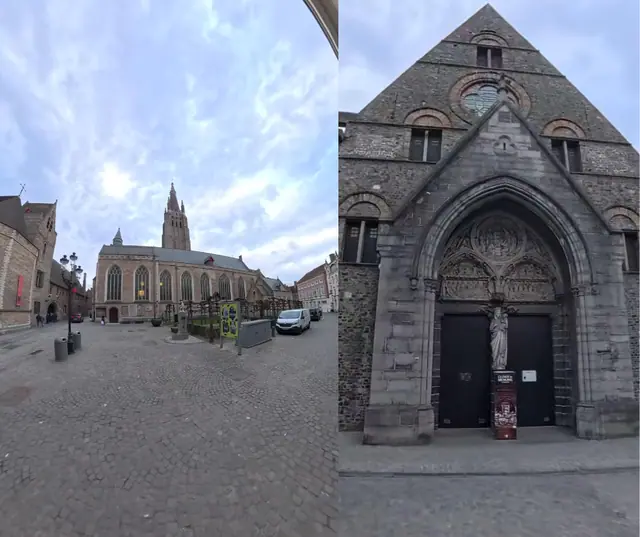
We are standing in front of one of the oldest and best-preserved hospital buildings in Europe. Although it resembles a church, St John's Hospital was founded around 1150 as a place of hospitality.
-
7. Chocolate
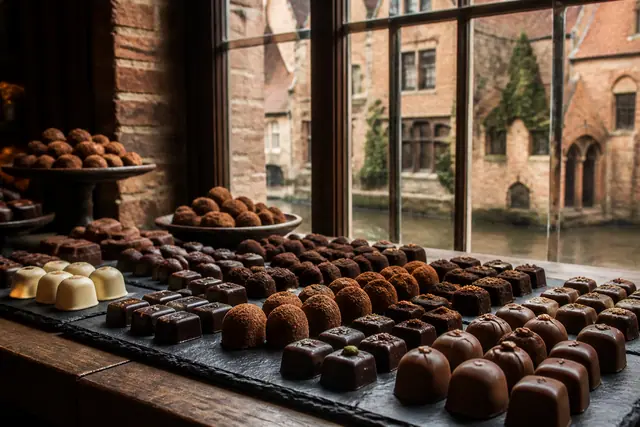
As we walk along this charming street lined with chocolate shops, I would like to tell you about the relationship between Bruges and chocolate. It all began in the 16th century, when the Spanish brought to Europe the cocoa they obtained in Latin America.
-
8. The Public Baths
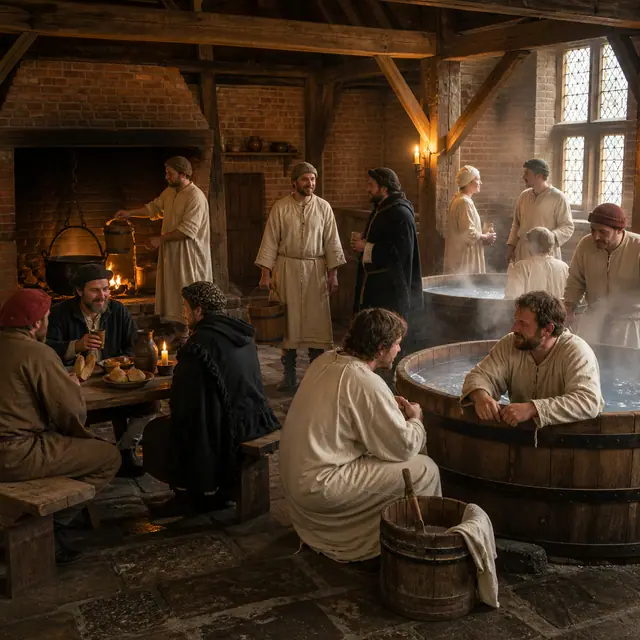
You are now in Stoofstraat, an alley so narrow that you could almost walk straight past without noticing it. Its name preserves the memory of the old stoven, the bathhouses that once formed part of everyday life in Bruges.
-
9. The Swans
The alley you are about to cross was not always an innocent corner of the city. In medieval times, it was at the heart of vice and nightlife in Bruges. As in any port city filled with merchants and travellers, prostitution was part of the scene.
-
10. Walplein and De Halve Maan Brewery
We are in a part of Bruges brimming with curiosities and history. The name comes from the Dutch word ‘wal’, meaning rampart or fortification. In the Middle Ages, Bruges was surrounded by a wall to protect the city, and this area was home to one of the most important gateways.
-
11. The Beguines
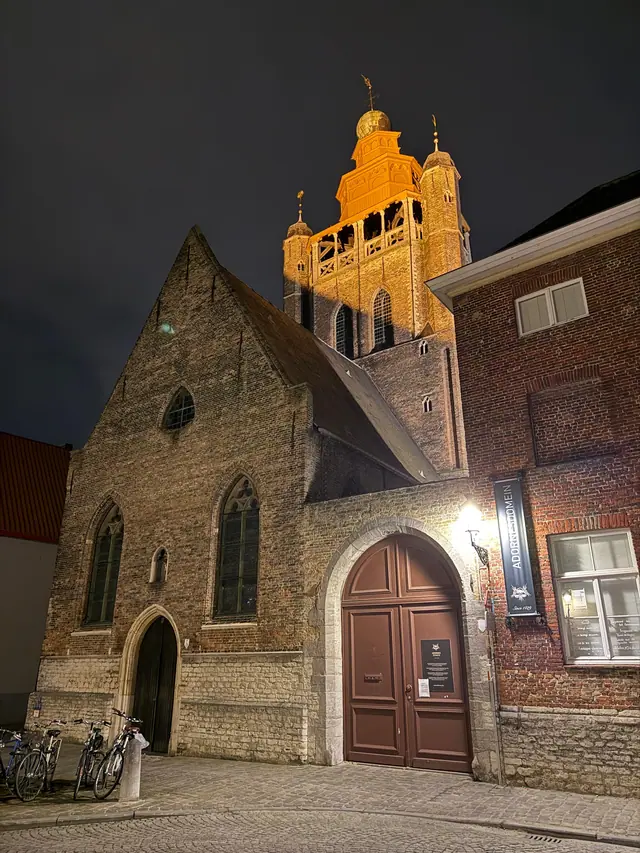
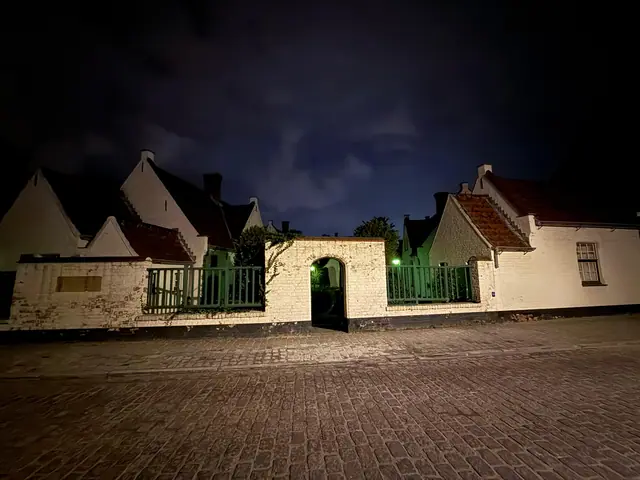
We have now reached our final stop; if the gate is open, step through calmly and discover one of the most peaceful corners of Bruges. This complex, known as the Vineyard Convent, feels like a small town within the city.
Bruges Mysteries and Legends Walking Tour
-
12. The medieval stock exchange
its mysteries and legends. On this tour, you’ll walk for about an hour and a half in total as you explore the lesser-known parts of the city centre. This isn’t your typical sightseeing tour. During the day, most people visit the best-known and busiest places.
-
13. Jan van Eyck Square
You are standing in one of the most important places in medieval Bruges. This is Jan van Eyck Square, known as the medieval Manhattan because it was once the centre of Bruges' international trade, just as Manhattan is a global financial and commercial centre today.
-
14. The haunted house
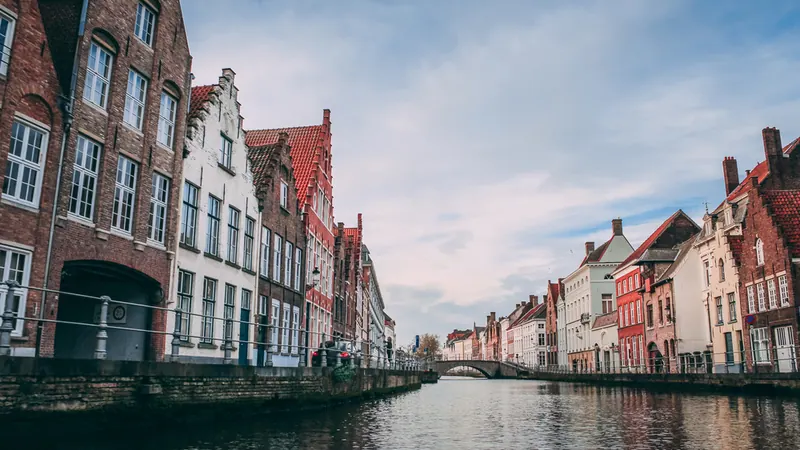
Bruges looks like something out of a fairy tale, with canals winding their way between medieval houses and stone bridges. However, what many people don’t realise is that the water which gives the city its charm has also been one of its greatest concerns.
-
15. The legend of the eel
This canal is called the Canal de la Mano Dorada, and behind it lies a story steeped in superstition. In the Middle Ages, people did not have much scientific knowledge to explain what was happening around them. For them, everything came down to God and the devil.
-
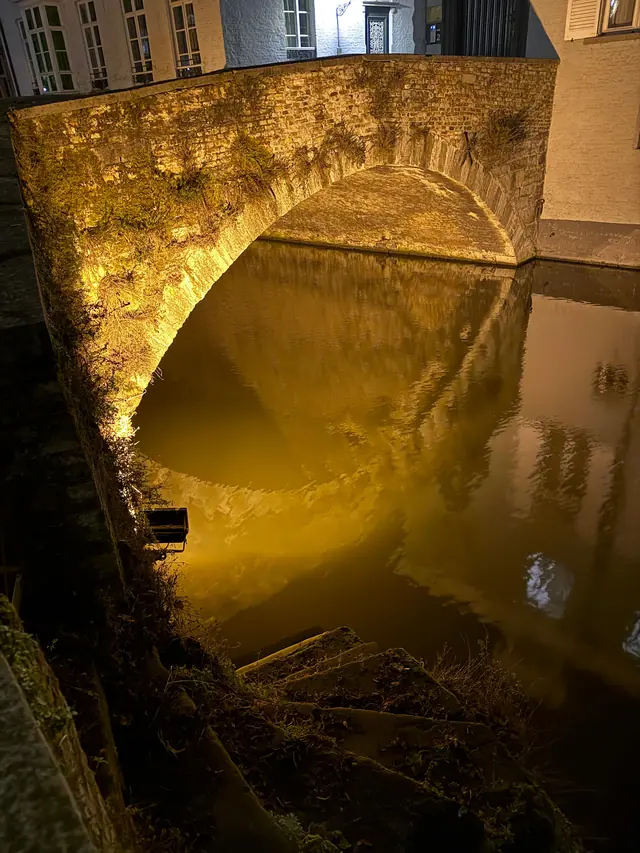
16. Details on the Golden Hand Bridge
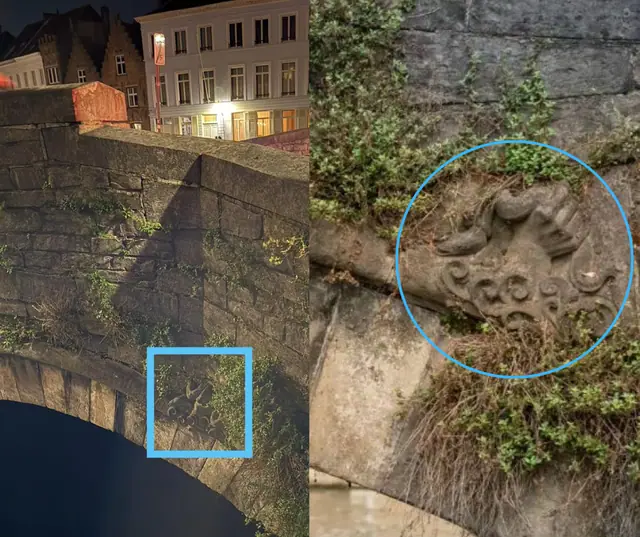
Look beneath the arch of the bridge, towards the inside of the canal. If you look closely, you will see a sculpture of a hand emerging from the water and gripping an eel. But be careful:
-
17. The Pink House
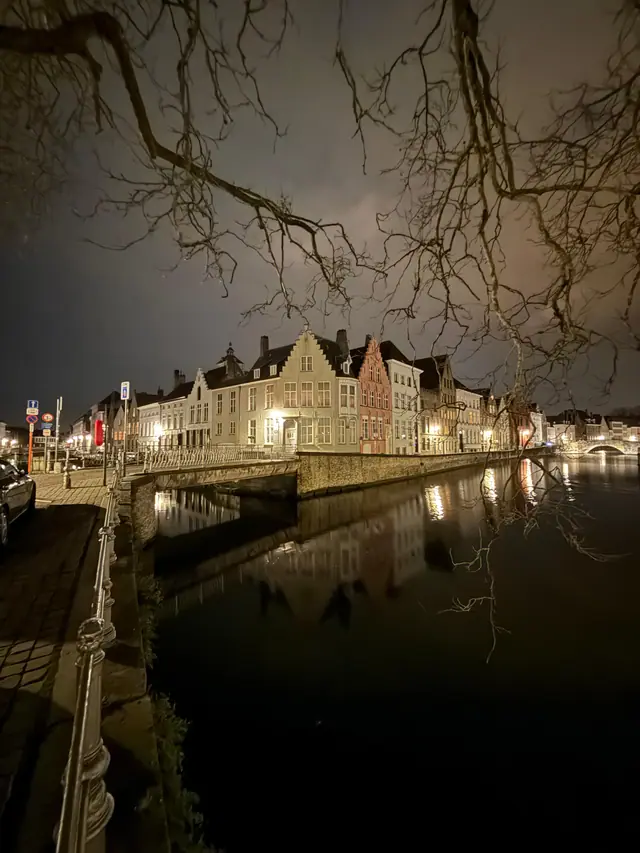
You’re standing by the Santa Ana canal, a less touristy corner of the city, perfect for immersing yourself in another of Bruges’ legends. Take a look at the pink house in front of you. They say that many years ago, an elderly woman who loved music lived there.
-
18. Café Vlissinghe
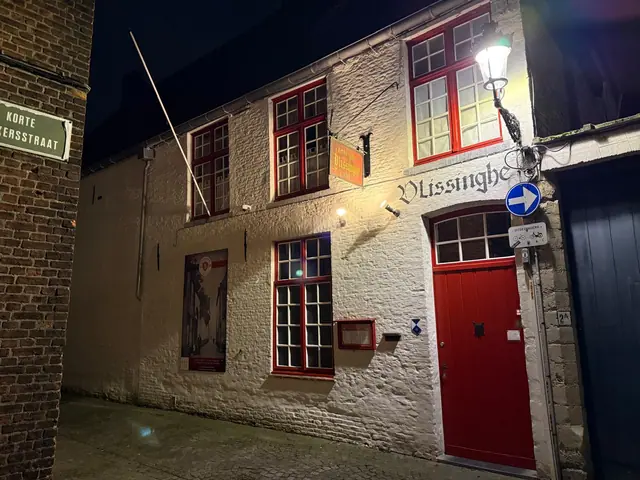
This bar here on the right is one of the oldest in the city. It’s amazing that it’s still in business today. If you look at the top of the façade, you’ll see its name: Vlissinghe. Just below that is a date: 1515.
-
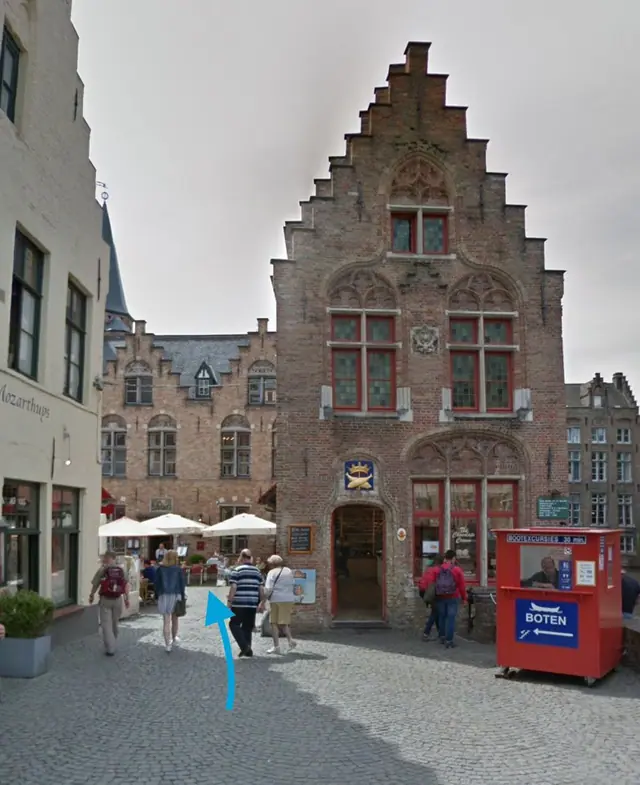
19. The boot scrapers
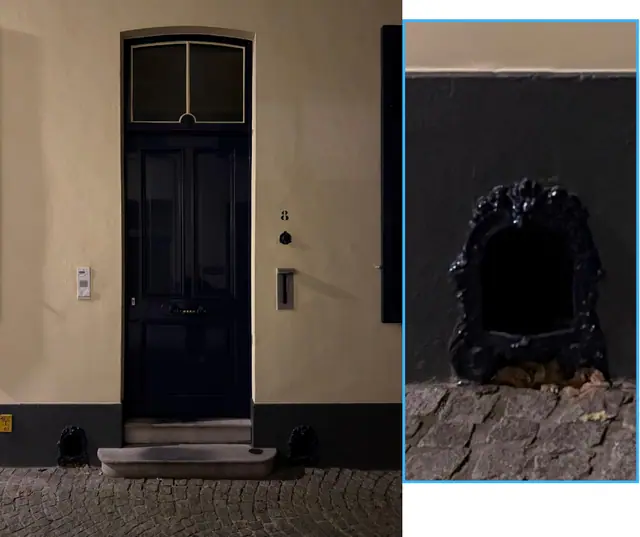
In the Middle Ages, the streets of Bruges and many other European cities were not paved as they are today, but were made of earth and mud. Imagine the mess, especially when it rained.
-
20. The Jerusalem Church
Take a look at this building. It is inspired by the Church of the Holy Sepulchre in Jerusalem, the place where, according to Christian tradition, Jesus was buried and rose again. What’s interesting is how this idea found its way all the way here to Bruges.
-
21. The Houses of God
Before we reach the first windmill, stop here for a moment. Can you see these houses lined up around the courtyard? They are the Houses of God, or Houses of Charity, and they have a fascinating history.
-
22. The windmills
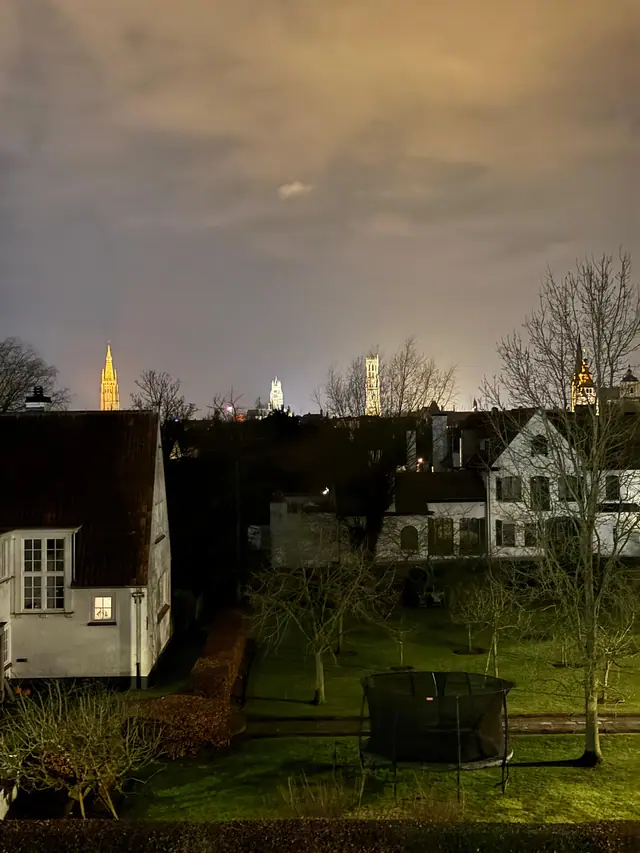
We have reached the highest point in Bruges. This is where the skiers launch themselves! Only joking. If you have already climbed up to the windmill, enjoy the incredible view over the city. Take a look at the Bruges skyline. From here, you can see three iconic towers.
Bruges Walking Tour from the Car Park
-
23. Merchant’s House
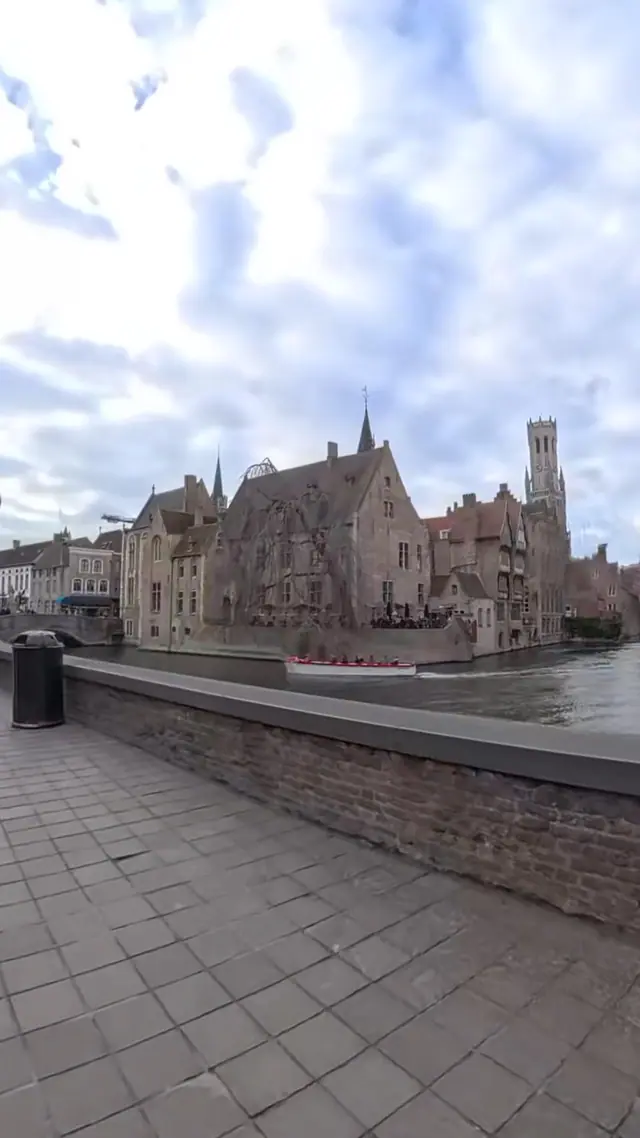
Take a look at the elegant house on the corner of Wollestraat, right on the edge of the canal. Its official name is Casa Pérez de Malvenda. It is a stately home in the late Gothic style, built between the 15th and 16th centuries.
Walk them with the app
The 3 tours visit these places in order, with the full audio and the map. Free, with no sign-up.