What to see in Sofia on foot
23 places with their stories, the map and free audio in 15 languages.
Updated November 2026 · 5 min read · Produced by World Tour
Sofia in a nutshell
Well, if you ask me what's special about Sofia, I'd say much more than meets the eye. It's not a monumental capital city, nor is it particularly touristy, but if you take a moment to listen to its history, you'll be surprised. First, it's important to mention that Sofia is one of the oldest capitals in Europe. There are remains of human settlements here dating back more than 7,000 years. People were already living here when the first pyramids were being built in Egypt.
The places on the map
Each number is the place’s number in the list.
Sofia walking tour
-
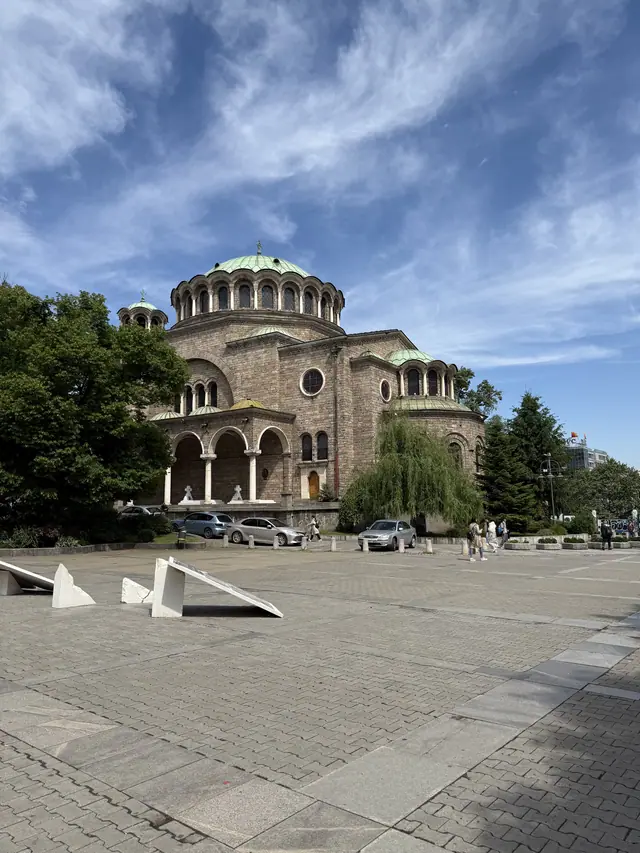
1. Saint Nedelya Cathedral
From this point, you can see one of Sofia's most iconic churches, Saint Nedelya Cathedral, or Saint Dominic.
-
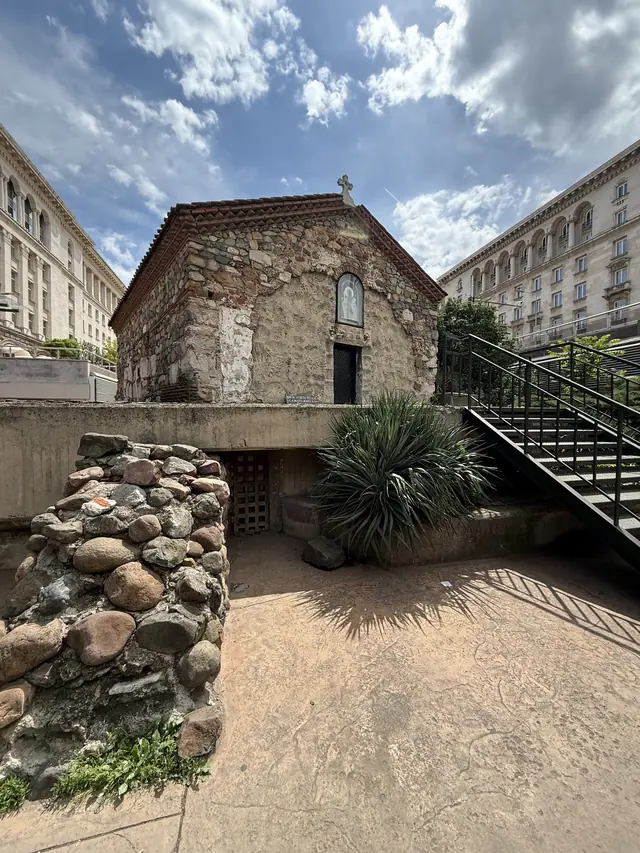
2. The Church of Sveta Petka
We now find ourselves in front of one of the most symbolic corners of Sofia. The Church of Sveta Petka Samardzhiyska, a small Orthodox temple built in the 14th century, in the middle of the medieval period.
-
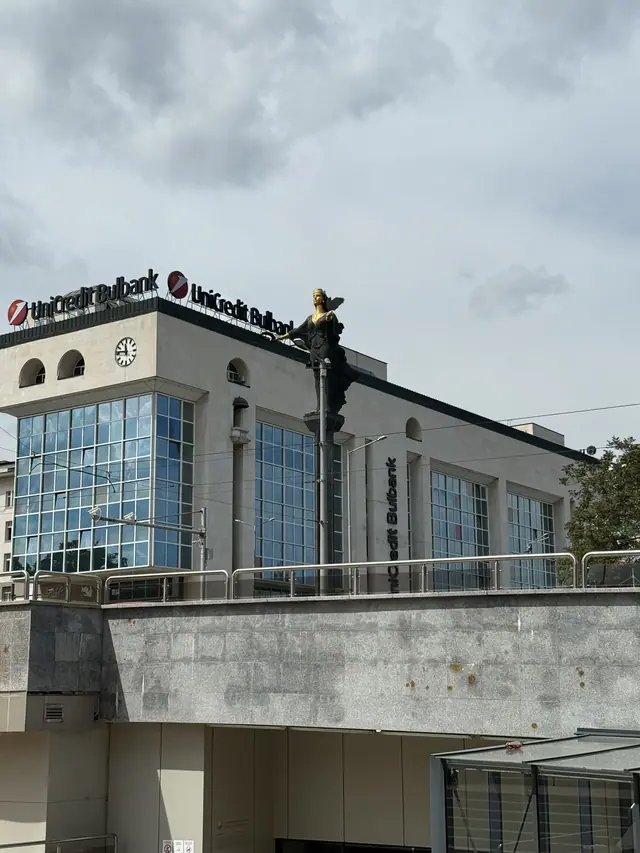
3. The statue of Saint Sophia
Here we stop to look at one of the most visible and also most controversial monuments in the city, the statue of Saint Sophia, which can be seen in the background at the top. Many visitors think that the city owes its name to this figure. But this is not the case.
-
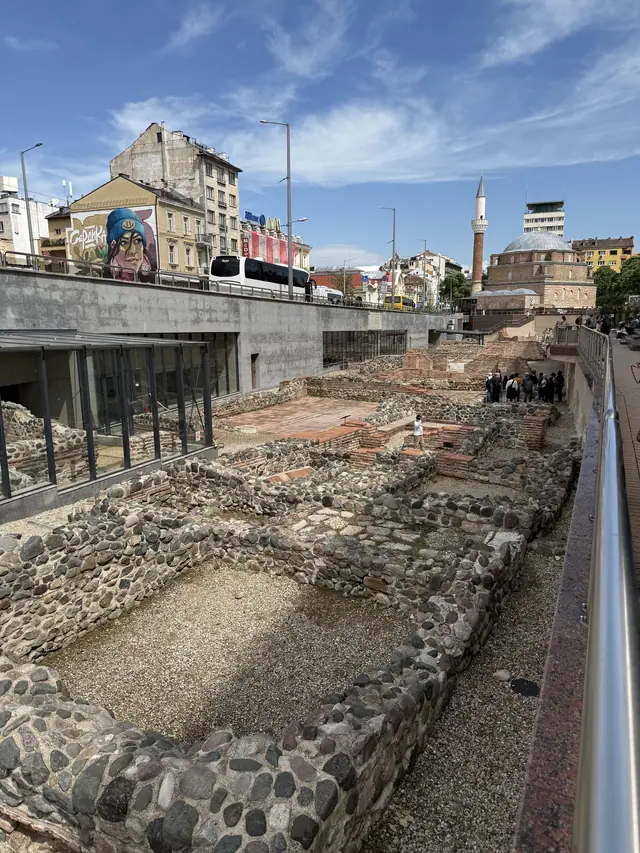
4. Ancient Roman Serdica
Here we are in one of the most fascinating corners of Sofia, the archaeological heart of the ancient Roman city of Serdica. What we see around us are remains dating back to the 2nd century AD, when this city was part of the vast Roman Empire.
-
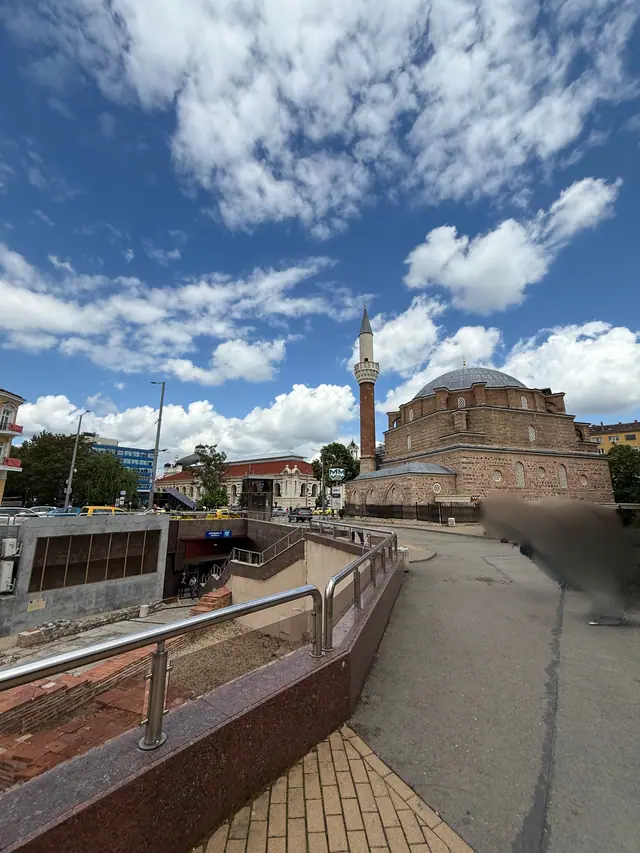
5. The Banya Bashi Mosque
From this point, we can see the Banya Bashi Mosque, built in 1566 when Bulgaria was still under Ottoman rule.
-
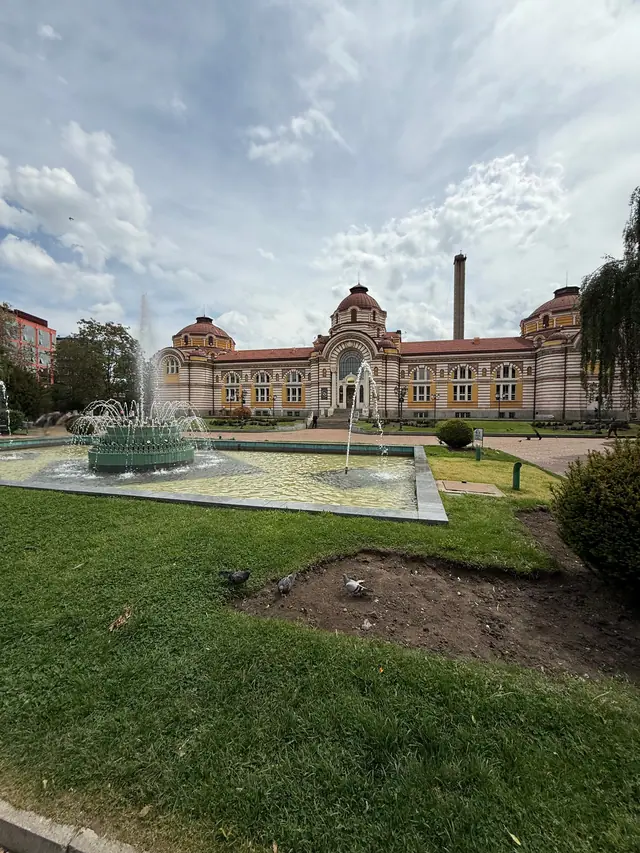
6. The Mineral Baths of Sofia
And now we find ourselves in front of one of the most beautiful and symbolic buildings in the centre of Sofia, the Central Mineral Baths.
-
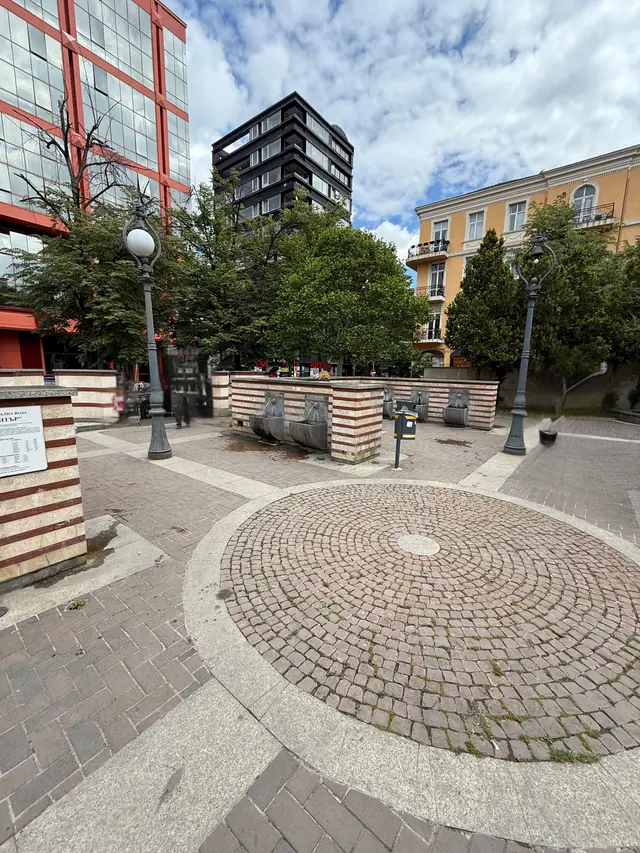
7. Sofia's Fountain of Youth
Here we are in front of one of the city's best-known hot springs. Come and touch the water, which is around 104° Fahrenheit, a surprisingly pleasant temperature. This hot water flows naturally from deep underground and is rich in minerals.
-
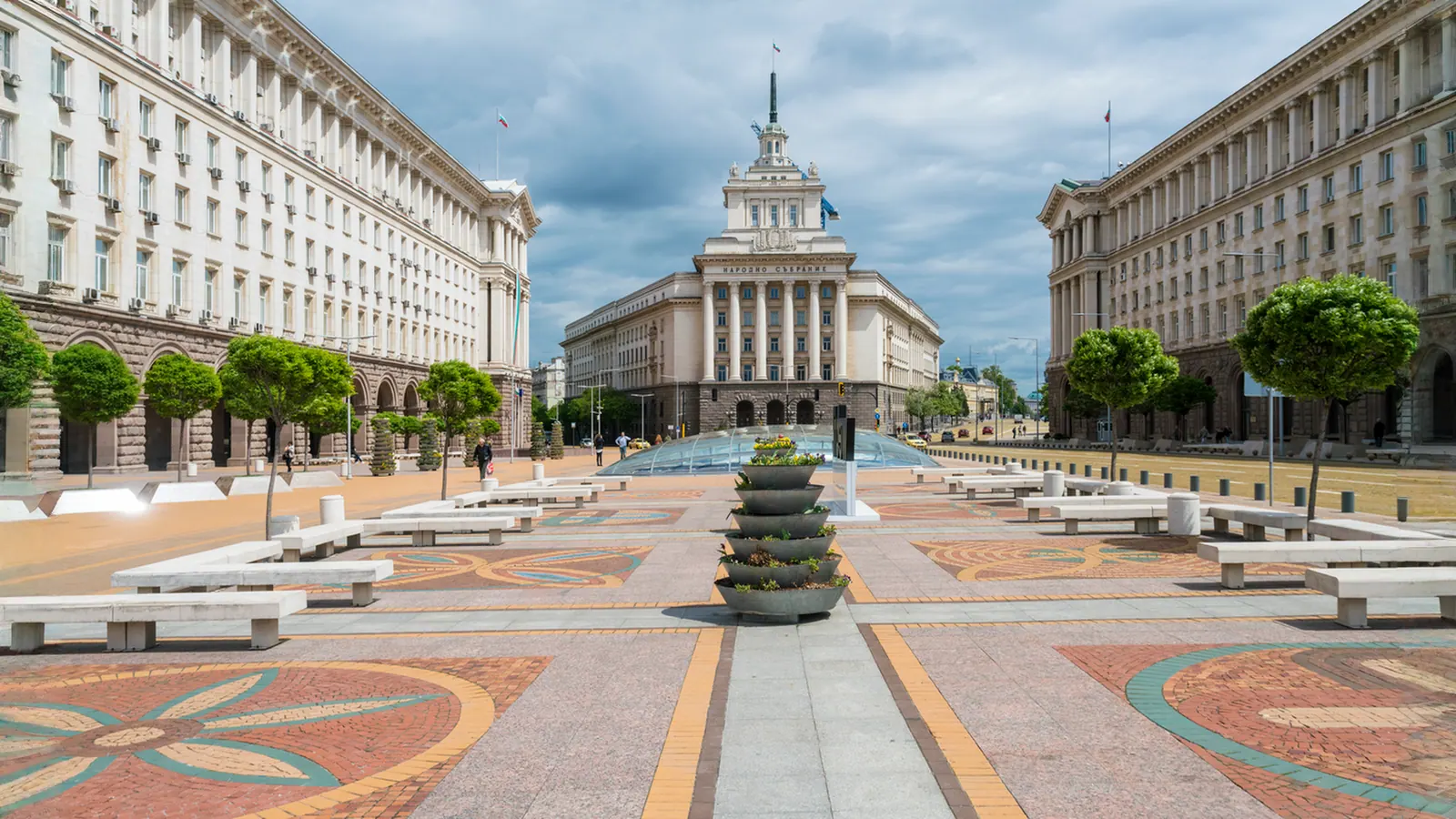
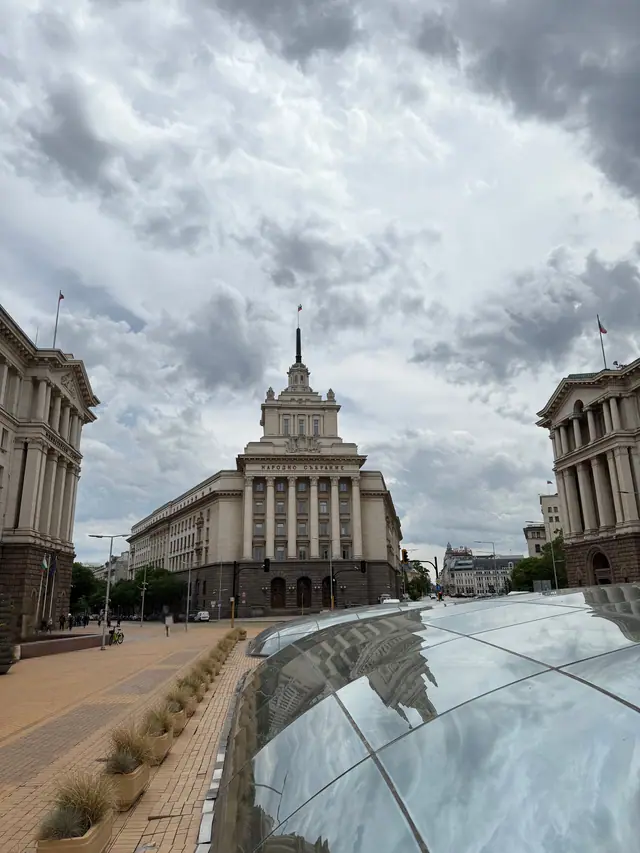
8. The Largo Square
We are now in a monumental square known as the Largo Square because of its size. And it makes sense, because what dominates this place is not only the space, but also the three enormous buildings that surround us.
-
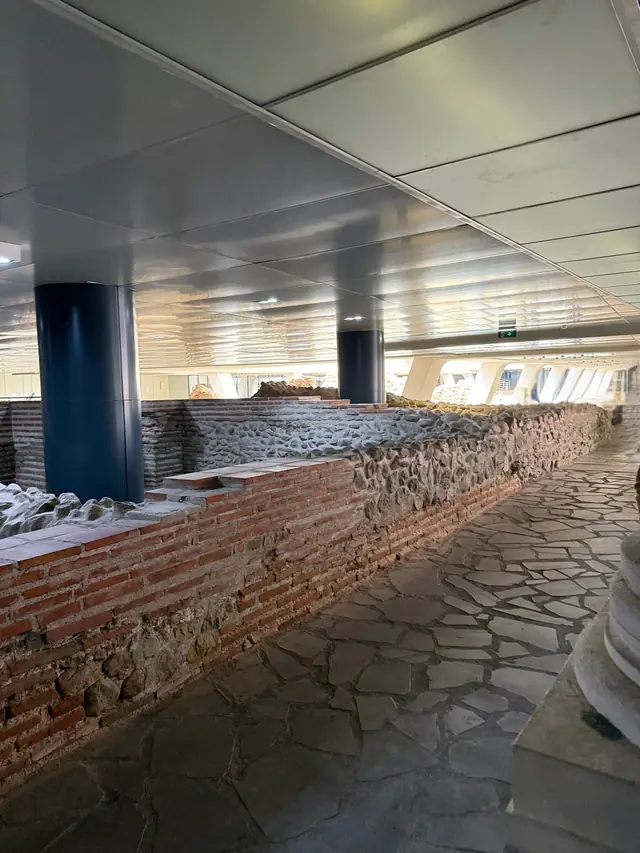
9. Walking through Rome
Here we come across Roman ruins again, but this time underground. It is a fascinating place and, what's more, completely free. This area connects with other key points in the historic centre.
-
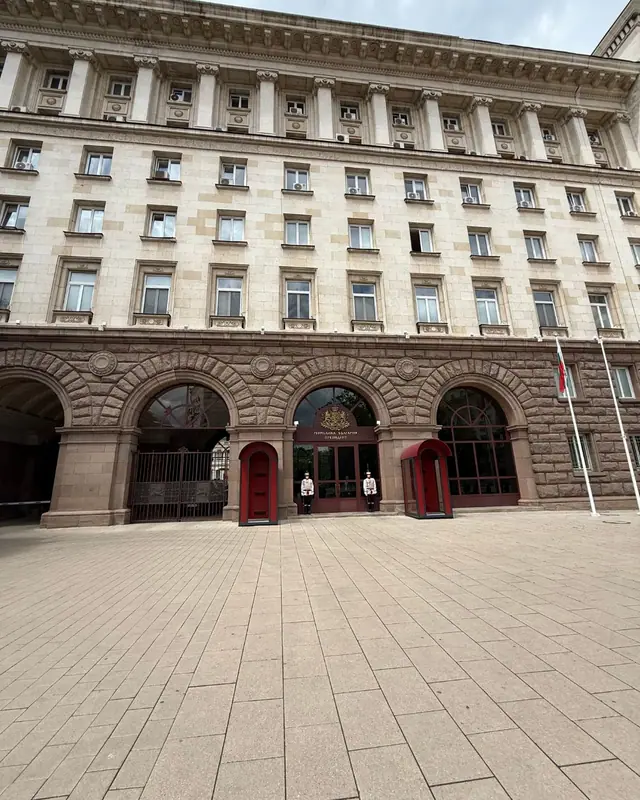
10. Presidential Building
Here we are in front of one of the most important buildings in Sofia, the building of the Presidency of the Republic of Bulgaria. This is where the president works, although he does not live here. What you see is the official entrance, always guarded by the presidential guard.
-
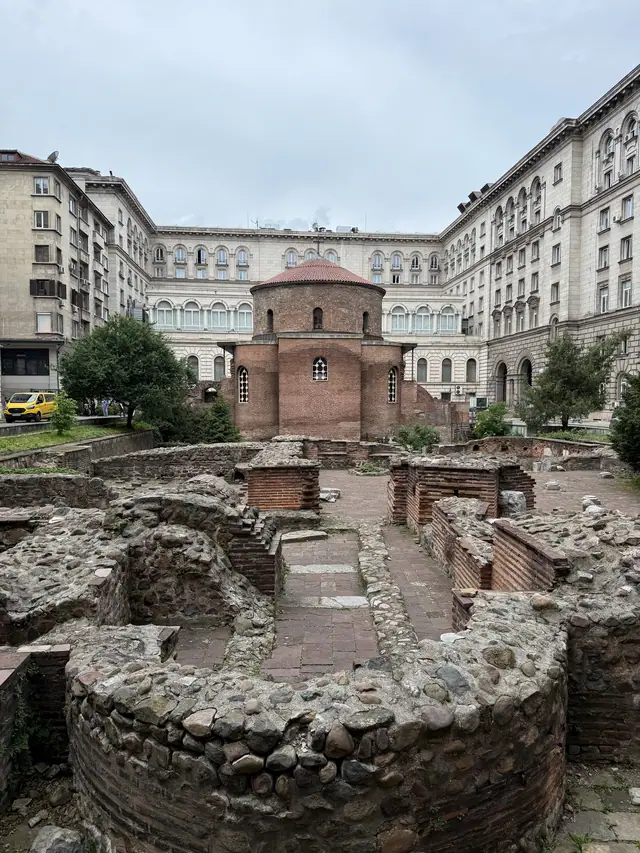
11. The Rotunda of St. George
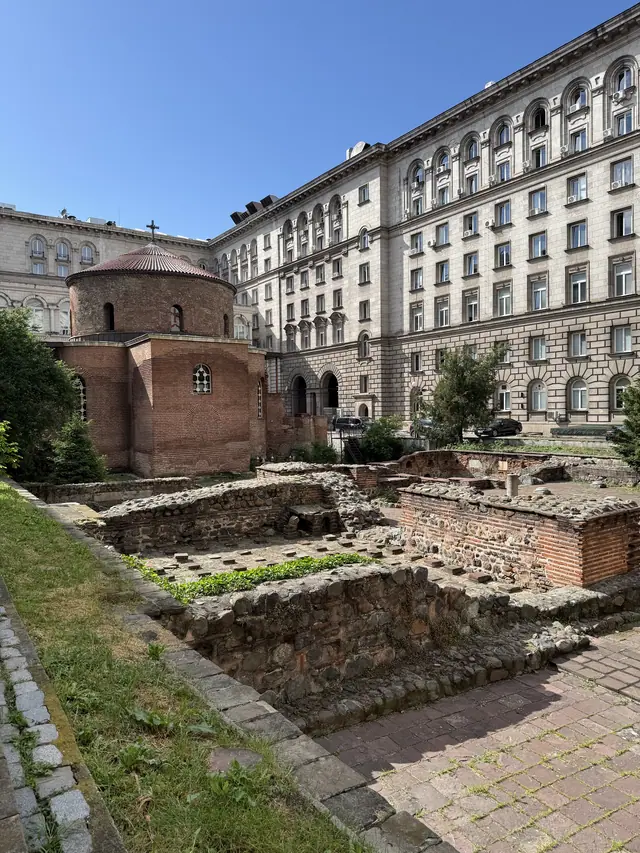
And here we are, in a place that few tourists discover, the backyard of the Presidency. You probably didn't expect to find a place like this here, because right in front of you is nothing less than the oldest building in Sofia that is still in use, called the Rotunda of St.
-
12. National Garden
We are in one of the most beloved corners of Sofia. This place is called the National Garden, and it is the oldest public park in the city, designed during the Ottoman period but transformed after Bulgaria's liberation in 1878.
-
13. The former Royal Palace
We are standing in front of the majestic building that was once the heart of the Bulgarian monarchy, the Royal Palace in Sofia. Its construction took place in two stages. The first stage took place between 1880 and 1882, during the reign of Prince Alexander I of Battenberg.
-
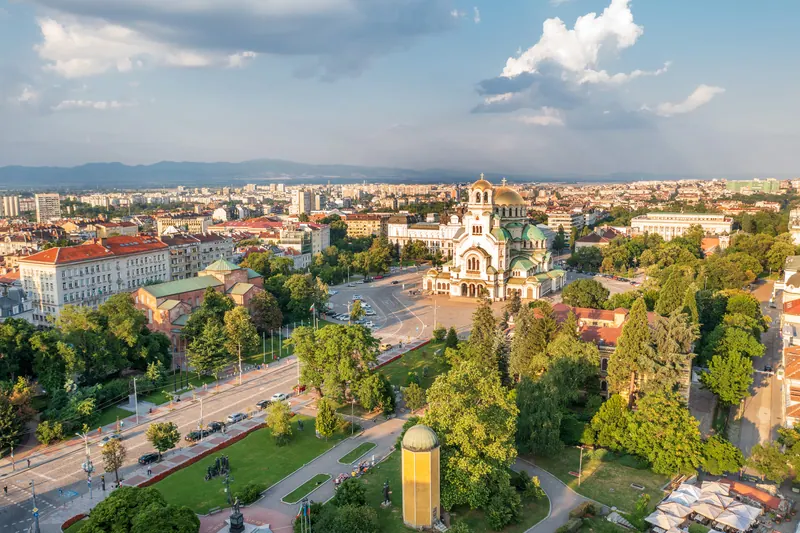
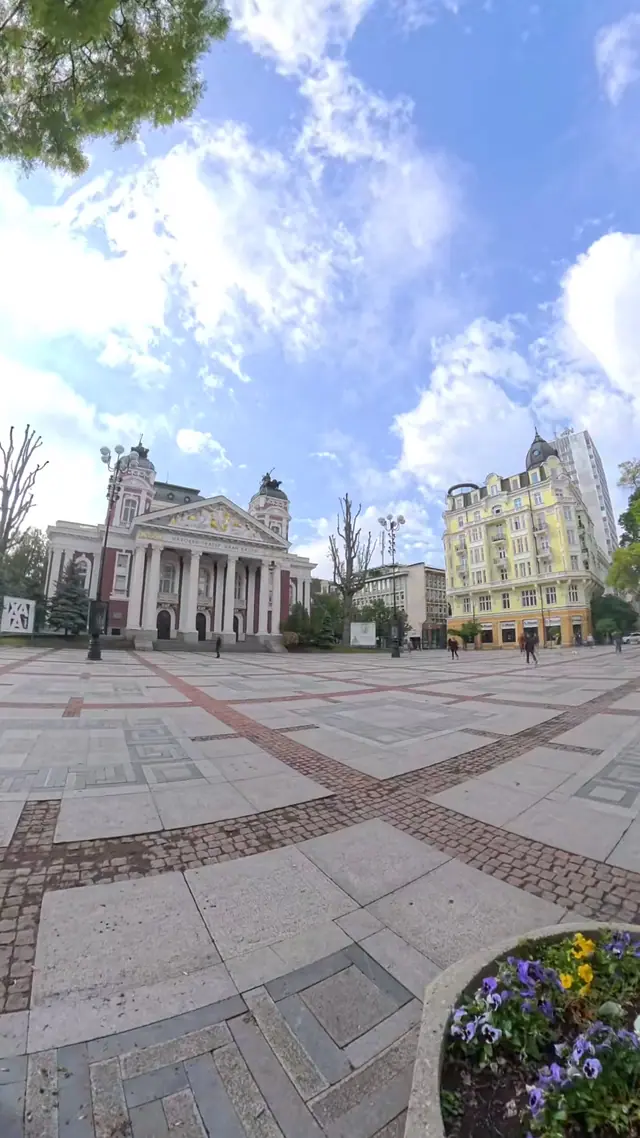
14. Alexander Nevsky Cathedral
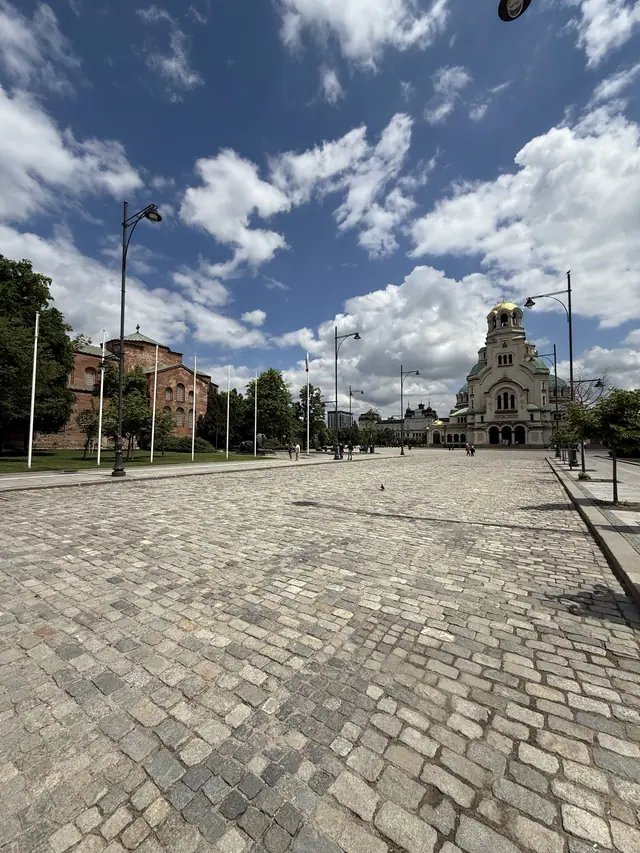
All right, and this is where we end our tour. In front of us stands the most iconic silhouette in Sofia, Alexander Nevsky Cathedral, the largest in Bulgaria and one of the most impressive in the Orthodox world.
Communist Sofia Walking Tour
-
15. Religion under communism
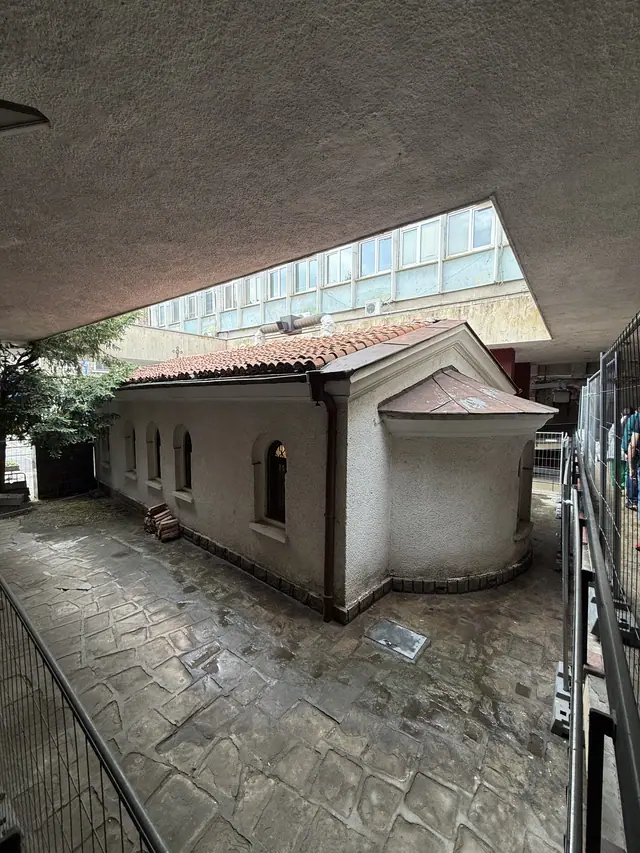
Now I want you to look at the building in front of you. It looks like a church, doesn't it? And indeed, it was a small Roman chapel from the 3rd century. Incredibly, it survived centuries of history until the Allied bombings during World War II.
-
16. The communist takeover
At first glance, it looks like we are looking at another church inside a communist building. And yes, it is, but that is not why we are stopping here. This image is just another example of how the new regime absorbed everything that already existed.
-
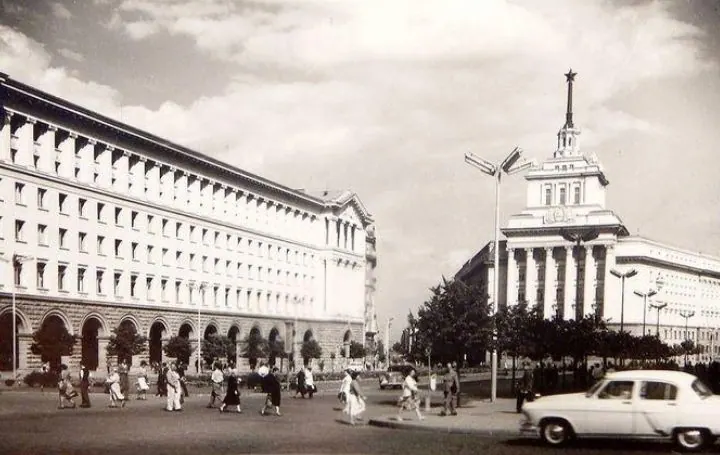
17. The Square of Power
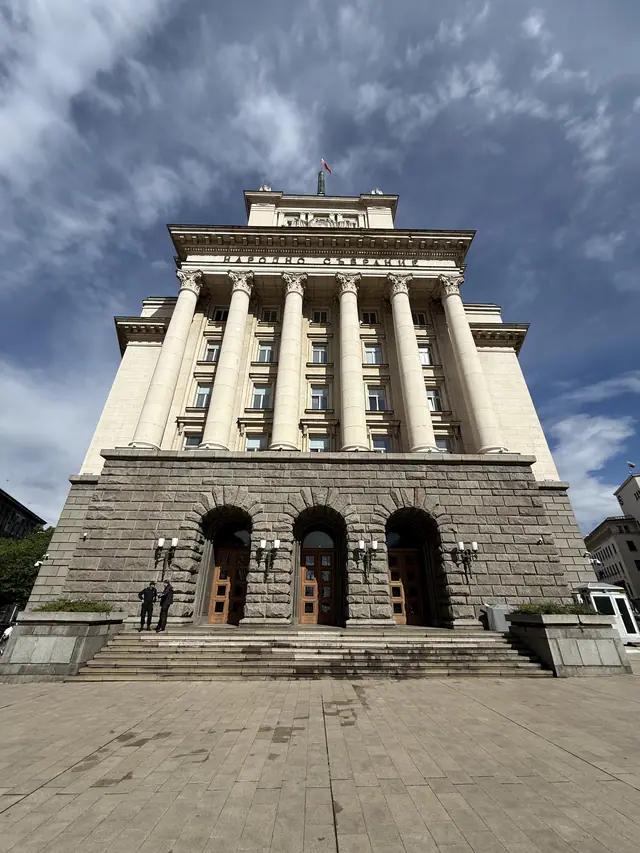
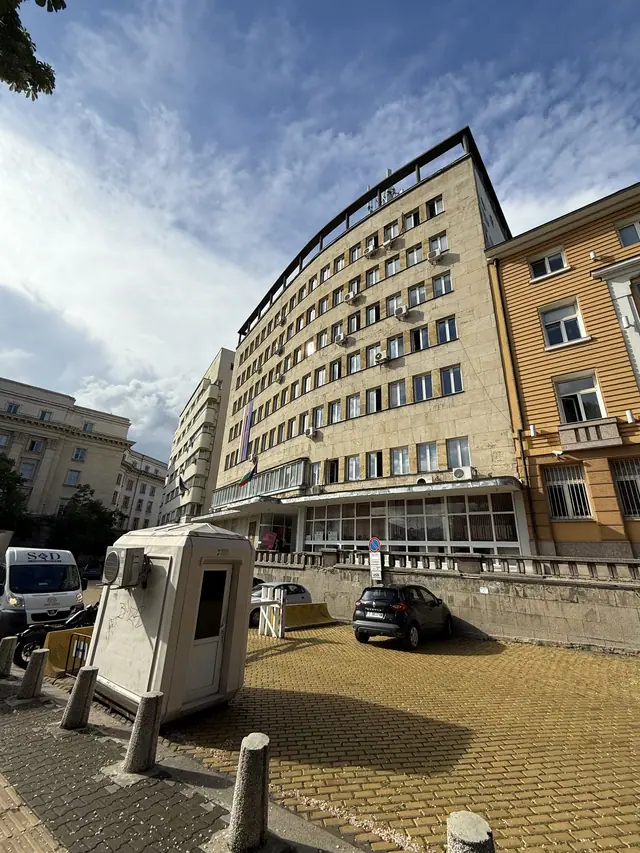
We are in one of the most emblematic places of communism in Sofia, the monumental complex known as the Long Street. This square is surrounded by three imposing buildings, built in the 1950s in the Stalinist neoclassical style typical of post-war Soviet architecture.
-
18. The secret police
Now we are going to talk about one of the darkest sides of the communist regime, the secret police. In Bulgaria, it was called the D.S., short for Darzhavna Sigurnost, which means State Security. Officially, it was responsible for espionage and counterintelligence.
-
19. Georgi Dimitrov Mausoleum
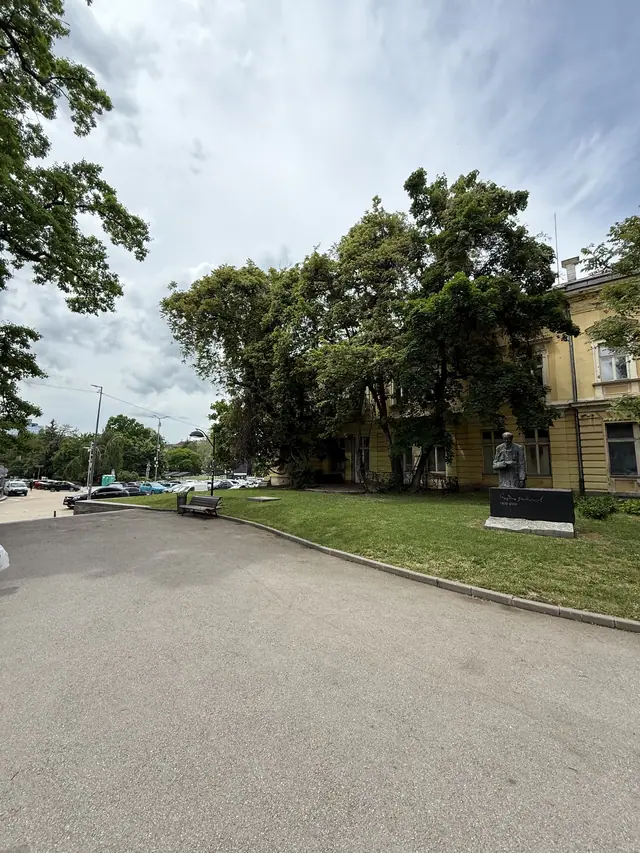
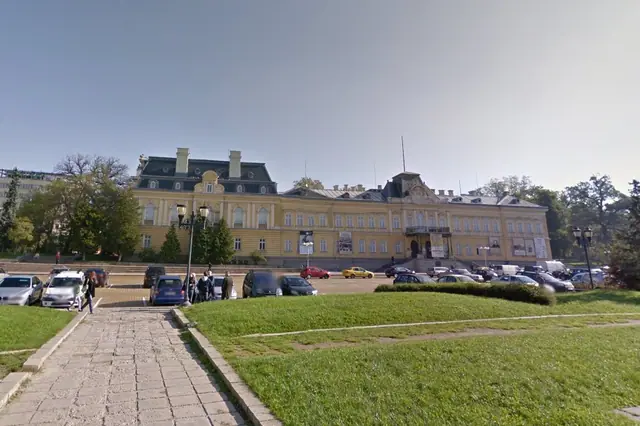
The yellow building we can see in front of us was the Royal Palace until 1946. After the end of the monarchy, it passed into the hands of the new communist regime. Today it houses the Ethnographic Museum and the National Art Gallery. But much of its former beauty has disappeared.
-
20. Monument to the Soviet Army
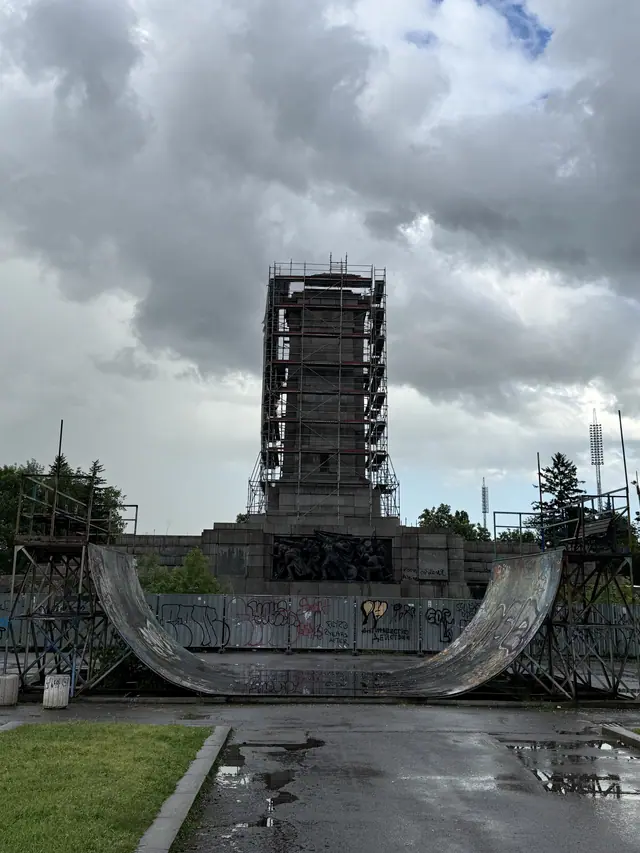
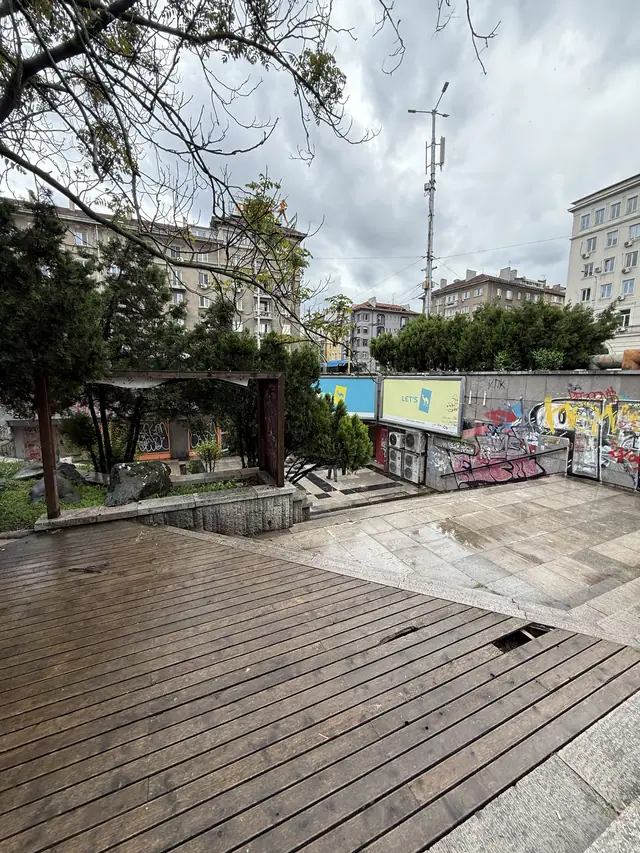
We are in one of the most controversial places in Sofia, the Monument to the Soviet Army, located inside this park, which, curiously, is now a meeting place for young people, skaters and urban artists.
-
21. Benefits of the System
Unlike other stops, there is no specific monument or building to look at here.
-
22. National Palace of Culture
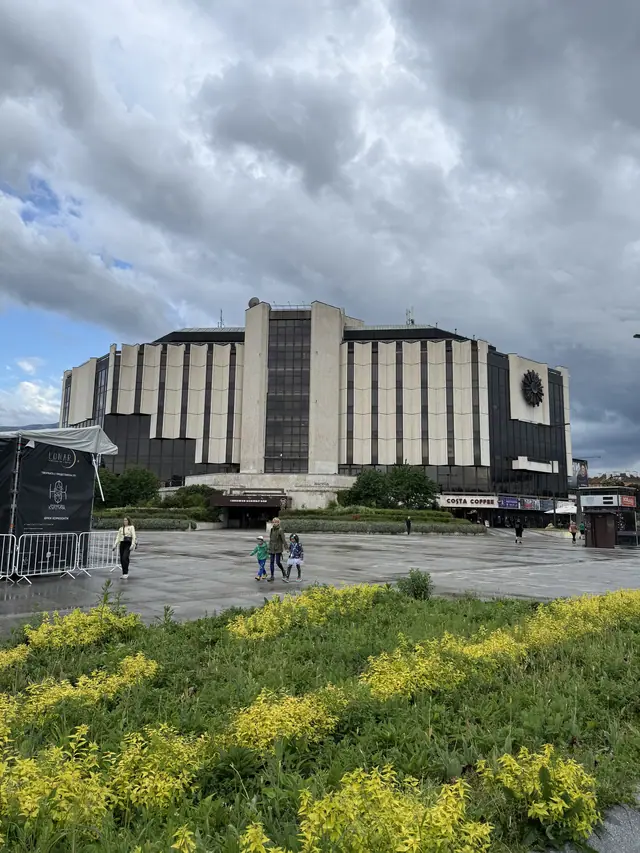
Here we have one of the most imposing buildings from the socialist period in Sofia, the National Palace of Culture, known by its initials in Bulgarian, N.D.K.
-
23. The fall of communism
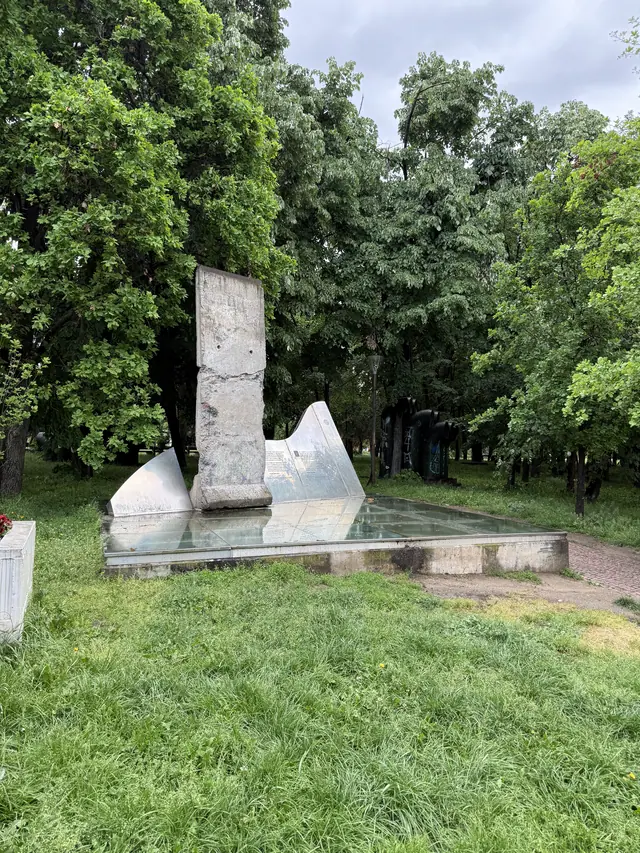
On 9 November 1989, the Berlin Wall fell. Although it happened more than 1,000 kilometres away, the news triggered a chain reaction. In Bulgaria, the impact was felt immediately.
Walk them with the app
The 2 tours visit these places in order, with the full audio and the map. Free, with no sign-up.