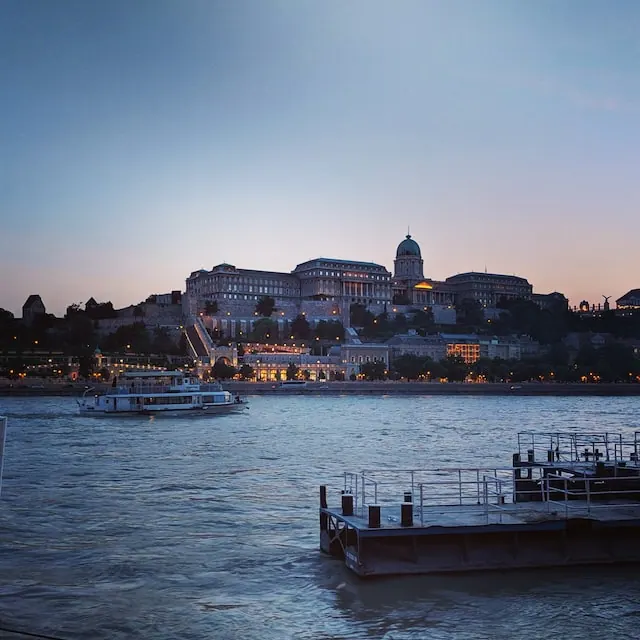
What to see in Rome on foot
45 places with their stories, the map and free audio in 15 languages.
Updated November 2026 · 9 min read · Produced by World Tour
Rome in a nutshell
The history of Rome is, in many ways, the history of the West. According to legend, it was founded in 753 BC by Romulus, after he killed his brother Remus in a dispute that foreshadowed the intense character of the city. Beyond the myth, the truth is that Rome began as a small settlement in the centre of the Italian peninsula, strategically located next to the River Tiber. What no one imagined at the time was that this settlement would eventually become the heart of one of the greatest empires in history.
The places on the map
Each number is the place’s number in the list.
Walking tour of Rome
-
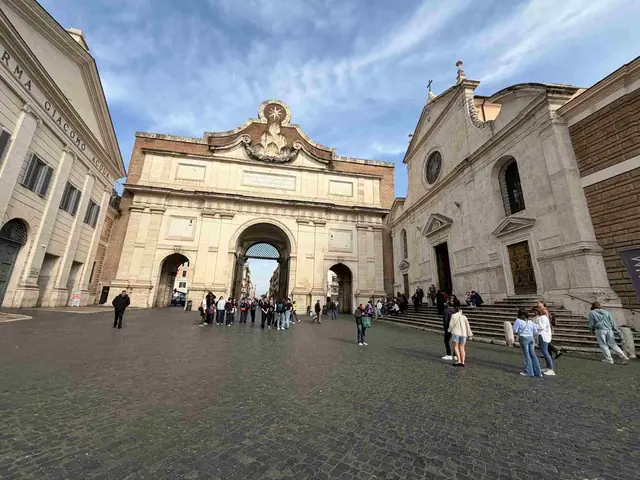
1. Basilica of Saint Mary of the People
This is a very special tour, because every step here holds a story. Along the way, we’ll discover incredible places, but we’ll also understand how Rome built a unique identity, full of power, which can still be felt in its streets.
-
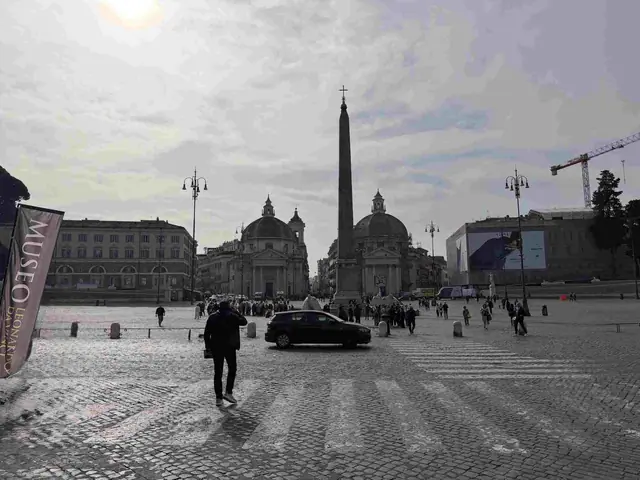
2. Square of the People
Right then, we’re now inside the square. And it’s worth pausing here for a moment, because this square isn’t just pretty; for centuries it was one of the main gateways to Rome.
-
3. The rulers of Rome
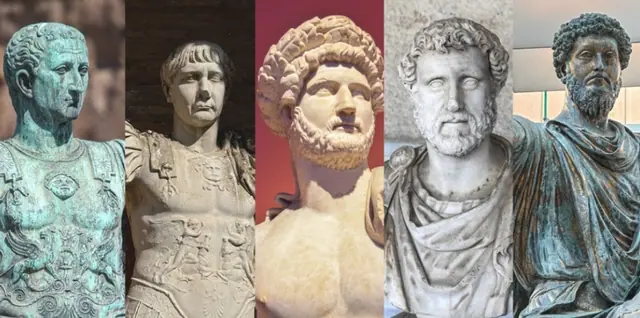
Now we’re going to head up to a large park, which is very important to the city. And as we walk, I’ll explain to you in simple terms how power in Rome evolved: from the time of Romulus, through the kings, the Republic, and later, the emperors.
-
4. The Pincio Terrace
We are now on the Pincio, the hilltop viewpoint overlooking Piazza del Popolo.
-
5. Wonders of the Villa Borghese
This complex is enormous, but it holds many hidden treasures.
-
6. The Fall of the Empire
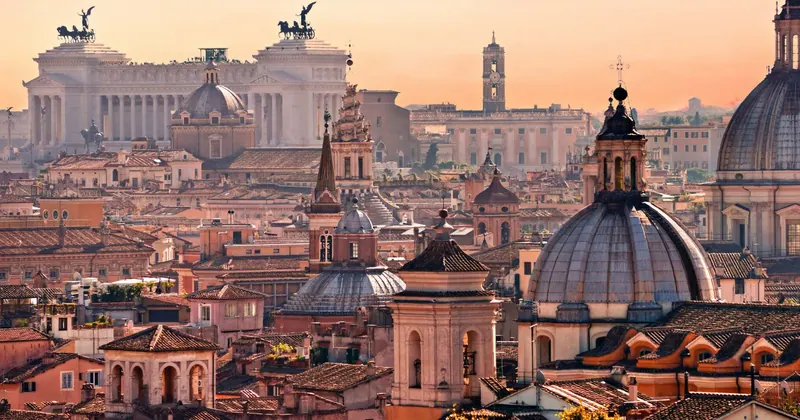
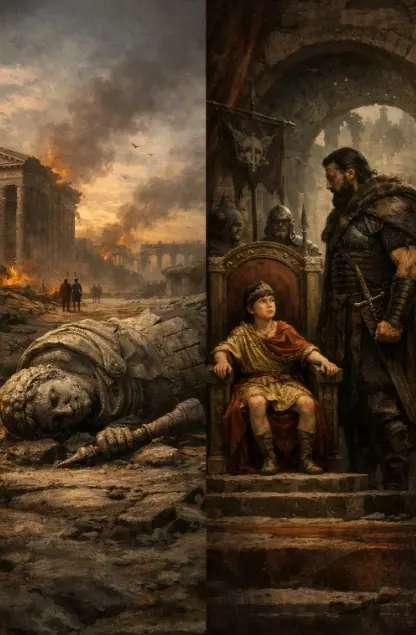
From this vantage point, the view is well worth it, because it’s one of those places where Rome begins to take shape before your eyes. Suddenly, the city ceases to be a succession of streets and squares, and becomes a living map of domes, monuments and layers of history.
-
7. Medici Villa
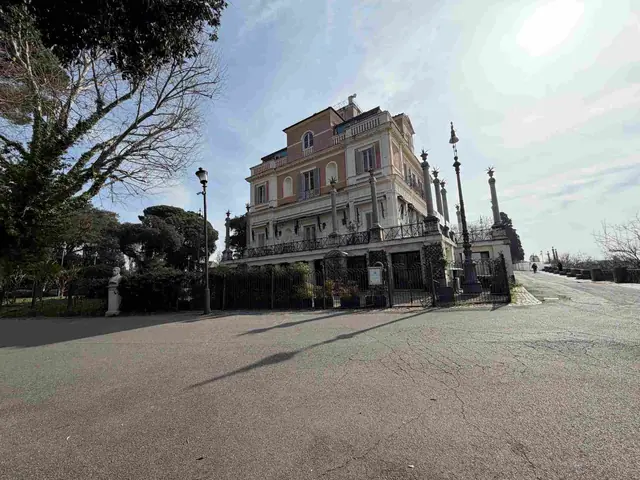
In front of us stands the Villa Medici building; its name derives from the Medici, the ruling family and patrons of Florence.
-
8. The church on the hill
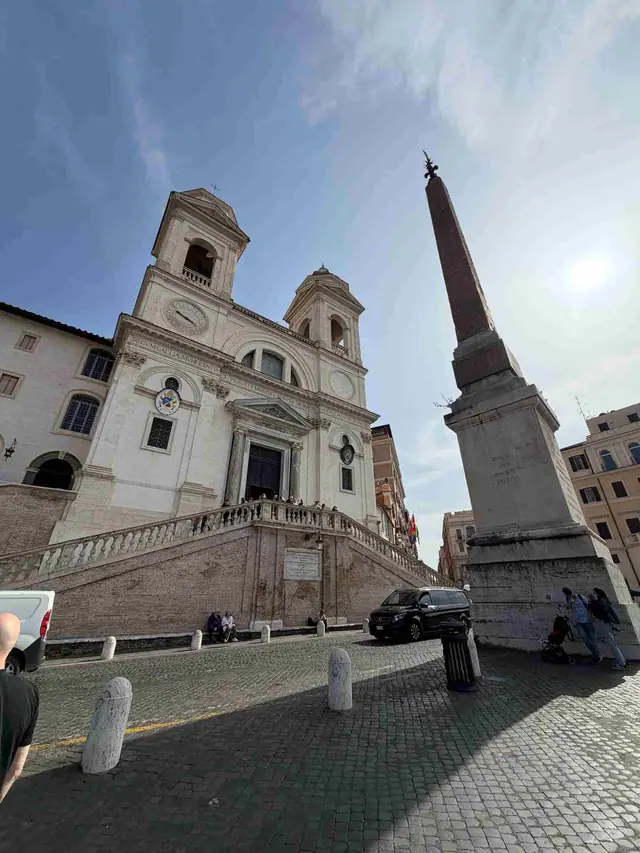
We are now in the square known as Trinidad de los Montes. The name comes from the church in front of you, the Santísima Trinidad de los Montes.
-
9. Fountain of the Boat
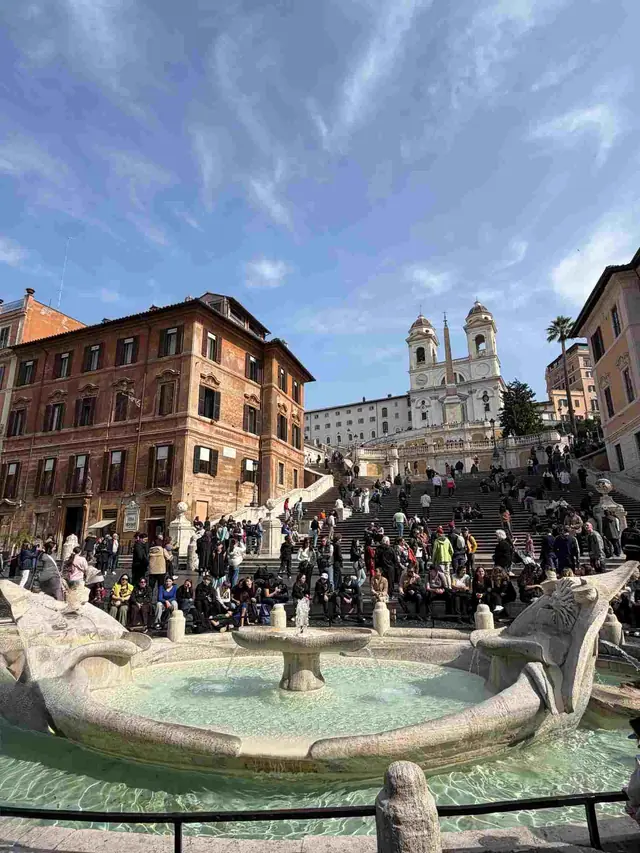
Now we’re finally down at the Piazza di Spagna, one of Rome’s most famous and photographed spots.
-
10. Mignanelli Square
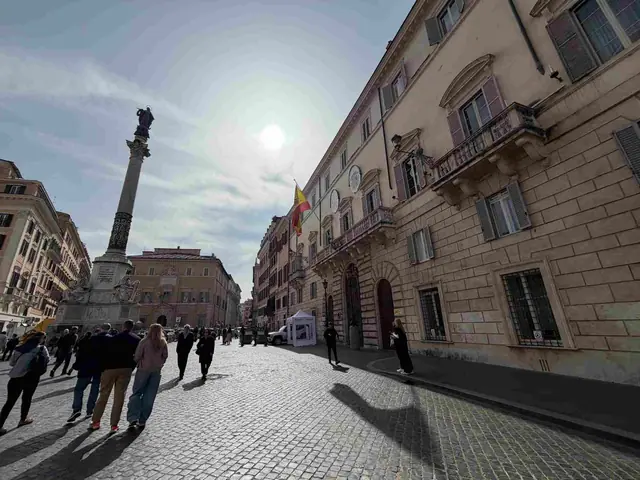
We are now in Mignanelli Square, right next to Spagna square, and this spot has far more historical significance than it first appears.
-
11. Propagation of the Faith
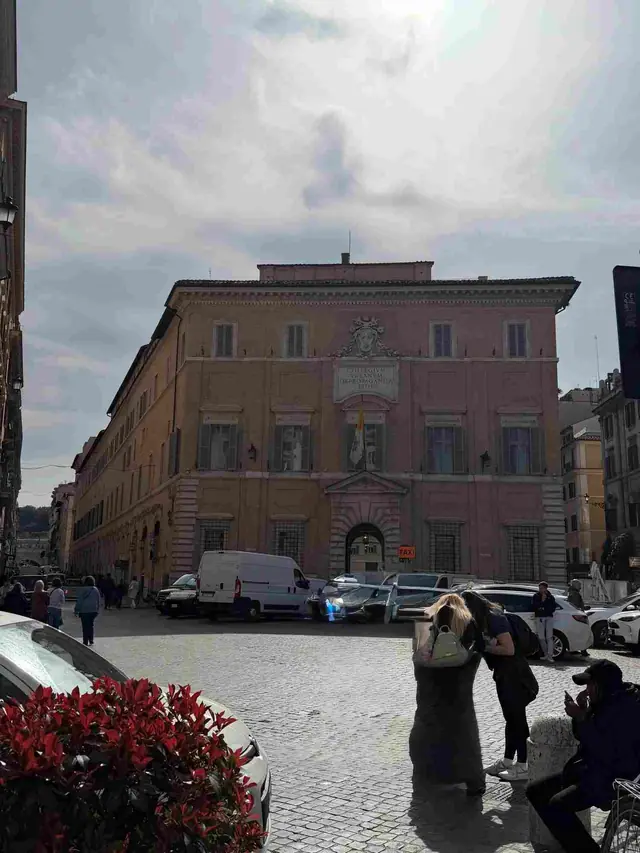
Now let’s pause in front of this imposing building. It is called the Palace of Propagation of the Faith, one of those places where Rome encapsulates centuries of religious and political power in a single façade.
-
12. The Corner of Discord
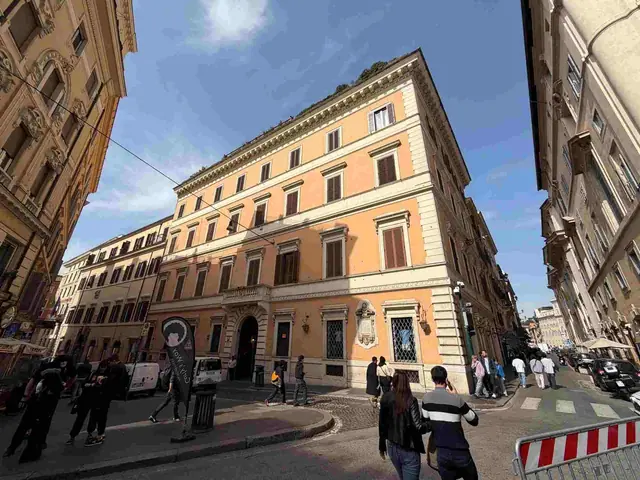
Let’s pause here for a moment, because this corner may seem quiet, but in reality it is one of those places where Rome concentrated talent, power and quite a bit of rivalry.
-
13. Inside the church
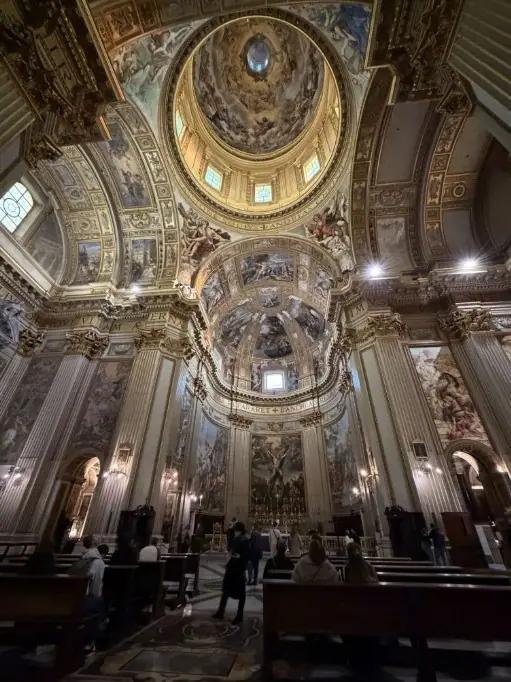
Inside, the church feels more spacious than the façade suggests. This church is dedicated to the apostle Saint Andrew, the brother of Saint Peter. It has a spacious central nave, several side chapels and other small chapels next to the entrance.
-
14. Trevi Fountain
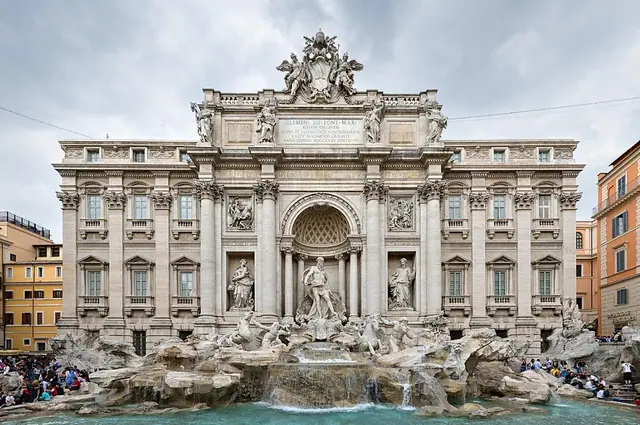
And now, we’ve arrived at one of Rome’s most famous landmarks: the Trevi Fountain. From 2 February 2026, access to the innermost part of the monument—the inner perimeter right by the water—will cost €2 for non-residents of Rome or its metropolitan area.
-
15. Column of Marcus Aurelius
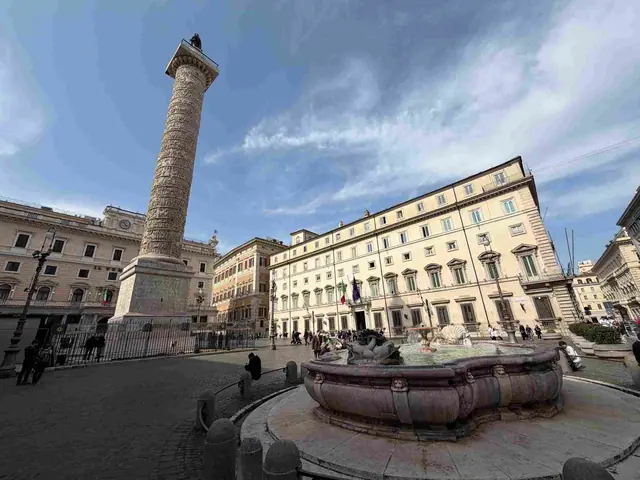
We are now in Piazza del Colonnato, one of the most important squares in Rome’s historic centre. Its name comes from the great Column of Emperor Marcus Aurelius, which stands in the centre.
-
16. Temple of Hadrian
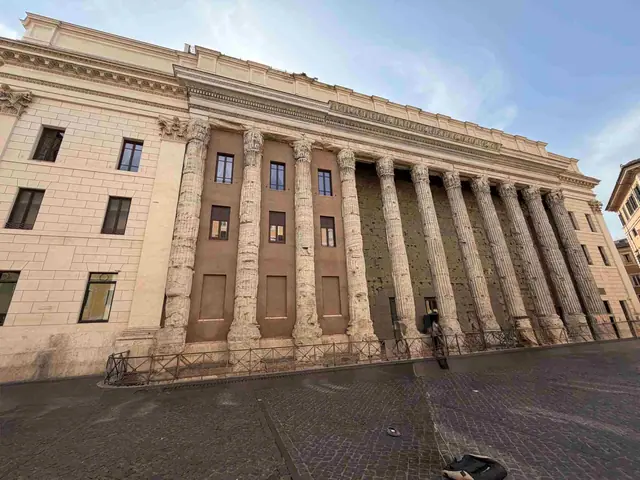
We are now in the stone square, and the most striking feature here is the Temple of Hadrian. It is so named because it was dedicated to the emperor Hadrian, who had already been deified following his death.
-
17. Temple of All the Gods
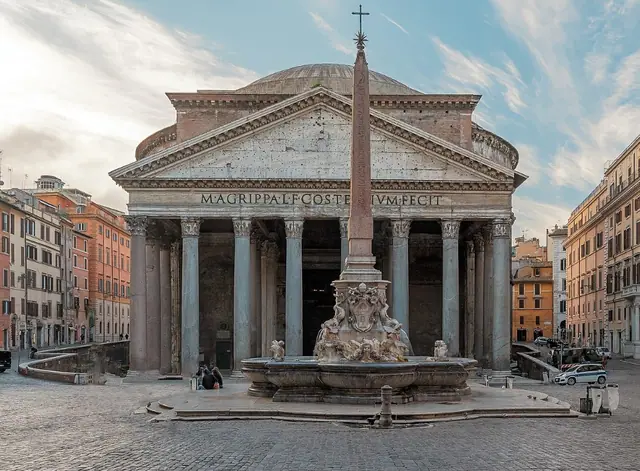
Now, we are standing before one of the most impressive buildings in all of Rome: the Pantheon. And the first thing to note is this: although the façade bears the name of Marcus Agrippa, general and statesman, the building we see today is not exactly the one he built.
-
18. Field of Mars
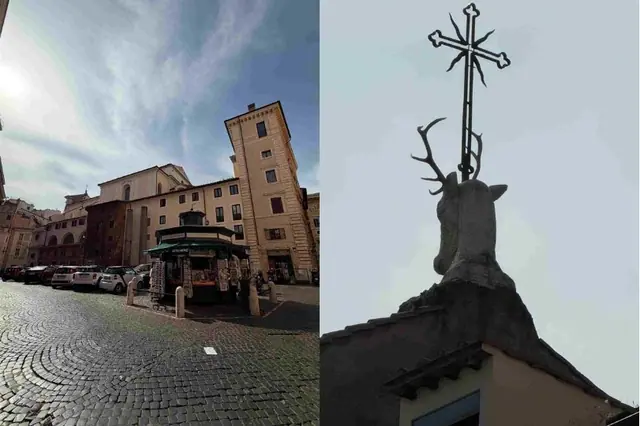
We are now in a small, quiet square, yet one with a character all of its own. The centrepiece here is the B Basilica of Saint EustaceB, dedicated to a saint whose story blends hunting, conversion, martyrdom and one of the most curious images in Christian iconography.
-
19. Navona Square
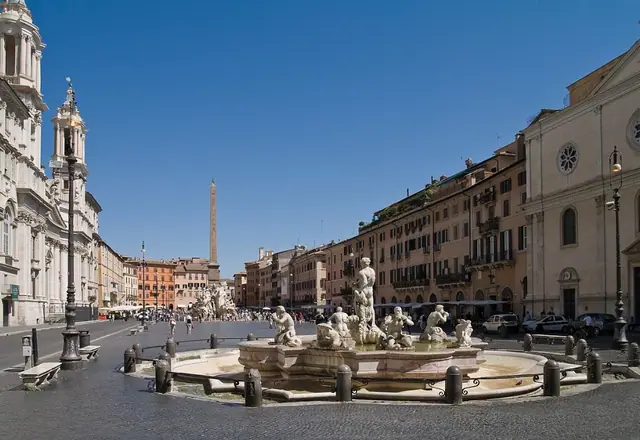
And now, we’ve reached one of the grandest possible finales in Rome: before becoming this Baroque square, filled with fountains, palaces and street performers, there used to be something quite different here: the Stadium of Domitian: It was built around the year 86 AD by the…
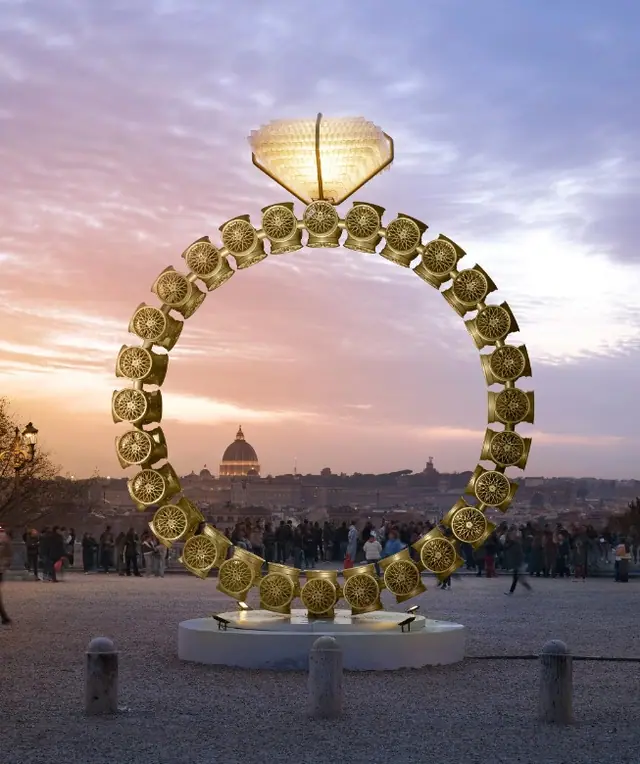
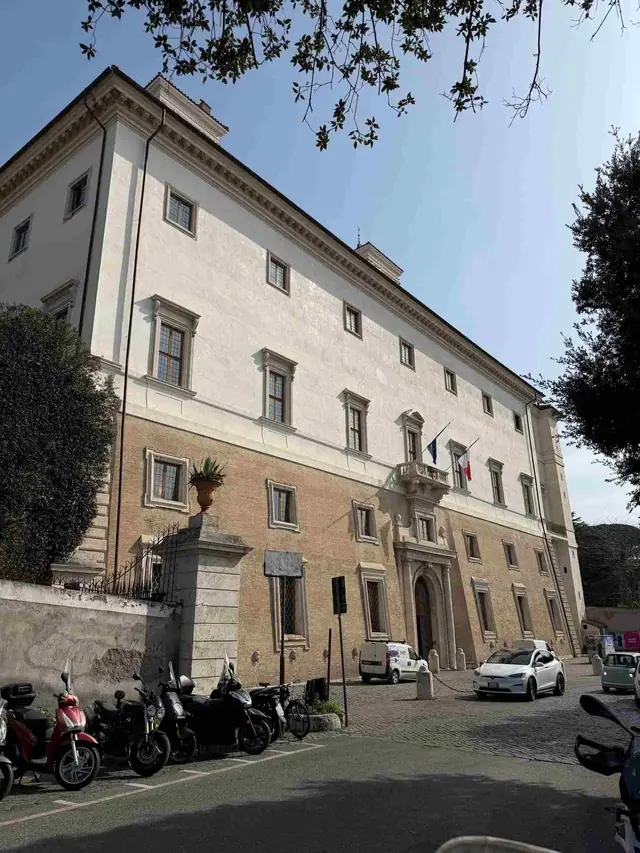
Imperial Rome Walking Tour
-
20. The Origins of Rome
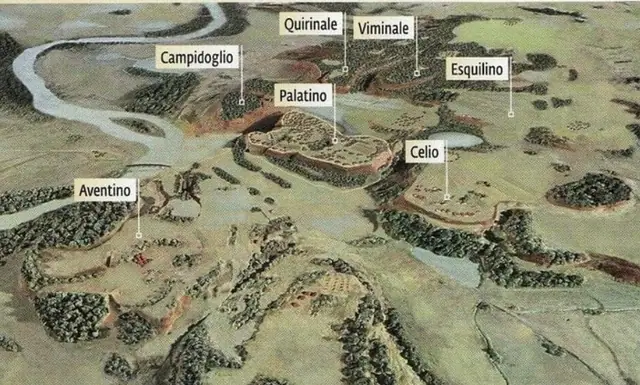
At each stop, we’ll discover fascinating places, but also the essence of a Rome that is proud, powerful and full of character. Rome was founded on seven hills, and in ancient times these hills formed the heart of the city.
-
21. The Roman Forum
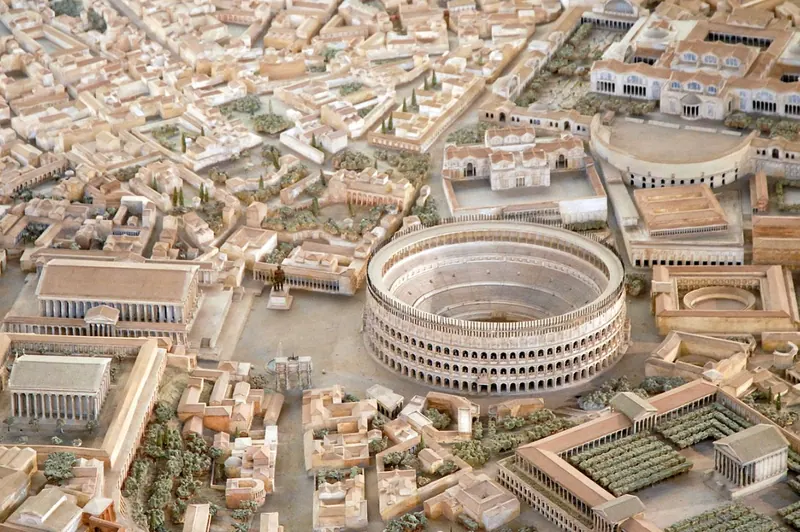
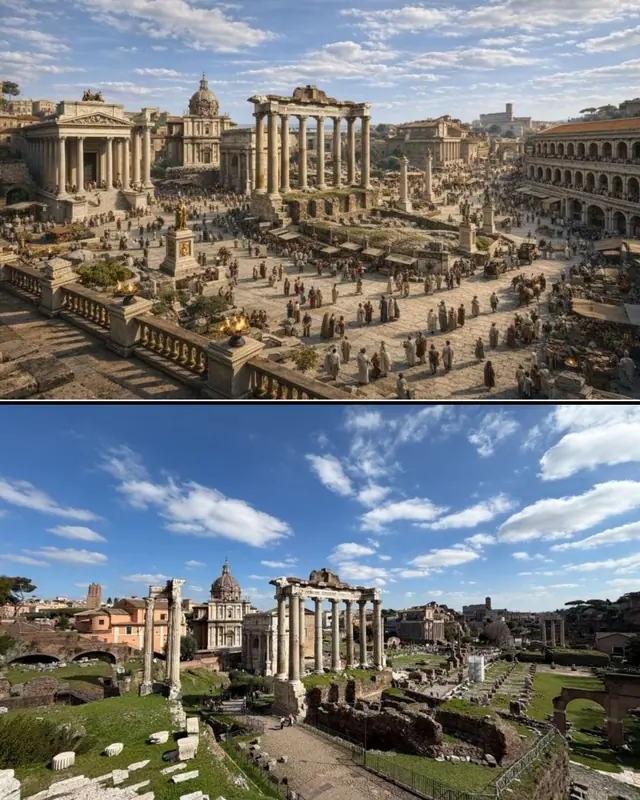
We are standing before one of the most incredible sights in history, like a window into the past. In your app, the first image shows the ruins as they stand today, alongside a reconstruction of what this place must have looked like in its heyday. This is the Roman Forum.
-
22. Campidoglio Square
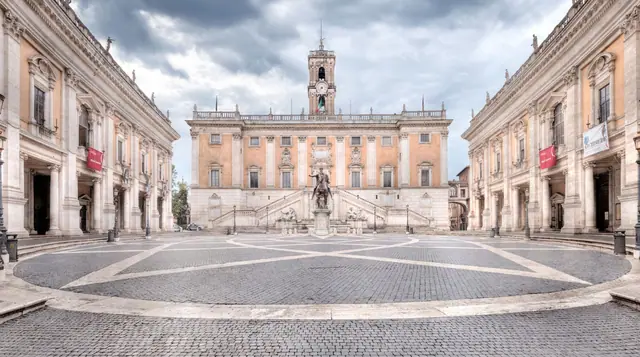
We are on the Capitoline Hill, also known as the Campidoglio. In ancient times, this site was one of the city’s major sacred centres, as it was here that the Temple of Jupiter Optimus Maximus stood, dedicated to Jupiter, Juno and Minerva, the guardian deities of Rome.
-
23. Basilica of Saint Mary in Aracoeli
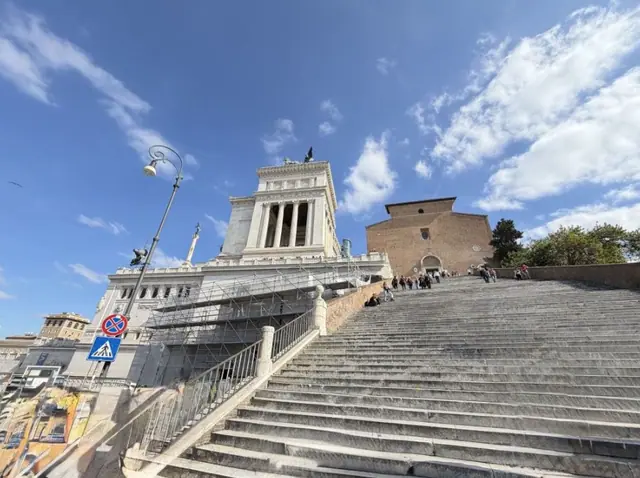
Now, if you look up at the top of the steps, there is a church that goes almost unnoticed by many visitors, but which is actually one of the most important and beloved places in Rome. The first thing that catches your eye is its grand staircase.
-
24. Altar of the Fatherland
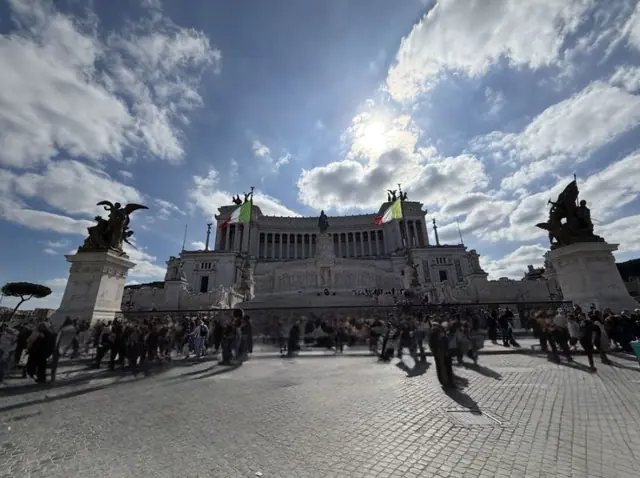
We are in an area that, for centuries, was one of the city’s most symbolic landmarks, as it was here that political power, religion and remembrance converged. And look at the large white monument in front of you, with its many statues.
-
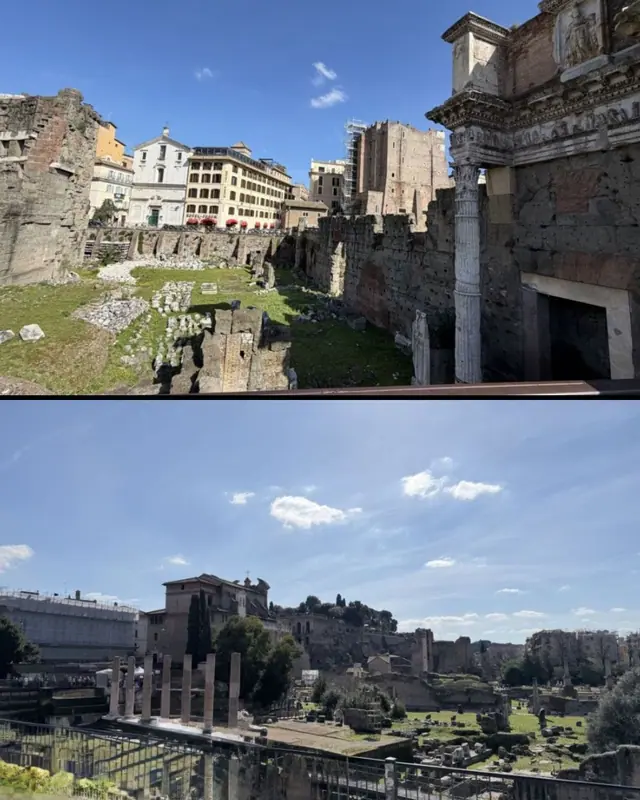
25. Julius Caesar’s Forum
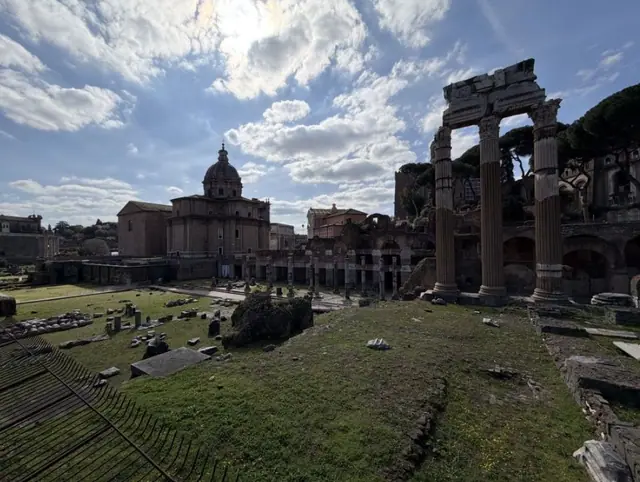
Here we have another incredible view of the Roman ruins, and in particular of one of its forums. The Roman Forum is the original one, the oldest, and the great political and religious centre of the republican city.
-
26. Trajan’s Forum
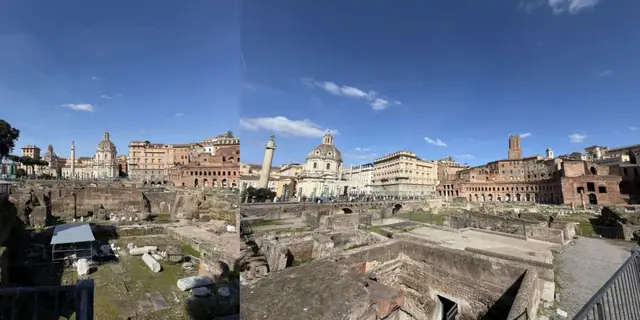
We are now looking at Trajan’s Forum, the last and largest of the Imperial Forums. Trajan was born in Italica, in the Roman province of Hispania Baetica, very close to modern-day Seville. Put simply, he was the first emperor born in Hispania.
-
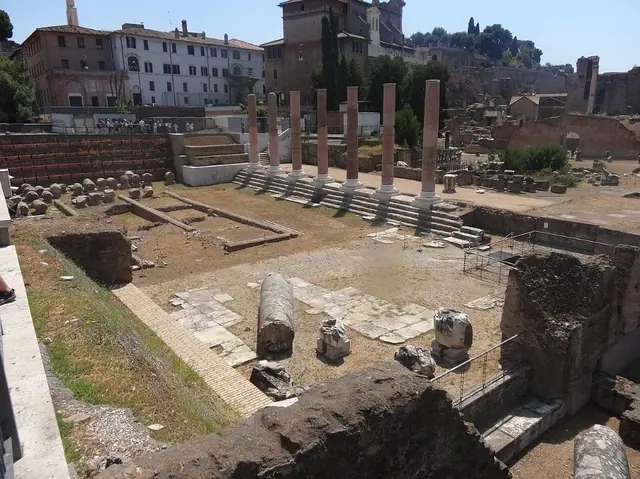
27. The Forum of Augustus
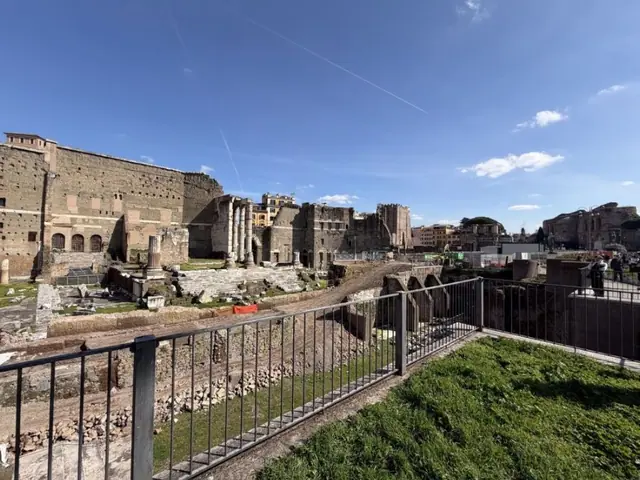
We continue our tour, and at this point, I’m going to tell you about the second of the Imperial Forums. The first, as we’ve already seen, was that of Julius Caesar; and this second one was commissioned by Octavian Augustus, the man who eventually became Rome’s first emperor.
-
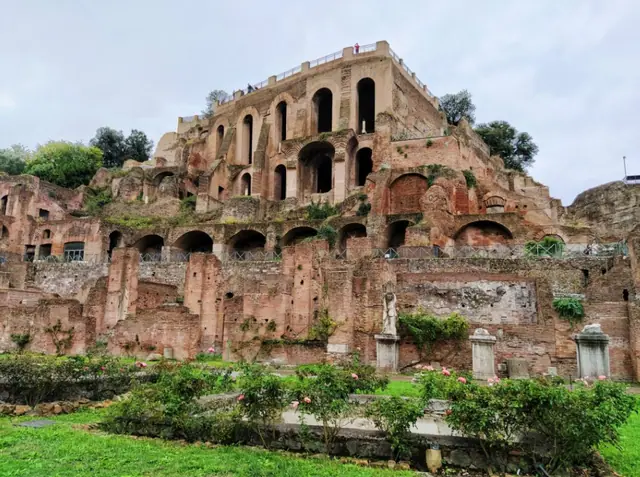
28. The Palatine Hill
Now, I’m going to tell you about one of the most important hills in all of Rome. You can’t see it very well from here, but it lies further back, beyond the Roman Forum area.
-
29. The Forum of Nerva
We continue on our way and now arrive at another of the Imperial Forums: the so-called Forum of Nerva, although it is also known as the Transitory Forum.
-
30. Vespasian’s Forum
Well, by now we’ve already visited several of the city’s forums. To recap the chronological order: first came the Roman Forum, followed by the forums of Caesar and Augustus; later, Vespasian’s Forum; then, Nerva’s Forum; and finally, the great Forum of Trajan.
-
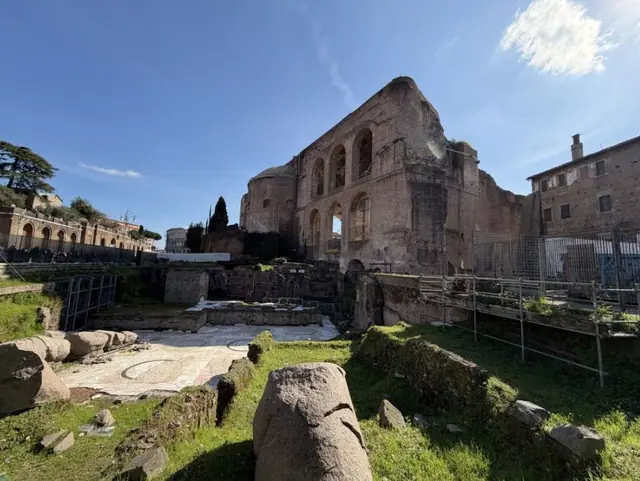
31. Basilica of Maxentius and Constantine
And now, having explored the Imperial Forums, we’re going to look at a structure that belongs to a different period in Rome’s history.
-
32. The Great Roman Empire
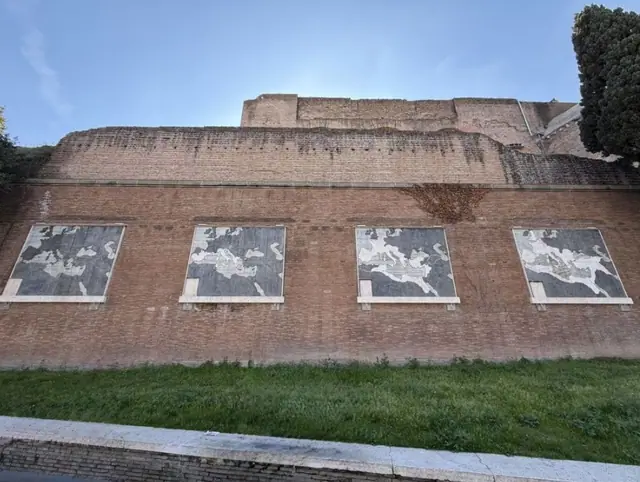
Now look to your right. A little further on, on that wall, you’ll see four maps that provide a very visual summary of one of Rome’s most impressive stories: how a small town nestled amongst the hills eventually became the centre of a vast empire.
-
33. The museum station
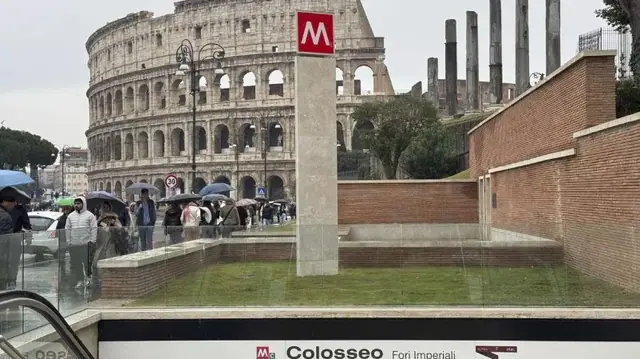
We are now at Colosseum – Imperial Forum station on Line C, right beneath the Via del Foro Imperiale, between the Colosseum and the area in front of the Basilica of Maxentius.
-
34. The Roman Colosseum
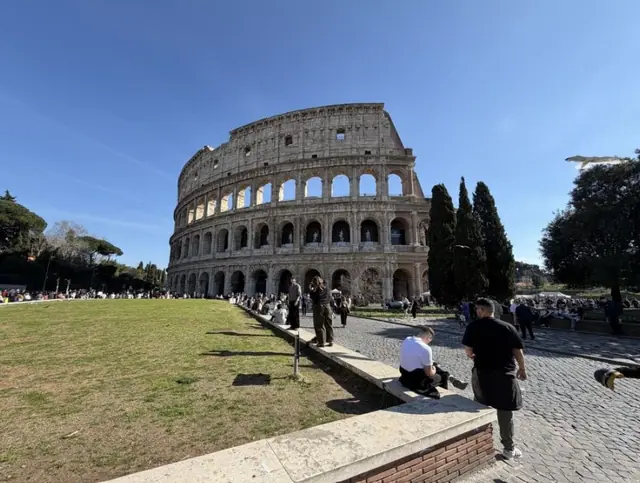
And now, we’ve arrived at one of Rome’s most famous landmarks, and undoubtedly one of the world’s most recognisable monuments: the Colosseum. This isn’t just an ancient building: we’re talking about a gigantic machine of spectacle, power and propaganda. Let’s start with the name.
-
35. The Arch of Constantine
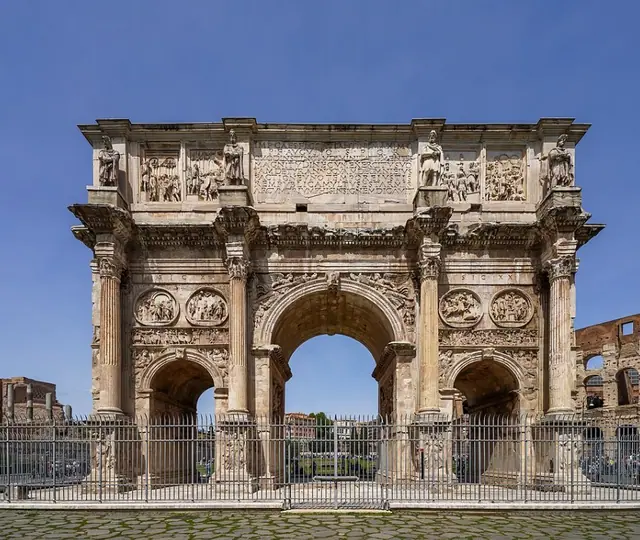
Well, to conclude, in ancient times, this area suffered many collapses and serious damage over the years, mainly due to earthquakes.
Walking Tour of Rome’s Baroque Churches
-
36. The gateway to the Baroque in Rome
This is a very special tour: here, every step reveals a story. Along the way, we’ll discover some stunning places, and we’ll also understand how Rome was, for a long time, a city with a unique identity and a strong religious tradition.
-
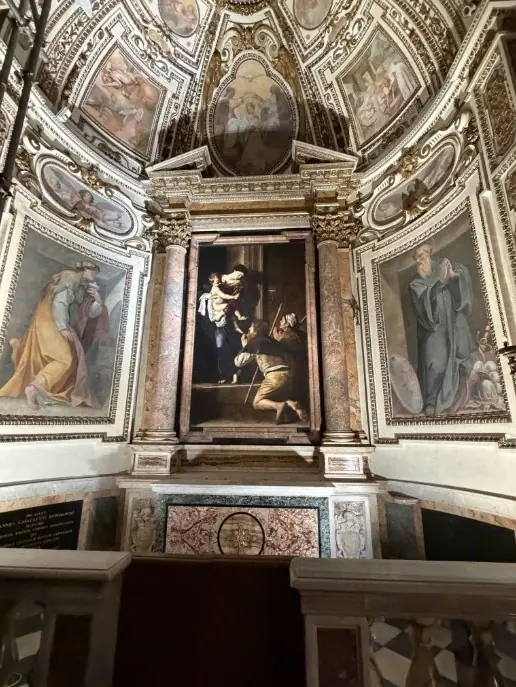
37. The Virgin of the Pilgrims
Now we’re inside the church, in the Cavalletti Chapel. It’s so called because it was the family chapel of the Cavalletti family, a noble family of the time. But the most important thing here is the painting of the Virgin of the Pilgrims, by Caravaggio.
-
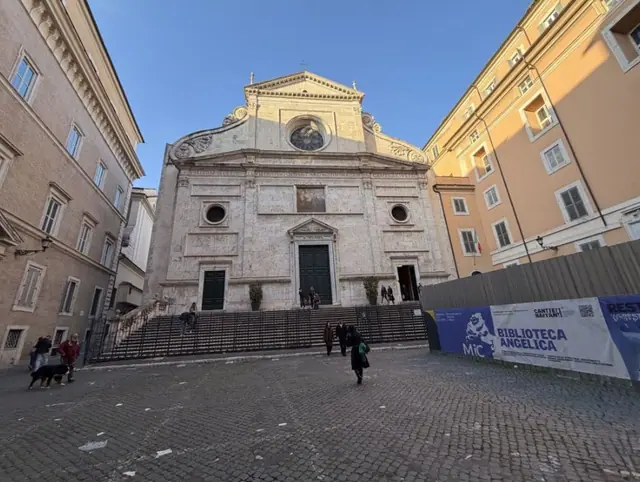
38. Faces that speak
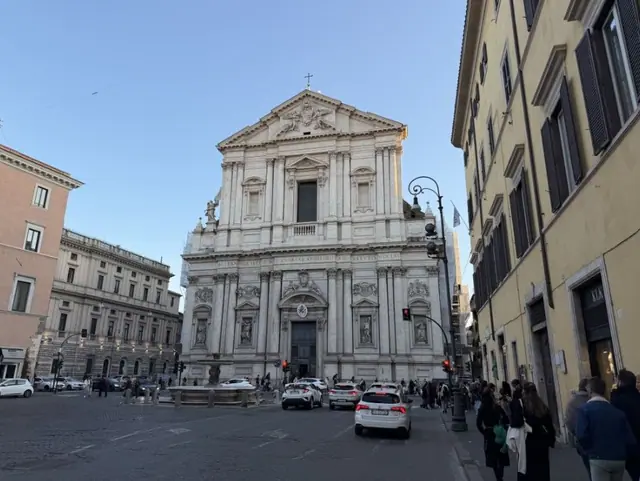
We are now standing in front of the Church of San Luis de los Franceses.
-
39. Baroque style
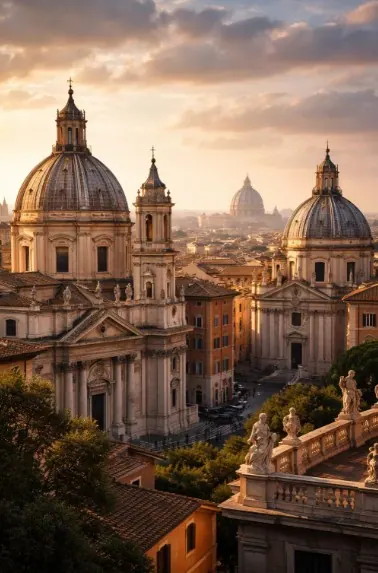
You are now standing in front of a Baroque church. But: What does that mean? The Baroque is a style that emerged around the year 1600, and it has a very clear aim: to impress.
-
40. The great music of the Baroque
In the Baroque period, images had a power similar to that of music. You didn’t need to understand everything intellectually for it to affect you.
-
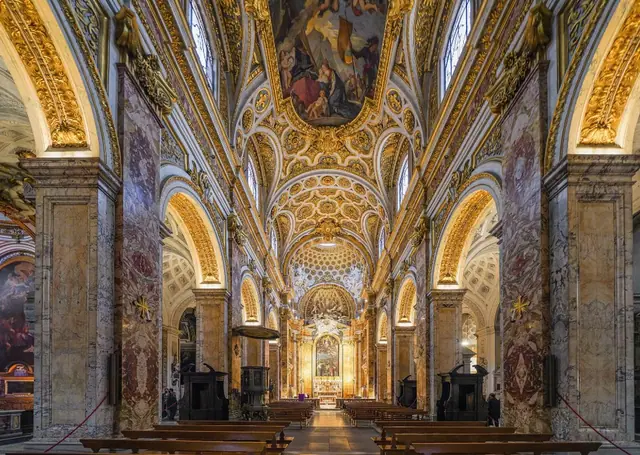
41. An open sky
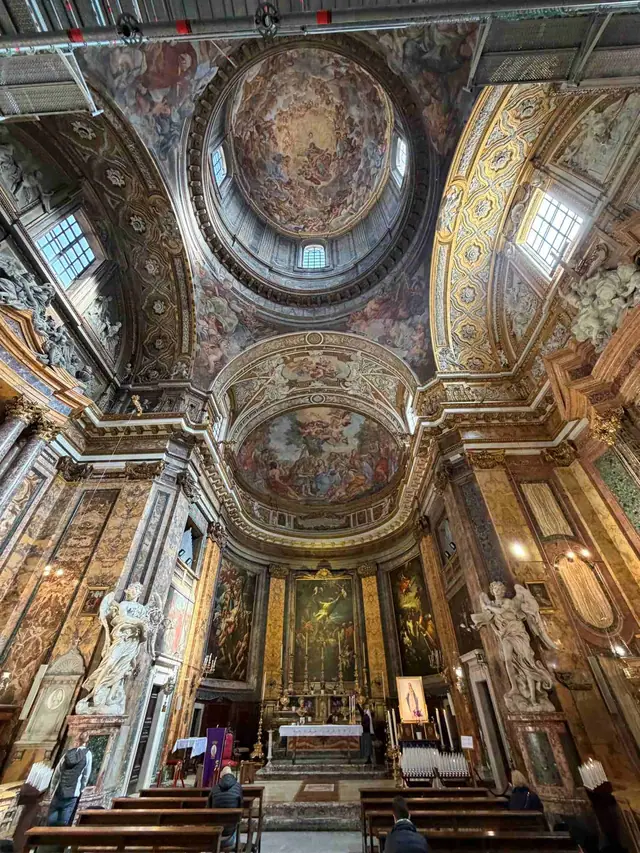
Now that we’re inside, if you look up, you’ll immediately realise that the main feature here is the dome, designed by the architect Carlo Maderno and decorated by the painter Giovanni Lanfranco.
-
42. The church that catches your eye
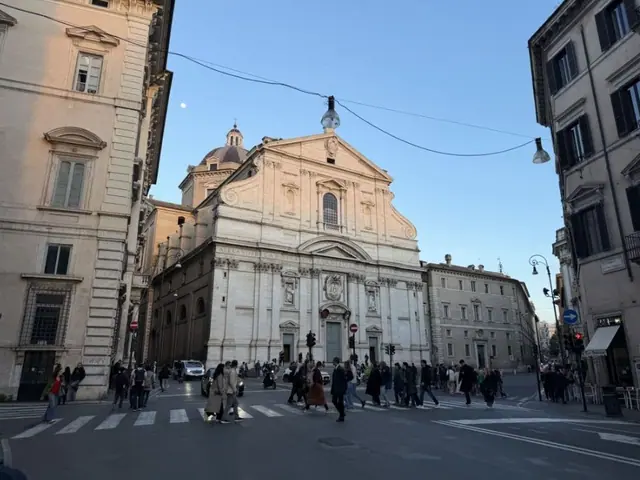
We are standing in front of the Church of the Most Holy Name of Jesus, one of the most important churches in all of Rome, as it is the mother church of the Jesuits, a Catholic religious order founded in 1540.
-
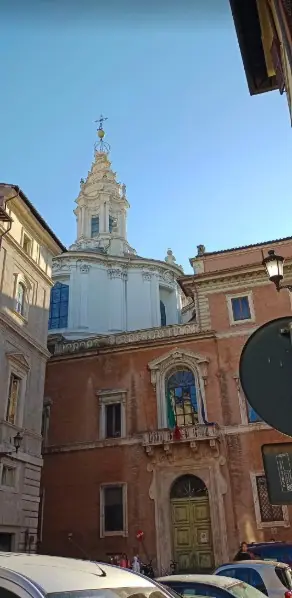
43. The Baroque face of the Jesuits
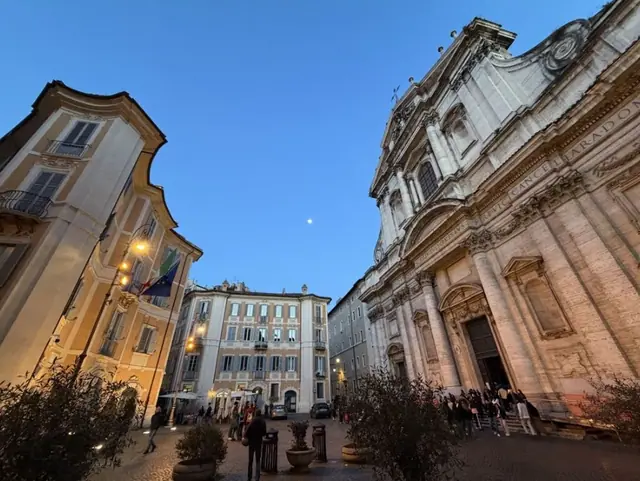
We are now in Piazza San Ignazio, one of Rome’s most Baroque squares. And if you look closely, you’ll soon see why. The buildings don’t appear still or straight; rather, they give the impression of moving slightly, because they combine straight lines with many curves.
-
44. The dome that isn’t there
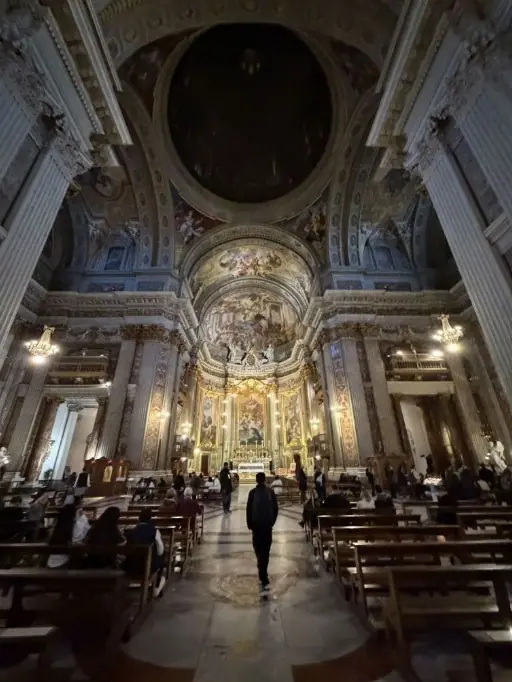
Now look up, because here is one of the great tricks of the Roman Baroque. What looks like a huge dome overhead is not a real dome, but an optical illusion, painted by the artist Andrea Pozzo in 1685.
-
45. Rome’s Jesuit secret
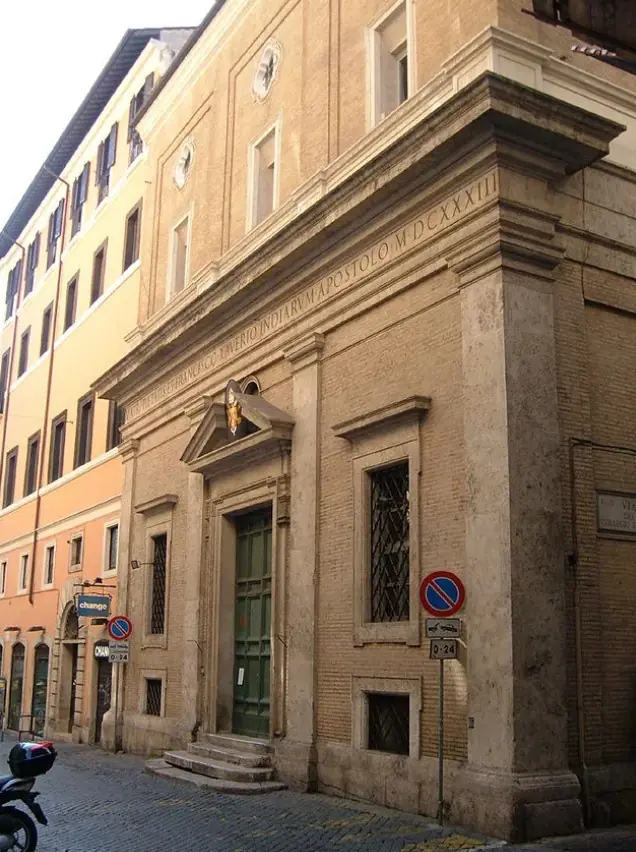
And finally, let’s take a look at a place that doesn’t rival Rome’s great domes in size, but in character. This is the Oratory of St Francis Xavier del Caravita, a little Baroque gem next to the Church of St Ignatius.
Walk them with the app
The 3 tours visit these places in order, with the full audio and the map. Free, with no sign-up.