What to see in Plovdiv on foot
16 places with their stories, the map and free audio in 15 languages.
Updated November 2026 · 4 min read · Produced by World Tour
Plovdiv in a nutshell
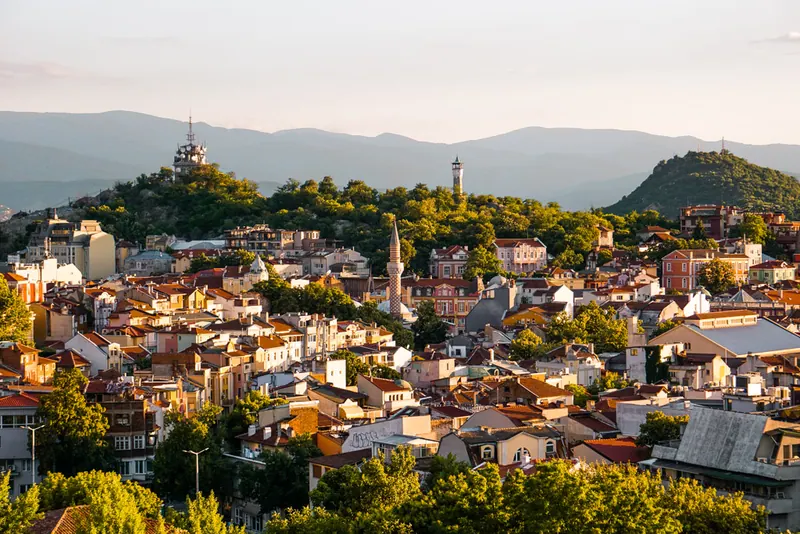
Now that you know a little about Bulgaria's history, let me tell you about Plovdiv. And get ready, because this city is something else. We're talking about one of the oldest places in Europe. Yes, older than Rome, older than Athens. There is evidence that people were already living here more than 6,000 years ago, and since then, the place has been continuously inhabited by various peoples. It is a city with many layers, like an onion, or rather, like a lasagne of history.
The places on the map
Each number is the place’s number in the list.
Plovdiv walking tour
-
1. Stefan Stambolov Square
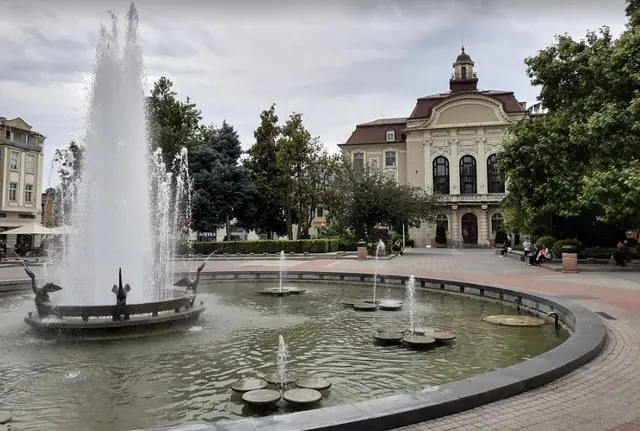
We are in Stefan Stambolov Square, one of the most central and lively squares in Plovdiv. It is named after a key figure in modern Bulgarian history, Stefan Stambolov, a revolutionary, statesman and prime minister in the late 19th century.
-
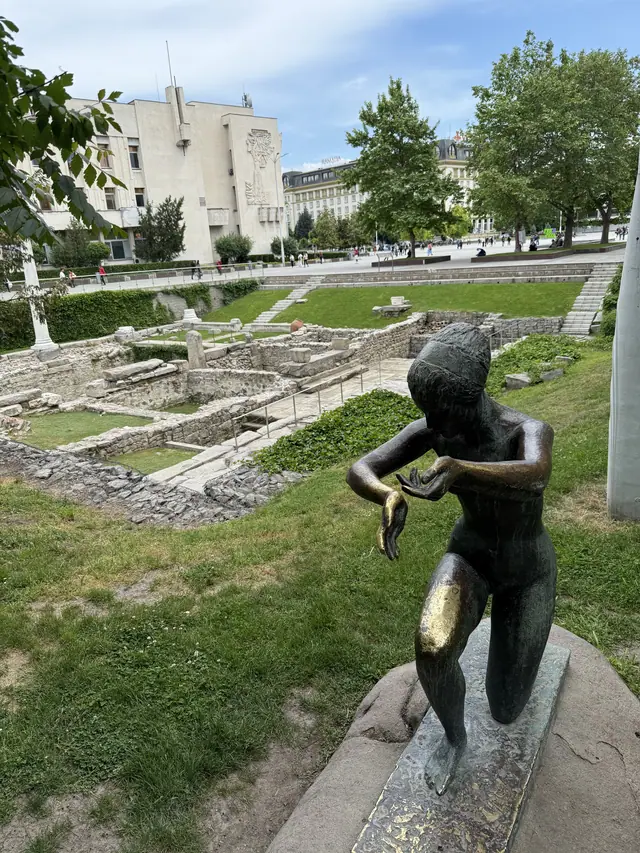
2. The oldest city in Europe
Here we are literally standing on thousands of years of history, and if you look around, you will see it with your own eyes.
-
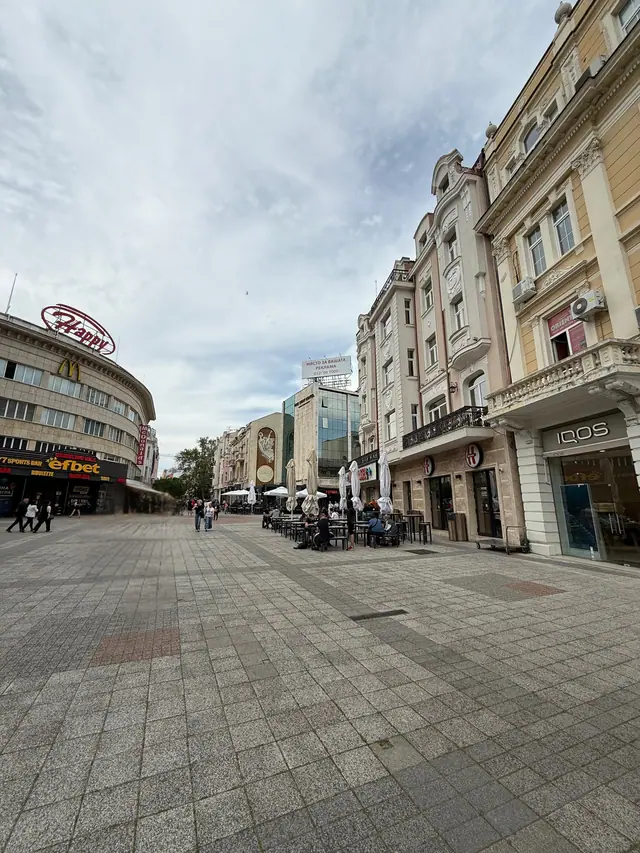
3. A contrast between two worlds
Just behind us, although not clearly visible due to the umbrellas, are the municipal government offices. And right here begins Plovdiv's main pedestrian street, which stretches for almost two kilometres. It is for pedestrians only, no bicycles, scooters or cars.
-
4. Milo and the clock hill
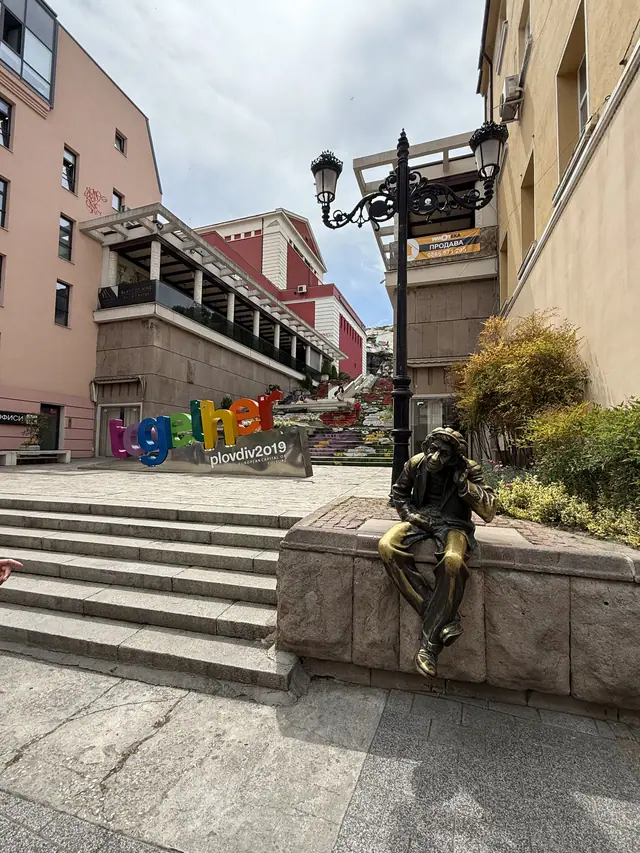
There are several important details here. Let's start with the word together That was Plovdiv's motto in 2019, when it was chosen as European Capital of Culture. And it's no coincidence, as this city has been an example of coexistence since the 15th century.
-
5. Roman Stadium in Plovdiv
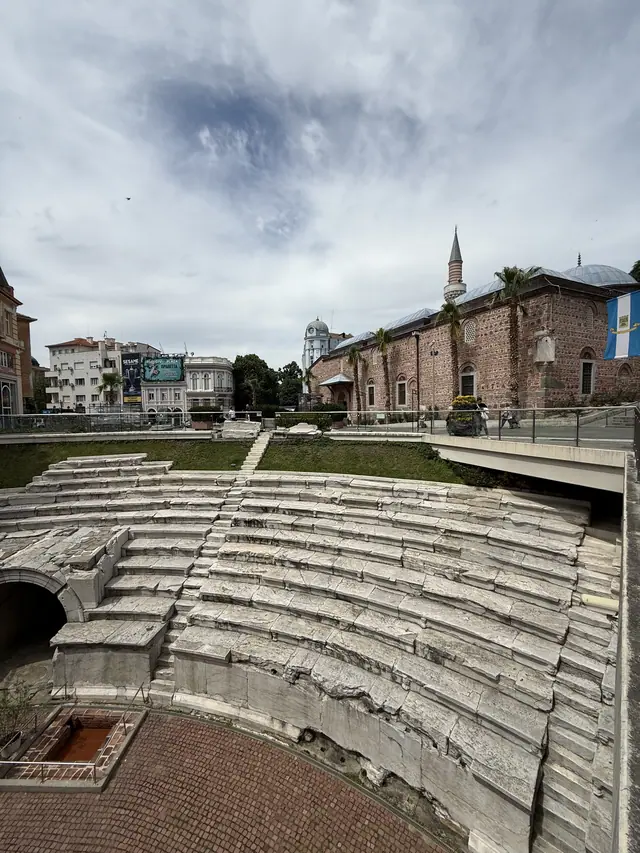
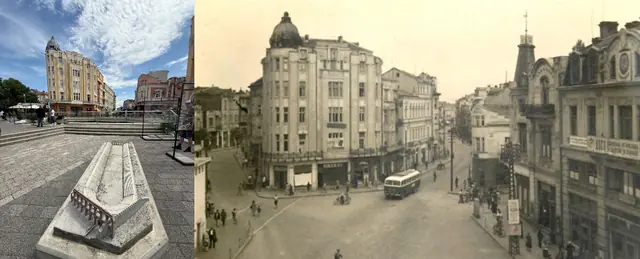
To give you an idea of its size, this stone colossus stretched from where we saw the white marble floor, next to the statue of Milo the Mad, to here. The Roman Stadium of Philippopolis, as it was then called, was built in the 2nd century AD, probably under Emperor Hadrian.
-
6. Underground Plovdiv
Here we have a model showing what the Roman stadium looked like in its original form. For much of the 20th century, this area was a street with bus and tram traffic.
-
7. The Dzhumaya Mosque
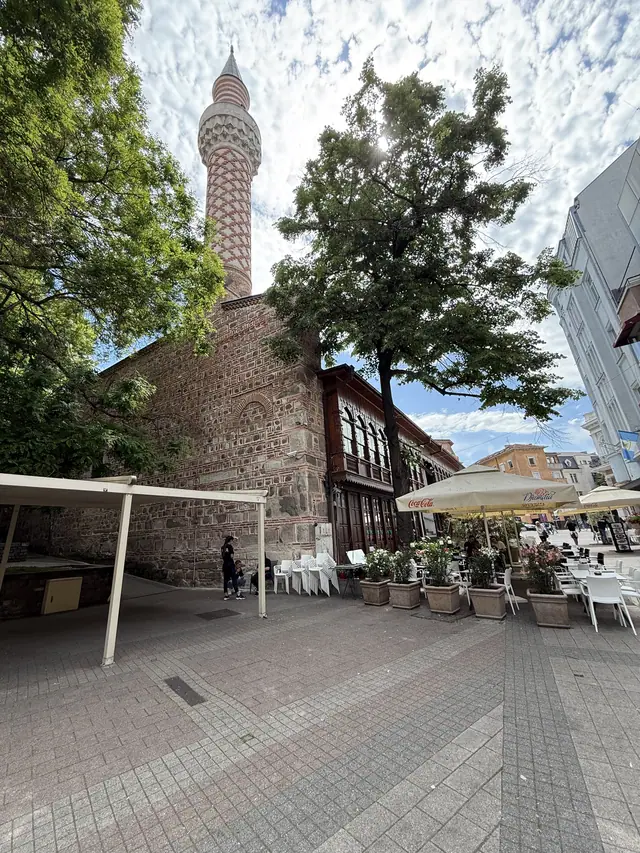
What we see here is the Dzhumaya Mosque, one of the oldest and most significant monuments of the Ottoman period in Plovdiv. Its official name is Muradiye Camii, in honour of Sultan Murad.
-
8. Kapana, the Trap Quarter
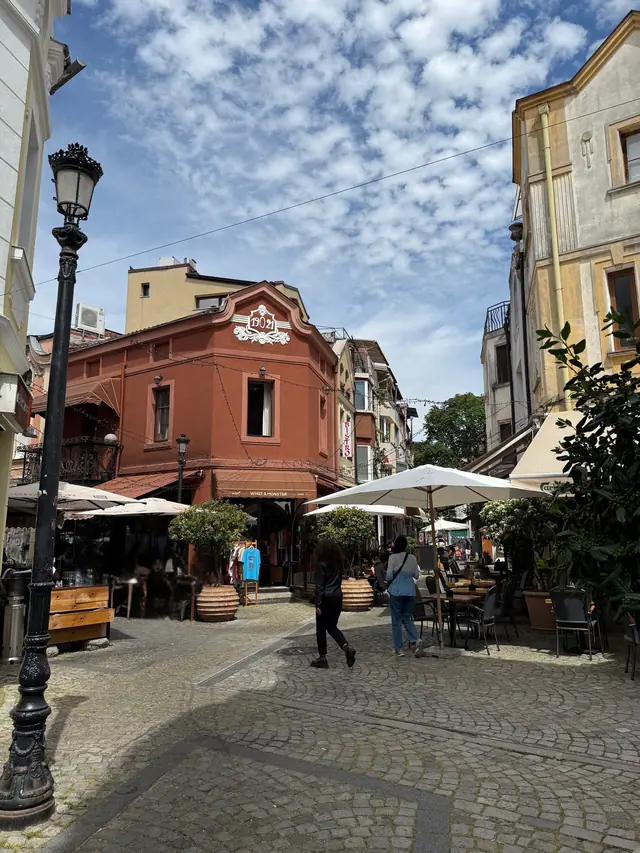
The name literally means ‘the trap,’ and I'll tell you why. This neighbourhood was founded by the Ottomans in the 15th century as a commercial area. Its narrow, labyrinthine streets resemble a spider's web: easy to enter but difficult to leave with any money.
-
9. The Merchants' Quarter
You can already feel the climb, can't you? Plovdiv is built on several hills, and taking a tour here is almost like going to the gym. We are walking on three of Plovdiv's original hills, in a protected area included on the UNESCO World Heritage List.
-
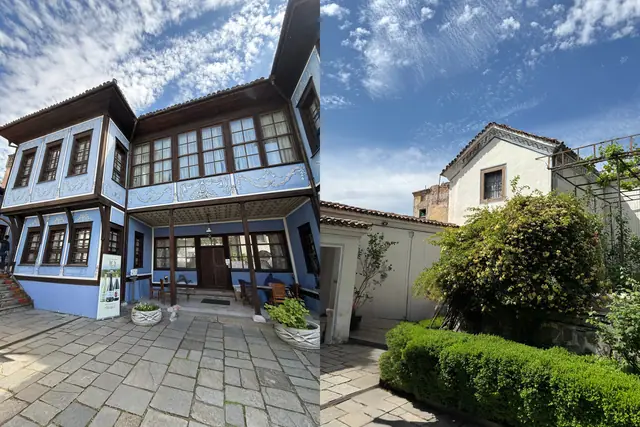
10. The Hindliyan House
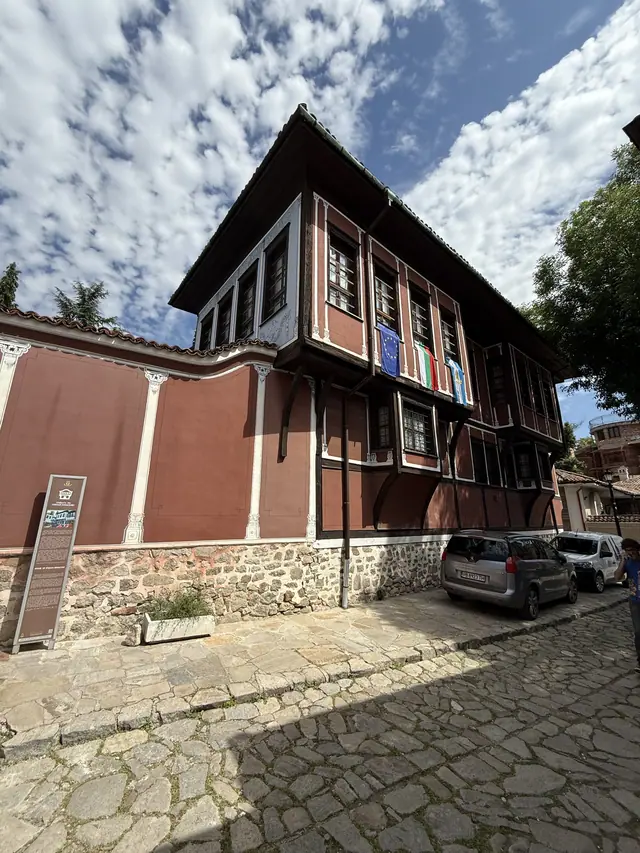
His family had trade routes that reached as far as India, and everything he brought back is reflected in every corner of this residence. In fact, the surname Hindliyan refers to this, to the one who went to India.
-
11. The identity of Plovdiv
Here I will tell you a little about the identity of the city.
-
12. The Eastern Gate
We are now standing next to Hisar Kapia, the only remaining gate of the inner wall of the old medieval city of Plovdiv. This was one of the key entrances to the acropolis and the fortified area at the top.
-
13. The hills of Plovdiv
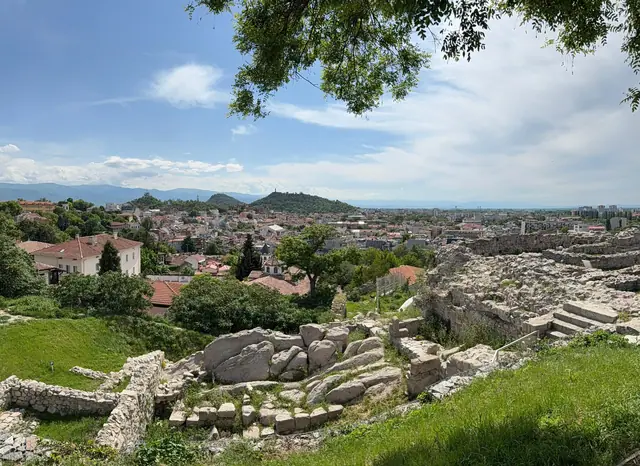
Okay, here we are on this hill that shows us a large part of the city. From here, I'll ask you a question. Do you remember how many hills this city has? Seven, although today you can only see six, as the seventh was destroyed during the 20th century.
-
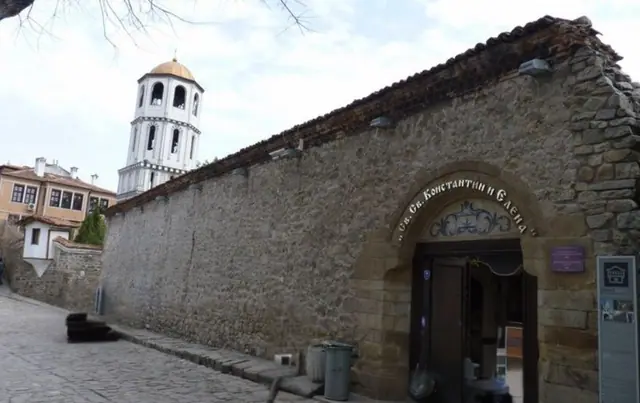
14. Church of St. Constantine and St. Helena
We arrive at one of the oldest and most beloved churches in Plovdiv, the Church of St. Constantine and St. Helena.
-
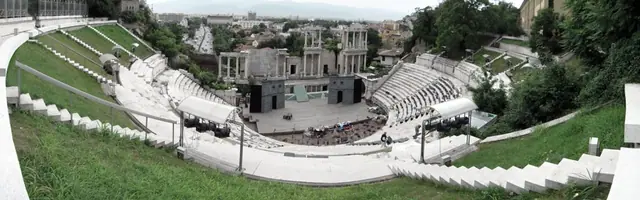
15. The Roman Theatre of Plovdiv
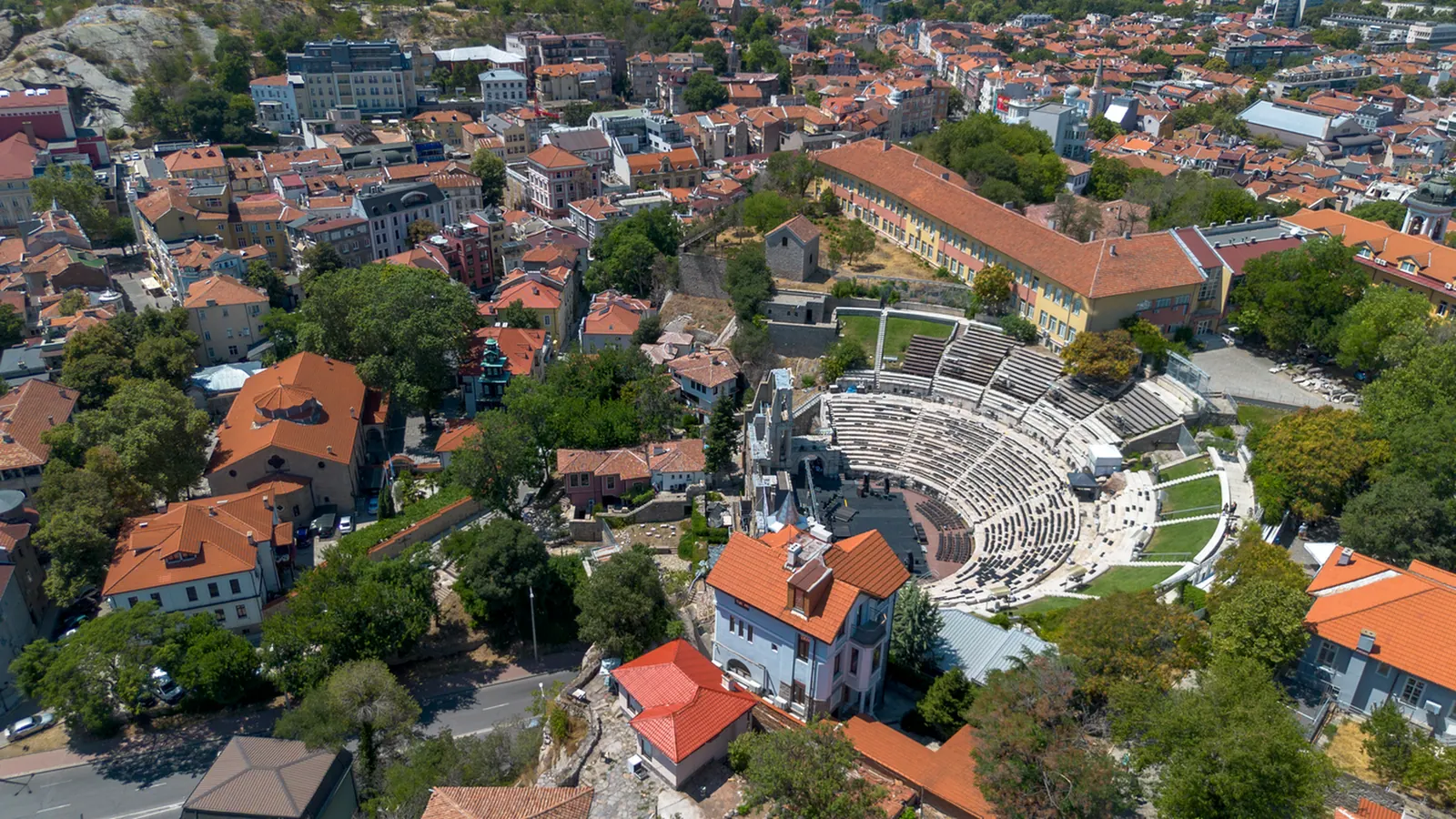
Here in front of us is one of the city's archaeological gems, the Roman theatre of Plovdiv. Like every large city in the Empire, Philippopolis had a theatre like this one.
-
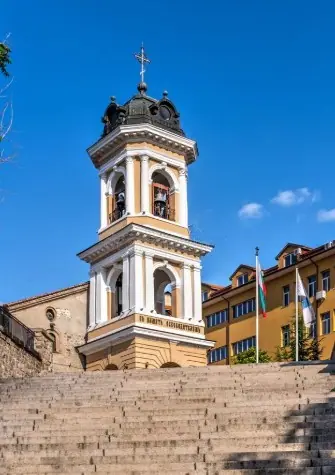
16. Church of the Assumption of Mary
Well, we've reached our last stop. And it couldn't be anywhere else but this temple, the most important Orthodox church in Plovdiv.
Walk them with the app
The tour visits these places in order, with the full audio and the map. Free, with no sign-up.