What to see in Milan on foot
42 places with their stories, the map and free audio in 15 languages.
Updated November 2026 · 9 min read · Produced by World Tour
Milan in a nutshell
Milan, a city located in northern Italy on the fertile Po Valley, has more than two thousand years of history. It has been the capital of empires, a bastion of artists, a financial centre and a symbol of renewal. Its origins date back to a Celtic settlement founded around the 6th century BC by the Insubres, a Celtic tribe from northern Italy. That place was called the middle of the plain, and its name reflects its strategic position.
The places on the map
Each number is the place’s number in the list.
Walking tour of Milan
-
1. The origins of Milan:
This isn't just any tour; we're not only going to talk about monuments or buildings, but also about the stories that give Milan its unique personality.
-
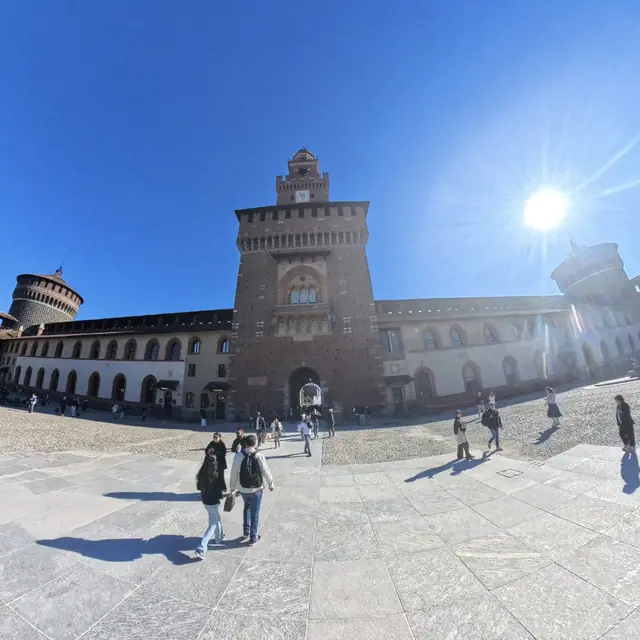
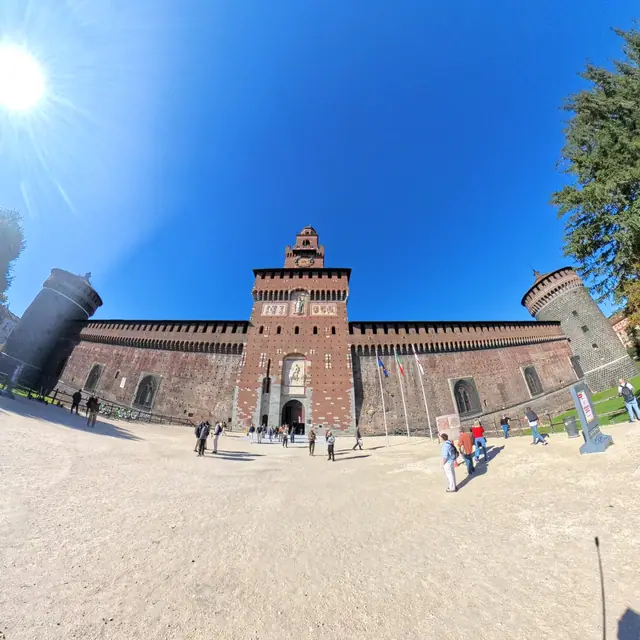
2. Sforzesco Castle
Here it is before you, Sforzesco Castle, one of Italy's most impressive fortresses and also one of the most enduring. To begin with, this castle was not built by the Sforza family, even though it bears their name.
-
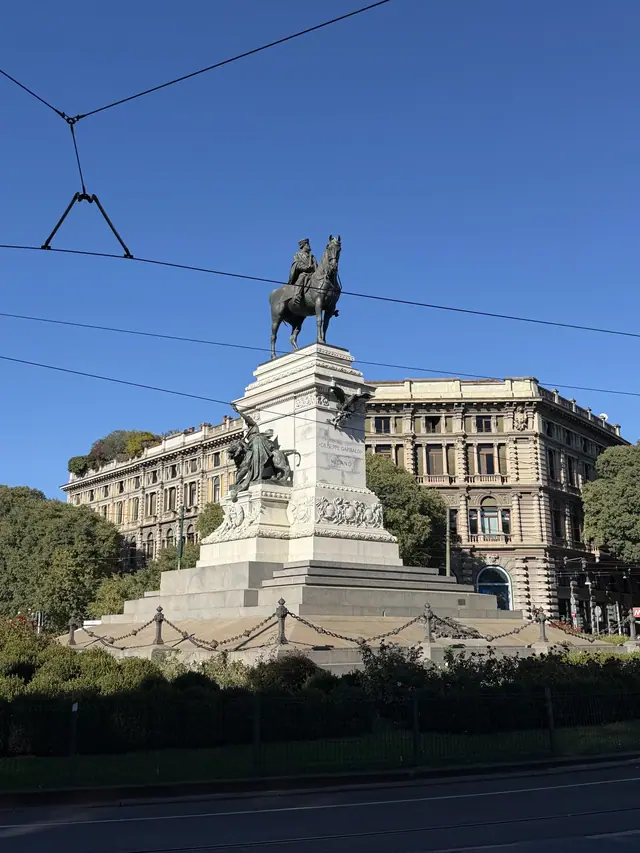
3. Hero of Two Worlds
Before continuing on your way, pause for a moment and look at the imposing statue in front of you. The man on horseback is Giuseppe Garibaldi, a name that all Italians recognise, although they do not entirely agree on whether to accept or dispute it.
-
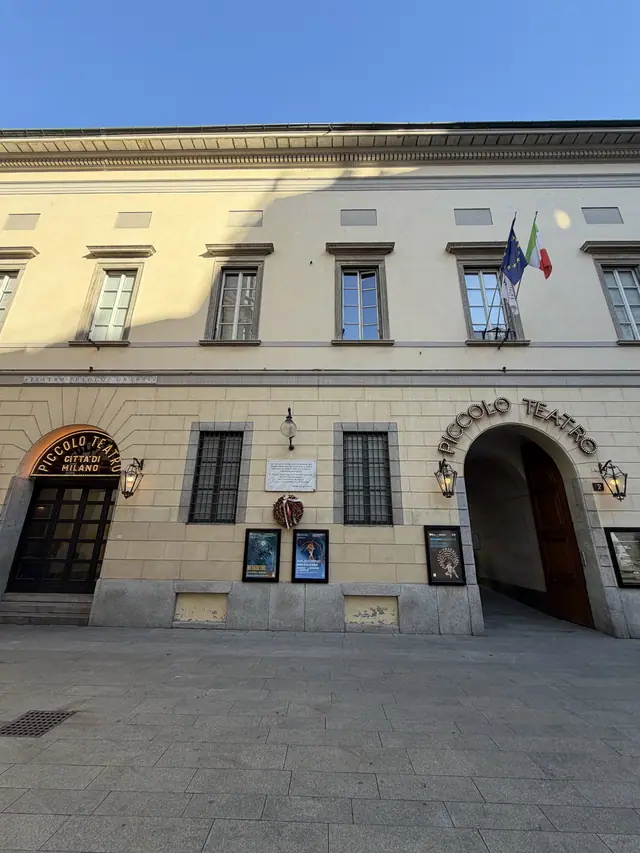
4. The Lady with the Ermine
Now, we are standing in front of a 15th-century palace, the Carmagnola Palace, the only building on this street that survived Italian unification.
-
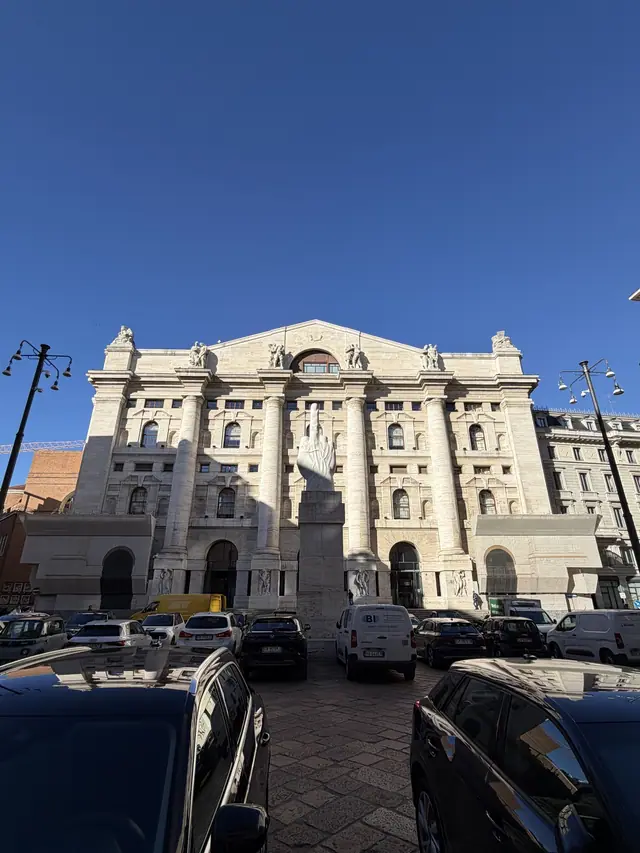
5. Italy's most famous finger
Well, we're in a very special square and I want to ask you something: do you see anything strange here? Take a good look.
-
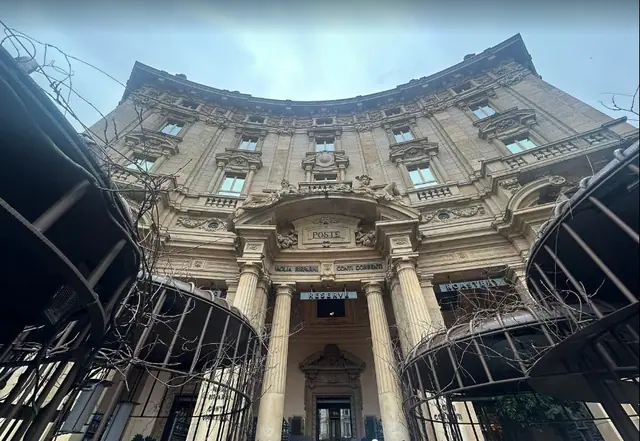
6. Post Office Palace
We are standing in front of the Post Office Palace, also known as Broggi Palace, named after its architect, located in the heart of Milan.
-
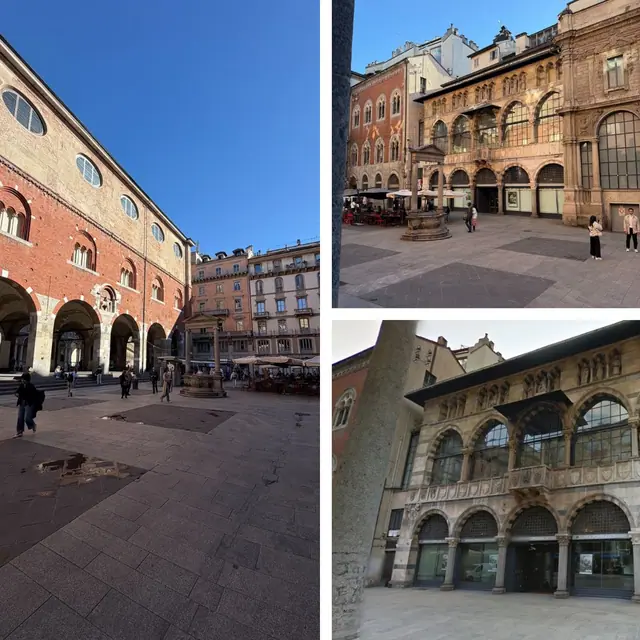
7. The Merchants' Square
We are now in one of those places that seem hidden, but which in reality hold centuries of history: the Merchants' Square. In the Middle Ages, this was the true political and commercial heart of Milan.
-
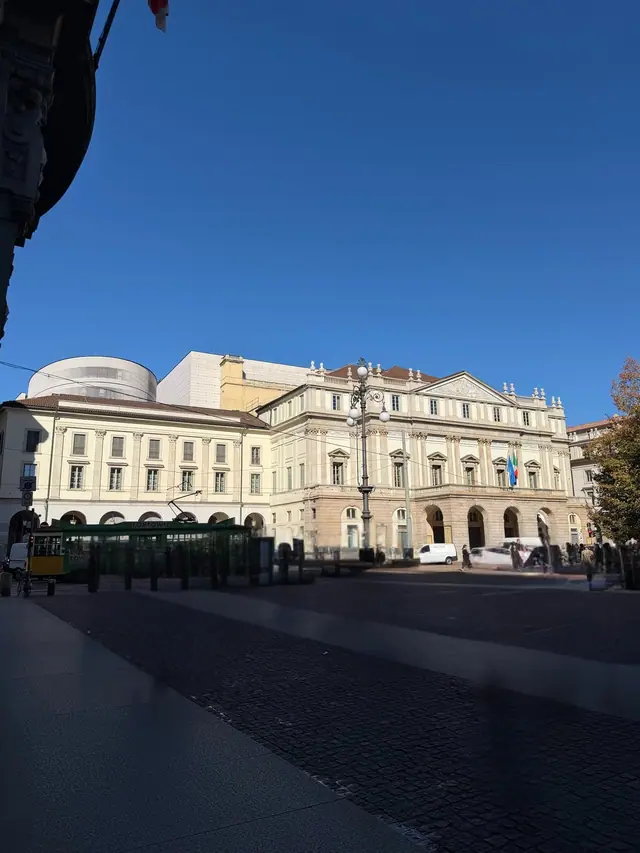
8. Scala Square
The first thing that is sure to catch your eye is the statue in the centre. It is Leonardo da Vinci, accompanied by four disciples as if he were in the middle of a master class. And the truth is that it makes sense, Leonardo lived in Milan for almost 30 years in total.
-
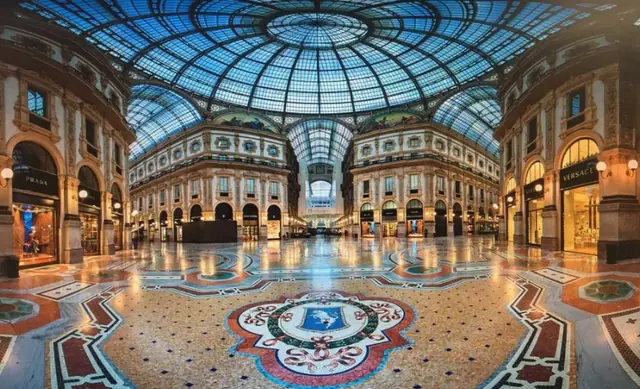
9. Galleria Vittorio Emanuele II
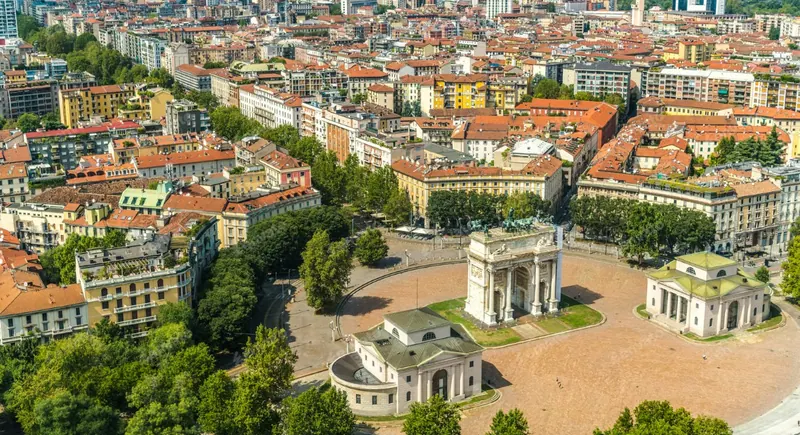
We are now in one of the most incredible places in Milan, the Galleria Vittorio Emanuele II, the city's elegant salon. Feel free to come closer, stand behind or wherever you can hear best, because it's worth understanding what you're about to see.
-
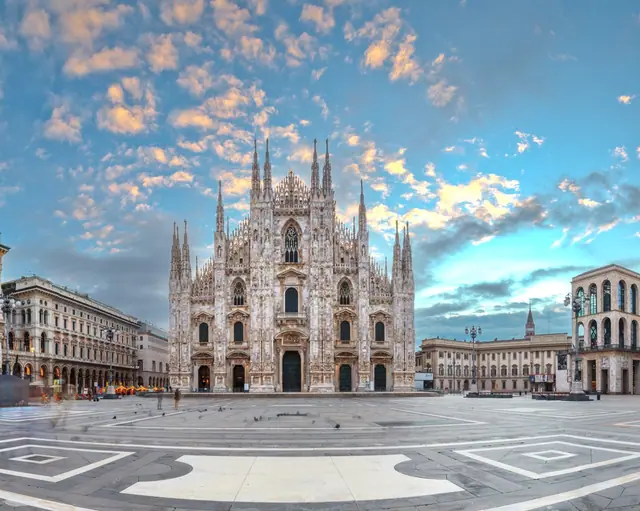
10. Milan Cathedral
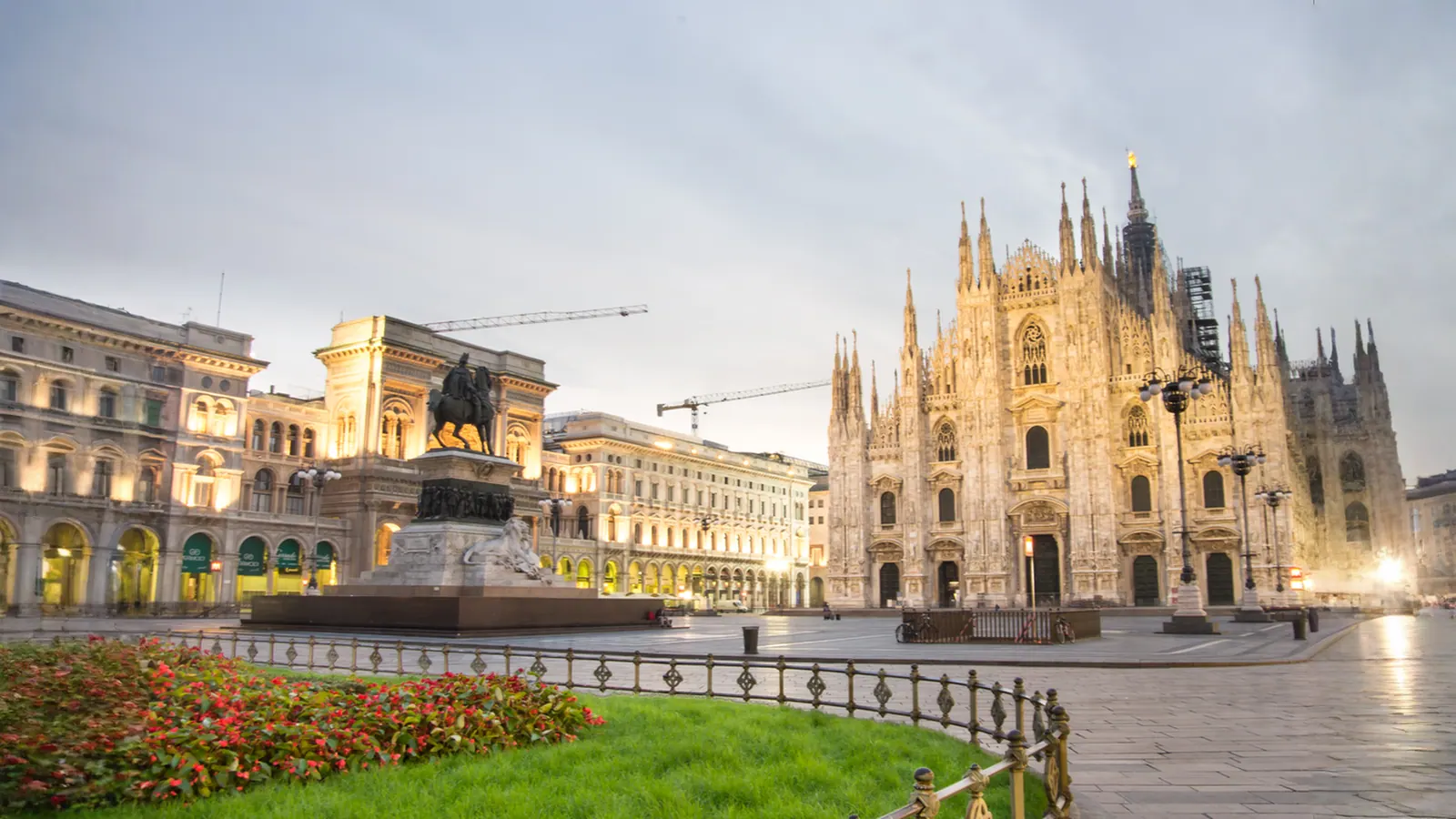
Here we are in front of Milan Cathedral, the city's main attraction. Before we begin, here's an important detail. In Italian, Duomo simply means cathedral. That's why you'll see Florence Cathedral, Siena Cathedral, Verona Cathedral, but here no surname is needed.
-
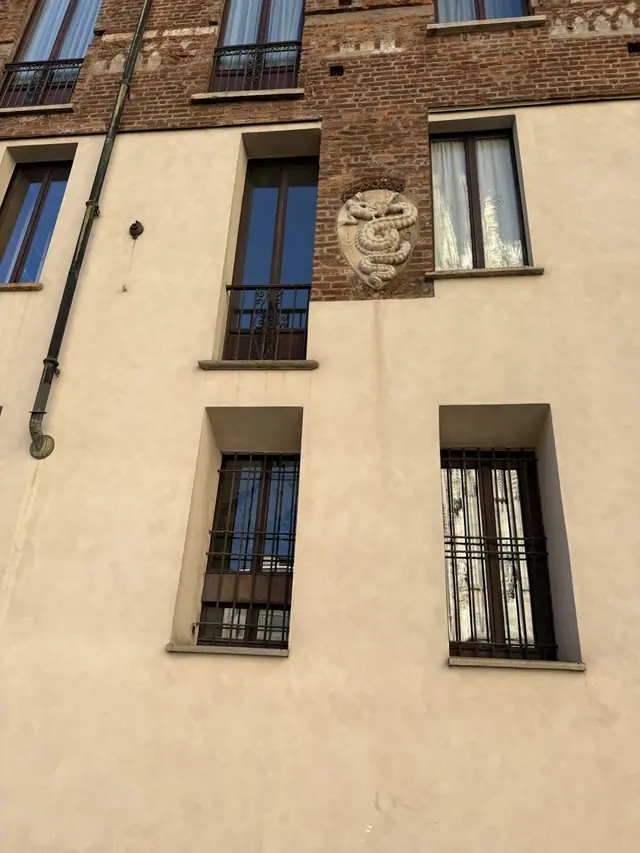
11. The Visconti Viper
Now it's time to talk about Milan's most famous and mysterious coat of arms, the giant snake devouring a man. It's a symbol that everyone has seen but few understand. Get ready, because its history combines power, legend and a lot of Milanese identity.
-
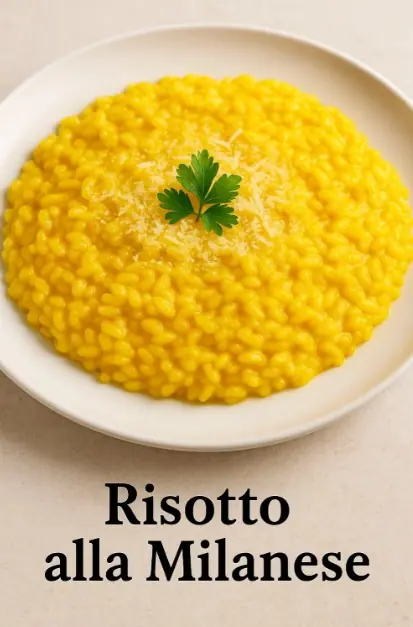
12. The Milan you can eat
Well, here we are next to the Piermarini Fountain, one of those discreet gems that Milan hides in plain sight. This fountain is named after Giuseppe Piermarini, the architect who designed the Teatro alla Scala and left his mark throughout the city.
-
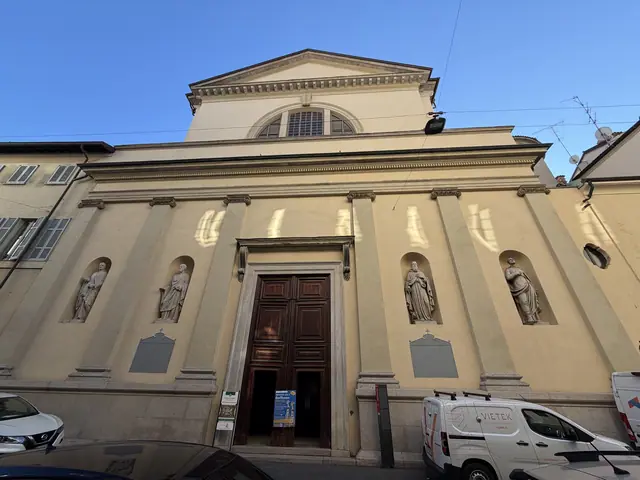
13. Church of Saint Antonio Abad
Church of San Antonio Abad Now let's talk about an extra stop, a little curiosity that many travellers overlook, but which is very interesting. And curiously, this story has an unexpected link with India. Yes, you heard right. In India, cows are sacred animals.
-
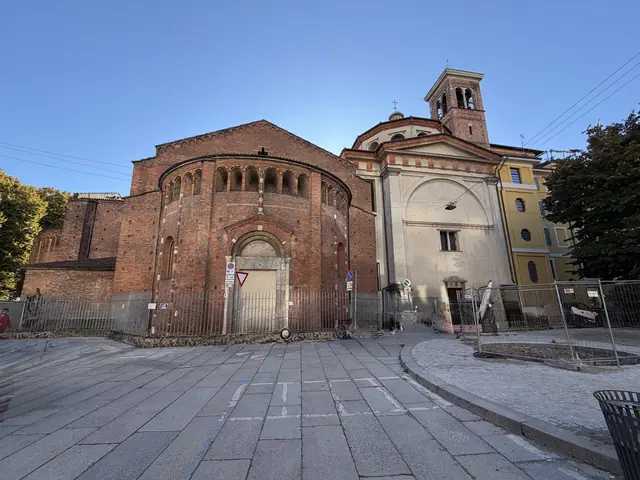
14. Basilica of Saint Nazarius in Brolo
Here we are in front of one of the oldest churches not only in Milan, but in Western Christianity: the Basilica of Saint Nazarius in Brolo.
-
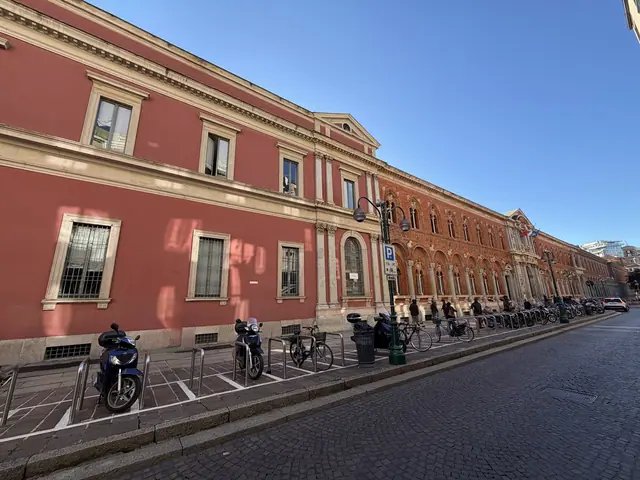
15. The Major Hospital
Here we are in front of one of the most important buildings in Milan's history, the former Ca Granda, the great Renaissance hospital that today houses part of the University of Milan.
-
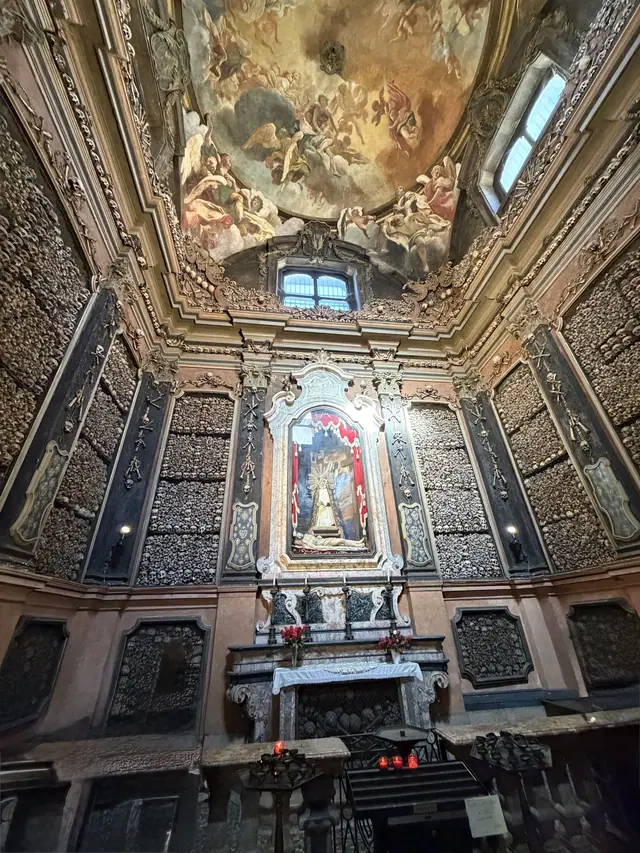
16. Chapel of Bones
Well, at this stop we are now inside the Chapel of Bones. If you haven't made it here yet, pause the audio and look for the directions from the previous stop. At Stop 15, I left you photos and the exact route to enter.
-
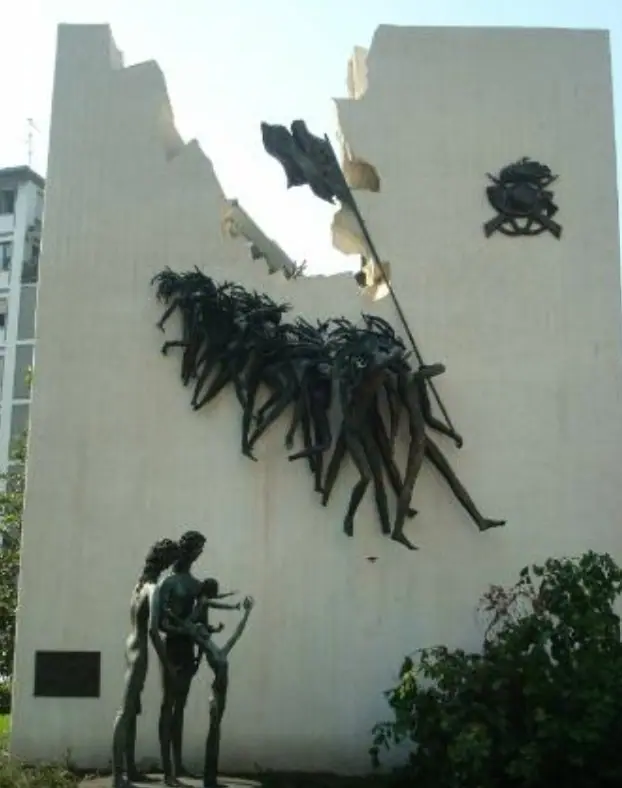
17. Monument to the Bersaglieri
Well, we are now outside the Chapel of Bones. If you still feel a little uneasy after visiting such a unique place, take a deep breath with me. From here, I will tell you some details about the church we visited.
Navigli Walking Tour
-
18. Channels of Milan
In this neighbourhood, every bend in the canal tells a story, the bridges hold secrets, and the cobblestones have witnessed centuries of Milanese life.
-
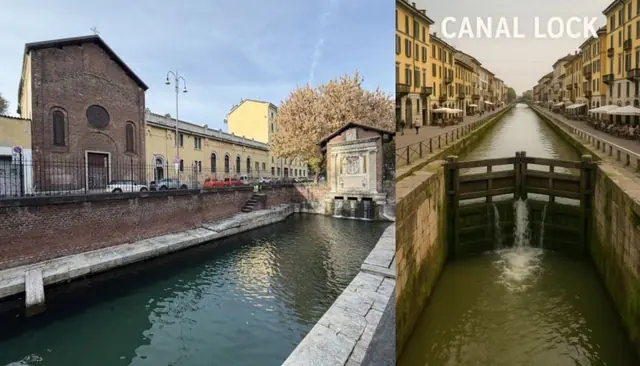
19. Naviglio Lock
Now, I want you to look straight ahead towards the canal. If you look, you will see a kind of pool with steps, and on the right, a structure with an old coat of arms.
-
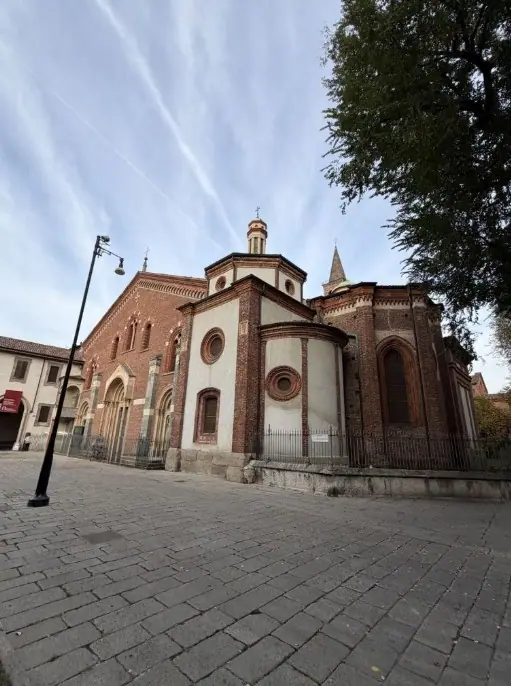
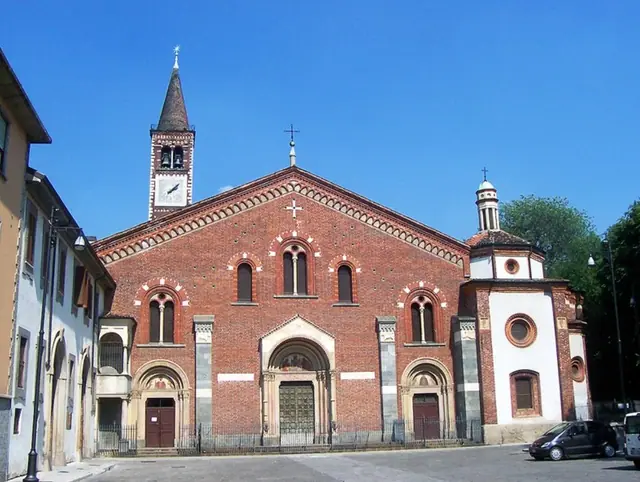
20. Basilica of the Three Wise Men
Well, here we are in front of one of Milan's favourite churches, the Basilica of Sant'Eustorgio.
-
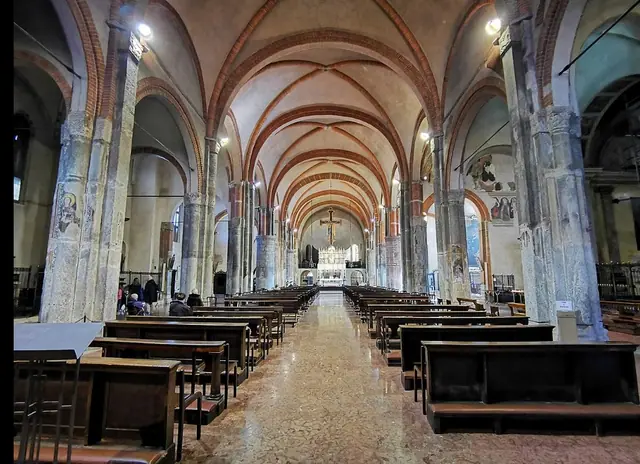
21. Interior of Saint Eustorgio
Well, we are in one of the oldest preserved Christian spaces in the city. If you look closely at the pillars inside the church, you can still see ancient paintings, which have survived to this day almost by miracle.
-
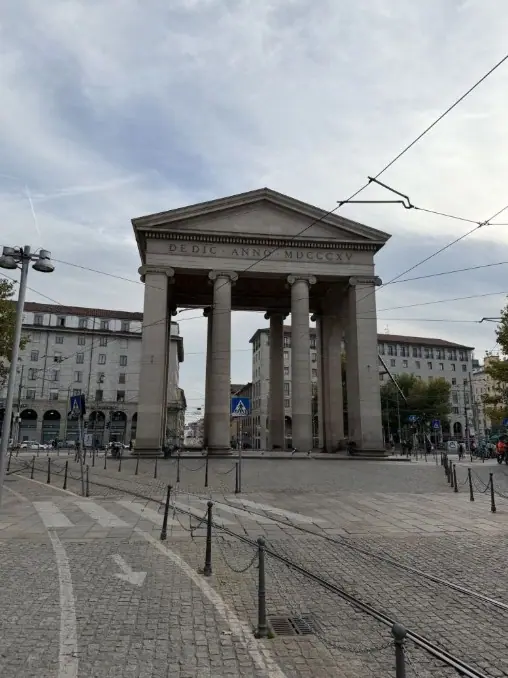
22. Arch of the Ticino Gate
Look at this imposing arch in front of us. We see it today as part of the urban transformation that Milan underwent in the early 19th century, at a time when the city was under French influence, following Napoleon's arrival, and then under Austrian control.
-
23. The Spanish and the Navigli
Now we are going to delve into a part of history that is rarely told, but which explains a great deal about the neighbourhood and these canals: the Spanish era.
-
24. Naviglio Pavese
Here we are in front of one of the historic canals of the Navigli, the Naviglio Pavese, a canal that, although it seems quiet and simple today, has a history behind it worthy of an engineering soap opera.
-
25. The Aperitif
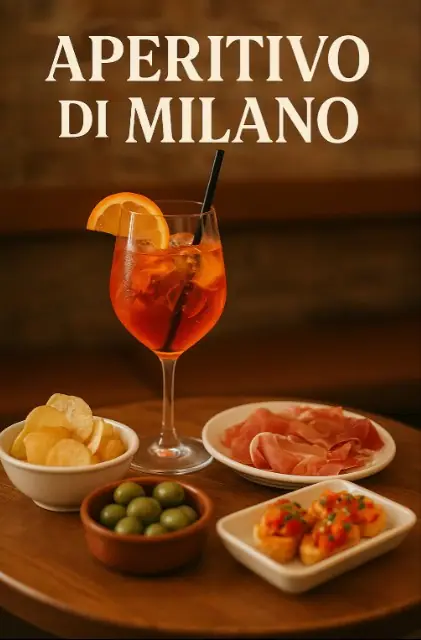
As we walk through this neighbourhood, I want to tell you another of its secrets. When the afternoon approaches, a quintessential Milanese ritual begins: the aperitivo.
-
26. Open Gallery
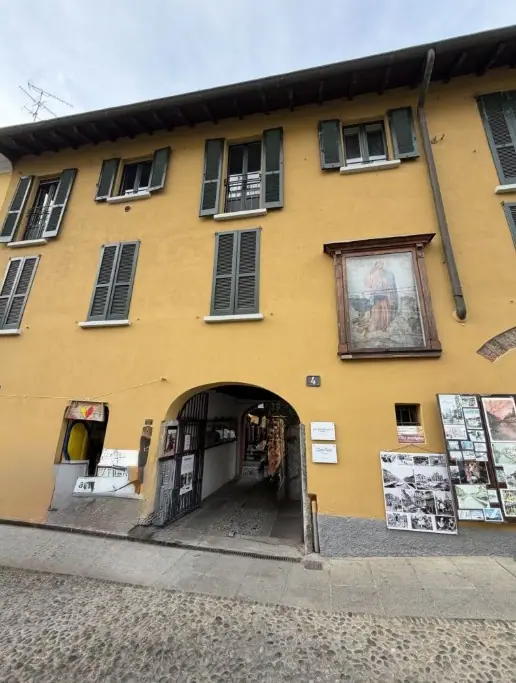
We are now in a very special place. From the outside, it looks like a normal neighbourhood building, with shutters, shops, and walls steeped in history. But it functions as a private art gallery, although it is open to the public.
-
27. Railway Houses
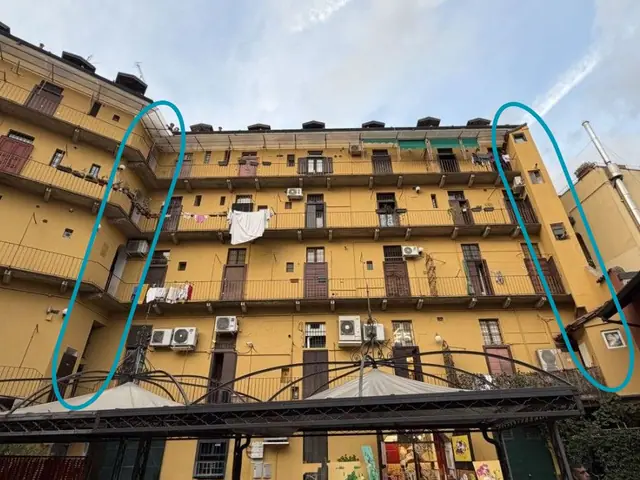
We are now in the central courtyard of a residential complex that is very typical of Milan, known as railway houses.
-
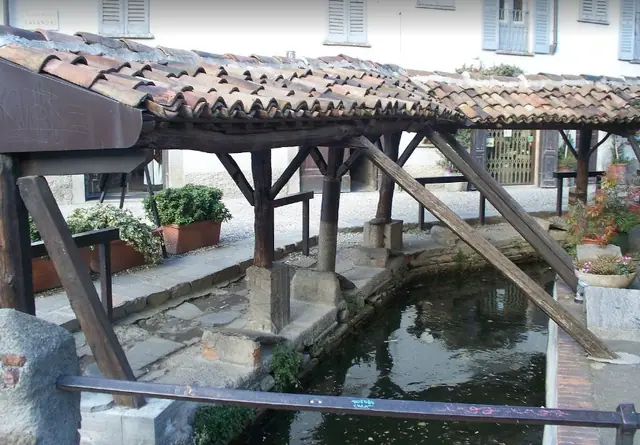
28. Washermen’s Alley
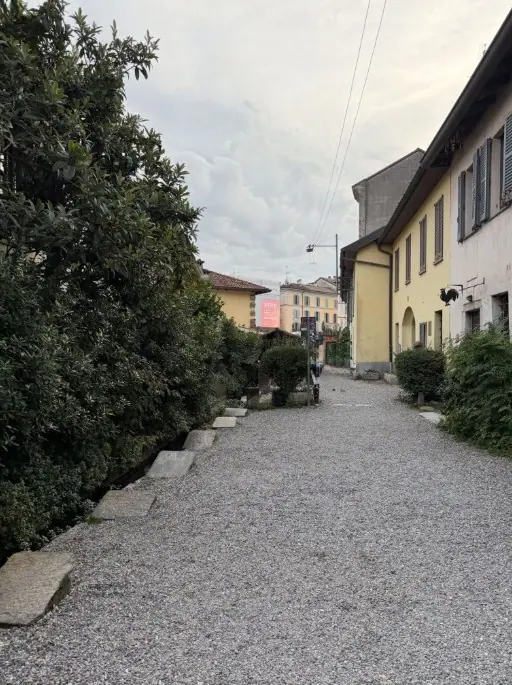
We are in the Alley of the Washermen, one of those little corners of Milan that survived modernity through sheer stubbornness and charm.
-
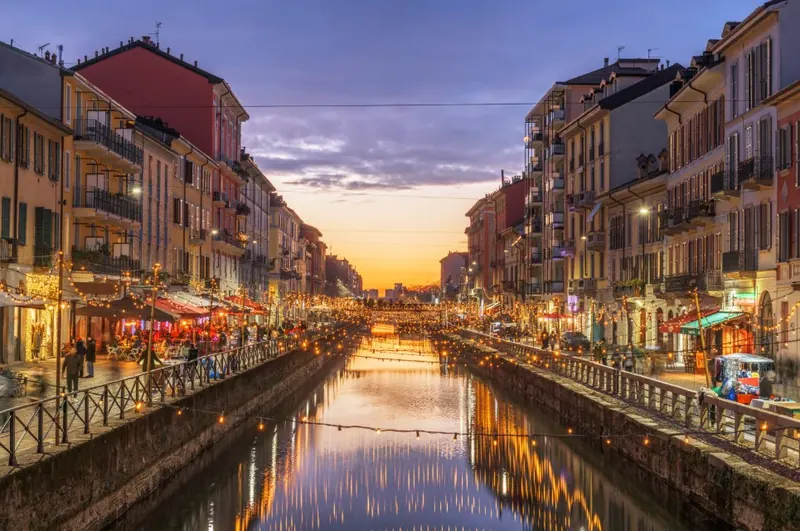
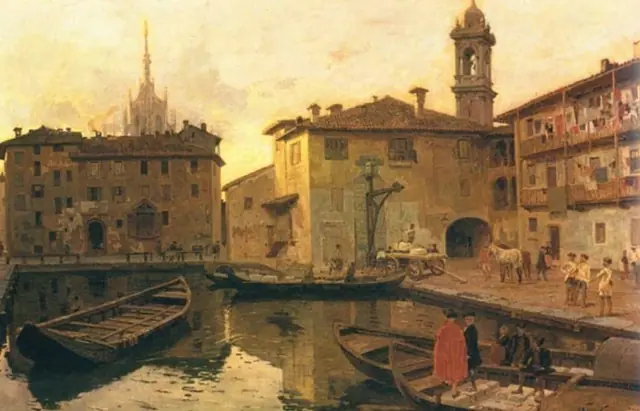
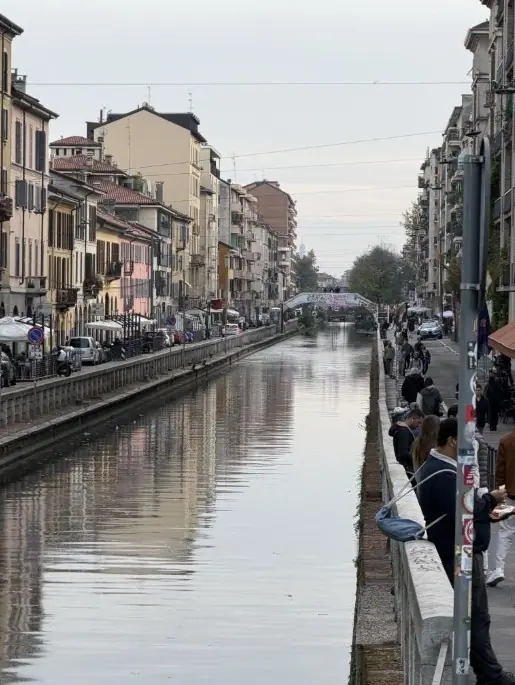
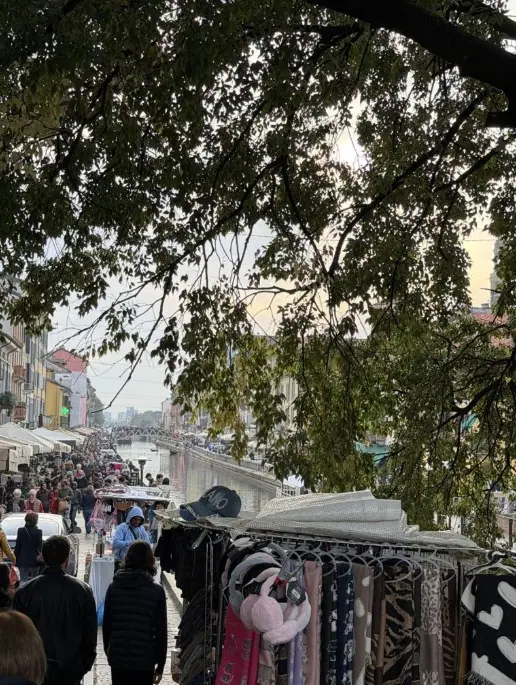
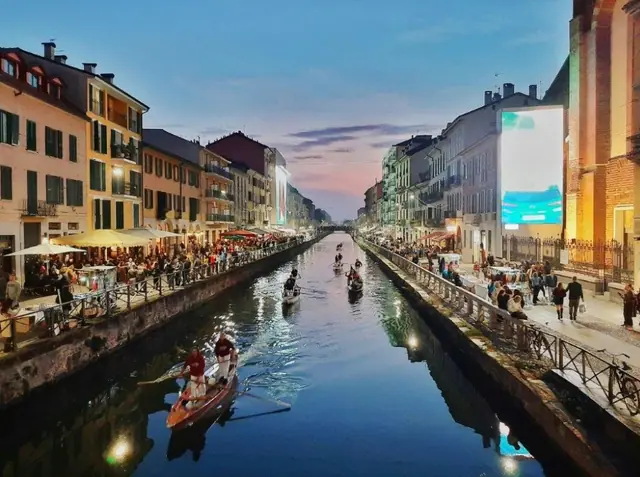
29. Naviglio Grande
Now that we are standing in front of the Naviglio Grande, Milan's most famous and iconic canal, it is important to understand everything behind it. Although many people think that Leonardo da Vinci was the creator of the Navigli, this is not true.
Hidden Milan Walking Tour: Traces of Fascism
-
30. The Capitoline Wolf
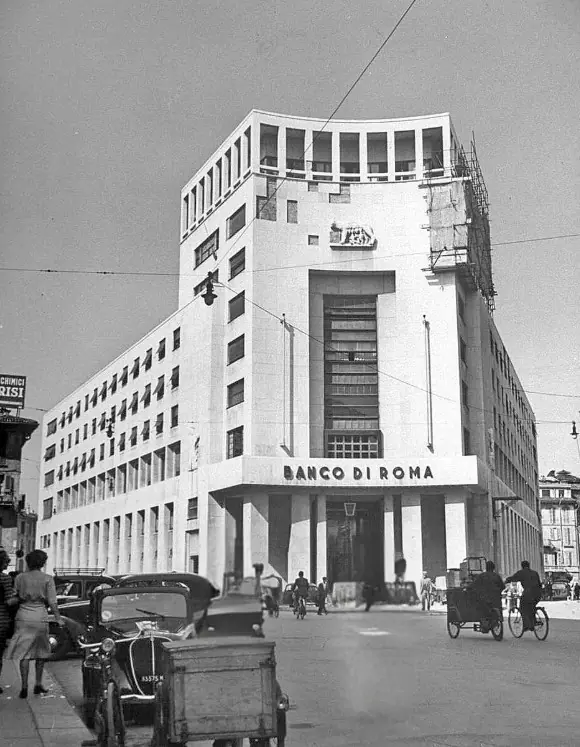
Traces of Fascism. This is not your typical tour of postcards or iconic places. Today we are going to walk through corners that almost no one looks at twice, but which hold powerful, uncomfortable and very revealing stories.
-
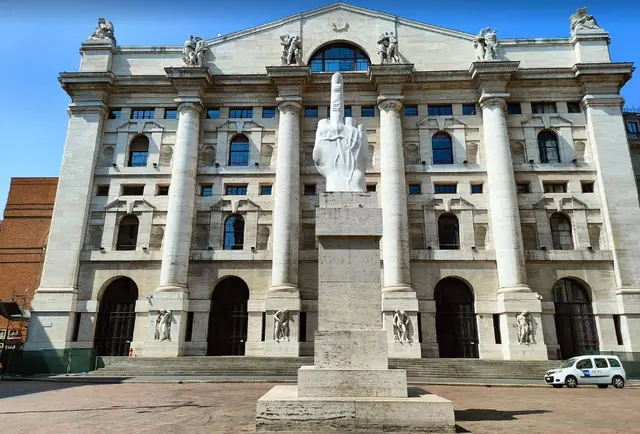
31. Business Square
Here we are in the financial heart of Milan, where the thing that will surely catch your eye is the finger, the famous sculpture by Maurizio Cattelan. Its official name is Love in English, but here everyone simply calls it the little finger.
-
32. Ruins of the Imperial Palace
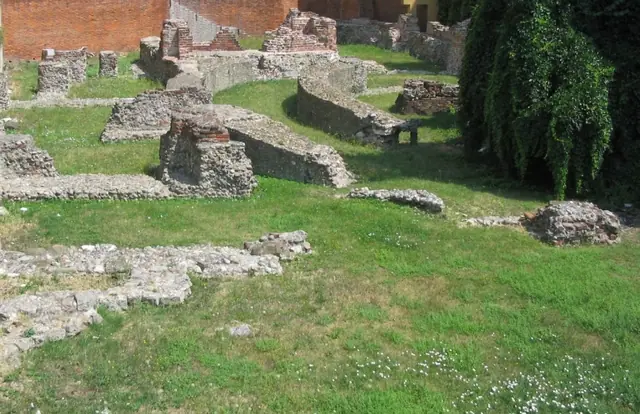
Well, if you think about it, Milan changes scenery every few streets, and this is an example of that.
-
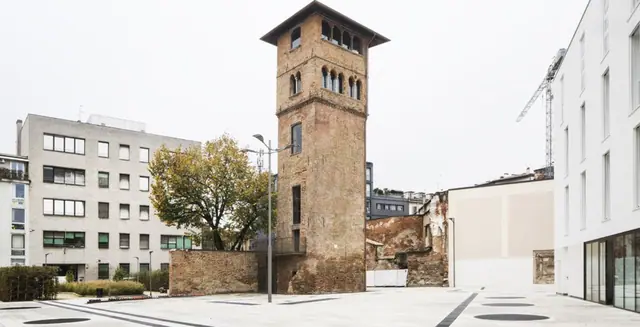
33. Gorani Tower
Here we are on Via Brisa, one of Milan's favourite spots because here, different eras blend together without asking permission. Look around you: next to us are Roman ruins.
-
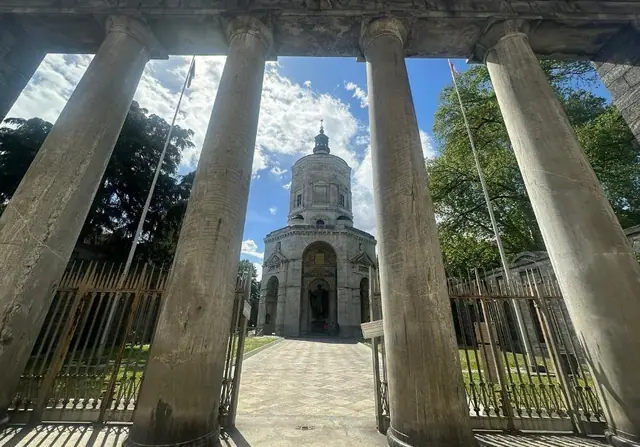
34. Temple of Victory
Here we are in front of the Temple of Victory. This monument was built to honour the Milanese soldiers who fell in the First World War. But remember what we already know: in the Second World War, Milan was heavily bombed, and the temple also suffered damage.
-
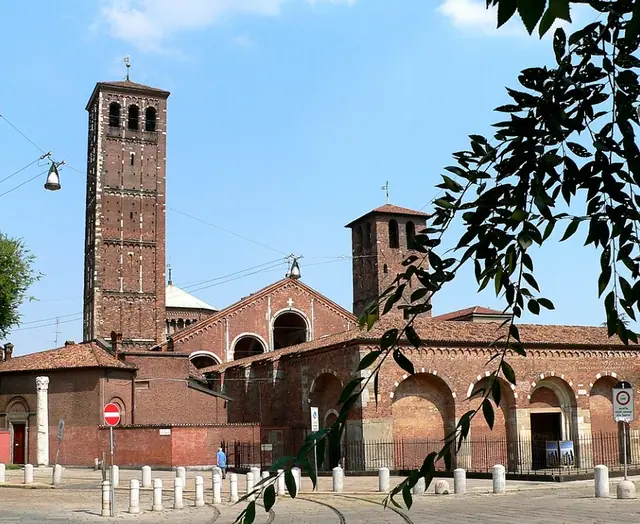
35. Basilica of Saint Ambrose
Look where we are. This enormous church is the Basilica of Saint Ambrose, one of the most important places in Milan's spiritual history.
-
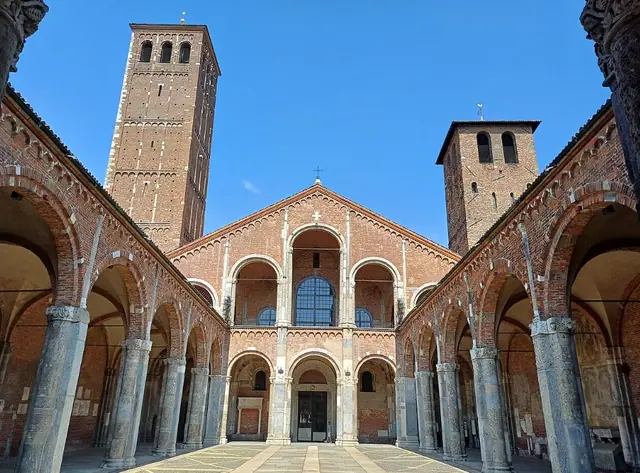
36. Interior of Saint Ambrose
Here, inside the basilica's inner courtyard, let me tell you something that will help you better understand this place and everything it represents. First, the concept of a basilica did not originate as something religious.
-
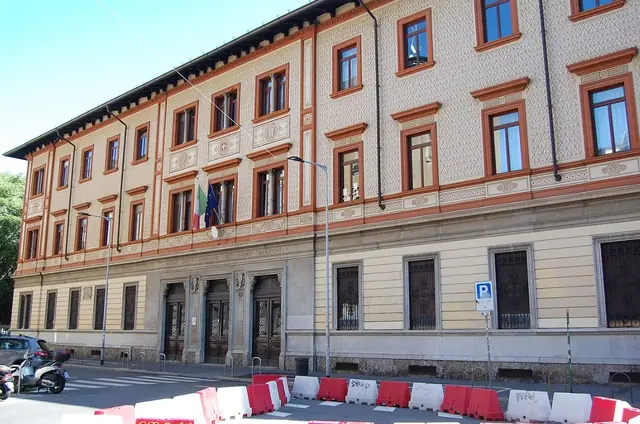
37. Alessandro Manzoni High School
You're probably wondering what we're doing standing here in the middle of this quiet street. The important thing is not the location but the building right in front of you.
-
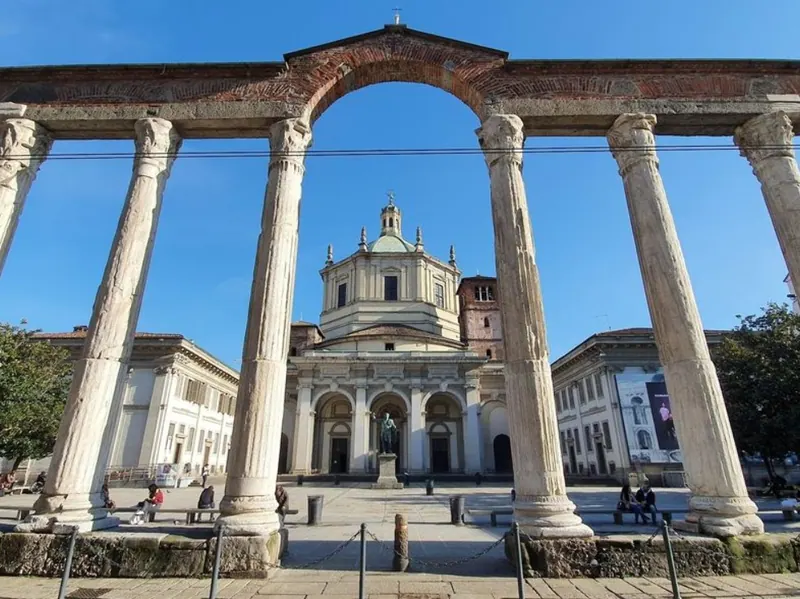
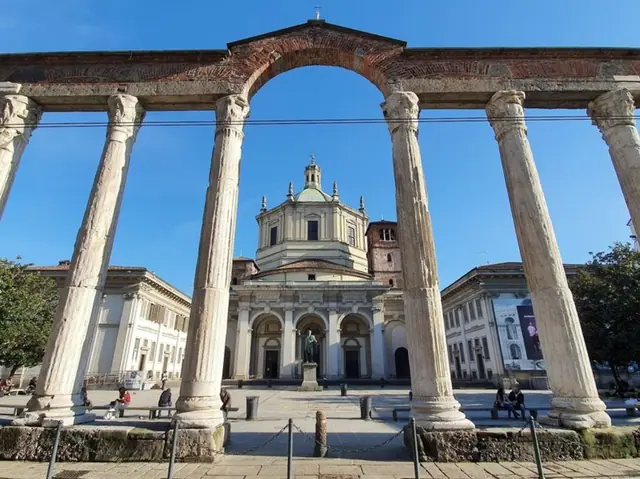
38. Columns of Saint Lawrence
Look around you. This area has a special atmosphere and is steeped in history, but before I talk about that, I want to tell you about the background to this area and the changes it has undergone. When Mussolini died, fascism fell with him.
-
39. Basilica of Saint Eustorgius
Let's see, a quick question to get into the spirit What is the most famous star in the Christian world? Exactly, the one that guides the Three Wise Men. And that brings us to this place, which, although it is not called the Basilica of the Three Wise Men, could easily be.
-
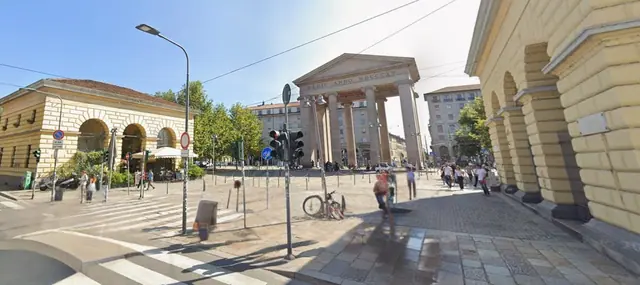
40. Tessino Gate
Take a look at that monumental gate with large pillars right in front of us. It's worth taking a closer look, because three layers of history come together here at a single glance. Milan has had three city walls throughout its history.
-
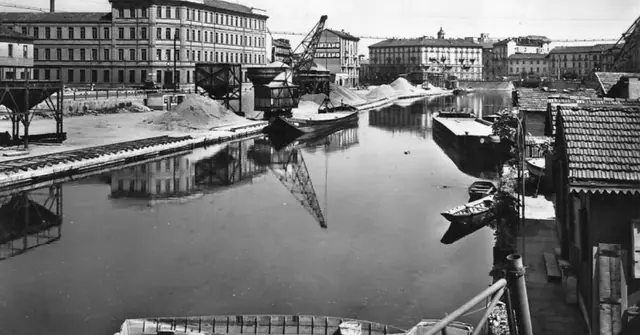
41. The Darsena and the Navigli
This area is called the Darsena and is one of those places that Milanese people use as a reference point whenever they ask for directions. And it's no coincidence: what you see in front of you is an artificial lagoon, but not just any lagoon.
-
42. Launderers’ Alley
This is a quiet residential area, almost suspended in time. It is as if the city suddenly lowered its voice. We are in Launderers’ Alley, a narrow street whose name says it all: this is where the city's communal laundries were located.
Walk them with the app
The 3 tours visit these places in order, with the full audio and the map. Free, with no sign-up.