What to see in Madrid on foot
68 places with their stories, the map and free audio in 15 languages.
Updated November 2026 · 14 min read · Produced by World Tour
Madrid in a nutshell
The history of Madrid is curious because, unlike many large European capitals, it was not founded as an important city nor did it play a leading role in ancient times. In fact, for centuries it was little more than a small town with no political influence. Its known origins date back to the 9th century, when Emir Muhammad I of Córdoba ordered the construction of a fortress on a promontory next to the Manzanares River.
The places on the map
Each number is the place’s number in the list.
Madrid Walking Tour
-
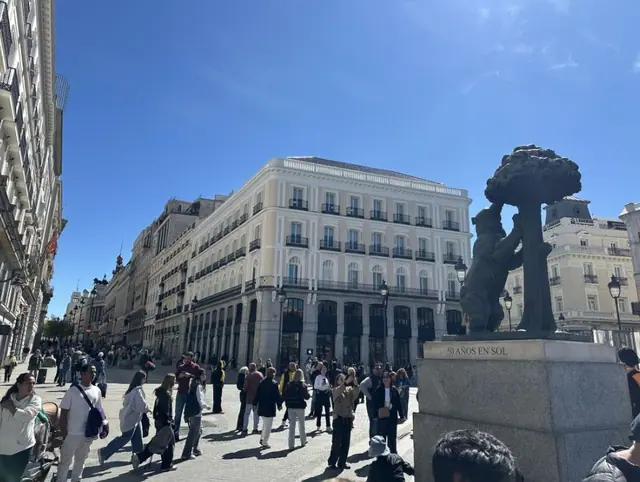
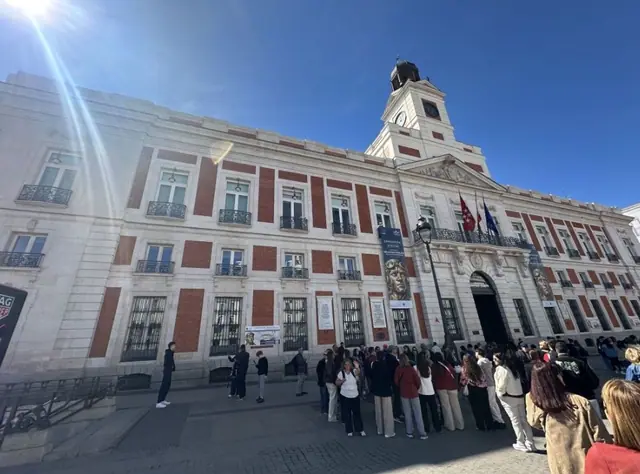
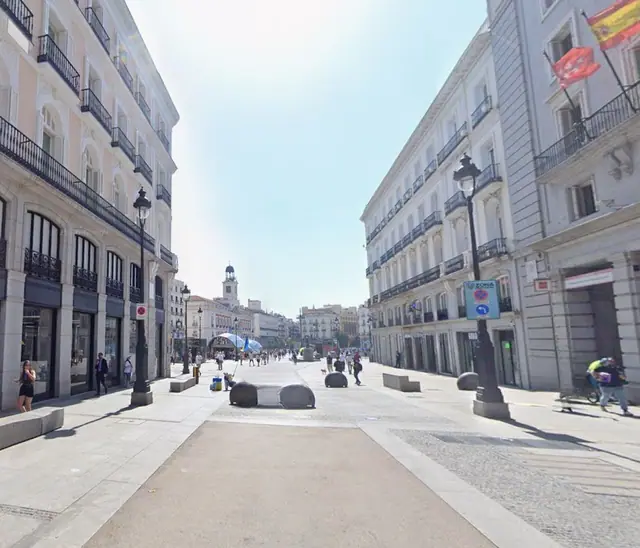
2. Kilometre Zero
Take note of something important: Puerta del Sol isn’t just one of Madrid’s most famous landmarks. It’s also a place where the city remembers.
-
3. The city that eventually became the capital
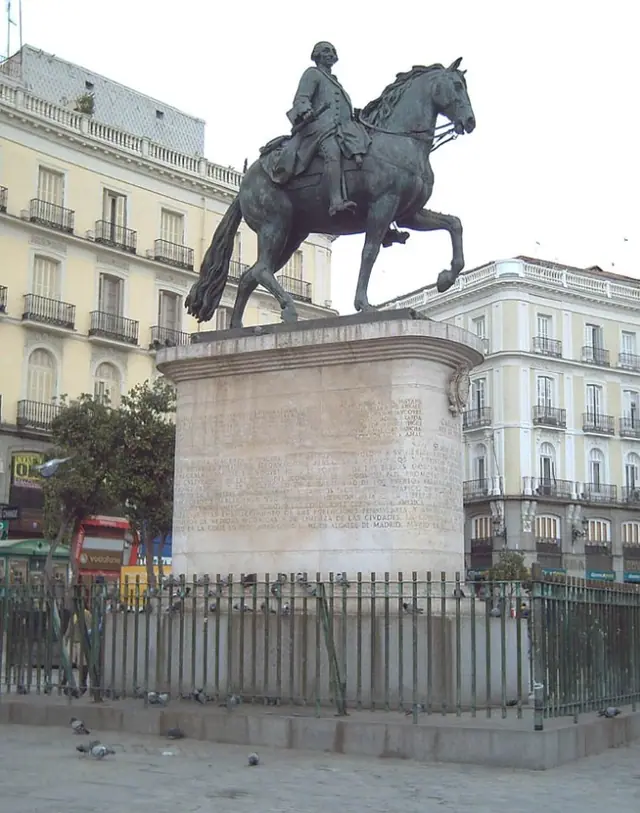
Now take a look at this large equestrian statue; it depicts King Charles III, one of the most influential figures in Madrid’s transformation.
-
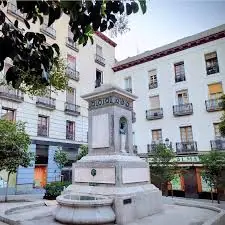
4. Pontejos Square
If you look around, you’ll notice the atmosphere in this area is already starting to change. We’re in Pontejos Square, a small square in the centre of Madrid, best known for its tradition of haberdasheries and textile shops.
-
5. The House of the Tooth Fairy
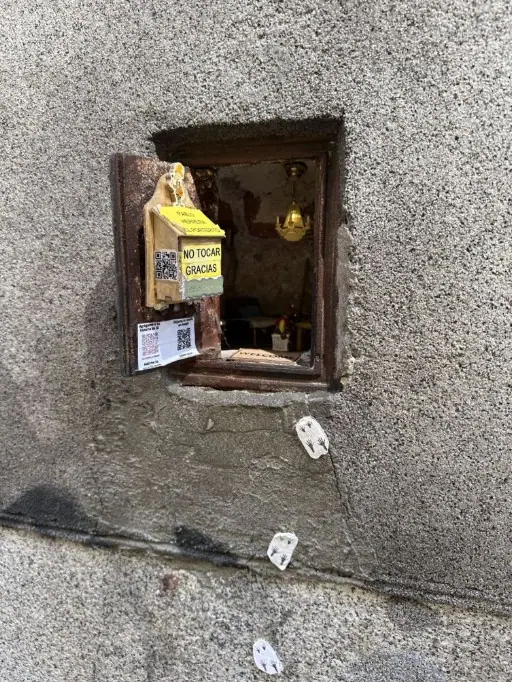
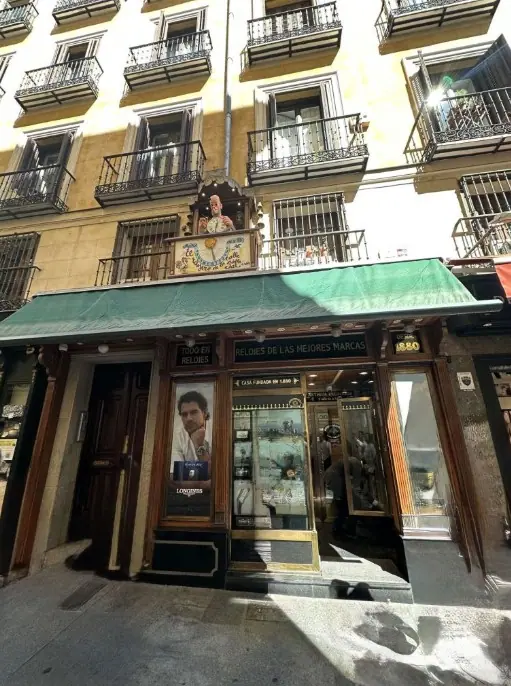
Here we are at one of the most curious and charming spots in Madrid: a little house belonging to the Tooth Fairy. And although it sounds like a fairy tale, here the city manages to blend fantasy and memory with a touch of magic.
-
6. The Comb Inn
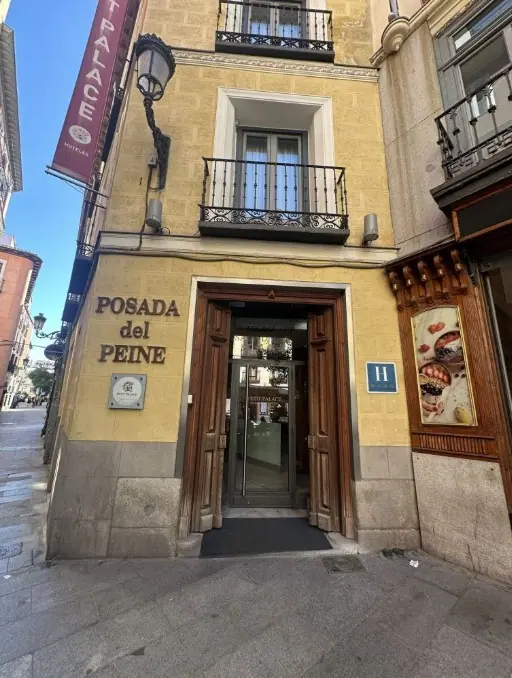
Right opposite, we have one of those places that looks as though it’s straight out of another century: the Comb Inn, founded in 1610 and considered the oldest hotel in Madrid, as well as one of the oldest inns in Spain.
-
7. Salt Street
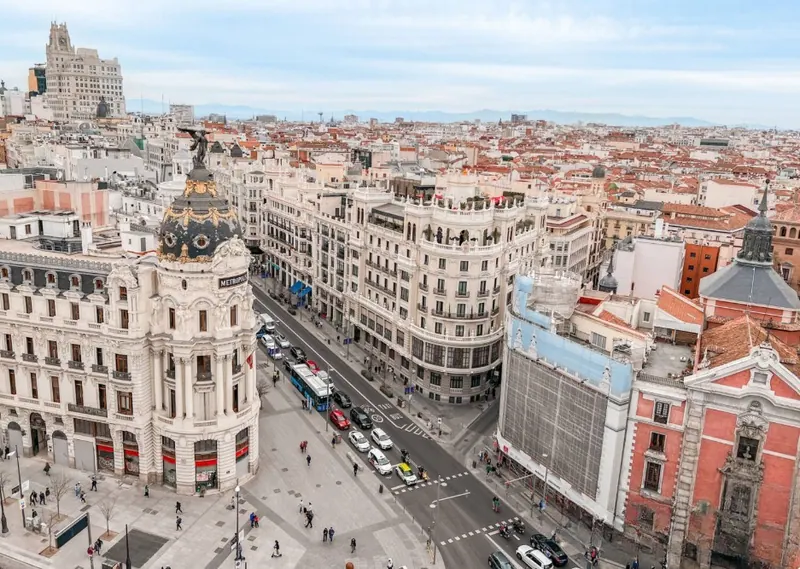
Now, we find ourselves in a small corner steeped in history. The street’s name recalls something that might go unnoticed today, but which for centuries was essential to daily life: salt.
-
8. Main Square
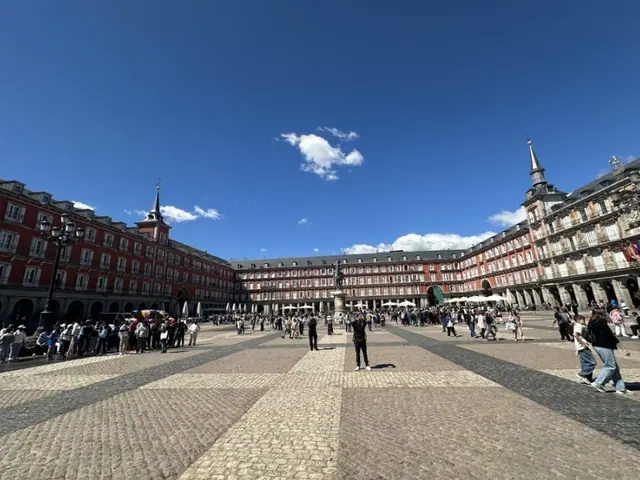
And now, we’re in one of Madrid’s most iconic spots: the Main Square. But before it became the grand, arcaded square you see today, this space was the old Plaza del Arrabal, a market situated outside the medieval city walls.
-
9. Madrid’s most famous thief
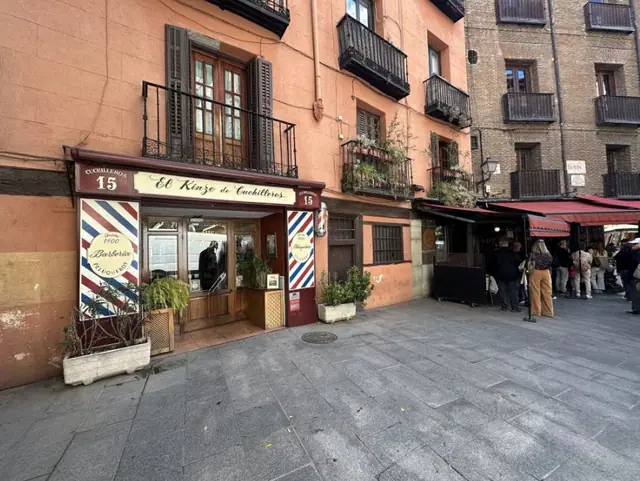
This area is known as Los Cuchilleros because, for centuries, it was home to craftsmen who worked with knives, swords, steel and other metal objects. This corner of Madrid isn’t just steeped in history: it’s also a place of trade.
-
10. History on a plate
And here we have one of the most famous places in all of Madrid: El Sobrino de Botín, known as the world’s oldest continuously operating restaurant.
-
11. Closed Door
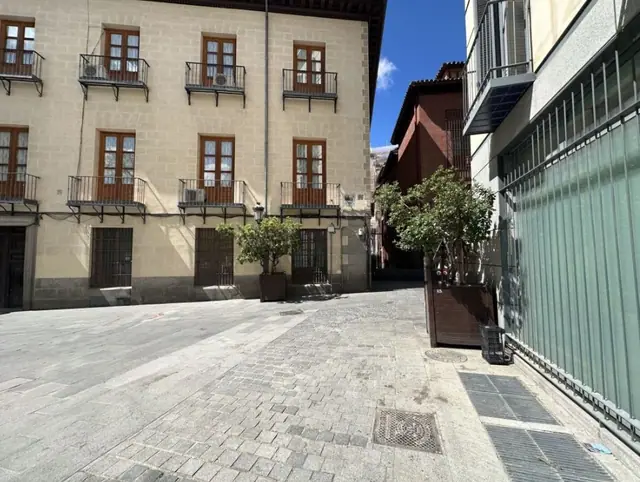
We are now in Plaza de los Pintores, although its official name is Plaza del Conde de Barajas, in memory of the noble family who owned property in this area.
-
12. Count’s Square
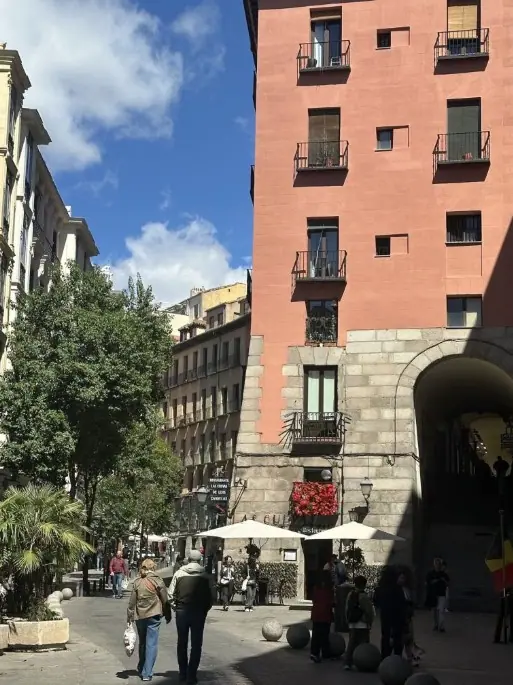
We’re now in the Square of the Count of Miranda, one of those quiet corners of Madrid that still retains something of the city’s medieval layout. But if you turn around and head left, the way we came, there’s a rather famous market there: San Miguel.
-
13. Elbow Street
Take a look at this street: it’s called Elbow Street, and the name couldn’t be more literal, because it’s shaped exactly like that, as if the city had bent its arm right in the middle of the road.
-
14. The Old Heart of Madrid
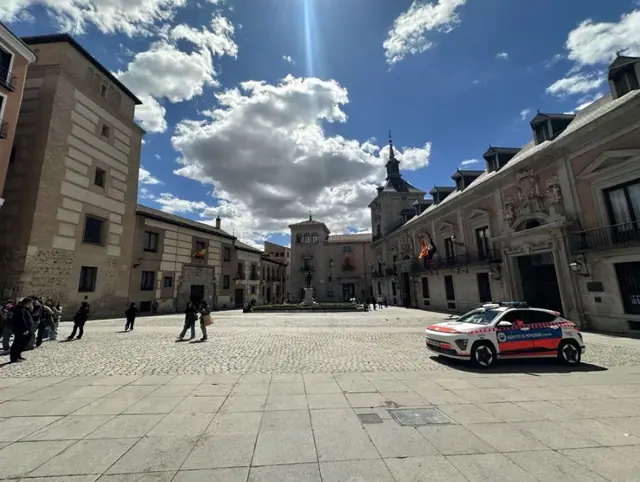
And here we are in the Plaza de la Villa, one of the oldest and best-preserved corners of medieval Madrid.
-
15. The Mauthausen Memorial
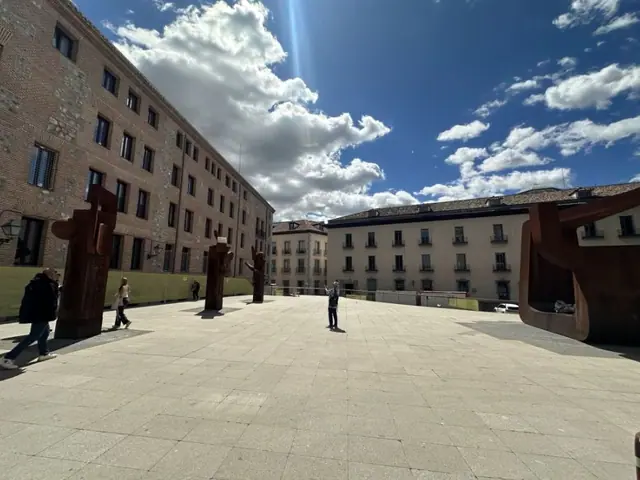
We now stand before one of Madrid’s most poignant and recent monuments: the memorial to the people of Madrid who were deported to Mauthausen and other Nazi concentration camps. It was unveiled in 2023 and is made of Corten steel by the sculptor José Miguel Utande.
-
16. The Flowers of Death
We are in one of the most historic sections of Calle Mayor, a street that for centuries was closely linked to the power and political life of Madrid.
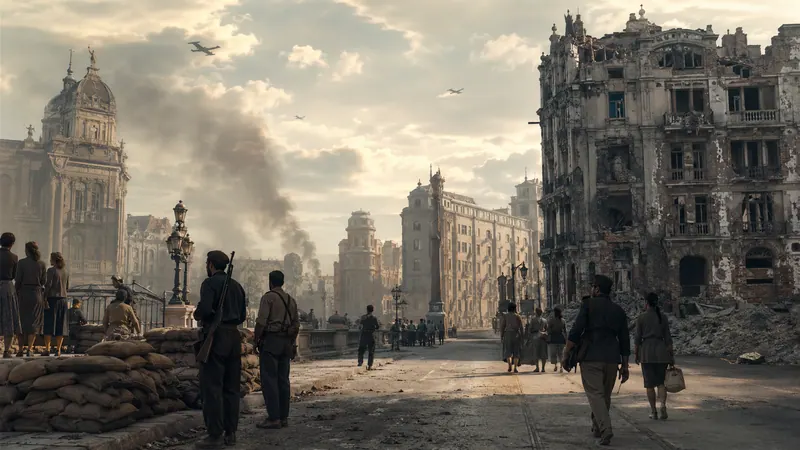
-
17. The oldest tower
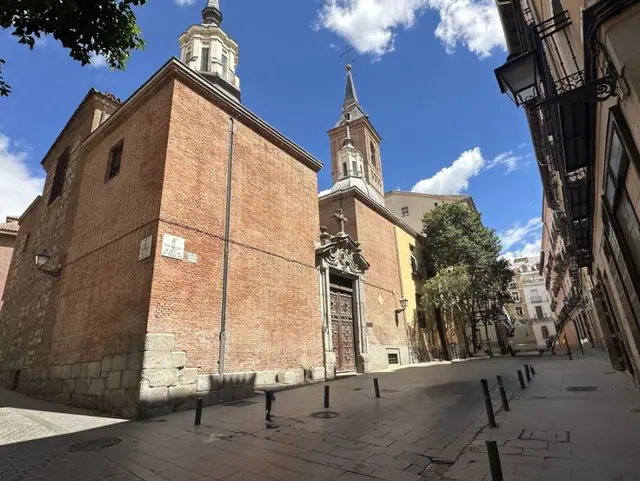
And here we have one of Madrid’s oldest treasures: the Church of San Nicolás de Bari, also known as San Nicolás de los Servitas. Today it is linked to Madrid’s Italian community, but what makes this place truly special is its age.
-
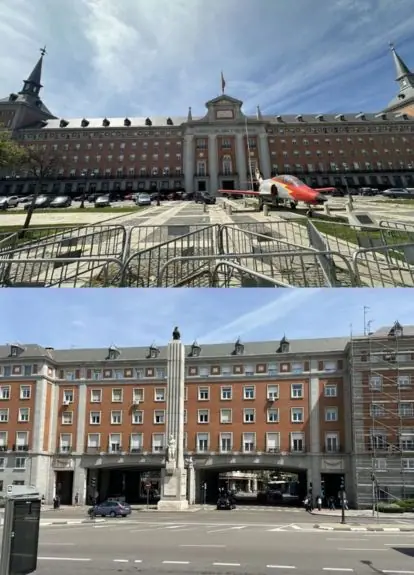
18. The Hill of Power
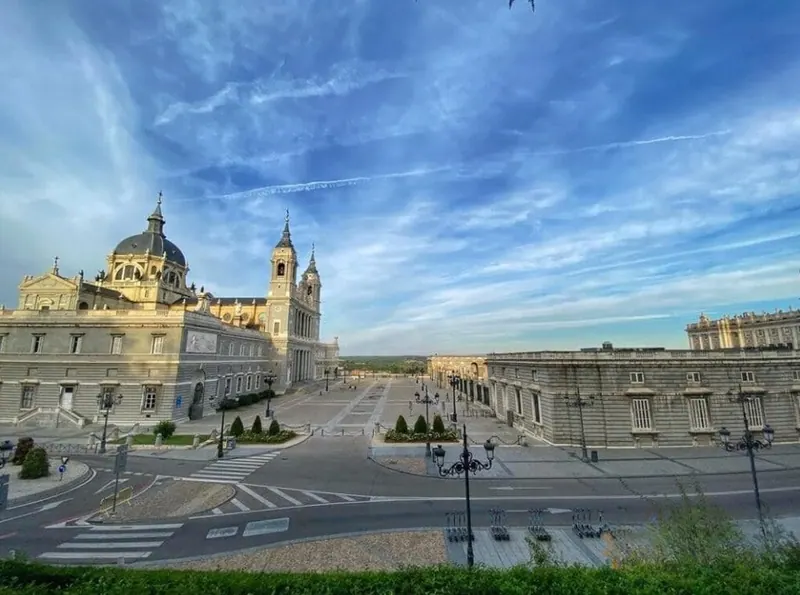
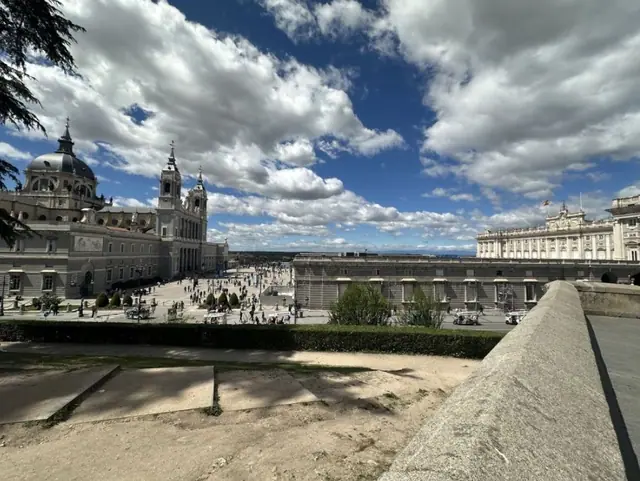
And now, we are faced with one of the most striking views of Madrid: the Almudena Cathedral, the Royal Palace, and in the background, the city’s great green lung.
-
19. The final square
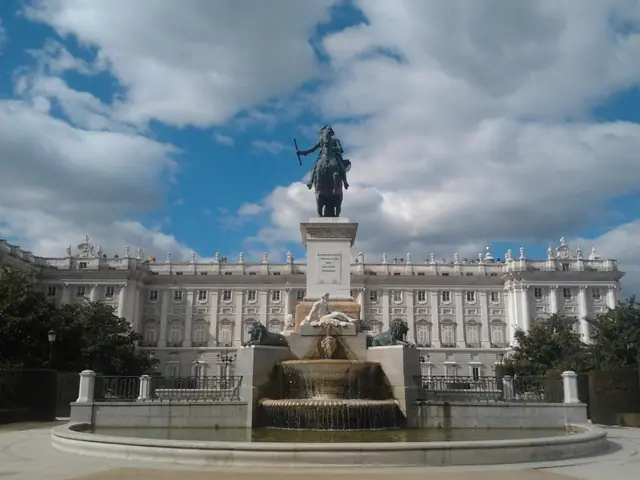
We are now in the Eastern Square, situated opposite the east façade of the Royal Palace, one of Madrid’s most monumental sites. Its history is that of a project which took decades to take shape, and which is home to one of the jewels of world sculpture.
Walking Tour of Bourbon Madrid
-
20. The path Madrid paved
This is a very special tour, because here we’re talking about a time when Madrid began to transform. The Bourbons didn’t just change palaces and avenues: they also left a deep mark on the city’s identity.
-
21. Historic buildings
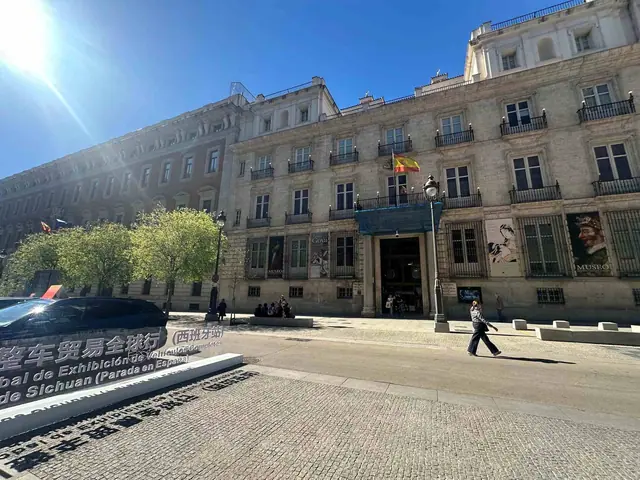
Now let’s pause for a moment in front of this building. Make yourself comfortable, find a bit of shade if you can, and look at the façade in front of you.
-
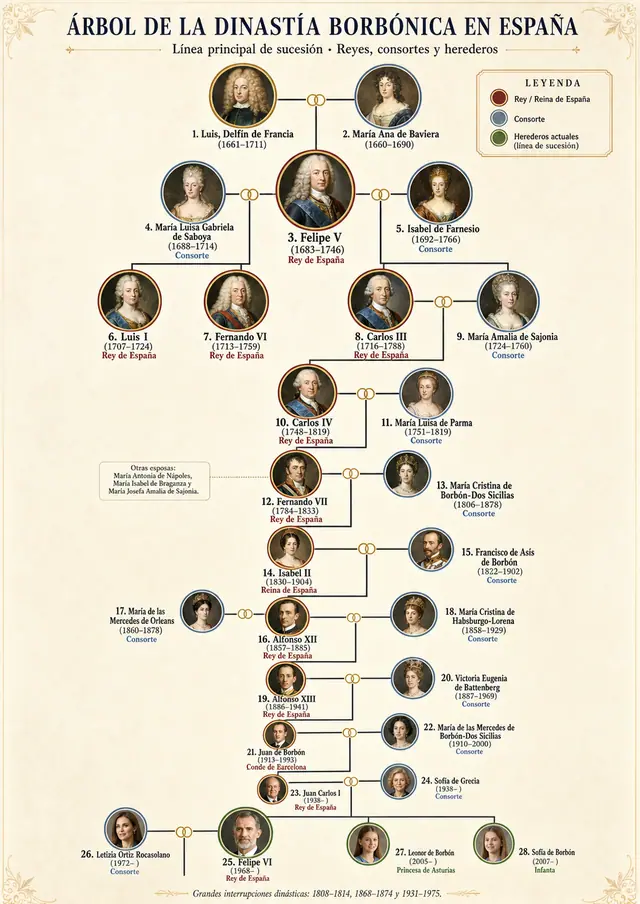
22. The Bourbon Dynasty
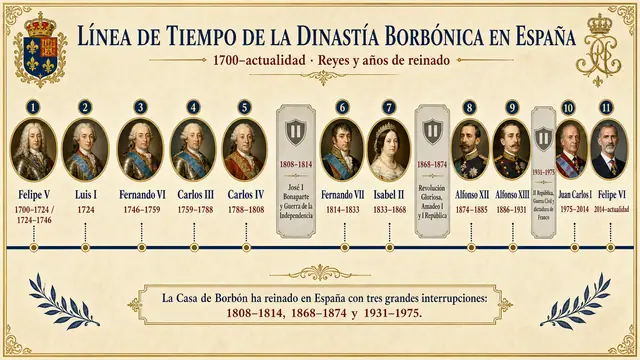
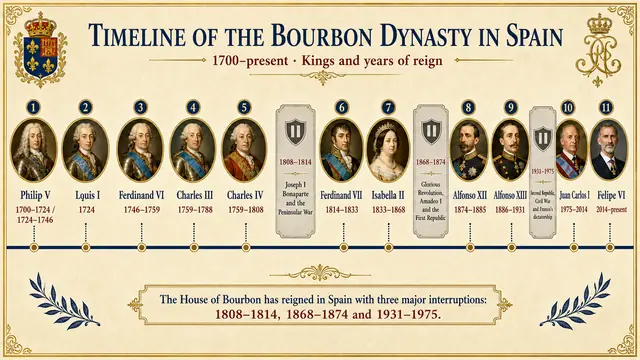
Well, on this journey into the past, we’re going to discover the incredible history of the Bourbon dynasty in Spain. It’s a history full of complex legacies and changes that had a profound impact on the country and on Madrid.
-
23. Street of Power
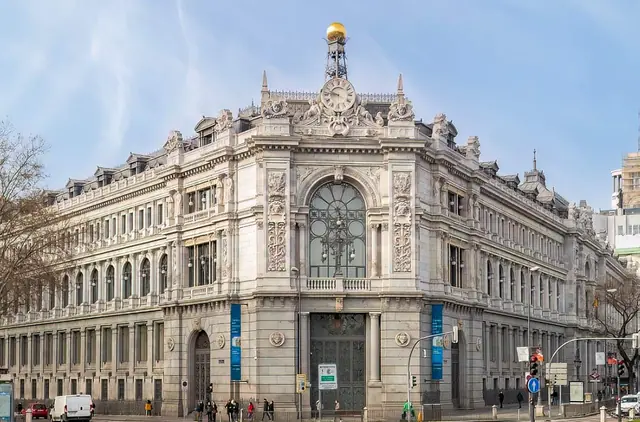
Right then, now I want you to look around carefully, because on this stretch of Calle de Alcalá, you can see other important buildings. For a long time, this area was one of Madrid’s main financial hubs.
-
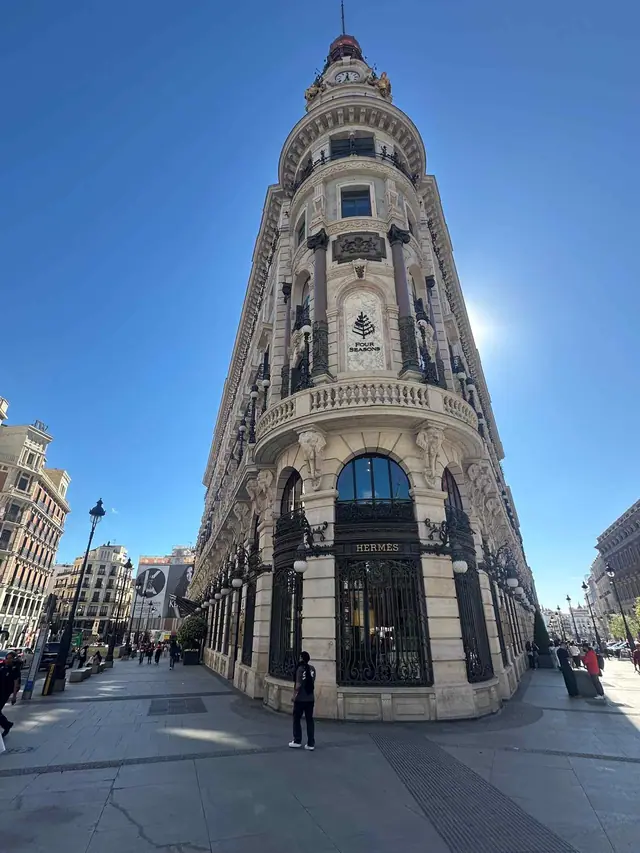
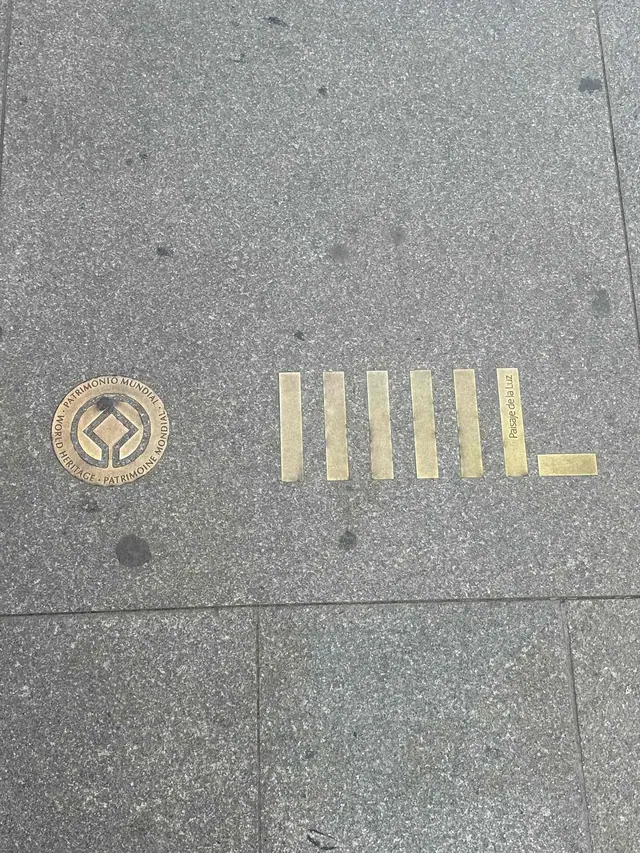
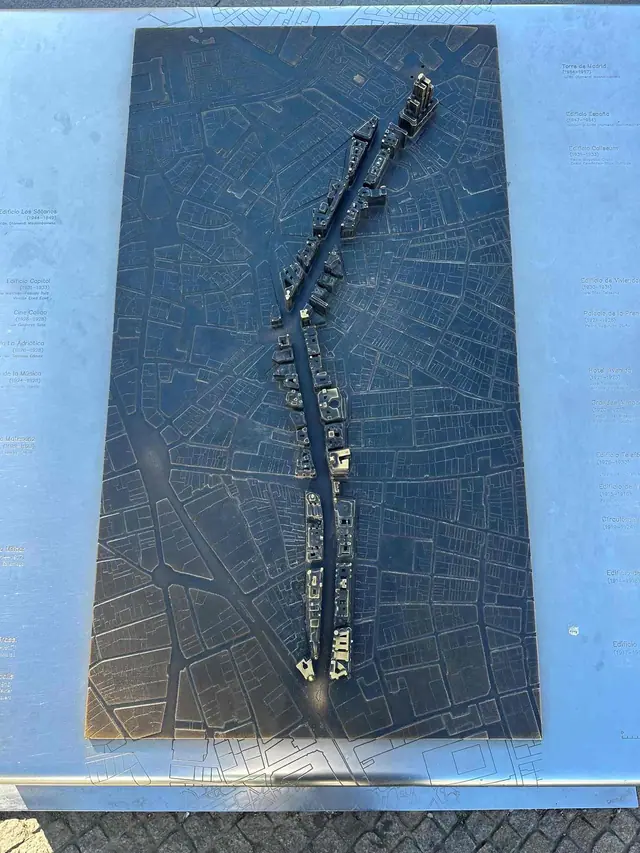
24. The Landscape of Light
Right then, let’s stop here for a moment. This is a brief but important stop. We’re in an area where Madrid is beginning to take on a new look once again, as we’re surrounded by institutional buildings.
-
25. Great Way
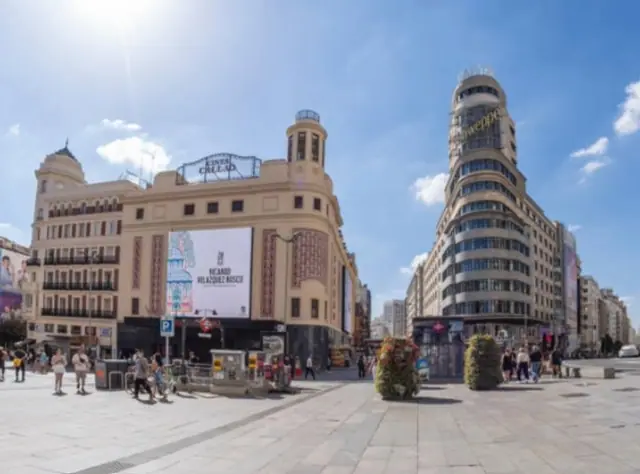
Right then, we’re right at the start of the Great Way, one of Madrid’s most famous streets. And if Madrid had a red carpet, this would probably be it.
-
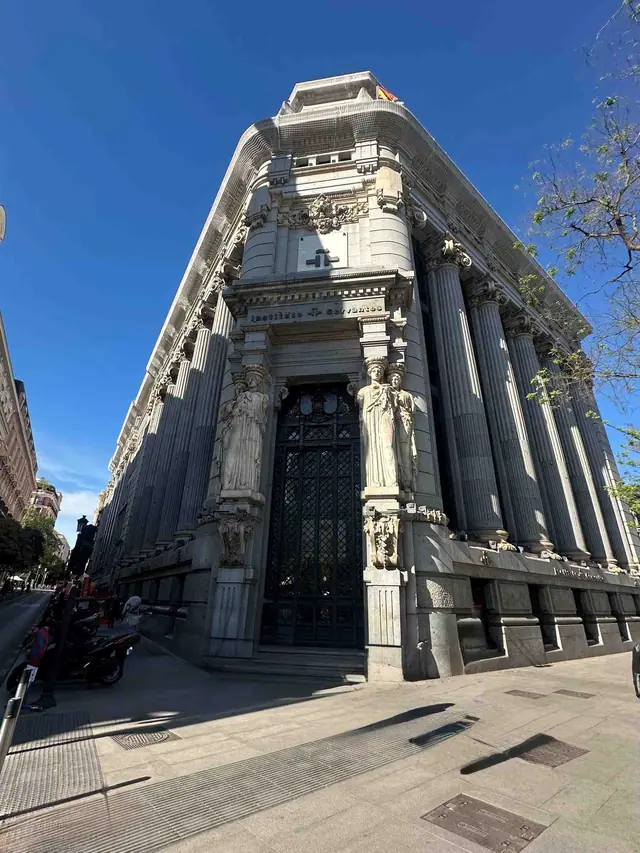
26. Cervantes Institute
Let’s pause here for a moment to take a look at the impressive building that stands on this corner. This is one of the most distinctive buildings on Calle de Alcalá: the Cervantes Institute. It was built during the reign of Alfonso XIII, a Bourbon king.
-
27. The nation’s treasure trove
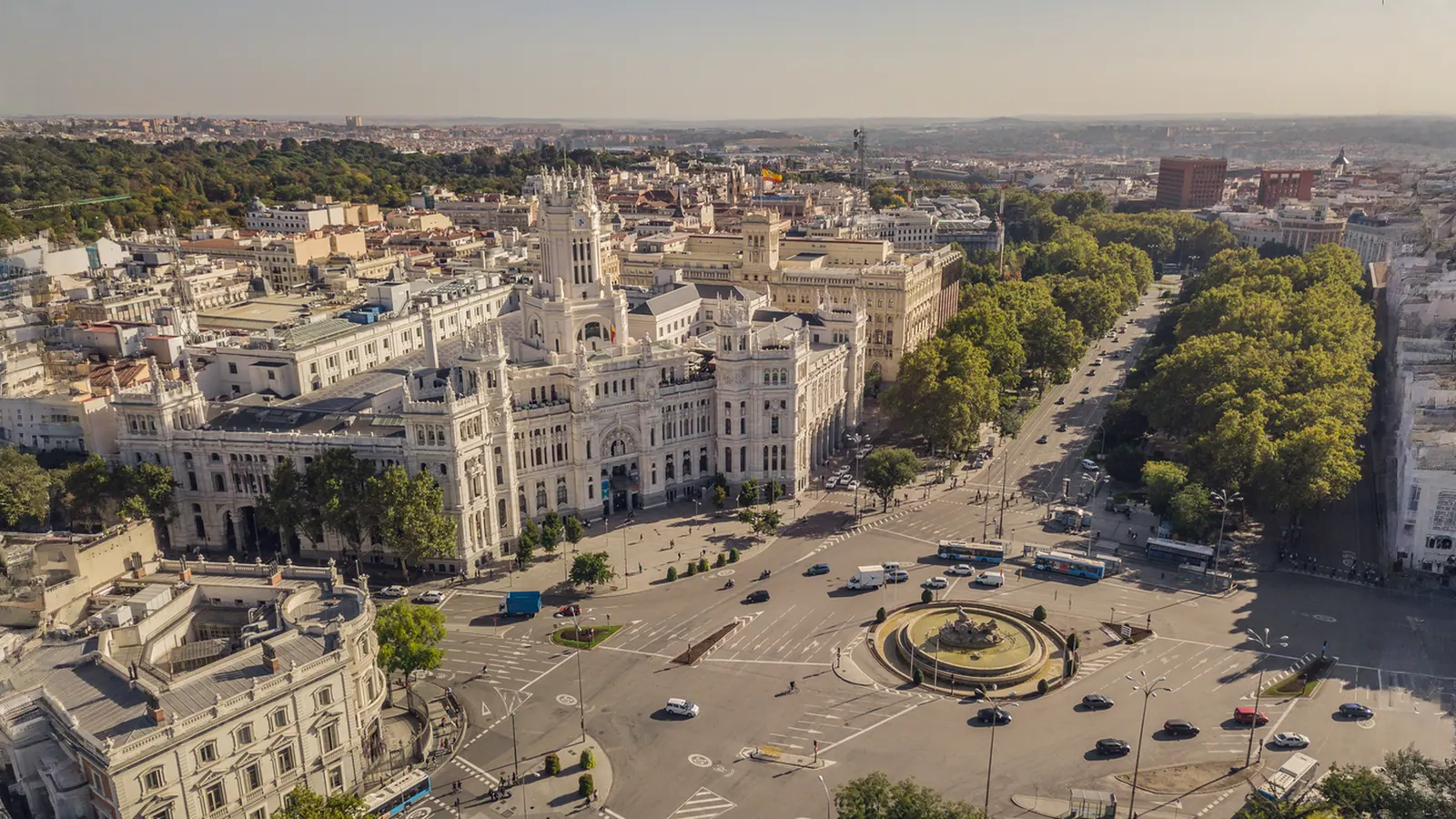
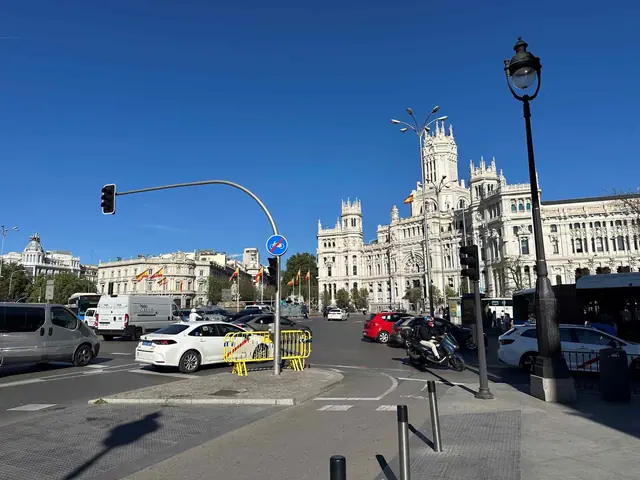
We are next to Cibeles Square, one of the capital’s most famous and iconic landmarks. This is where Alcalá Street, the Prado Boulevard and the Recoletos Boulevard meet. It is a monumental, political, financial and sporting square, and quite photogenic.
-
28. The symbolic heart of Madrid
We are in Cibeles Square, one of those places where Madrid seems to be condensed into a single image. This square is one of Madrid’s major public spaces.
-
29. Linares Palace
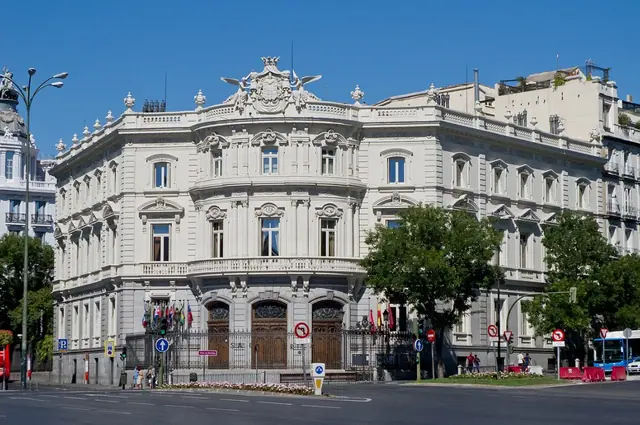
We are now standing in front of one of the most elegant and mysterious buildings in Cibeles Square. It was commissioned by José de Murga y Reolid, the first Marquis of Linares, and his wife, Raimunda de Osorio y Ortega.
-
30. The Invader’s Pact
Right then, let’s walk on to our next stop. And as we go, I want you to join me on this journey into the past, because the story of the Bourbons isn’t over yet. In fact, from here on, the drama really heats up.
-
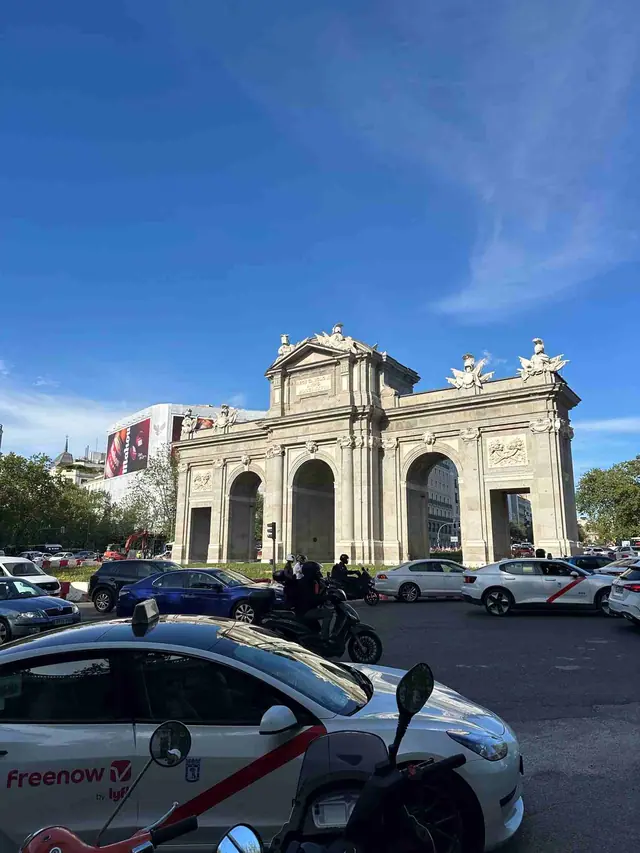
31. The monumental entrance
Right then, this is a must-see photo stop. We are in Independence Square, a name that recalls precisely that period of history we have been recounting: the Spanish people’s resistance during the War of Independence against the Napoleonic occupation.
-
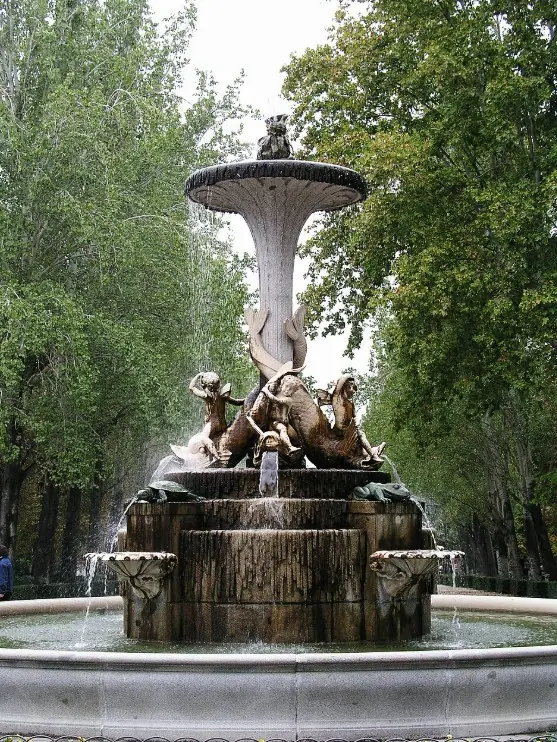
32. The First Queen
We are now in Retiro Park, in front of the Galápagos Fountain, also known as the Fountain of Isabella II.
-
33. The green heart of Madrid
Right, now we’re in another very special part of Retiro Park. Without a doubt, this is Madrid’s most famous park, and one of the places most loved by those who live here. This spot was once part of the gardens of the Buen Retiro Palace, a palace belonging to the Spanish monarchy.
-
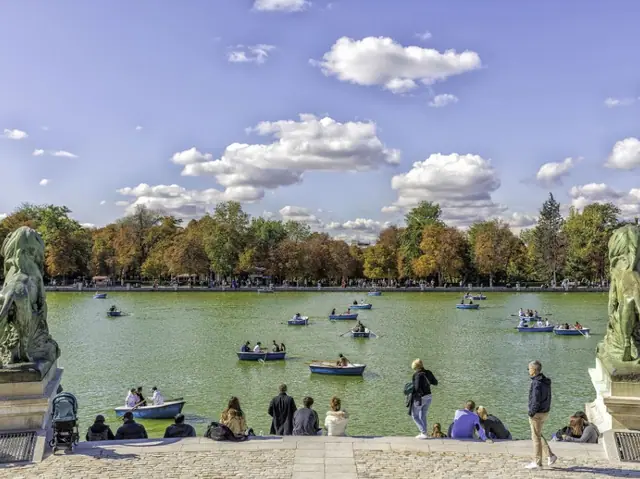
34. The final great drama of the Bourbons
Right then, we are now standing in front of the Monument to Alfonso XII, one of the most impressive sights in Retiro Park. The king stands up there, mounted on a horse, overlooking the lake. And this spot serves as our entry point into the final great chapter of the Bourbons.
-
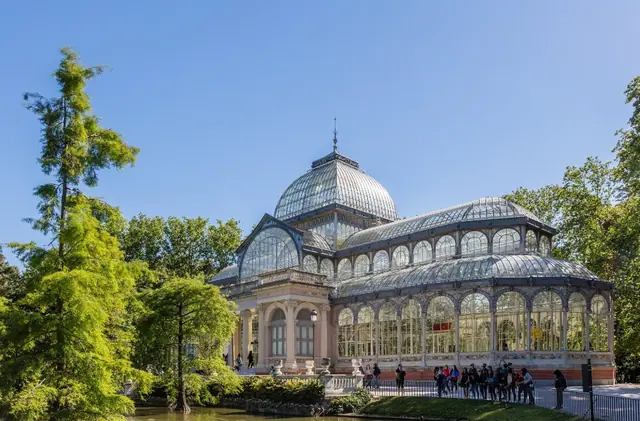
35. The Crystal Palace
And now, we’ve reached our final stop: the Crystal Palace. Take a moment to look at it at your leisure. The Palace is made of iron and glass, surrounded by trees and a lake that enhances its beauty. And as is often the case in this city, behind the beauty there is also history.
Tour of Lavapiés and La Latina
-
36. Historical context
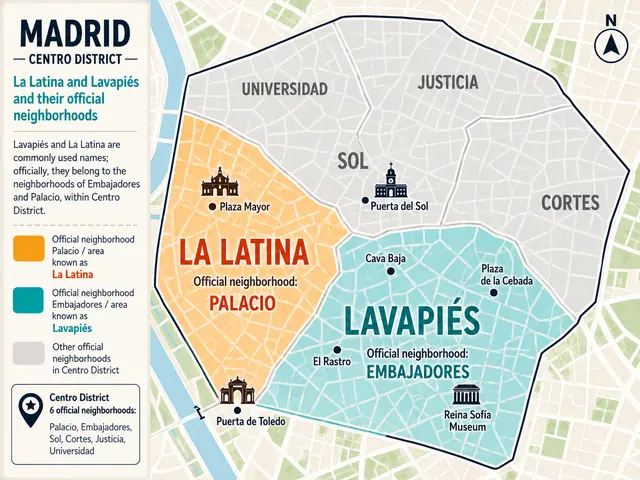
Lavapiés and La Latina. This is a traditional tour. Here, every street holds the history of markets, taverns, local festivals, convents, hidden squares and neighbourhoods that have changed over time.
-
37. San Francisco Basilica
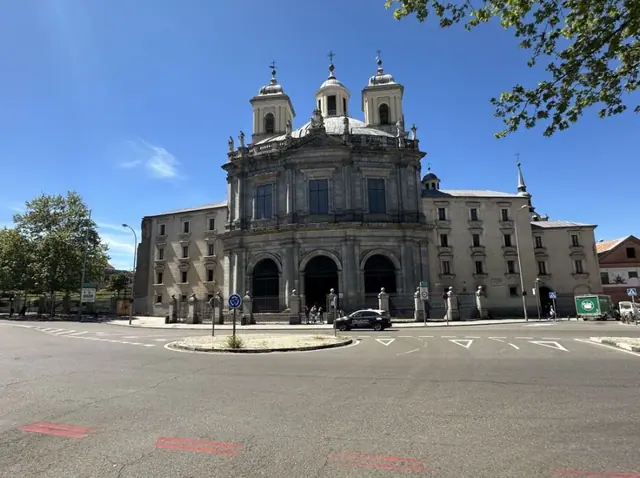
We are standing in front of the Royal Basilica of San Francisco el Grande, one of those buildings that many people overlook when they visit Madrid. From the outside, it may seem austere, even a little unassuming, but inside it holds one of the city’s greatest artistic surprises.
-
38. Moros Gate
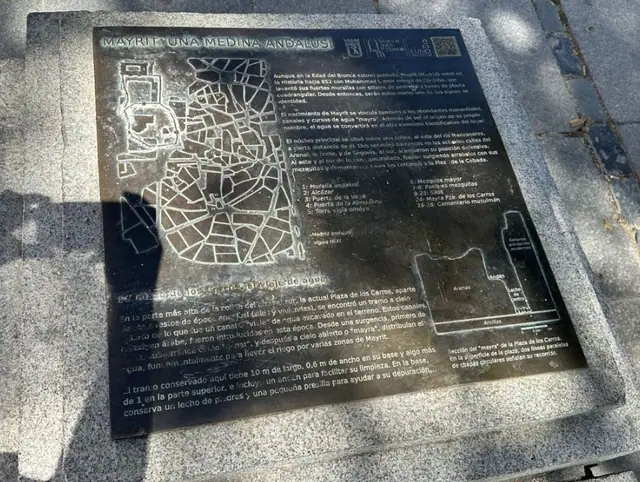
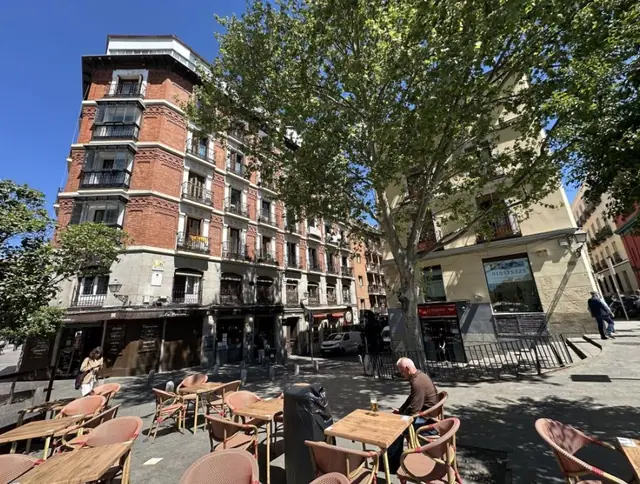
We are in the area around the Moros Gate, and the name Plaza de los Carros also appears nearby. Two different names for the same area, and both tell us something important.
-
39. Underground Madrid, saints and miracles
In this area, Madrid had a network of underground conduits known as water channels. These were tunnels dug beneath the ground to carry water into the city, long before the modern water supply system existed.
-
40. The Old Road to Madrid
We are now next to Humilladero Square, and from here we’re going to look at two very important streets. Take a look at the first photo in the app to get your bearings: looking in that direction, we can spot the streets I’m going to tell you about: Cava Baja and Cava Alta.
-
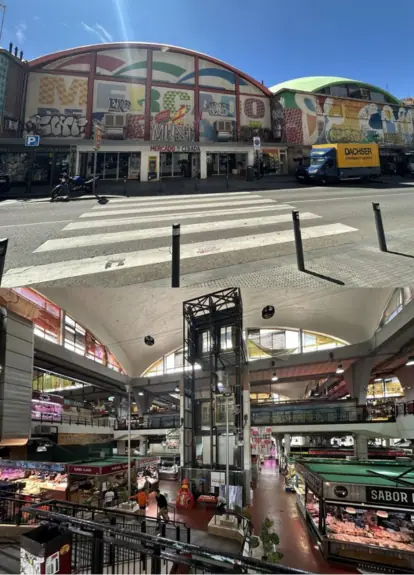
41. The Cebada Market
Now we’re going to step inside one of the most important markets in this part of Madrid. This place remains, for the most part, a neighbourhood market.
-
42. The Latina
We are now at a sort of historical crossroads in the Latina district: all around you are La Cebada Square, Toledo Street, the La Latina Theatre, La Cebada Market, and, very close by, the route towards Cascorro and El Rastro.
-
43. The stew that made history
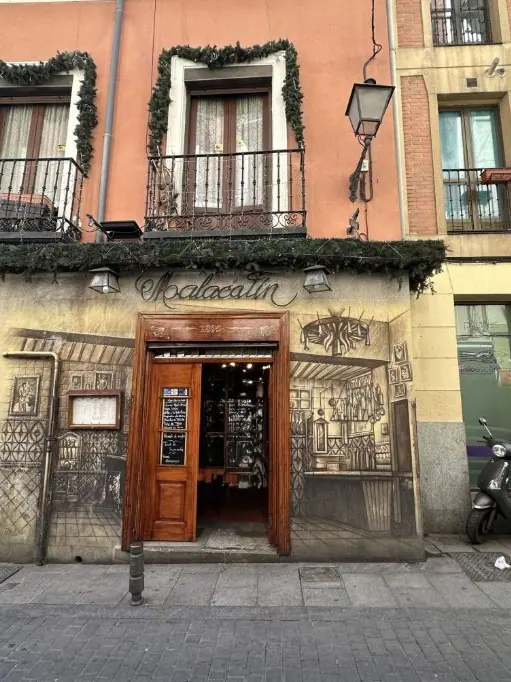
As we continue on our way, let’s stop here, in front of Malacatín, one of Madrid’s most famous restaurants, where you can try one of the city’s most traditional dishes: Madrid-style stew.
-
44. The Madrid that sells everything
We’re in Plaza de Cascorro, a key spot because this is where we enter the territory of Embajadores, the official neighborhood where Lavapiés is located.
-
45. La Tavern of Time
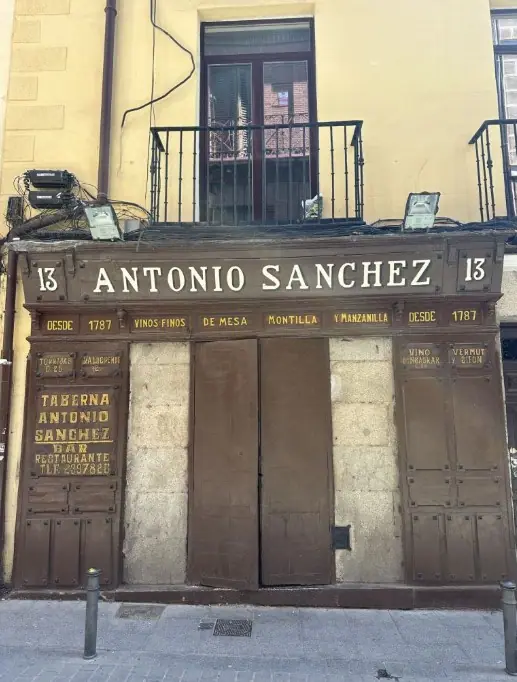
Before continuing down towards Lavapiés, let’s take a look at this place: the Antonio Sánchez Tavern. It’s one of those historic taverns in Madrid that feels more like a small museum than a bar.
-
46. The ruins of Lavapiés
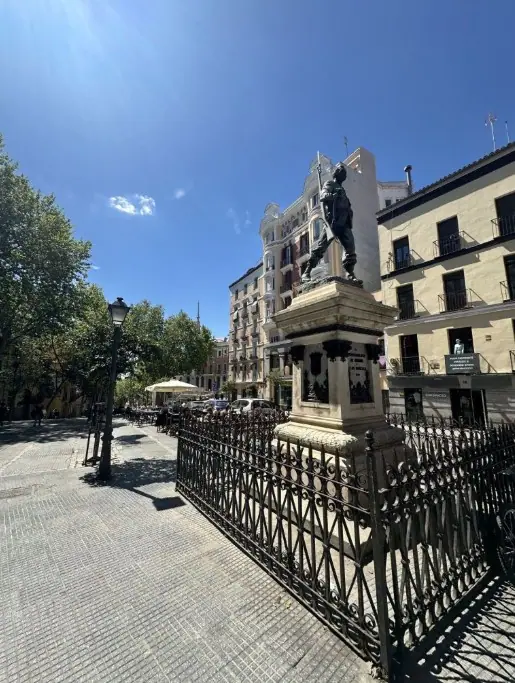
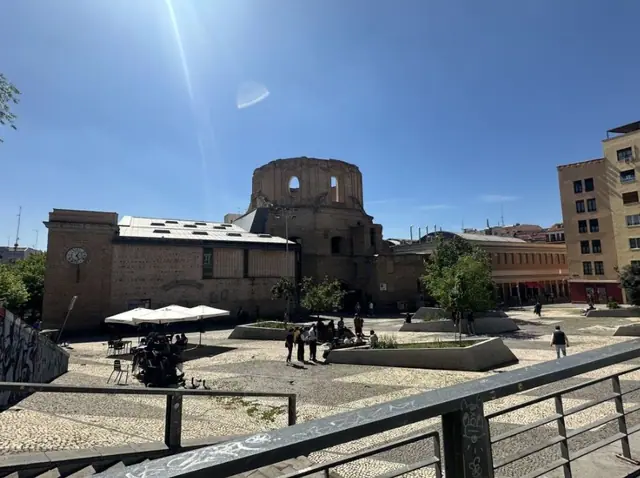
We are in Arturo Barea Square, one of those corners of Lavapiés where Madrid seems to blend literature, popular music, memories of the war, a local market and everyday life. Firstly, the square is named after Arturo Barea, a Madrid-born writer with close ties to this area.
-
47. Inside Lavapiés
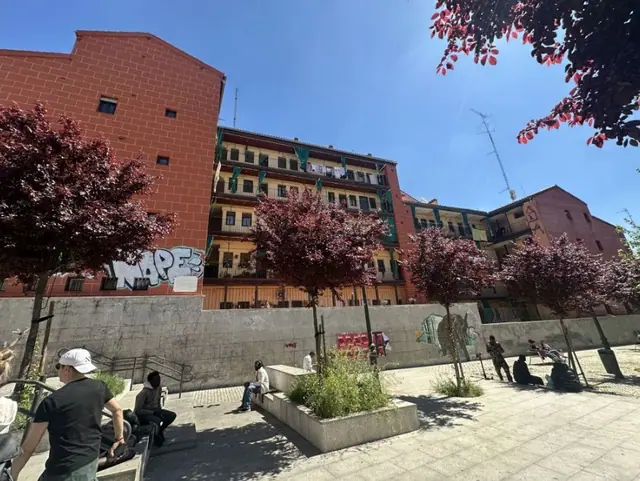
Now let’s take a closer look at this façade in front of us. At first glance, it may look like just another old building, but in reality we are looking at one of the most famous examples of working-class housing in Madrid: a corrala.
-
48. Lavapiés Square
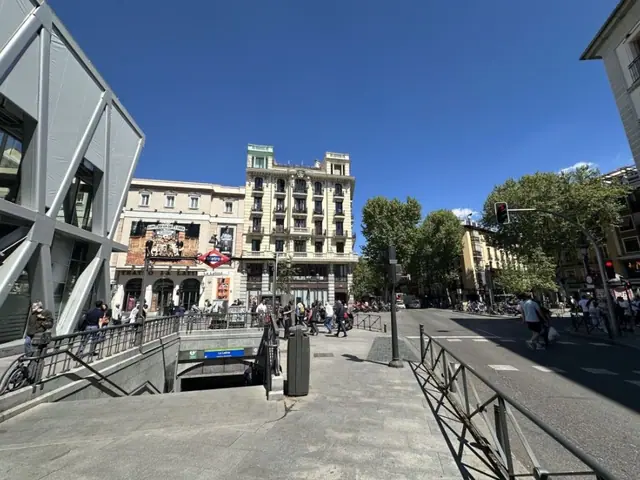
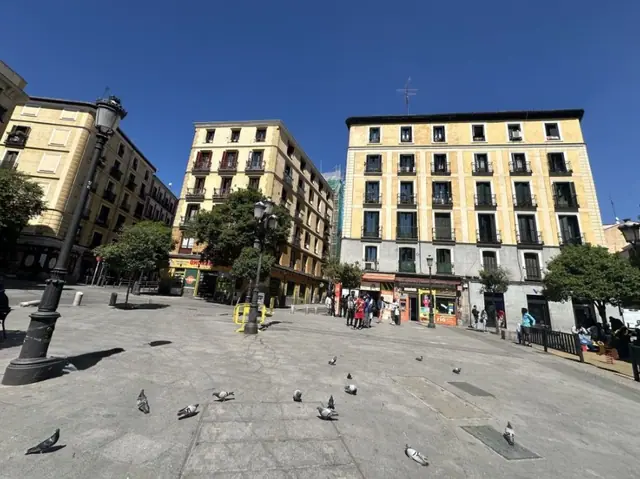
We’ve reached the heart of this neighbourhood. And as we’ve come from La Latina, you’ve probably already noticed the change.
Spanish Civil War Tour in Madrid
-
49. The run-up to the Second World War
the Madrid of the Spanish Civil War. This is a very special tour, because Madrid was the scene of spies, diplomats, conspiracies, propaganda, secret meetings and decisions made in silence.
-
50. Sides in the War
We are in Plaza de Santo Domingo. Today it looks like any other square in the centre of Madrid, with hotels, shops and plenty of activity. But during the Civil War, this area was part of a city living in a state of constant emergency.
-
51. The City of Fear
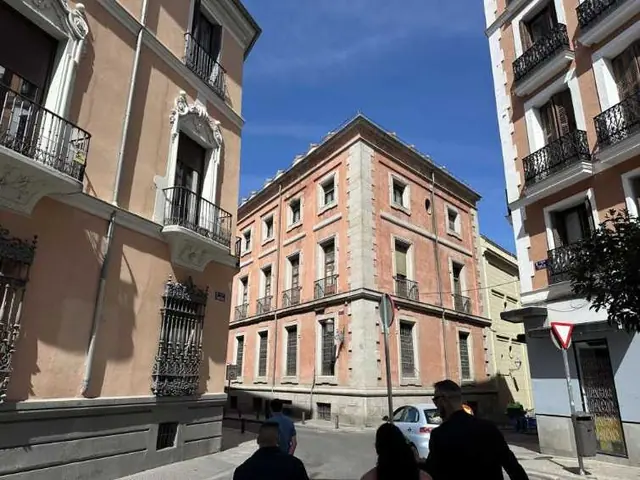
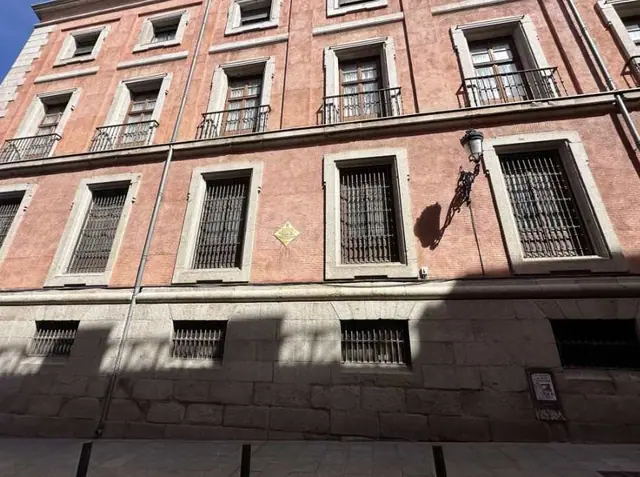
We’re on Fomento Street, very close to Santo Domingo Square. And I want you to take a good look at this building on the corner, because this place became associated with one of the darkest aspects of the Republican rear: the so-called Fomento Cheka.
-
52. The start of the disaster
We’re standing in front of the Square of the Spanish Navy, right next to the Senate. And this spot is perfect for us to pause for a moment and ask a key question: how did Spain end up in a civil war?
-
53. Under the bombs in Madrid
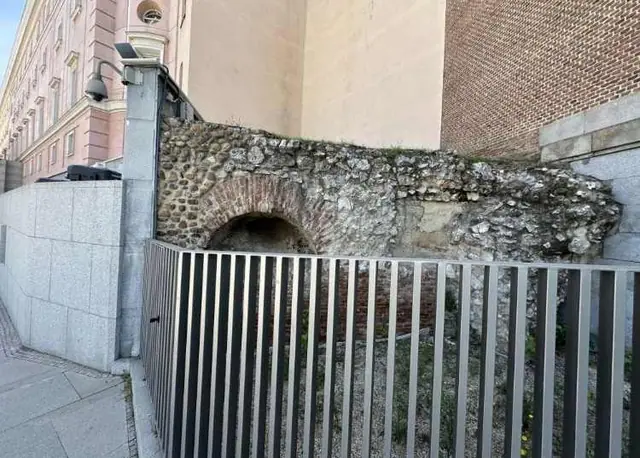
We are standing next to the remains of Philip II’s city wall. And although this structure does not date from the Civil War, it helps us to understand something very useful: Madrid has always been a city defined by boundaries, checkpoints and gateways.
-
54. Power Square
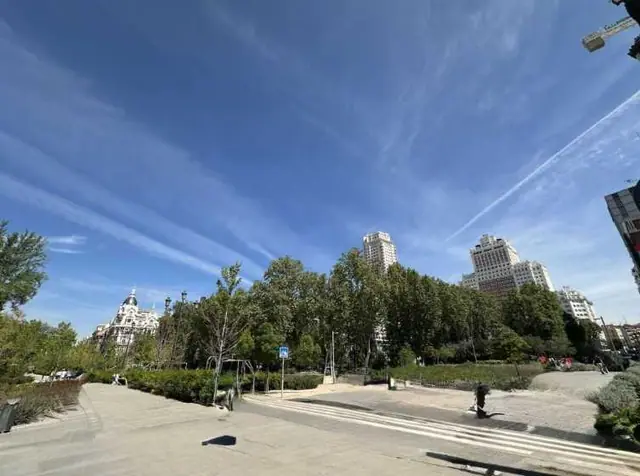
Now let’s stop for a moment in this park, next to the Sabatini Gardens. From here, I’d like you to look up to the right, because you can really get a feel for Plaza de España by looking at its buildings.
-
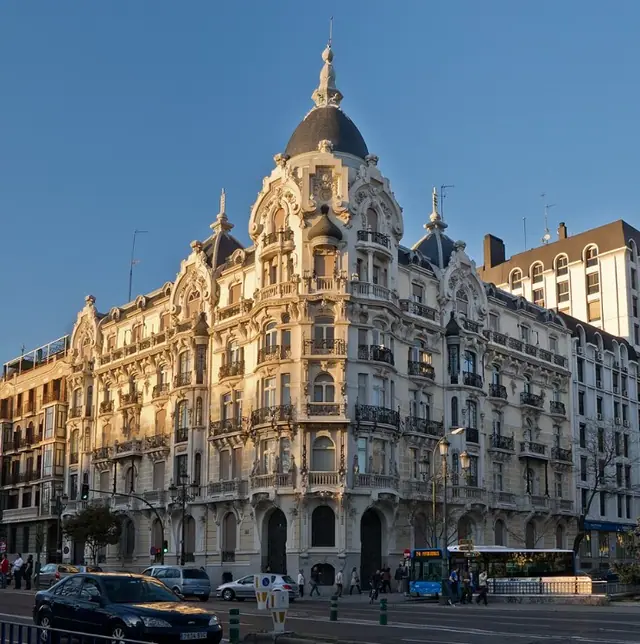
55. Gallardo House
We are now standing in front of Gallardo House. Take a look at its dark dome, the curved balconies, and the plant motifs on the façade.
-
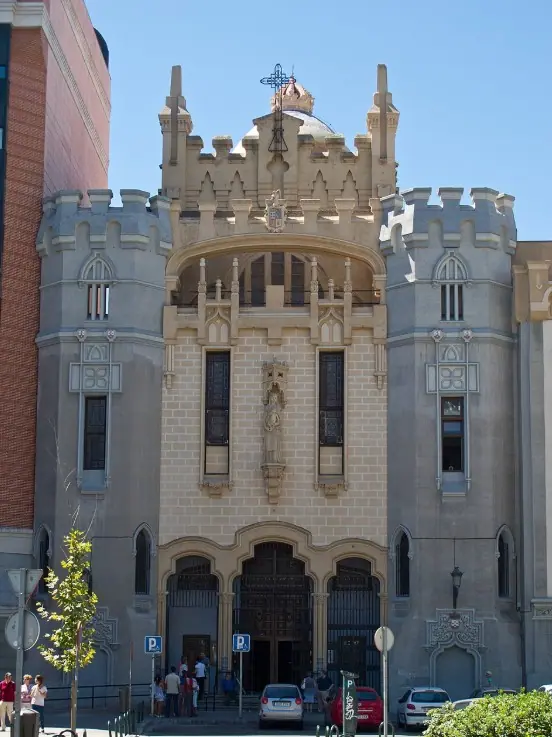
56. Madrid’s religious wound
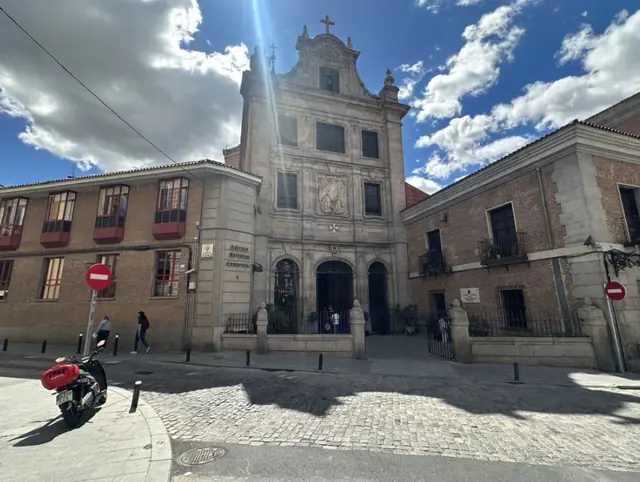
We are now standing in front of the National Church of Saint Teresa of Ávila and the convent of the Discalced Carmelite Fathers. Take a look at the building first. That medieval-style façade, the turrets and the vertical lines do not look like just any church.
-
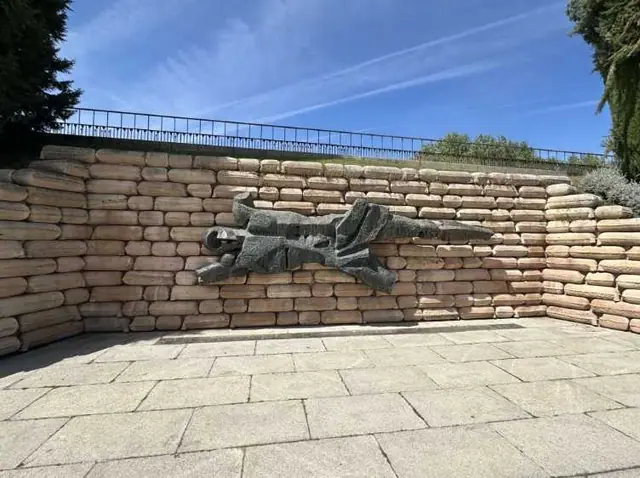
57. Monument to the Fallen
We are now standing in front of the Monument to the Fallen at the Cuartel de la Montaña.
-
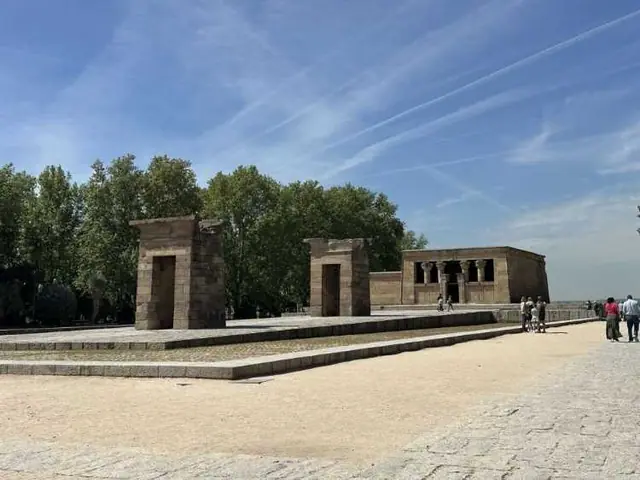
58. The temple that found a new home
We are now standing in front of the Temple of Debod, one of the most photographed spots in Madrid. And this stop gives us a chance to catch our breath after so much war, tension and painful memories.
-
59. The shadow of the barracks
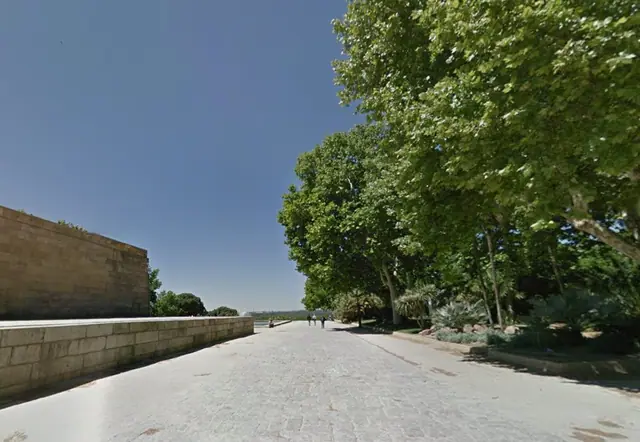
Now we are on the hill where tensions were at their height during the coup d’état. This is where the Mountain Barracks stood. That building took up a large part of this hill. If you look around, try to imagine its size: it was no small building.
-
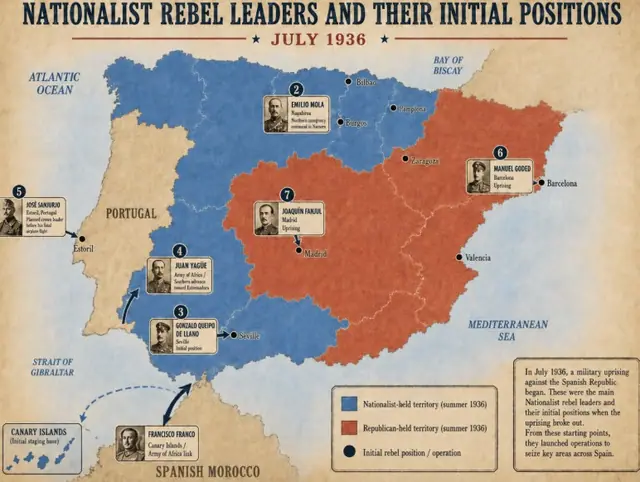
60. Franco’s Rise
We are now heading down the hill, leaving behind the place where Madrid managed to halt the coup in its early hours.
-
61. The Resistance in Madrid
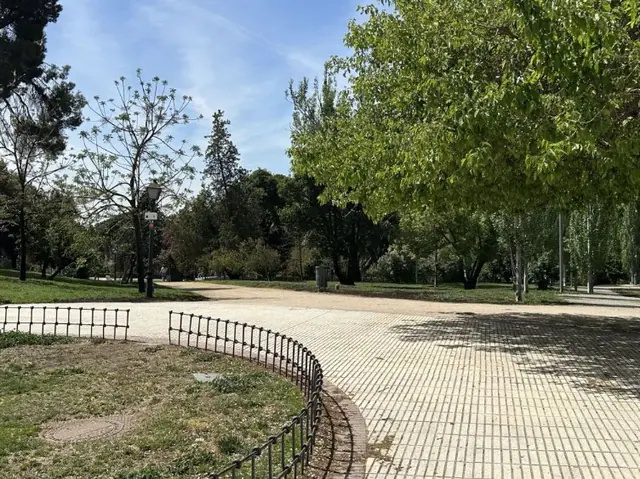
We are now in the area of West Park, and from here we are going to talk about one of the most important moments of the entire Civil War: the Battle of Madrid. So far, we have seen how the coup began, how it failed in the capital, and how Madrid remained on the Republican side.
-
62. The Republic
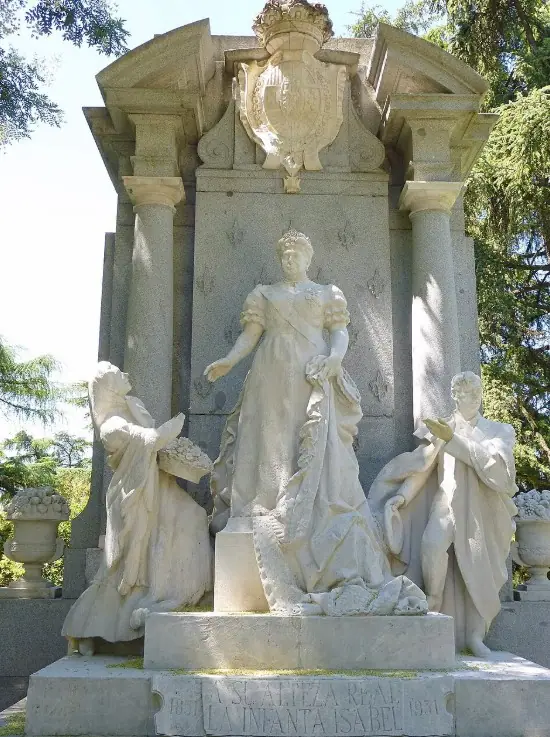
We are now standing in front of the Monument to Isabel de Borbón, a figure who perfectly illustrates the moment when Spain left behind the monarchy of Alfonso XIII and entered the Second Republic.
-
63. Art, blood and memory
We’re pausing here now, because this is where we’re going to shift our focus slightly. So far we’ve talked about battles, coups, barracks and bombings. But the Civil War wasn’t fought with guns alone.
-
64. The Battle of Ideas
We are now entering the Argüelles area, very close to Calle Ferraz, one of the areas of Madrid that suffered most during the Civil War. If you look to your right, you will see a golden plaque on the façade.
-
65. The Battle of Propaganda
Let’s pause for a moment on this street, because here we’re going to talk about something that isn’t always shown on battle maps, but which was just as important: propaganda. In a war, battles are also fought with images, posters, slogans and symbols.
-
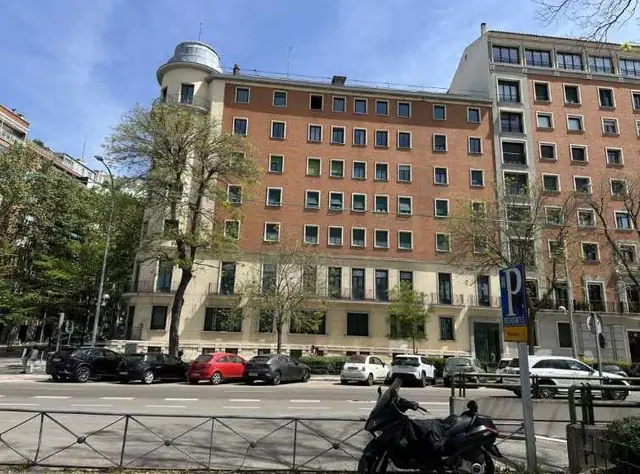
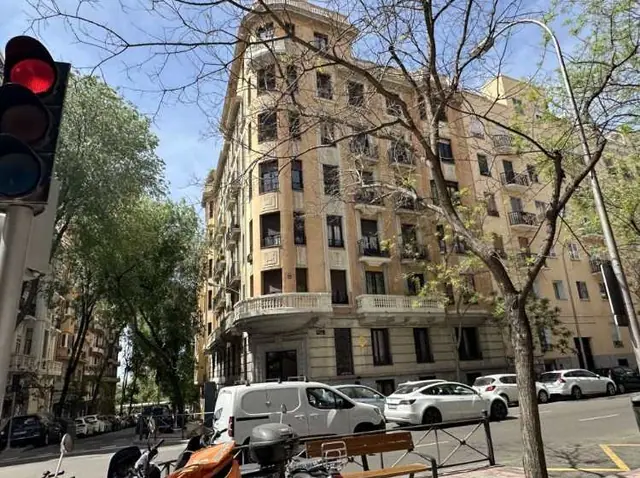
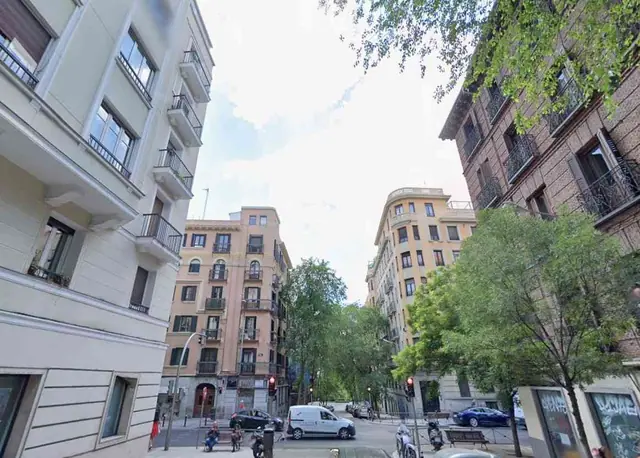
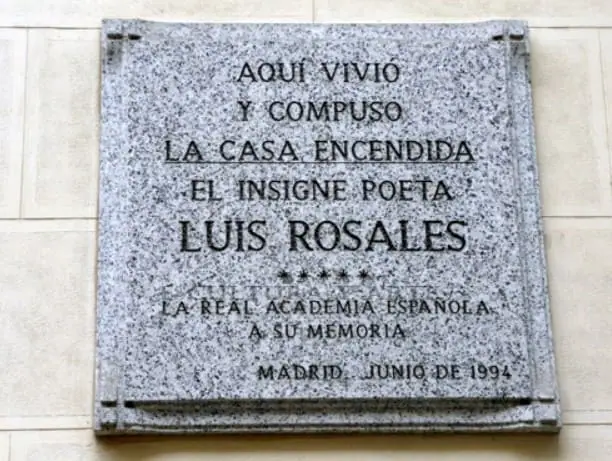
66. Between fear and friendship
We are approaching one of the most poignant stops on this entire tour. And I want you to take a moment to look at this plaque on the façade of the house in front of you. Because behind it lies more than just a literary name: there is a story of friendship amidst hatred.
-
67. The Ship of Hope
We are now on a street that slopes down towards Plaza de España. In 1936, this area was right next to the Moncloa Front, Parque del Oeste and the University City. In other words, this was the front line.
-
68. The war is over
We are in Moncloa, opposite the current Headquarters of the Air and Space Force. This building is impressive for its size, its towers, and its solemn, almost palatial air.
Walk them with the app
The 4 tours visit these places in order, with the full audio and the map. Free, with no sign-up.