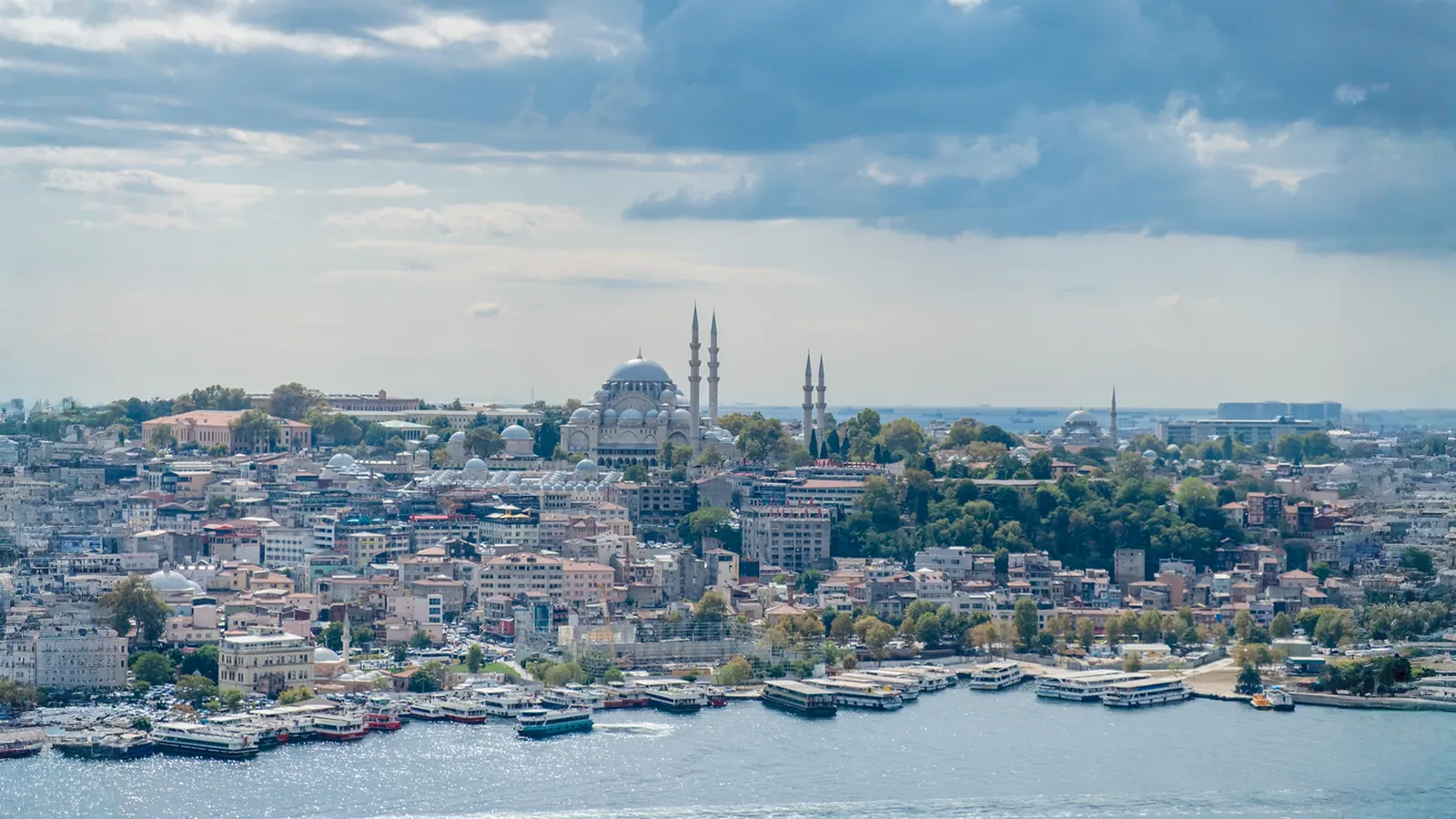
What to see in Istanbul on foot
58 places with their stories, the map and free audio in 15 languages.
Updated November 2026 · 12 min read · Produced by World Tour
Istanbul in a nutshell
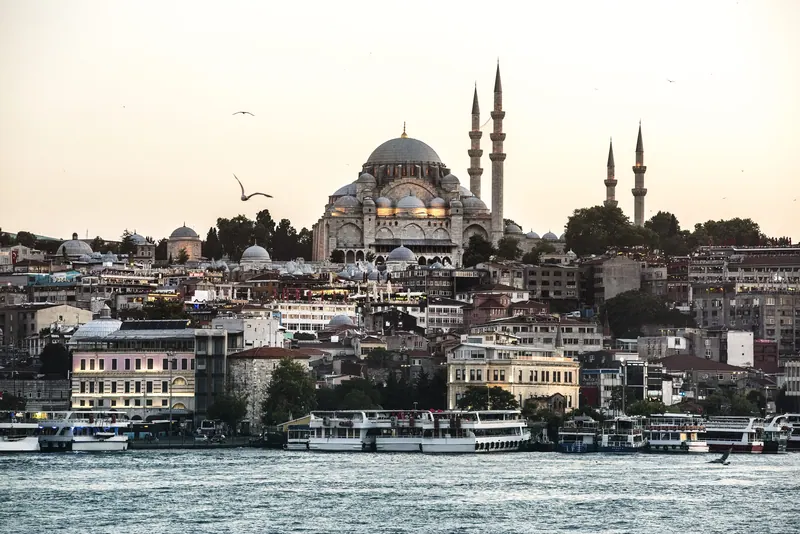
There are many impressive cities in the world, but very few can claim to have been the capital of three empires for over 1,600 years. Istanbul has been Byzantium, Constantinople and finally Istanbul, and each name brings with it a completely different world. It all began back in 667 BC, when Greek colonists founded a city called Byzantium in a strategically important location, right between Europe and Asia, between the Sea of Marmara and the Black Sea.
The places on the map
Each number is the place’s number in the list.
Istanbul walking tour
-
1. Sultanahmet Square
Today we are going to explore two historic neighbourhoods in the old town. The first is Sultanahmet, the monumental heart of Istanbul, where the Blue Mosque, Hagia Sophia and Topkapi Palace are located. The second is Eminönü, the old port of the city.
-
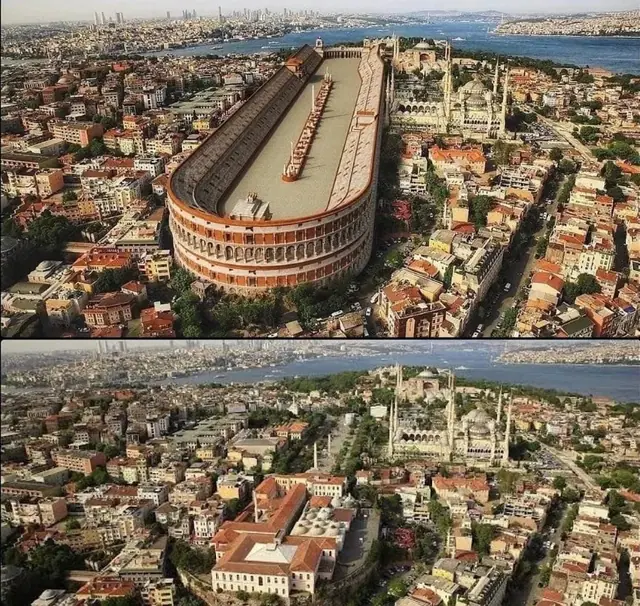
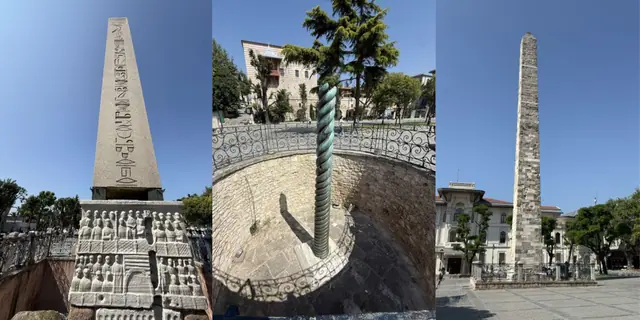
2. Monuments in the square
One of the most interesting aspects of this square is this group of three monuments lined up in a row, which we will visit from left to right.
-
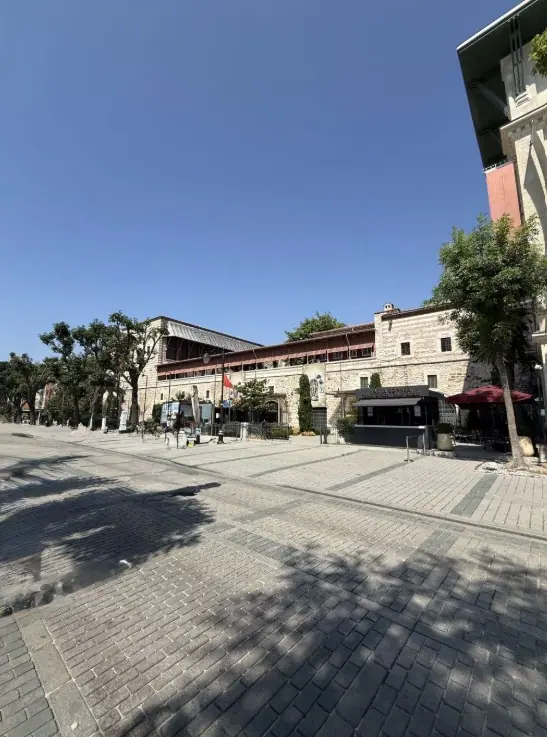
3. The Palace of Ibrahim Pasha
The building in front of you is the Palace of İbrahim Paşa, one of the few civil palaces from the Ottoman period still standing in Istanbul. Its history is deeply linked to two key figures of the 16th century, Sultan Süleyman the Magnificent and his grand vizier, İbrahim Paşa.
-
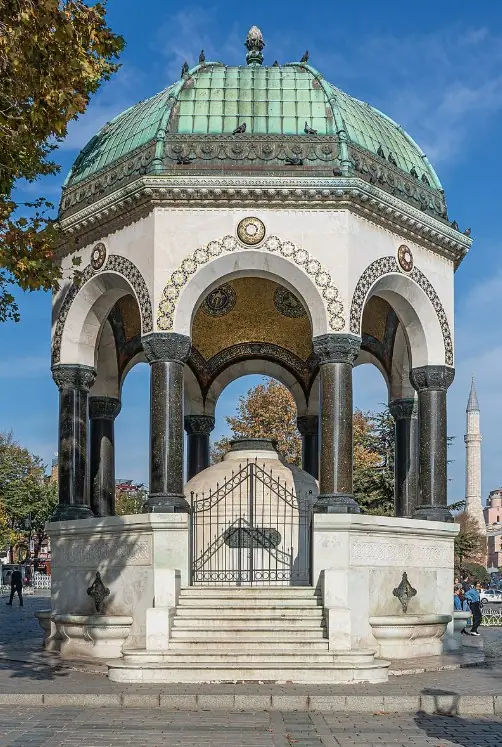
4. The German Fountain
Many people are struck by the fact that in the middle of Istanbul's historic centre there is a fountain named after Germany.
-
5. The Blue Mosque
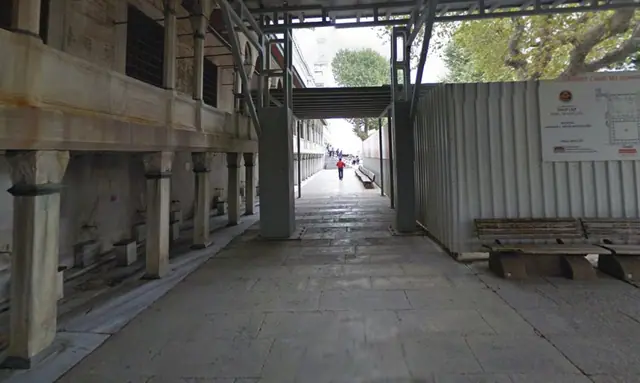
Now that we are inside the complex, I invite you to discover one of the most fascinating spaces in the Blue Mosque. The courtyard where we are now is called the inner courtyard, and it is a transitional area. It is surrounded by porticoes with columns and covered by small domes.
-
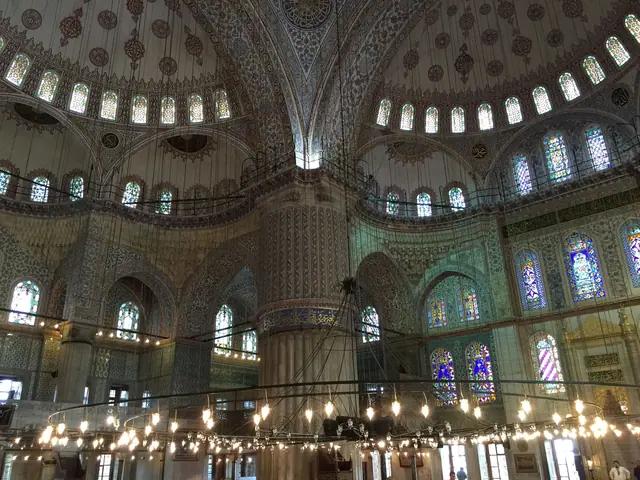
6. Prayer Hall
Now that we are inside, the first thing that catches our eye is the central dome and the explosion of colour, especially blue, which gives this mosque its name. There are more than 21,000 tiles covering the walls, columns and interior domes.
-
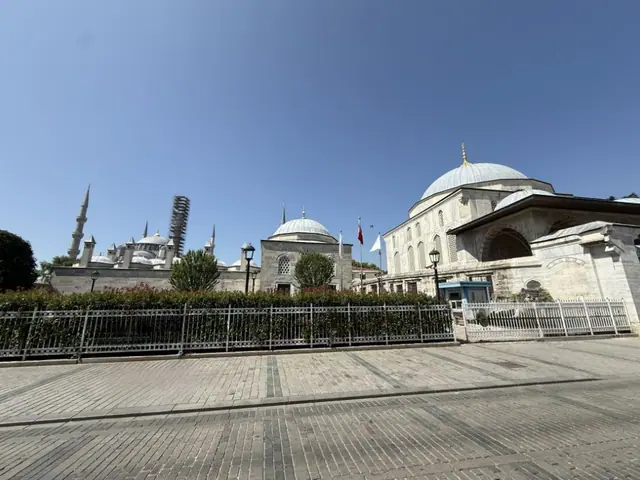
7. Exterior of the Blue Mosque
Here I will tell you more about the mosque. Although most people know it by this name, its official name is the Sultan Ahmed Mosque, because it was built by Sultan Ahmed I at the beginning of the 17th century.
-
8. Turkish Bath
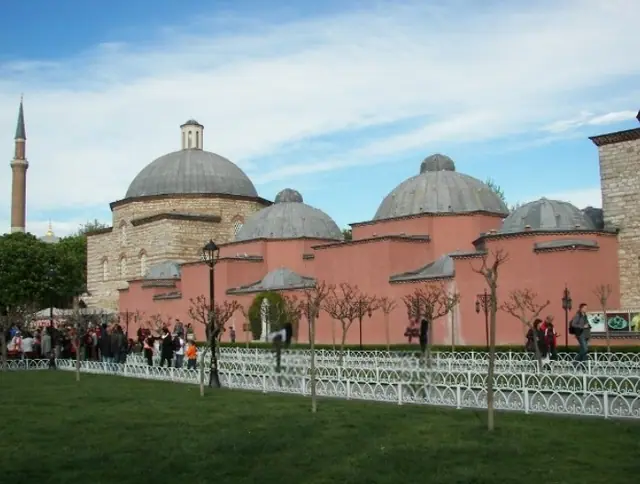
Right here, we find this long, elegant building that is still in use today. It is the traditional Hürrem Sultan Bath, one of the most famous Turkish baths in Istanbul, and its origins are steeped in history and love.
-
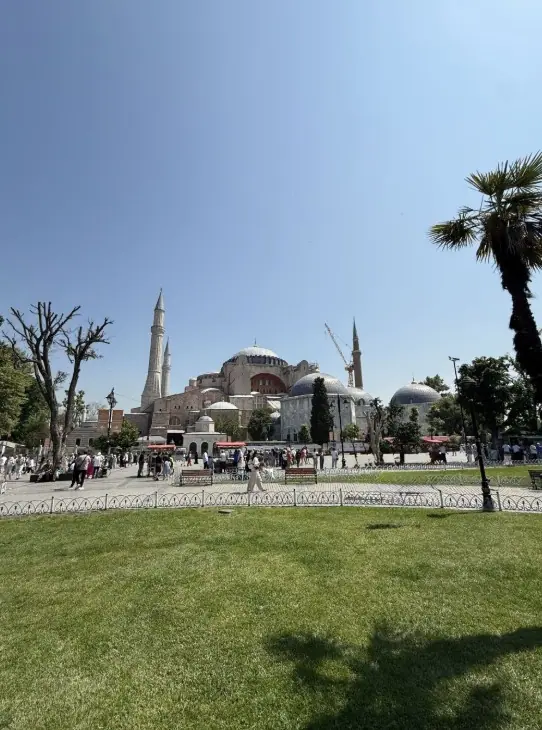
9. Hagia Sophia
Before talking about this iconic building, I would like to mention another hidden gem of the Byzantine world, the Basilica Cistern. It is right beneath our feet, but there is an entrance in the yellow building that you can see just at the back on your left.
-
10. Ahmed Fountain
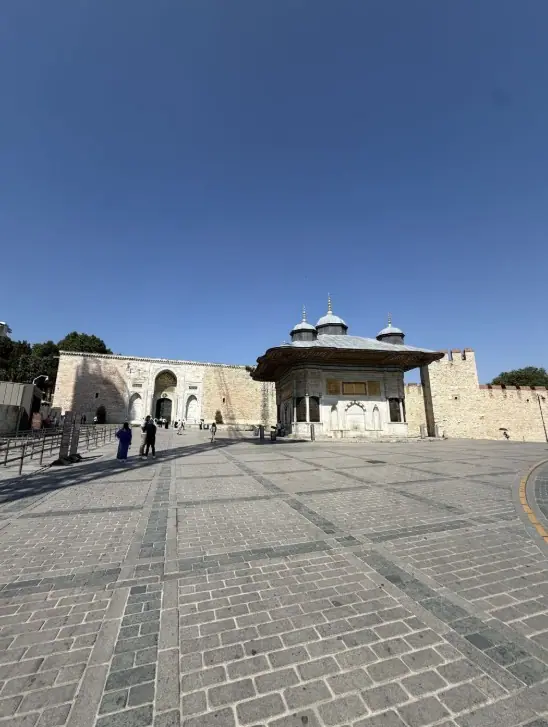
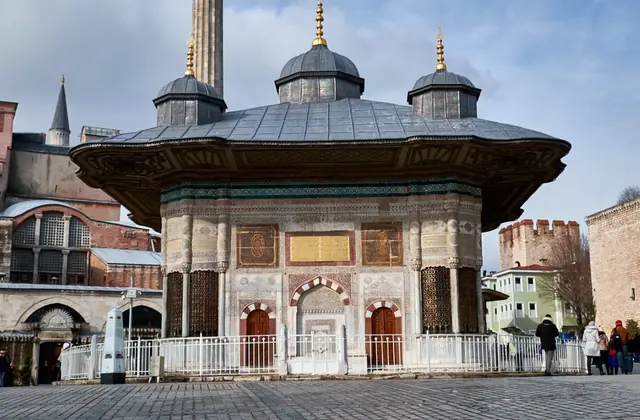
Now let's stop in front of this monumental fountain, the Ahmed III Fountain. It was built in 1728, right in front of the imperial gate of Topkapi Palace, and represents the best of 18th-century Ottoman art.
-
11. The Sultan's Gate
Right in front of you is one of the most elegant gates in the entire Hagia Sophia complex. This entrance, decorated with marble, golden inscriptions and green granite columns, was no ordinary door.
-
12. Rose Garden
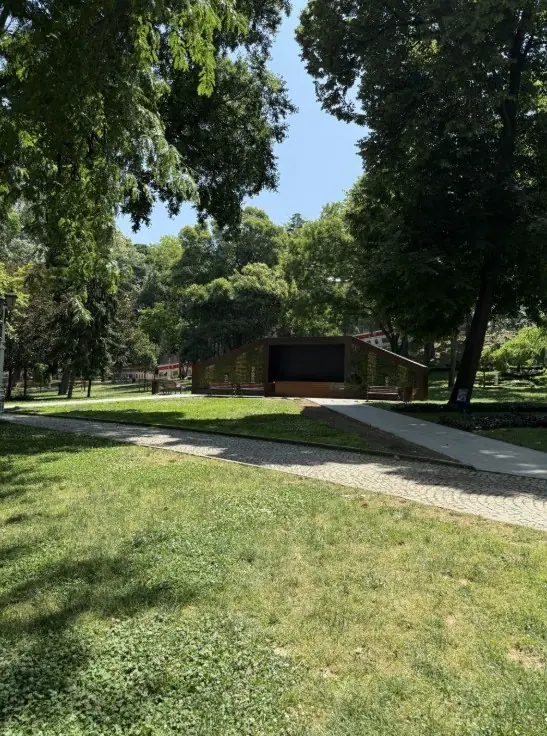
We are in Gülhane Park, whose name means rose garden, although curiously, tulips were what bloomed most here. Tulips are not Dutch flowers, as many believe, but traditional flowers of Turkey.
-
13. Turkish cuisine
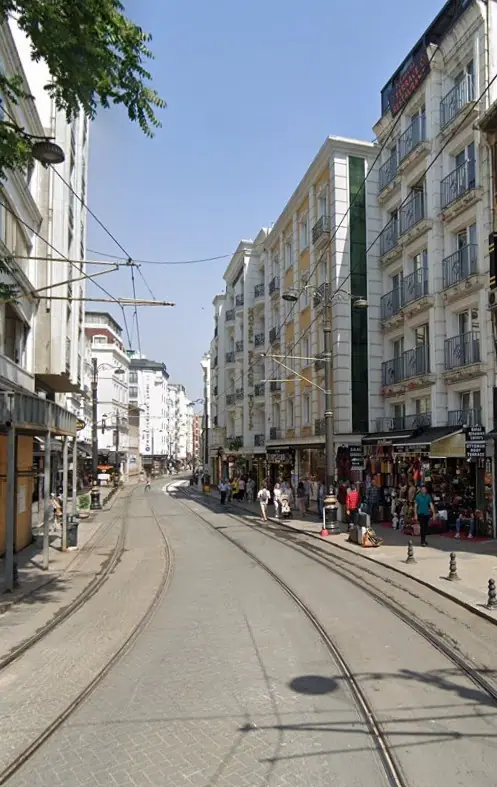
We continue our walk through one of the streets of this city, and as we go along, I'll tell you about what is perhaps the most appealing thing about Turkey: its food.
-
14. The Station of Dreams
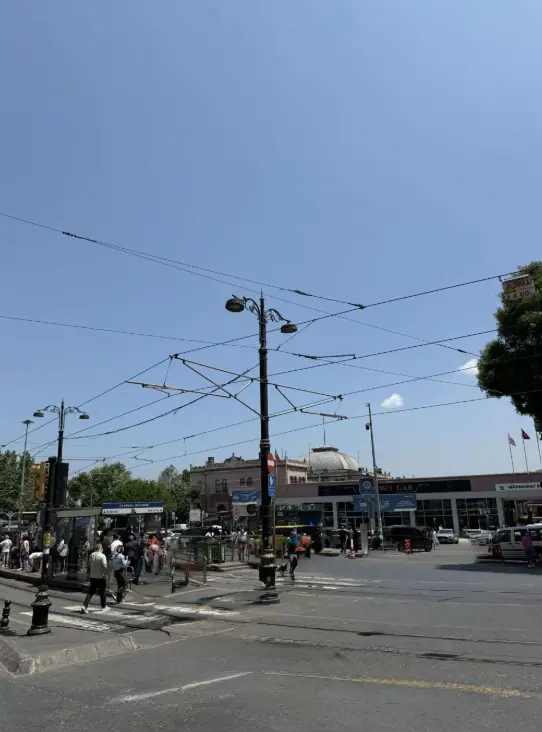
While we wait at this traffic light, take a look at that pink building across the street.
-
15. Drinks with History
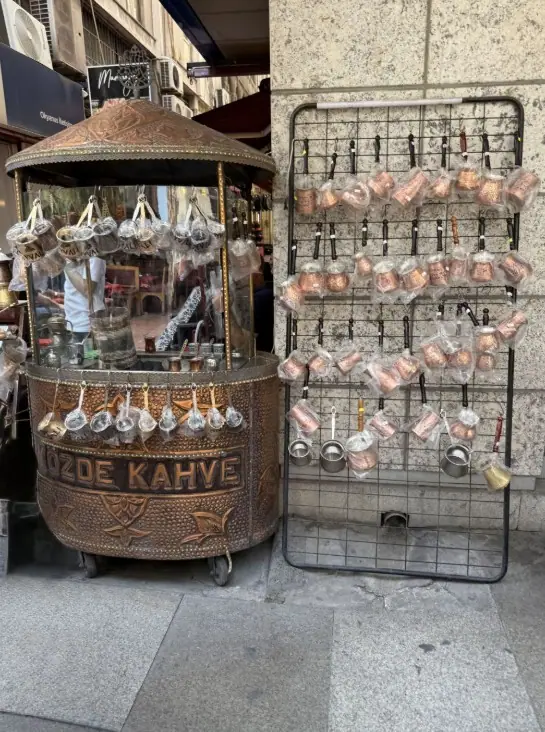
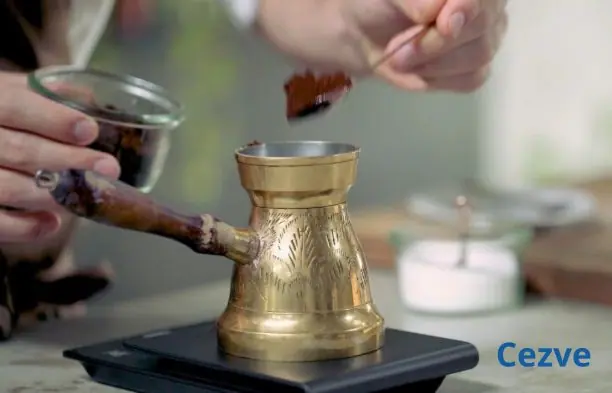
And now, to continue this journey with an authentic flavour, I invite you to take a short break in this corner to talk about Turkish coffee, a tradition that goes far beyond the drink itself.
-
16. The Grand Bazaar
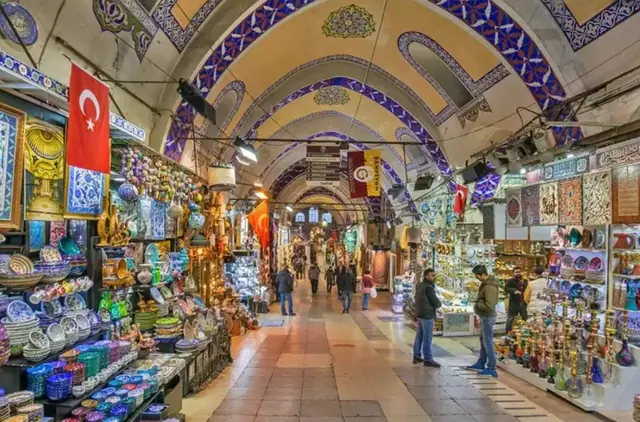
From here, let me tell you about one of the most fascinating and chaotic places in Istanbul, the Grand Bazaar. I want to explain what the bazaar is before we go inside, so you won't be surprised.
-
17. The call to prayer
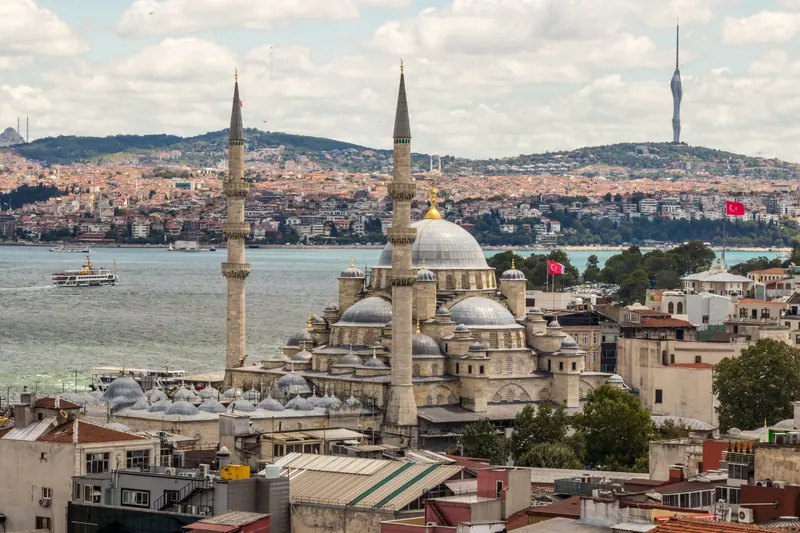
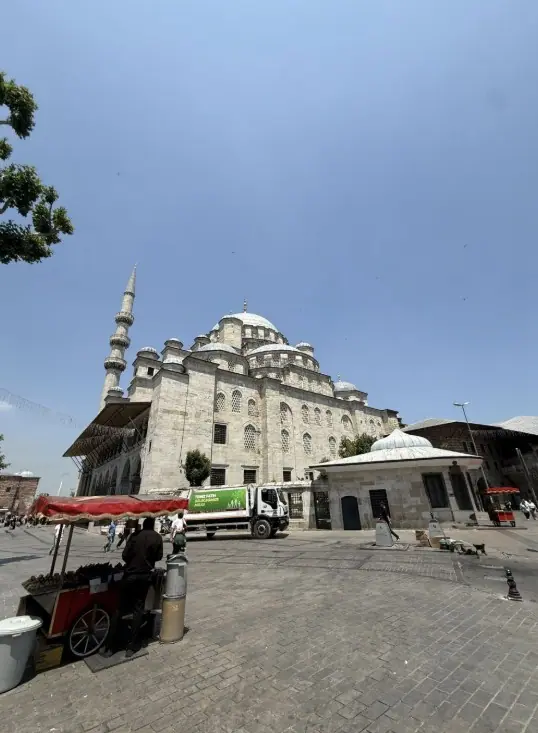
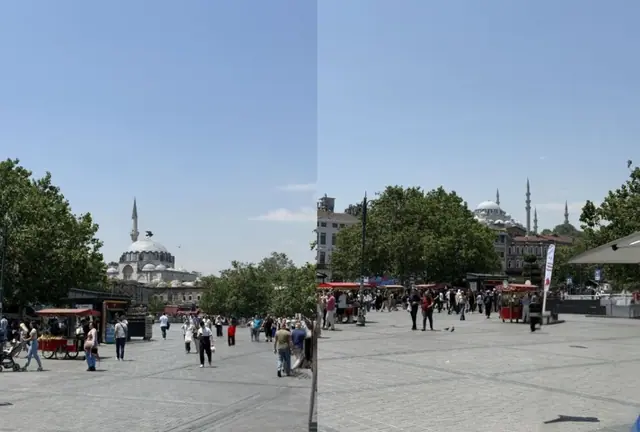
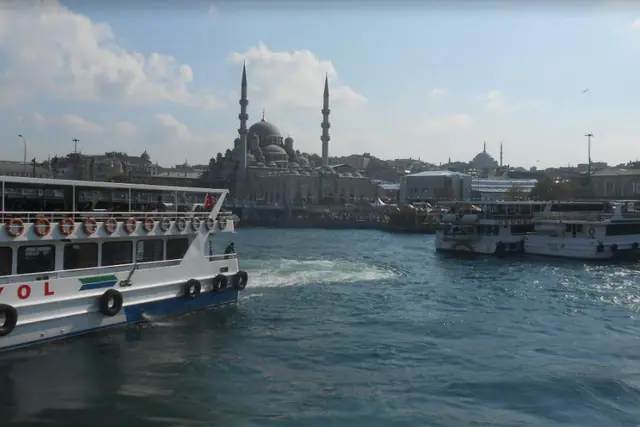
We are right next to one of the most iconic mosques in Istanbul, the New Mosque, which, paradoxically, is over 350 years old. From here, it is common to hear the call of the muezzin, who is responsible for calling people to prayer in Islam.
-
18. The Egyptian Bazaar
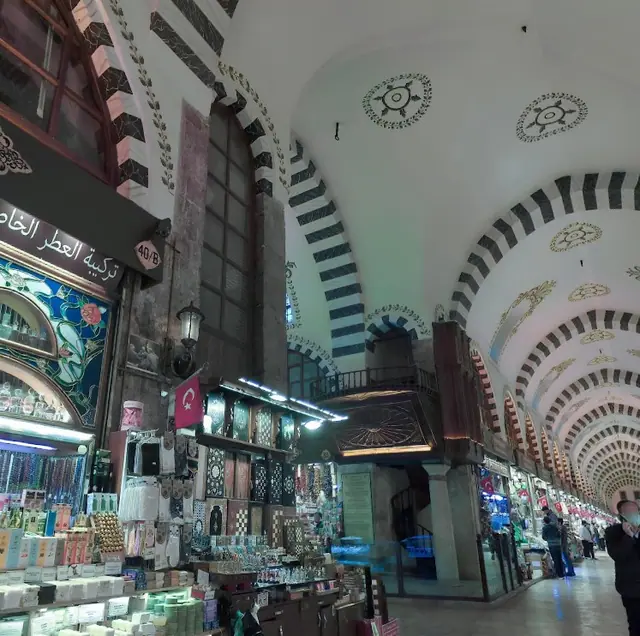
We are standing in front of the second largest and most traditional bazaar in Istanbul, after the Grand Bazaar.
-
19. Inside the Bazaar
Now we are inside the Egyptian Bazaar, and as we walk around, we feel as if we have entered an old pharmacy.
-
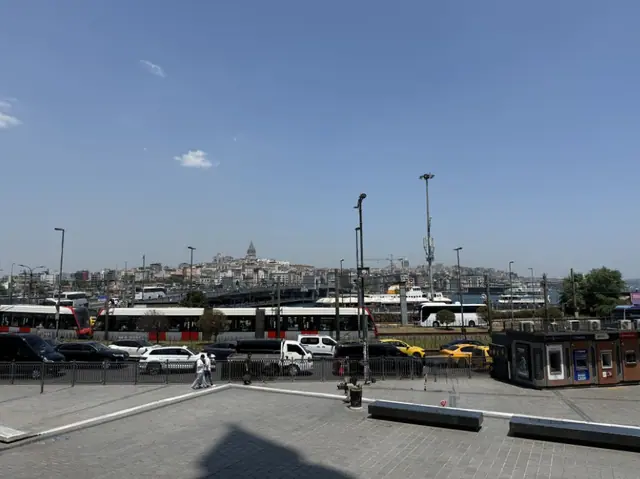
20. Eminonu Square
Here we are in Eminonu Square, one of the most vibrant and iconic spots in Istanbul. Located between the natural strait that separates Europe and Asia, it has been a vital crossroads for roads, caravans and ships for centuries.
-
21. Between two continents
And so we come to our last stop. Before you lies the Bosphorus, the strait that separates Europe from Asia. You are right on the border between two continents. This channel connects the Black Sea with the Sea of Marmara, and beyond that, with the Aegean and Mediterranean seas.
New Istanbul Walking Tour
-
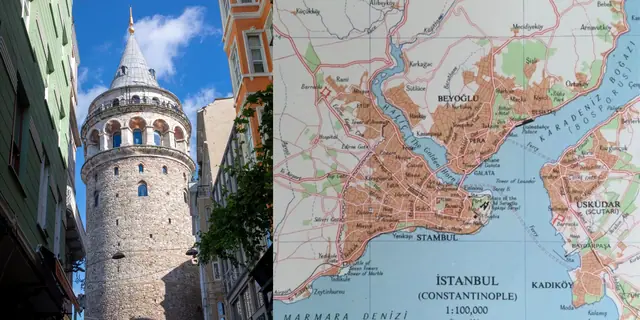
22. Galata Tower
This tour is a little different. We're going to visit amazing places, and you'll also see some optional recommendations that you can explore if you want. Because in the end, this tour is an informal space of freedom, to see this city with new eyes and at your own pace.
-
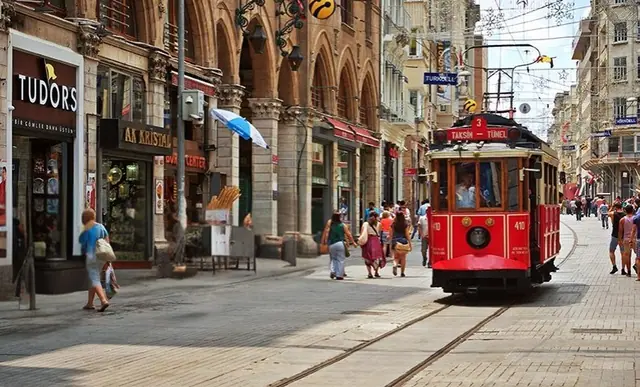
23. Independence Avenue
From here, let me tell you about the place we're going to visit for a while. It's called Istiklai Caddesi, which means Independence Avenue in Turkish.
-
24. The Museum of Illusions
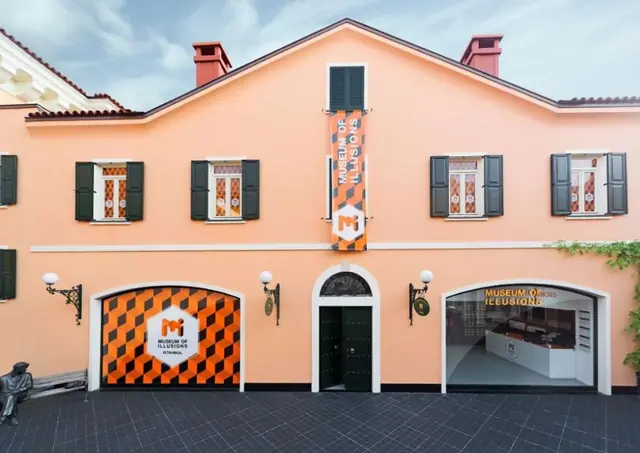
Now we're at a completely different stop, a place where nothing is what it seems and your senses will play tricks on you. We're next to the Istanbul Museum of Illusions. You don't come here to learn history, but to question reality.
-
25. Church of Santa María Draperis
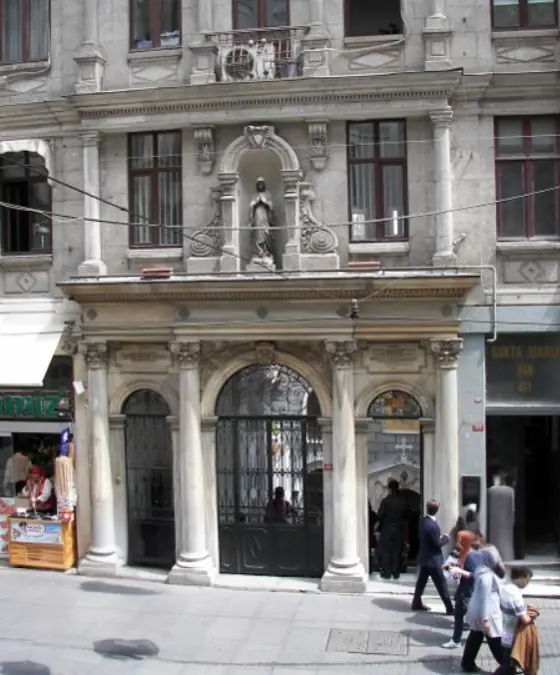
We continue walking along this lively avenue, which, among modern shop windows and cafés, reveals a hidden gem: the Church of Santa María Draperis.
-
26. Church of St. Anthony of Padua
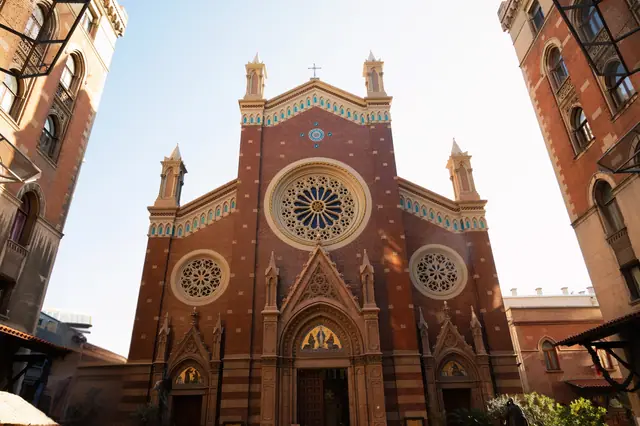
The first thing that catches your eye is its style, with red brick, colourful stained glass windows and Gothic shapes. The church was built by an Italian community in the early 20th century in the style of Venice and northern Italy.
-
27. Flower Passage
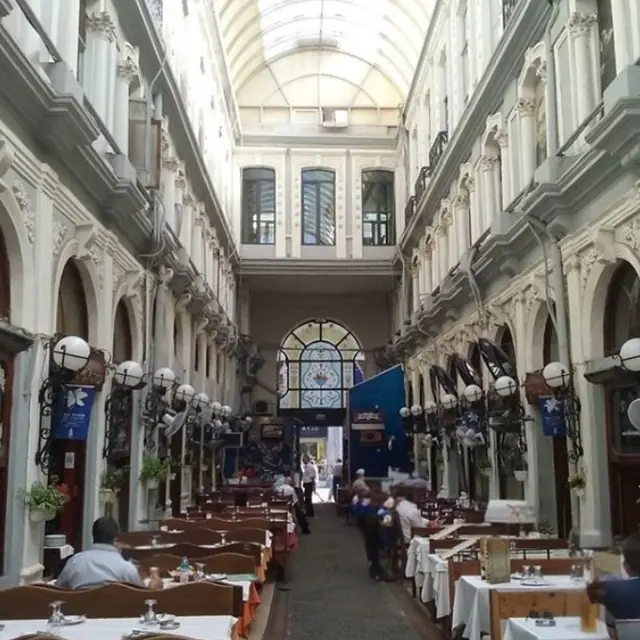
We are now standing in front of a very elegant place that seems to have been transported from another era. This place is not only beautiful, it is pure living history.
-
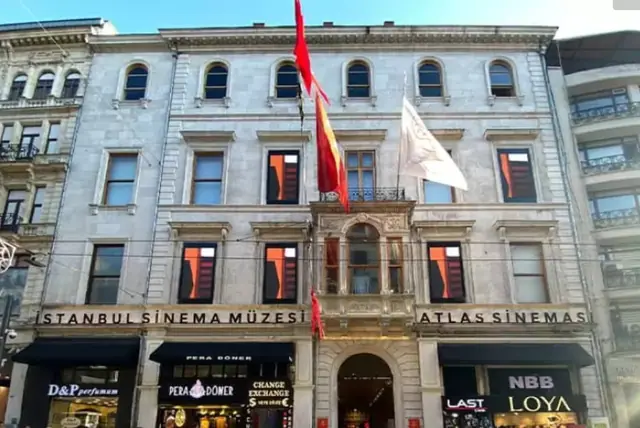
28. Istanbul Cinema Museum
Amidst bookshops, trams and passageways, we arrive at a corner that many overlook, but which holds something magical: the Istanbul Film Museum, an ideal place for lovers of the seventh art and for anyone who wants to see Istanbul from another angle, that of the screen.
-
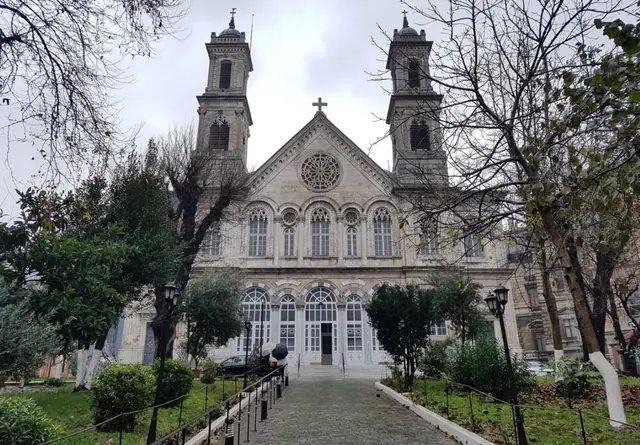
29. Church of the Holy Trinity Aya Triada
Here we are next to the Greek Orthodox Church of Aya Triada, or the Holy Trinity. Upon entering the gate, one feels as if they have entered another world. The church was built in 1880 and was for a long time the largest Christian temple in Istanbul after the Ottoman conquest.
-
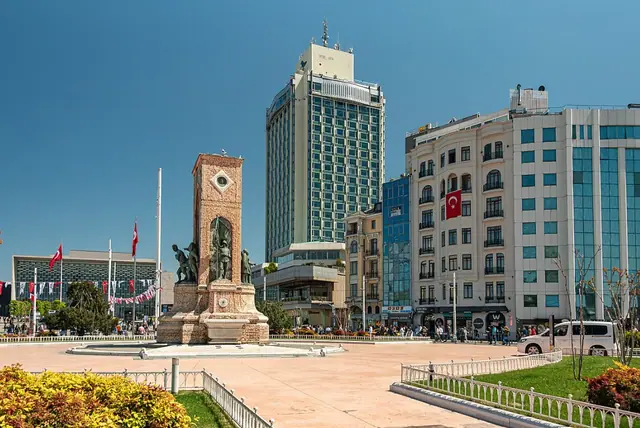
30. Taksim Square
We arrive at the beating heart of modern Istanbul, Taksim Square. If Independence Avenue is the backbone, this square is the pulse. Everything has happened here: history, politics, celebrations and protests.
-
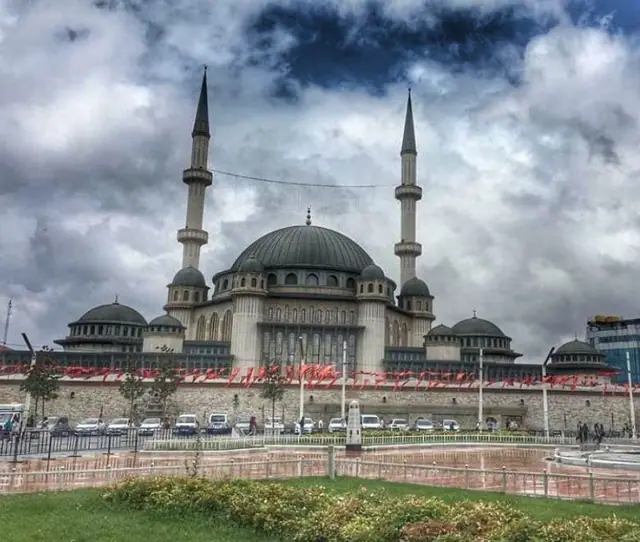
31. The Taksim Mosque
Right in front of you stands one of the most recent and symbolic additions to Istanbul's urban landscape, the Taksim Mosque. Although it looks like it has always been there, this mosque is very new, having been inaugurated in 2021, but its history goes back much further.
-
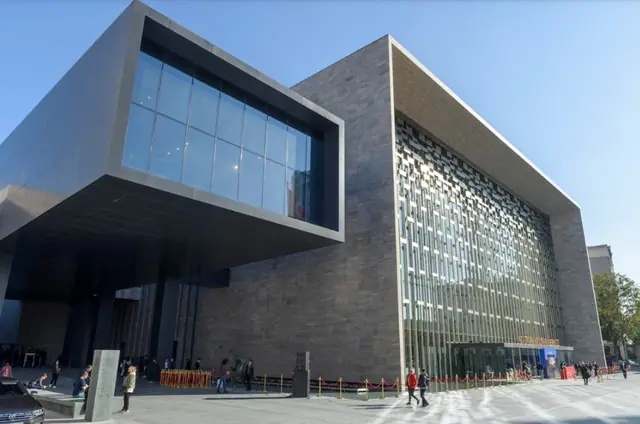
32. The Ataturk Cultural Center
We are now on the edge of Taksim Square, opposite the mosque. Here I am going to tell you about the modern glass-fronted building in front of you, called the Ataturk Cultural Center, known as the AKM, after its Turkish acronym. But don't be fooled by its new appearance.
-
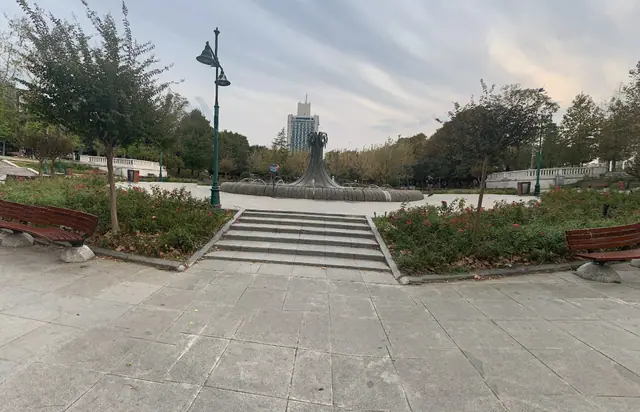
33. Gezi Park
We are now in a quieter, more peaceful area. This is Taksim Gezi Park, which we mentioned earlier for its key role in the 2013 protests. But this place is much more than a symbol of resistance.
-
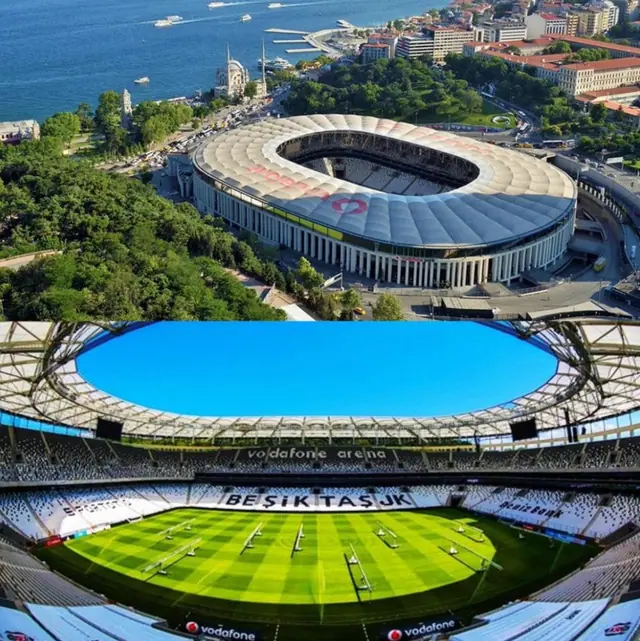
34. Besiktas Stadium
Now I want you to look at the imposing stadium in front of you. It's called Tupras and has a very interesting history.
-
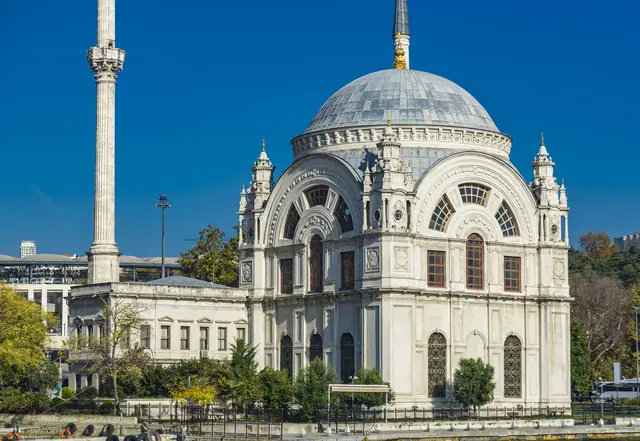
35. Dolmabahce Mosque
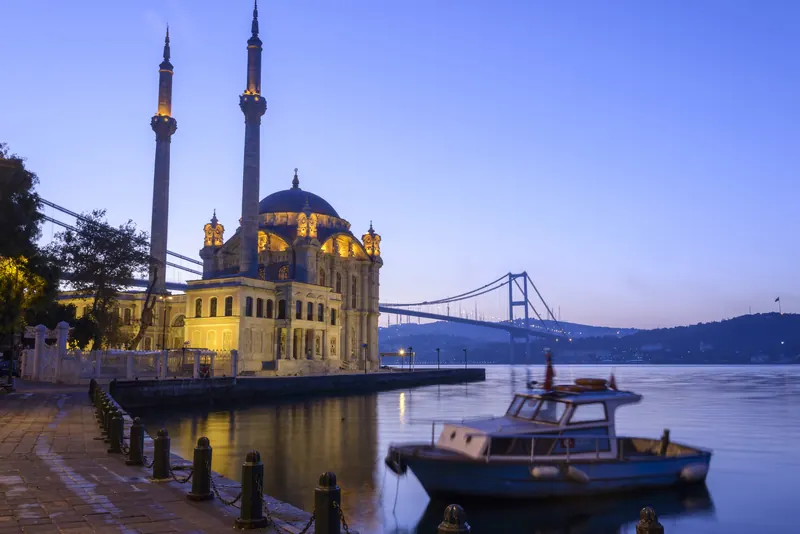
We are now in front of the Dolmabahce Mosque, which has a history as elegant as its façade. It was built in the mid-19th century by order of a very powerful woman named Bezmialem Valide Sultan, the mother of Sultan Abdulmecid I.
-
36. Dolmabahce Clock Tower
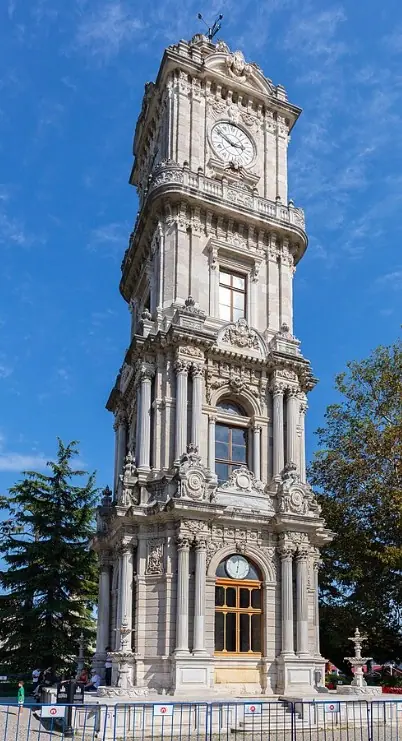
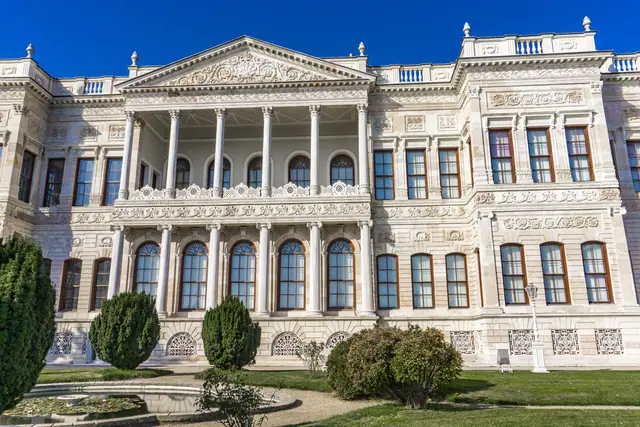
Now I want you to pause for a moment here. From this point, if you look towards that large entrance decorated with columns and railings, that is the Dolmabahce Palace, one of the most visited places in Istanbul.
-
37. Dolmabahce Palace
Well, we have reached the end of our tour, and we couldn't have ended it in a more impressive place. In front of us is the Dolmabahce Palace, a majestic building that seems to float alongside the Bosphorus.
Walking tour of Istanbul on the Asian side
-
38. The intersection of powers
We're going to cross over to the Asian side of the city together. This is not your average tour, because Istanbul is not your average city.
-
39. First Courtyard of Topkapi
We are now in the first courtyard of Topkapi Palace. This Ottoman palace was not a single luxurious building, but a complex of courtyards and pavilions, because more than a place to live, Topkapi was for almost 400 years the true command centre of the Ottoman Empire.
-
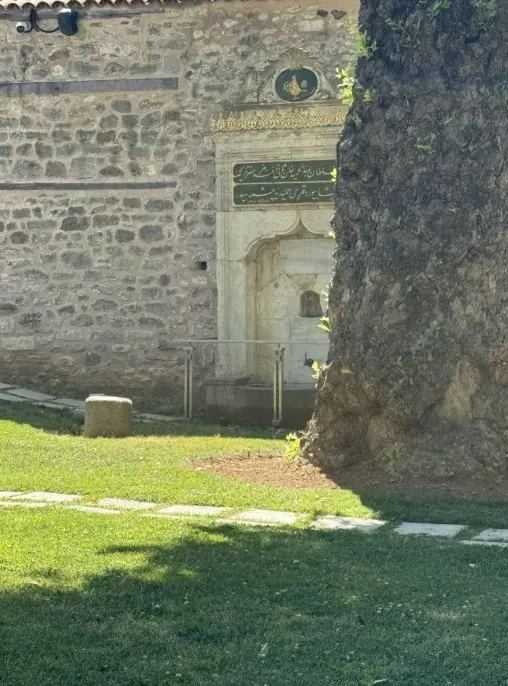
40. Abdulhamid Han Fountain
Now let's pause for a moment in this quiet corner, surrounded by gardens and enormous trees. It is no coincidence that the palace has spaces like this; the gardens were a reflection of the power, wealth and also the ideal of life of the Ottomans.
-
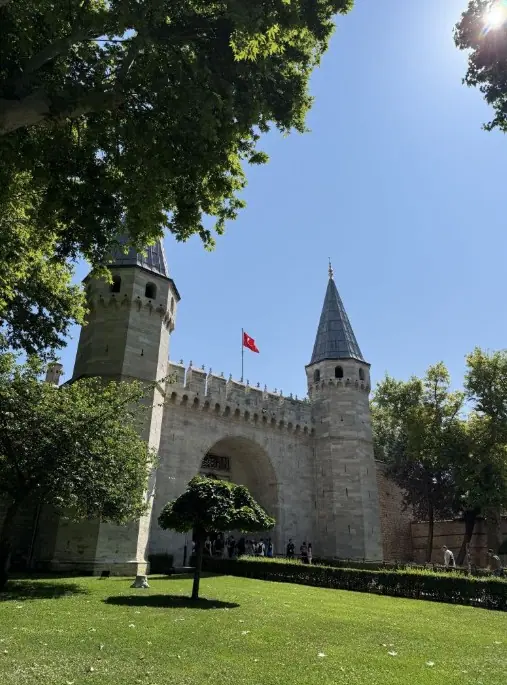
41. Gate of Salutation
Now, from this point, I am going to tell you about one of the most impressive corners of the palace. What we have before us is the Gate of Salutation, built in the 15th century. It was the boundary between the public and the restricted areas.
-
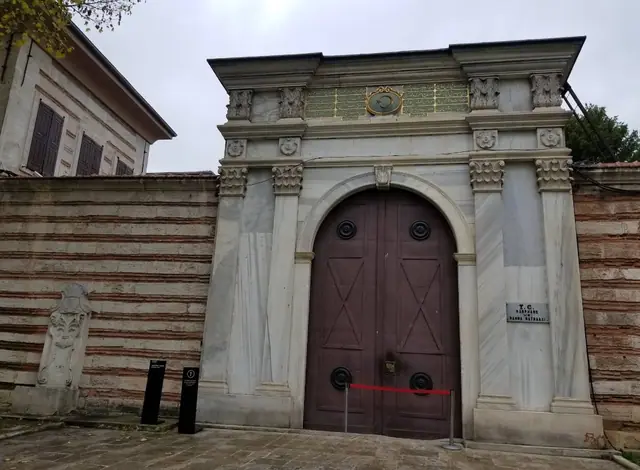
42. The Imperial Mint
We are now standing next to the former Imperial Mint. For centuries, the Ottoman Empire's money was minted here. This place was like a kind of Ottoman Money House, where the sultan's power was transformed into coins that circulated across three continents.
-
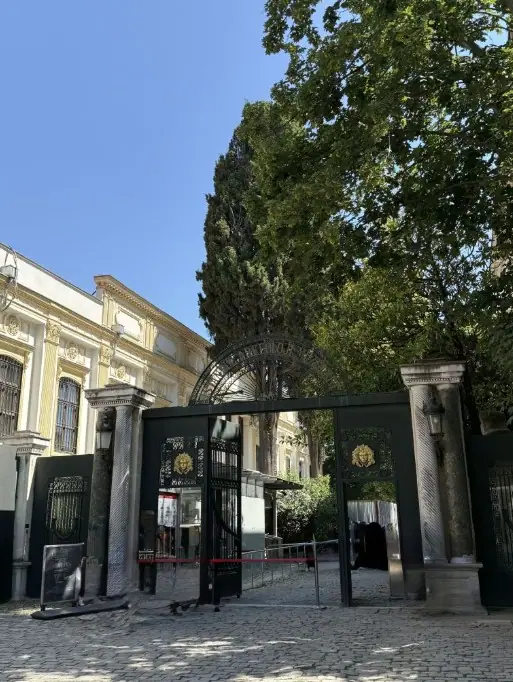
43. Istanbul Archaeological Museum
Now we come to another of those places that showcase the diversity of the Ottoman Empire and its curiosity about the past: the complex Istanbul Archaeological Museum, which includes the Museum of the Ancient Orient.
-
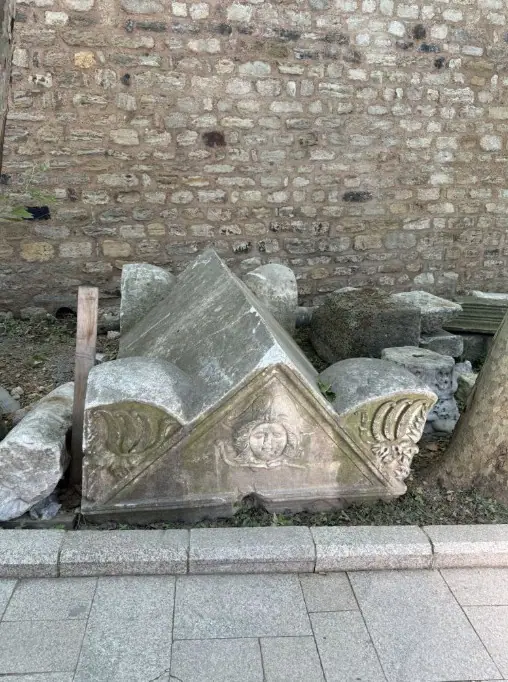
44. The Gorgon Medusa
Now we are leaving the palace, and I want you to look at this triangular stone embedded in the wall. At first glance, many think it is a sun, or even a smiley face, but in reality it is much older and more powerful: it is the head of Medusa, the Gorgon from Greek mythology.
-
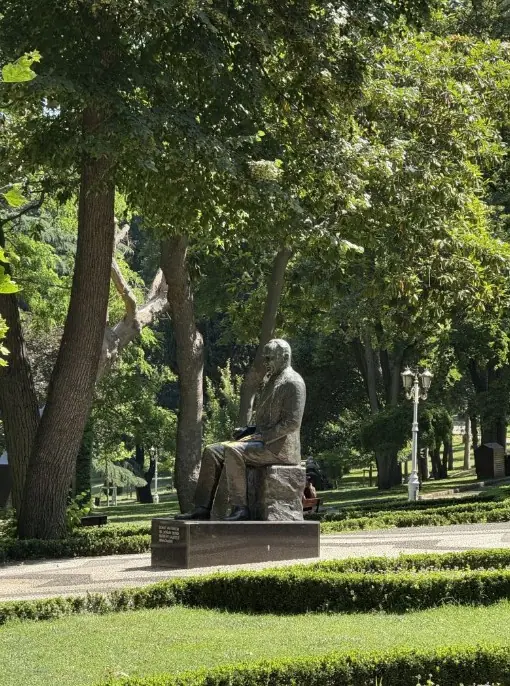
45. Gulhane Park
And now we come to Gülhane Park, whose name means Rose Garden. Although today there are more tulips than roses, it remains a garden where the city flourishes.
-
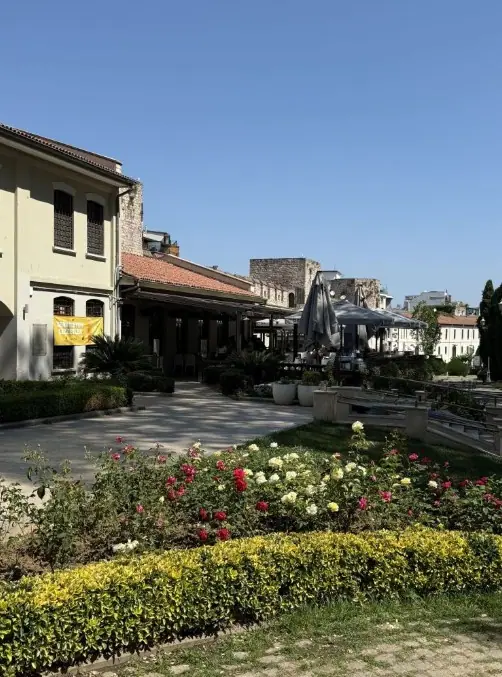
46. Between gardens and cafés
In this part of the park, in addition to gardens and fountains, you will see some restored buildings that now serve as restaurants and cafés. At first glance, they may seem like just another tourist attraction, but there is an interesting detail.
-
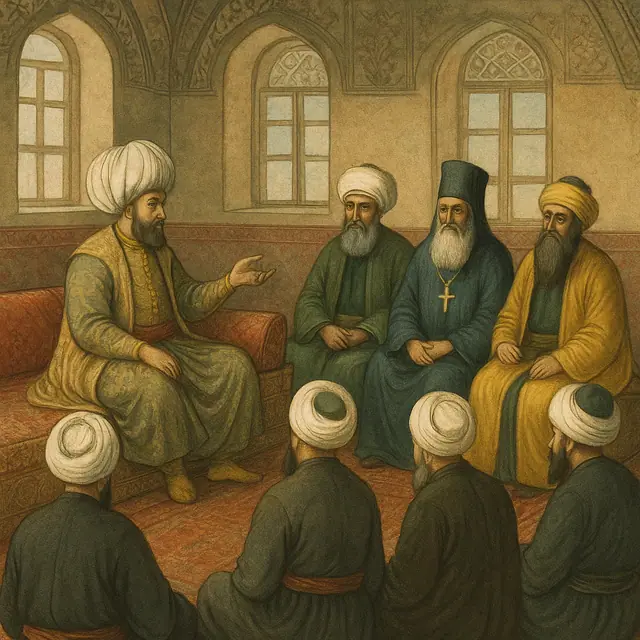
47. The Ottoman system of coexistence
Now, as we walk to the next stop, I want us to talk for a moment about the Ottoman Empire and how they managed to rule such a diverse territory for more than six centuries. This empire was not only full of palaces and mosques, but was a veritable machine of governance.
-
48. The Maiden's Tower
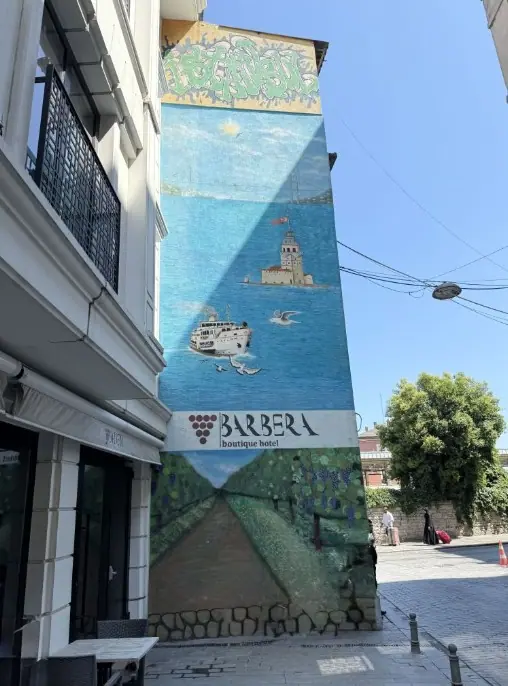
And now we leave official history behind and enter the realm of legends. Before reaching the coast, take a look at this mural. Do you see that solitary tower in the middle of the sea, with the Turkish flag flying at the top?
-
49. Orient Express
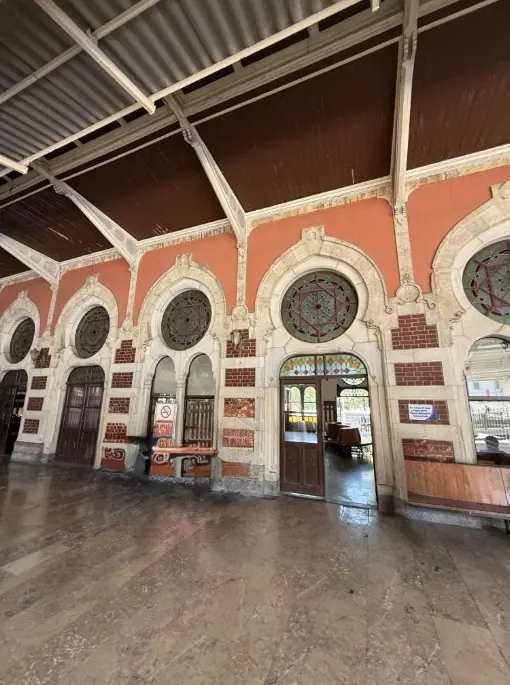
And here we arrive at a special place, Sirkeci railway station, the final stop of the legendary Orient Express, the train that linked Paris with Istanbul and for decades was the transport of kings, spies, diplomats and artists.
-
50. Flavours of Istanbul
Now we're going to make a different kind of stop. As we walk through this area, I'm going to tell you about what many travellers like best: the food.
-
51. Crossing to the East
Now we come to a key point in Istanbul, where you can cross the Bosphorus and go from Europe to Asia. There are two main ways to do this, and each has its own charm. On the one hand, there is the underground train that runs under the strait.
-
52. The ladies of Istanbul
Now we are officially on the Asian side of Istanbul. We have just crossed the Bosphorus, and although it may seem that everything is the same, the atmosphere here is a little different, more residential, quieter, with fewer tourists and more neighbourhood life.
-
53. Mihrimah Sultan Mosque
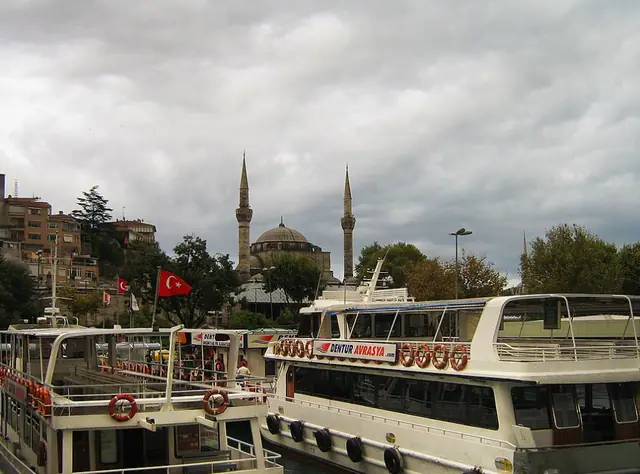
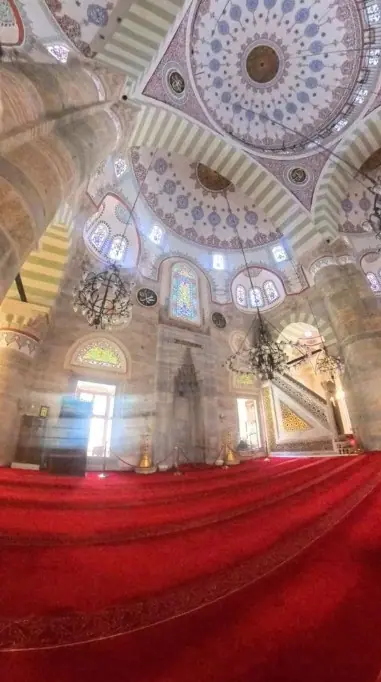
Now we are inside the mosque, and here I will tell you why it is one of the most special treasures on the Asian side of Istanbul. What makes it unique is not only its architecture, but also the story of who commissioned its construction.
-
54. Yeni Valide Mosque
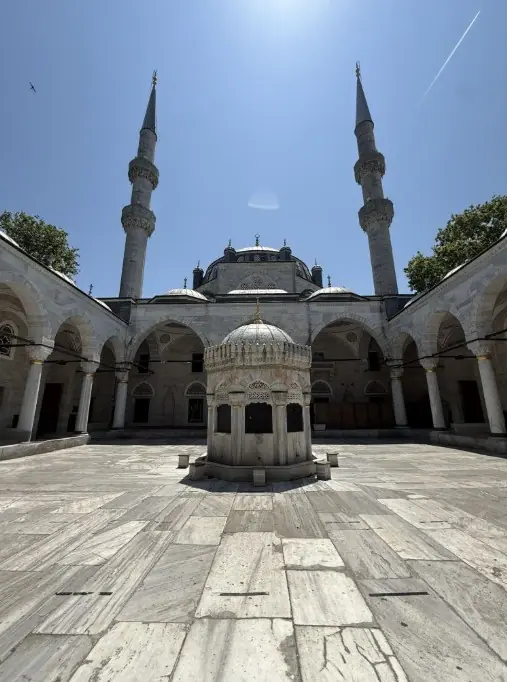
Here we are inside one of the jewels of Uskudar, the Yeni Valide Mosque, whose name means New Mosque of the Queen Mother. It was built in the early 18th century by order of Emetullah Rabia Gulnus Sultan, mother of Sultan Ahmed III.
-
55. Street food
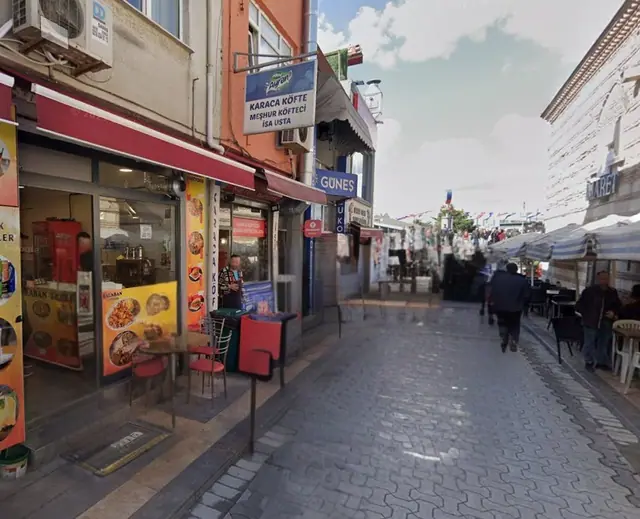
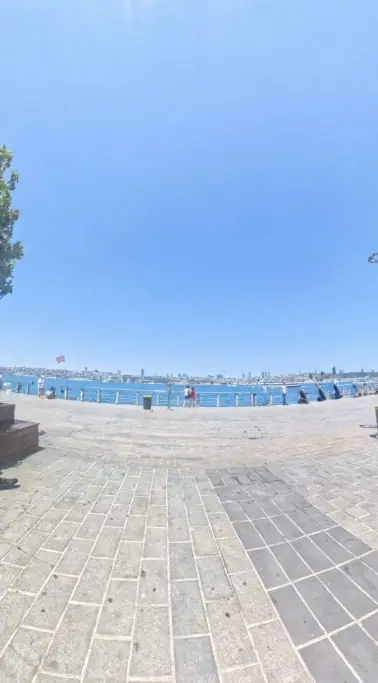
Here, next to the mosque, you will find some restaurants and street food vendors.
-
56. Temples and palaces
Now pause for a moment, as at this stop we will look towards the horizon. In the distance, across the sea, if you look to the right, you will see two palaces that tell a very different story from that of the solemn courtyards of Topkapi.
-
57. Semsi Ahmet Pasha Mosque
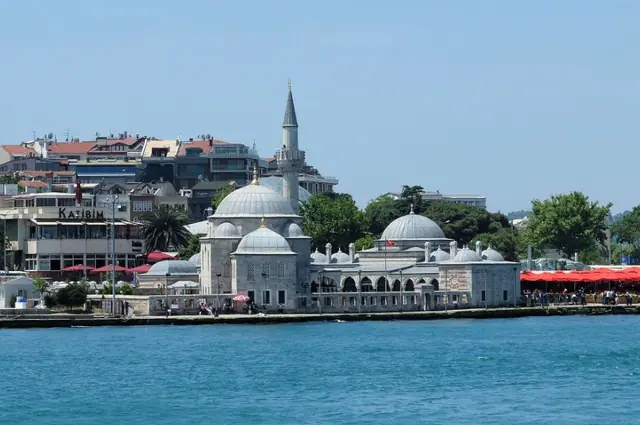
We have reached our last stop. We are at the Semsi Ahmet Pasha Mosque, known as the mosque where birds do not perch.
Walk them with the app
The 3 tours visit these places in order, with the full audio and the map. Free, with no sign-up.