What to see in Brussels on foot
55 places with their stories, the map and free audio in 15 languages.
Updated November 2026 · 12 min read · Produced by World Tour
Brussels in a nutshell
Brussels is not only the capital of Belgium. It is a city with centuries of history, shaped by its strategic position at the heart of Europe. Tradition places its foundation around the year 979, when a fortification associated with Charles of Lower Lotharingia is said to have been built on an island in the River Senne. However, the region was already inhabited, and the exact details of its origins remain a subject of study.
The places on the map
Each number is the place’s number in the list.
Brussels walking tour
-
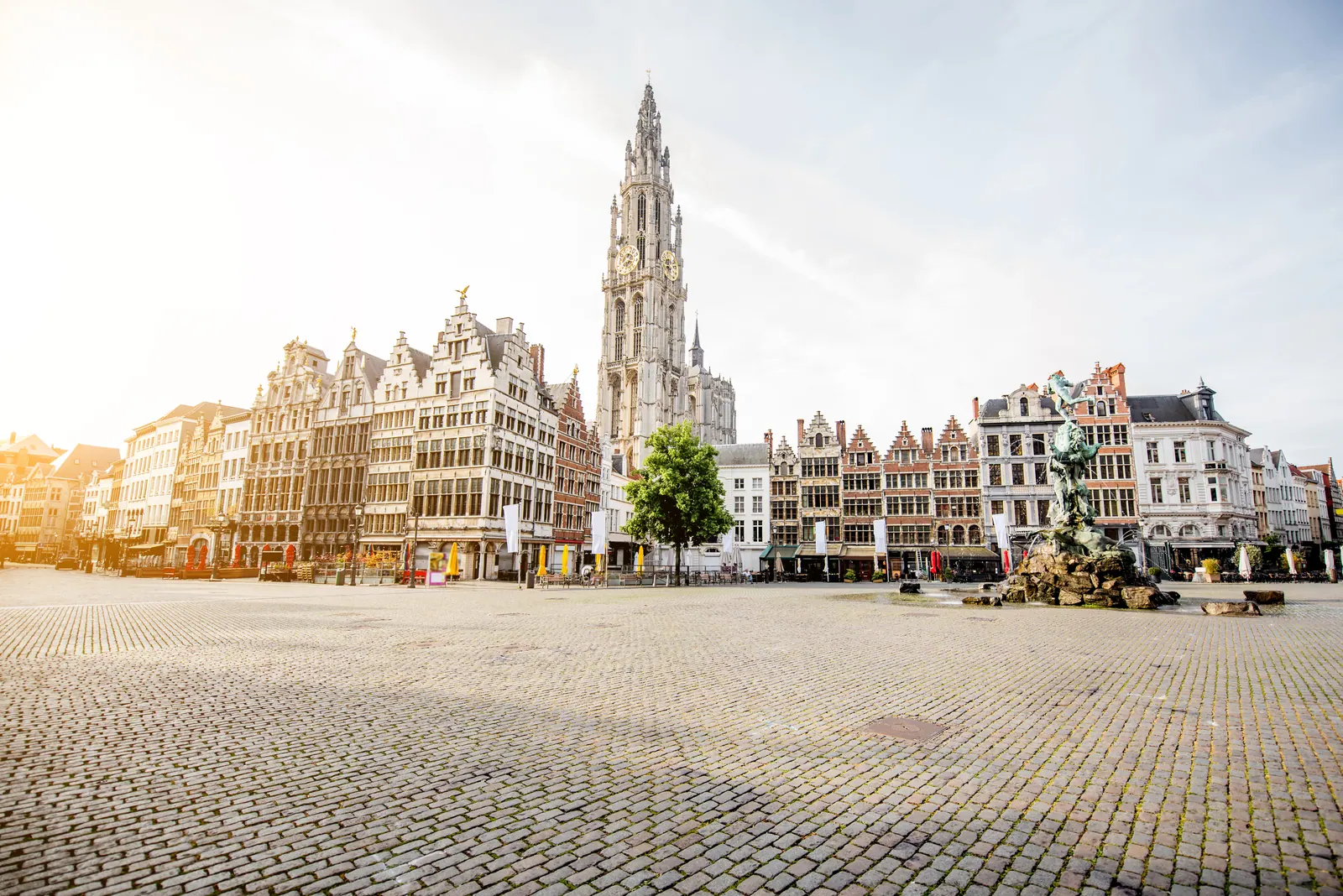
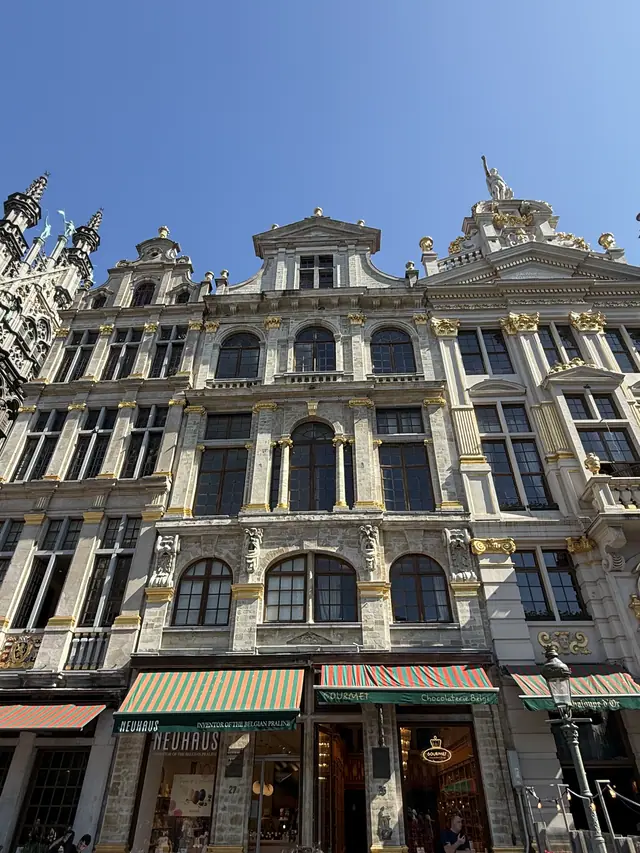
1. The Grand Place
Brussels is a city full of life, known for its chocolate, its beer and even its comic strips. But beyond that, it has a super interesting past. Today, people mainly speak French, but the first inhabitants of Brussels spoke a variant of Old Dutch, what we now call Flemish.
-
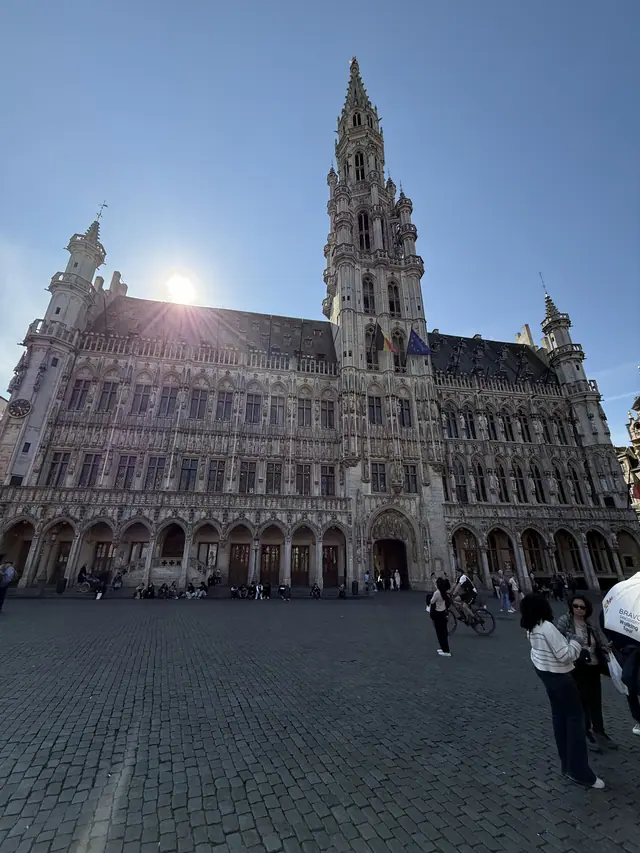
2. Buildings in the square
From here you can see the imposing town hall. Today, this building is no longer the administrative headquarters of the city, but is used for weddings, official receptions and special events. It is basically a historic function room.
-
3. The House of Victor Hugo
We are in front of the building where Victor Hugo, the famous author of Les Misérables, lived. It is called Maison du Pigeon, or House of the Dove. This house was originally the home of the painters' guild.
-
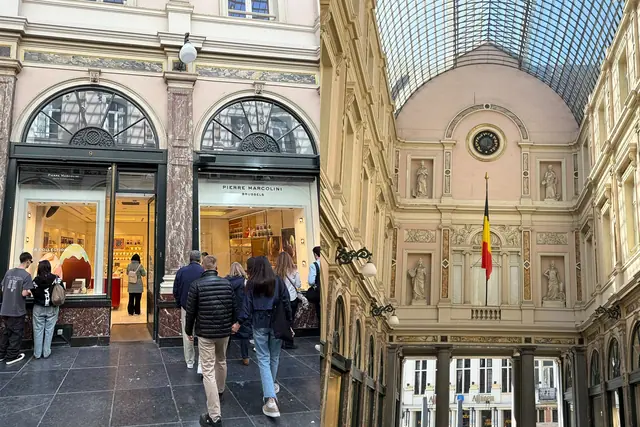
4. Saint-Hubert Galleries
This is one of the most elegant and striking places in Brussels. These galleries were inaugurated in 1847 and were the first of their kind in terms of their large-scale architectural style, with a glass and metal vaulted ceiling.
-
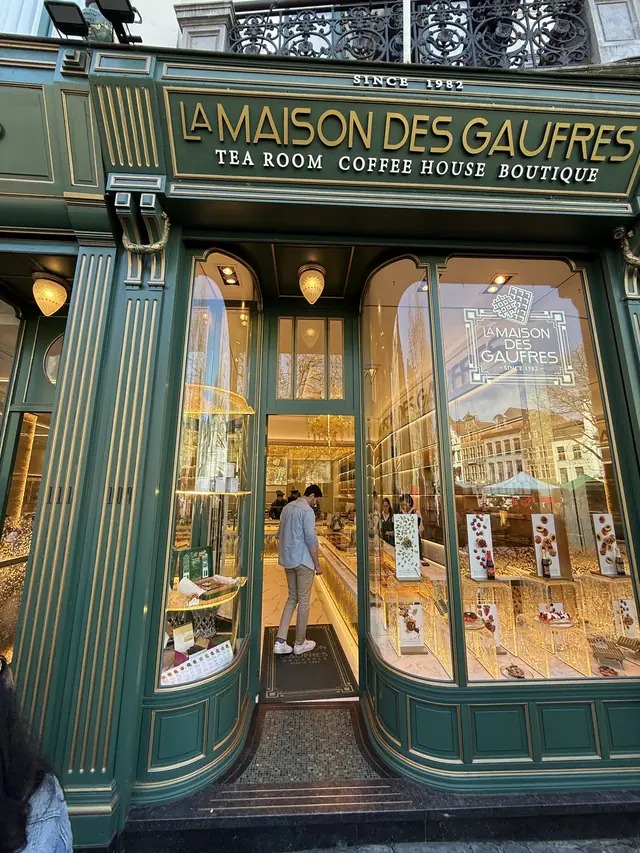
5. Brussels waffle
Here, we will take a short break to talk about one of Brussels' most irresistible treats: the waffle. Its origins date back to the Middle Ages in Europe, mainly in what is now Belgium and France.
-
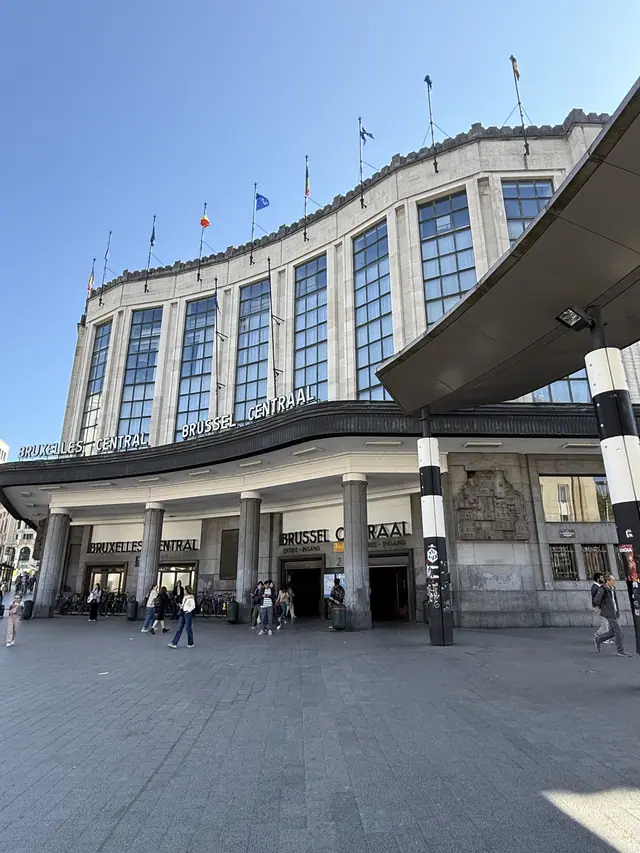
6. Central Station
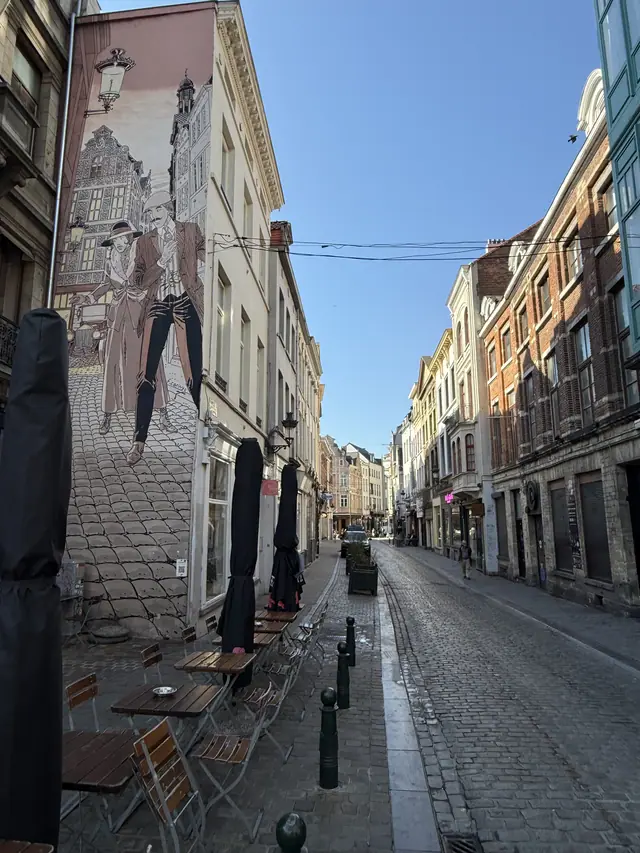
This hill connects the lower part of Brussels with the upper part, where the nobility traditionally lived. Further up, the Royal Palace awaits us. But first, we'll take a short break in front of this large structure, which is the central train station.
-
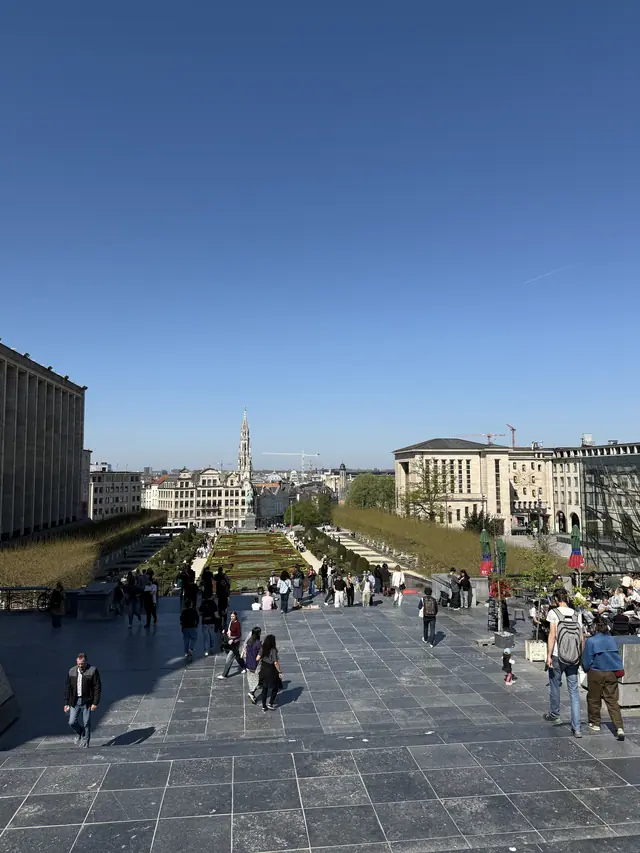
7. The Arts Hill
This place is probably one of the most photogenic spots in all of Brussels. If you're looking for that perfect Instagram shot, this is the place.
-
8. The Spiral Ear
From this point, you can see the brick buildings in the background. The left side is original and survived the bombings of World War II, while the right side was rebuilt. This building gives us an idea of what this area looked like before the conflict.
-
9. Brussels Park
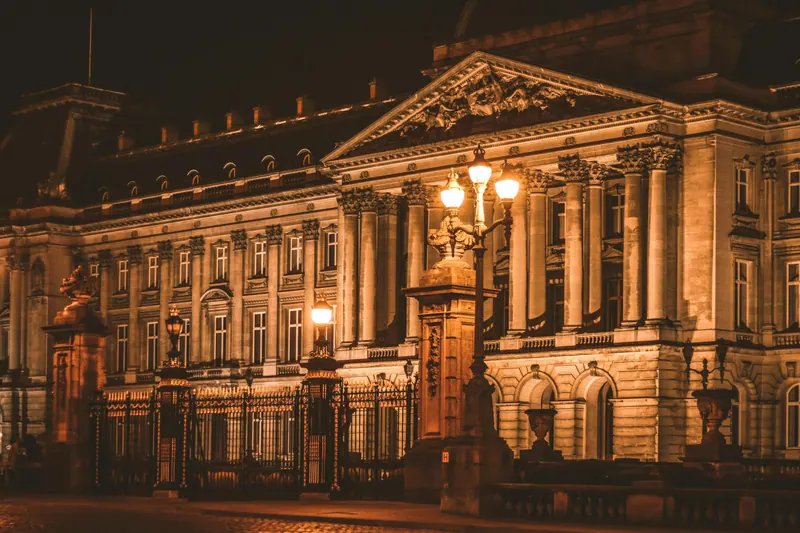
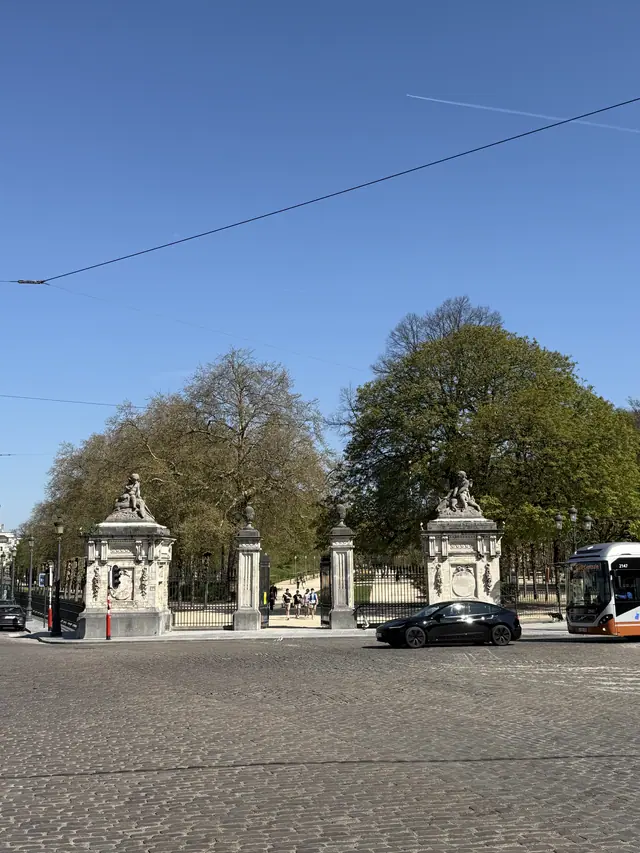
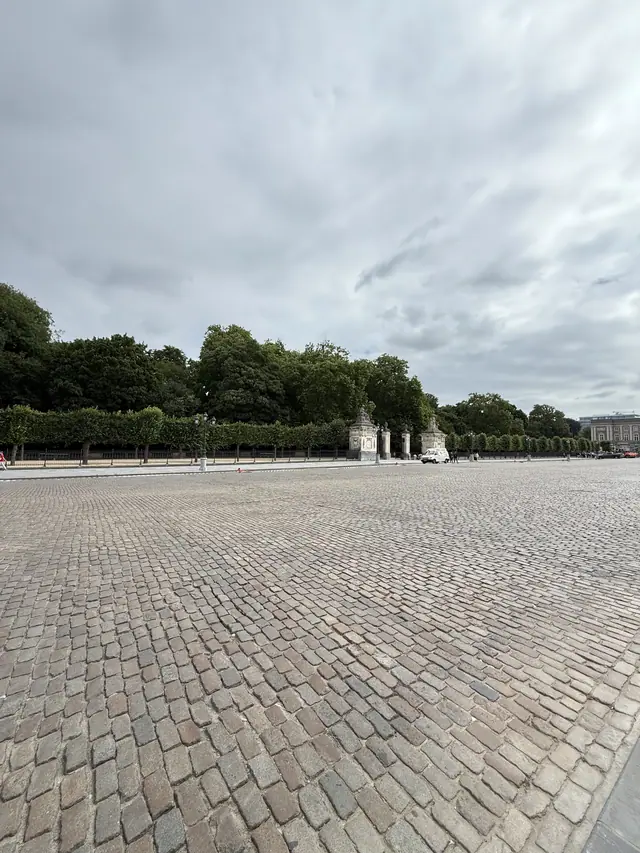
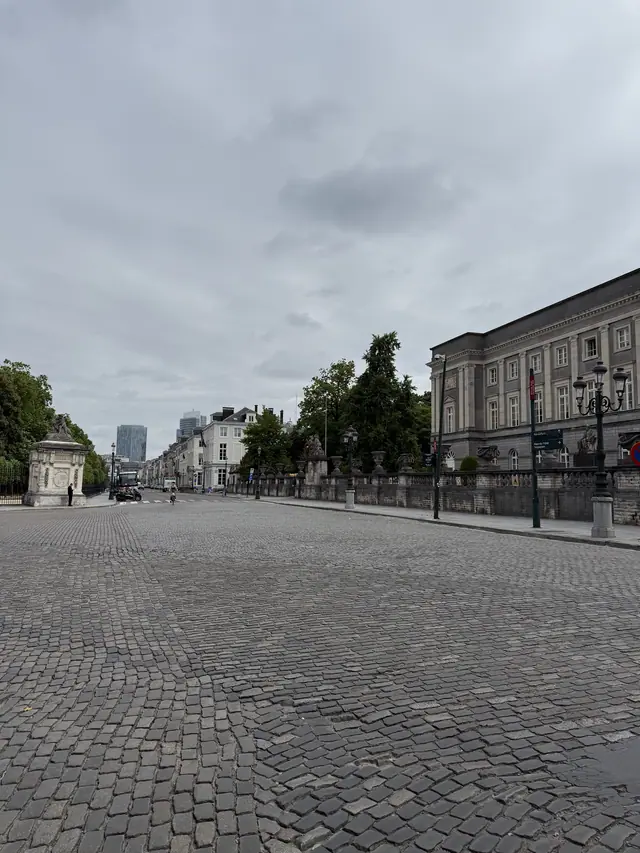
We are standing in front of the entrance to Brussels Park, opposite the Royal Palace, the official residence of the King of the Belgians.
-
10. Palace of Justice
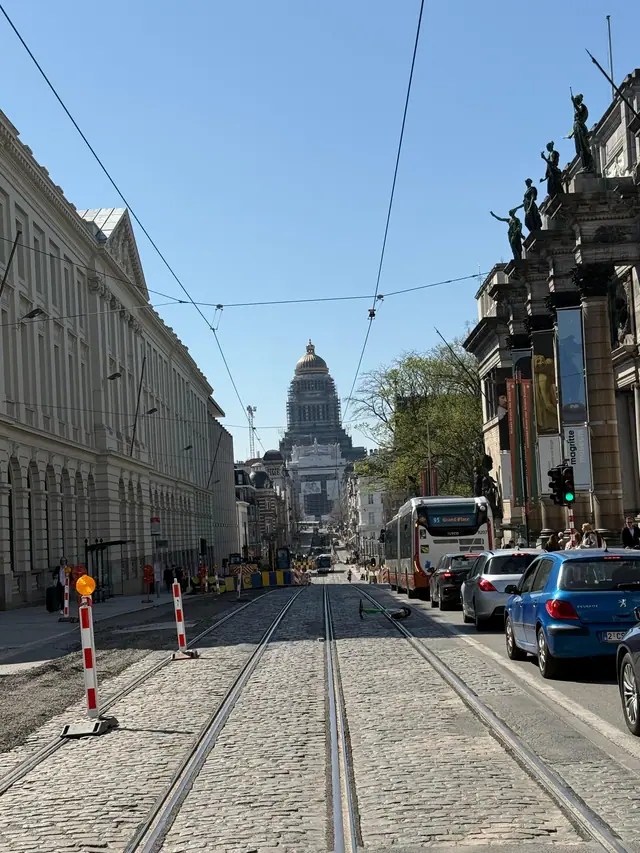
From this point, if you look down the avenue, you will see an impressive building on your left. That giant is the Palace of Justice in Brussels, the seat of judicial power in Belgium, and it is the largest courthouse in the world.
-
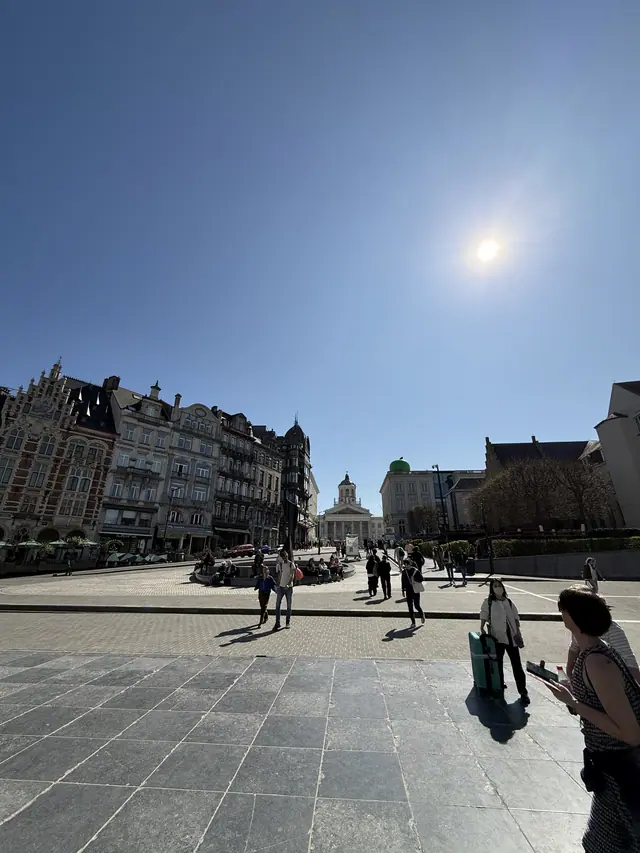
11. The Church of Our Lady
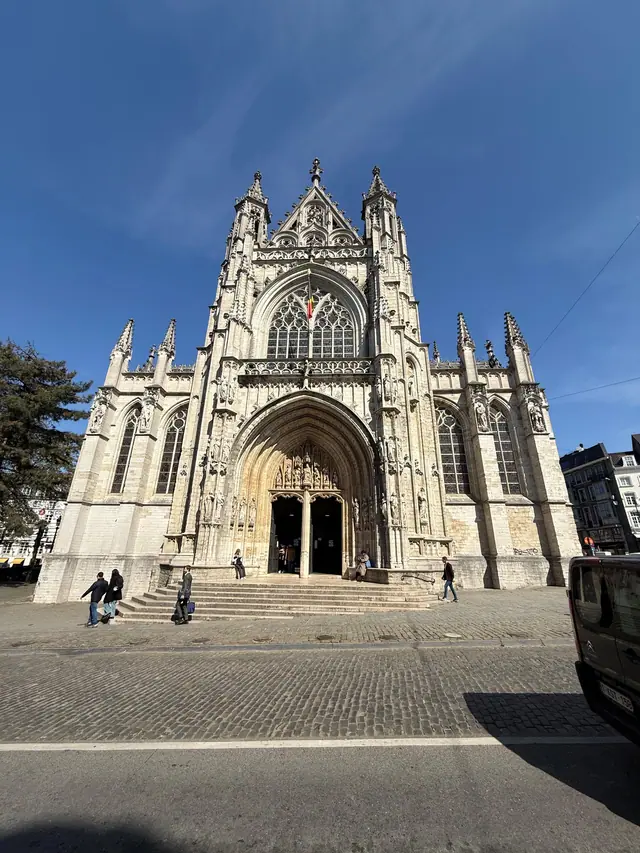
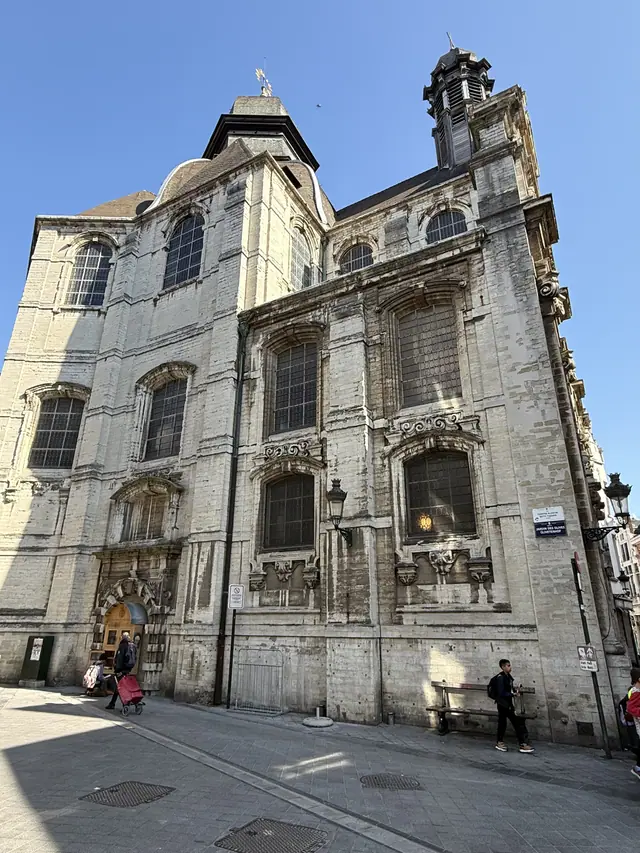
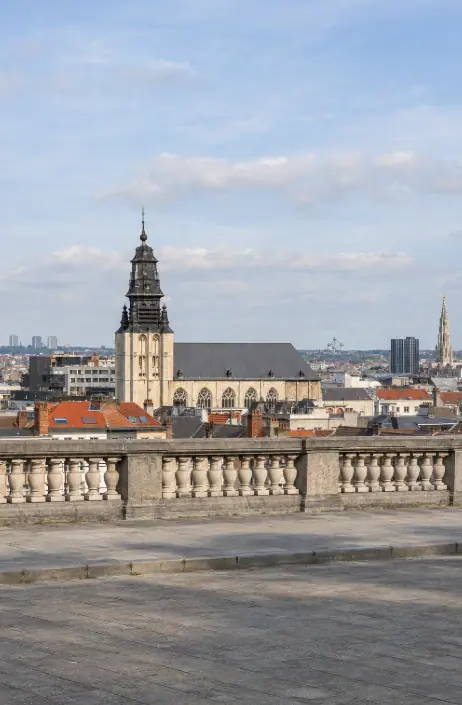
Now let's pause for a moment in front of the Church of Notre-Dame de la Chapelle, one of the oldest and most emblematic churches in Brussels.
-
12. Manneken Pis
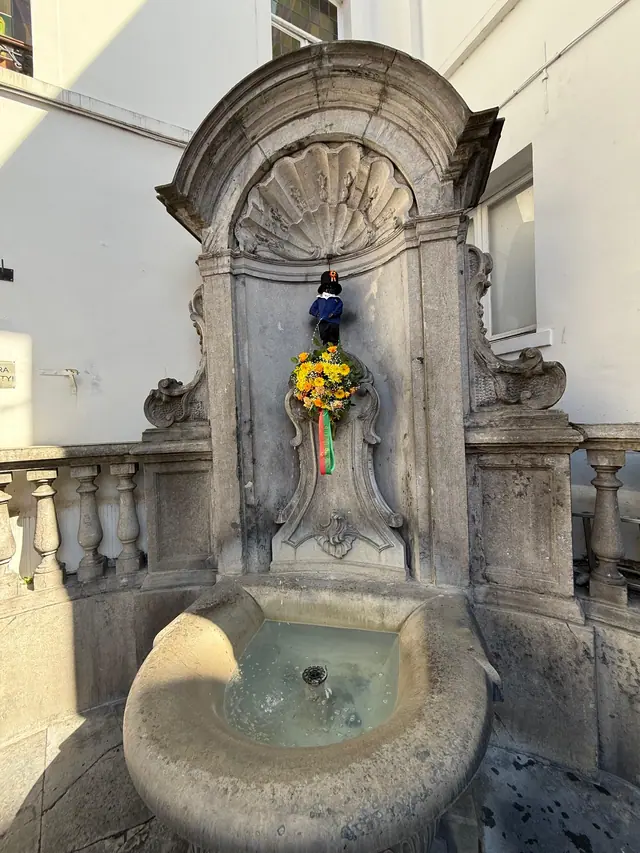
As you can see, there he is in all his glory, the famous Manneken Pis. This boy, barely 21.65 inches tall, happily urinating into a fountain, has become the true symbol of Brussels.
Walking Tour of the European Quarter
-
13. Royal Square
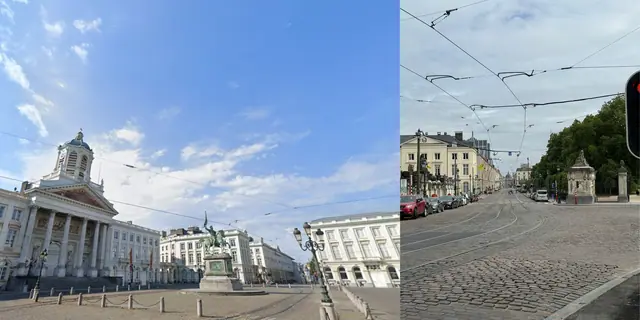
Well, let's continue along the route, and I invite you to look around, because this square offers a rather unique perspective of Brussels, where history, art, justice, bureaucracy and plenty of building work come together. We're in the Royal Square.
-
14. The Lost Palace
We are on Coudenberg hill. This area was home to Coudenberg Palace, the former ducal and royal palace of Brussels. This was the centre of political power for centuries.
-
15. The Léopold Quarter
We are now approaching the European Quarter. Part of this area forms part of the historic Léopold quarter, named in honour of Leopold I, the first king of the Belgians.
-
16. Colonial memory
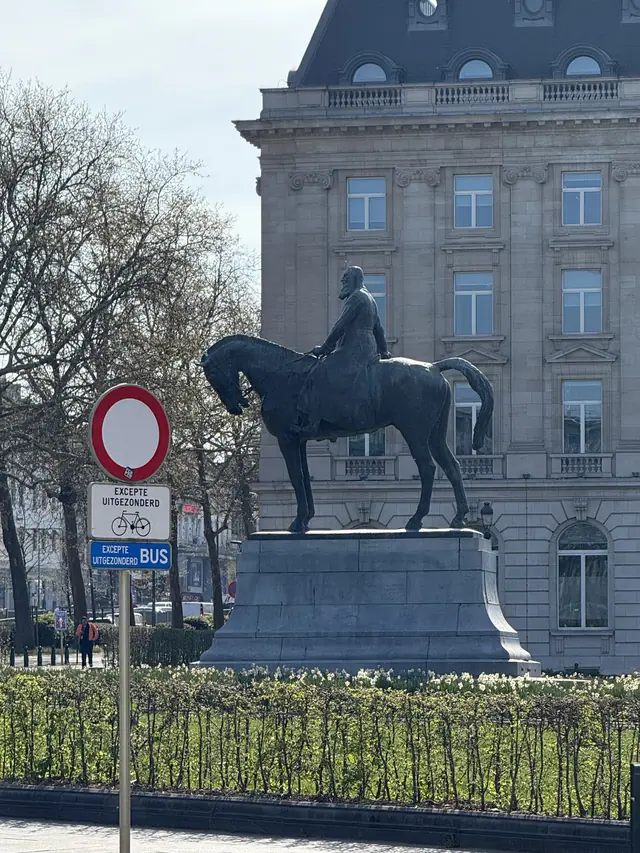
Before delving into the institutions of the European Union, we find ourselves before the equestrian statue of Leopold II in Throne Square. His figure reappears in this area of Brussels, and this stop invites us to look at these tributes in a new light.
-
17. The European Union
In this area you can find official cars and escort motorbikes. Traffic is part of life in a neighbourhood where officials, politicians and diplomats work. From this point, we will look back to understand why the European Union exists.
-
18. Meeûs Square
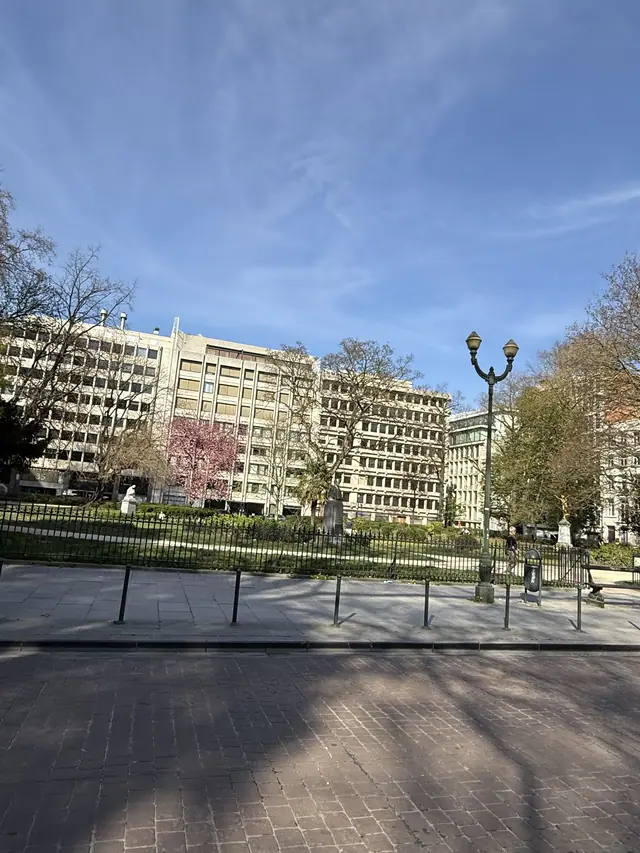
We are in Meeûs Square in the European Quarter. This is a small but elegant park surrounded by offices and institutional buildings. At first glance, it may seem like any other garden, but it is actually a place steeped in history and symbolism.
-
19. Luxembourg Square
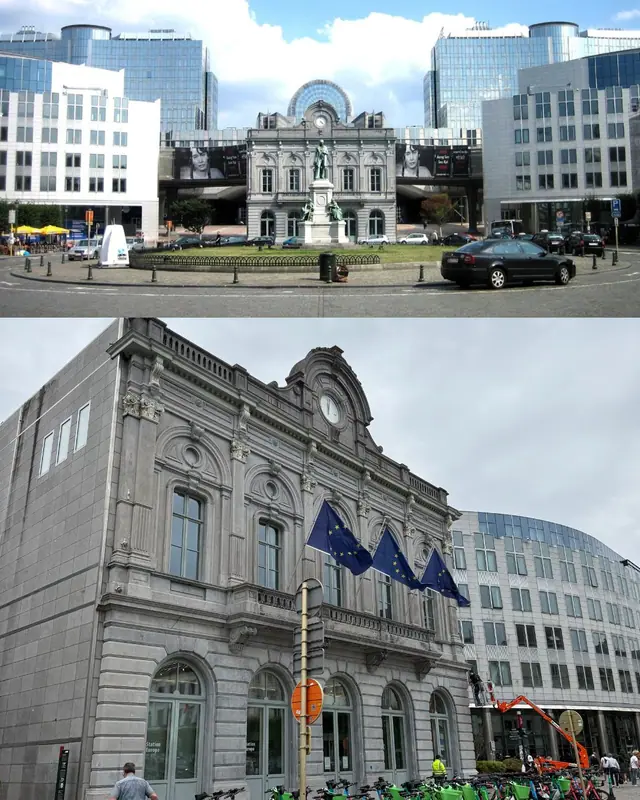
We are in Luxembourg Square. In the background, in front of the European Parliament buildings, you will see the stone facade of the old train station, complete with its clock.
-
20. The European Parliament
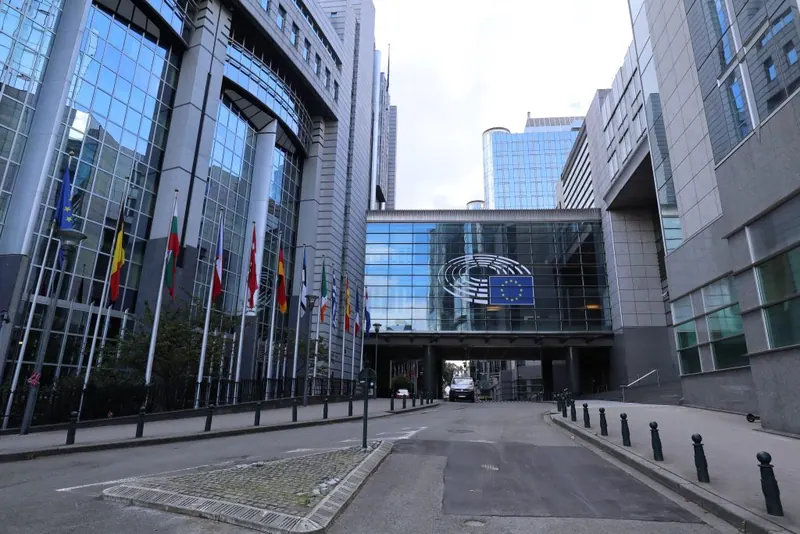
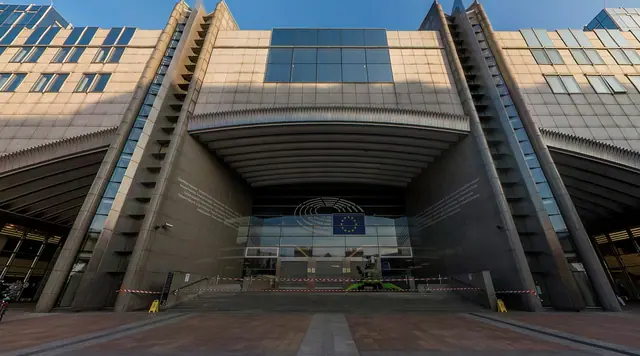
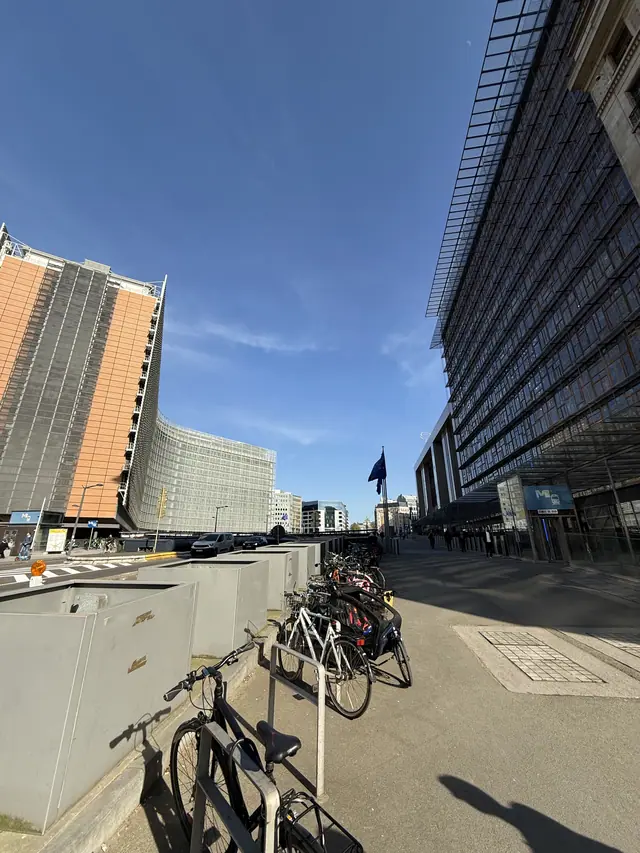
Here we are at the European Parliament complex in Brussels, known as Espace Léopold. It's almost a city within the European Quarter, with several interconnected buildings. The most iconic is the Paul-Henri Spaak building, with its large glass roof.
-
21. European Parliament Hemicycle
We are standing next to the Paul-Henri Spaak building, which houses the European Parliament's hemicycle in Brussels. Inside is the large plenary hall, with its curved rows of tables and microphones. When Parliament holds a plenary session in Brussels, MEPs debate and vote here.
-
22. Leopold Park
In the mid-19th century, this was a zoological garden. It opened in 1851 and soon became a popular place for a stroll in Brussels. People came to see the animals, walk among the ponds and listen to concerts.
-
23. The House of Languages
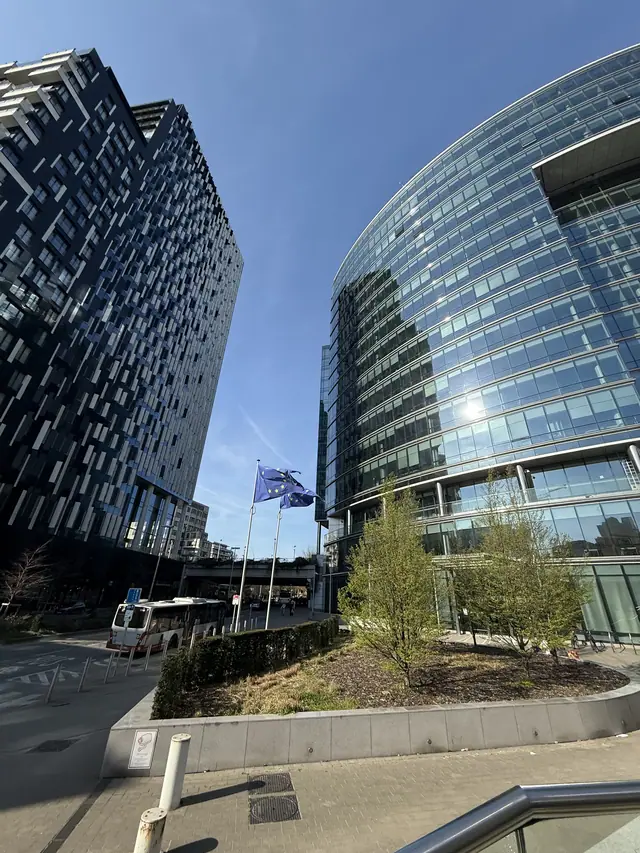
We’re next to the Lex building. It’s the one on the right in the photo for this stop, with the curved glass façade. Since 2007, it has housed the Translation Service of the General Secretariat of the Council of the European Union.
-
24. The Circle of Decisions
We’ve reached the last stop of the tour, next to Schuman Square. The old roundabout became a square with more room to walk. The work finished in 2026, and you can see several concentric circles in the paving.
Walking tour of Brussels' comic strip
-
25. First comic-strip mural
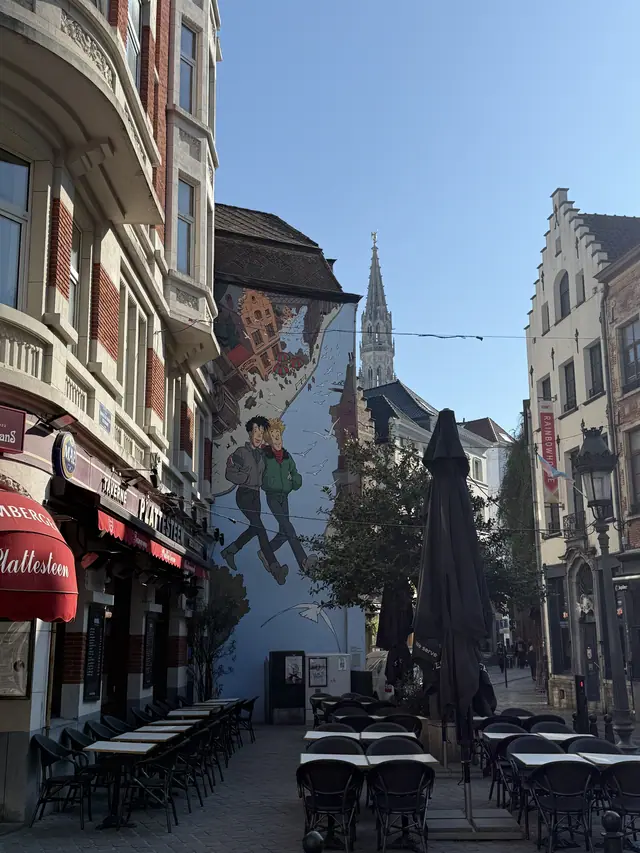
Before we dive straight into the story, it’s worth learning an expression you’ll hear frequently in Belgium. In French, a comic is called a bande dessinée, which could be translated as ‘drawn strip’.
-
26. The Clear Line
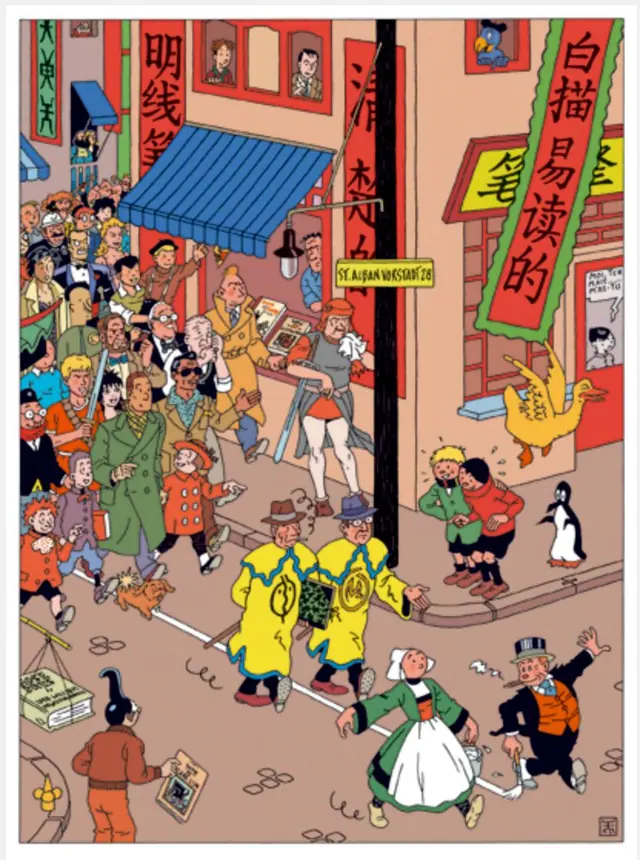
Now that you have observed the Broussaille mural, let us pause to consider a fundamental aspect of Belgian comics: the way they are drawn. One of their most recognisable visual languages is the clear line, closely associated with Hergé, the creator of Tintin.
-
27. Victor Sackville
Now stop in front of the mural and observe the scene. The night-time lighting, the car, the cobblestones and the architecture create an atmosphere of mystery. In the midst of it all stands an elegant man with a serious expression, who seems to be watching every movement.
-
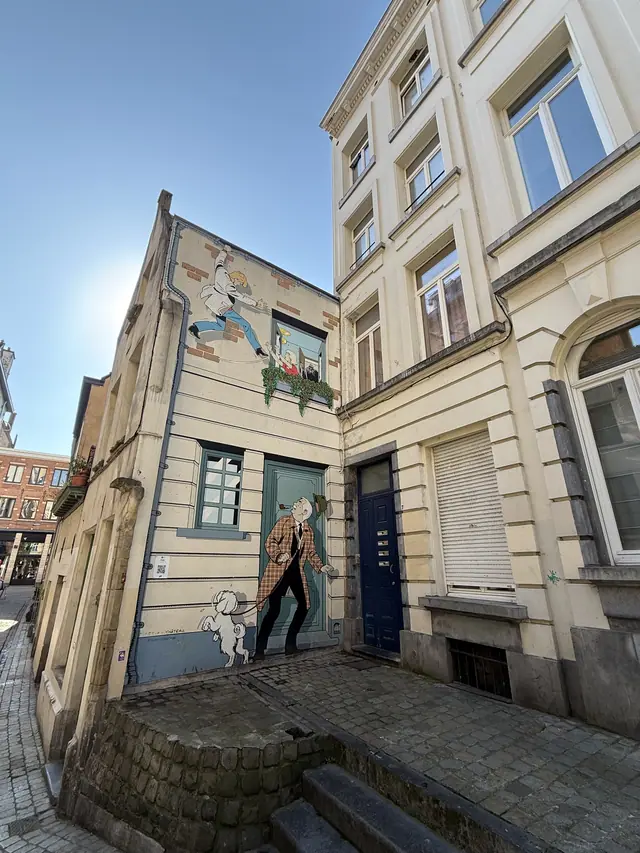
28. Ric Hochet
Now stop in front of the mural and take in the whole scene. It looks as though the façade has opened up to let us peer inside a story. At the window, a young blond man is trying to climb in quickly.
-
29. Comic-book capital
Now pause for a moment and look at the street in front of you. In Brussels, comics are not confined to books or museums: they appear on façades, in sculptures and even on street signs.
-
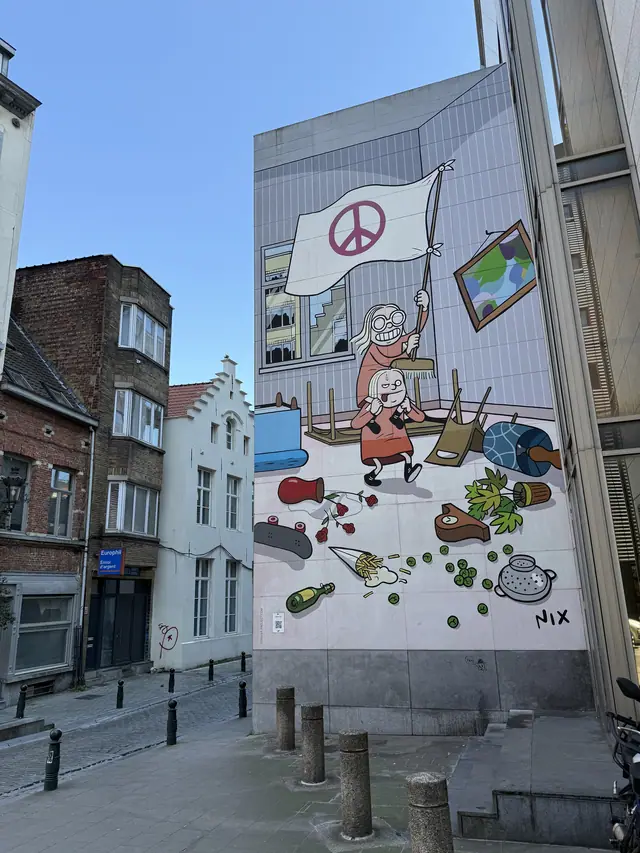
30. Kinky & Cosy
Stop in front of the mural and take in the whole scene. Kinky and Cosy are twin girls who look almost identical, dressed in red and wearing deceptively innocent expressions. We see them raising a flag with the peace symbol, yet chaos reigns all around them.
-
31. Froud and Stouf: from television to comics
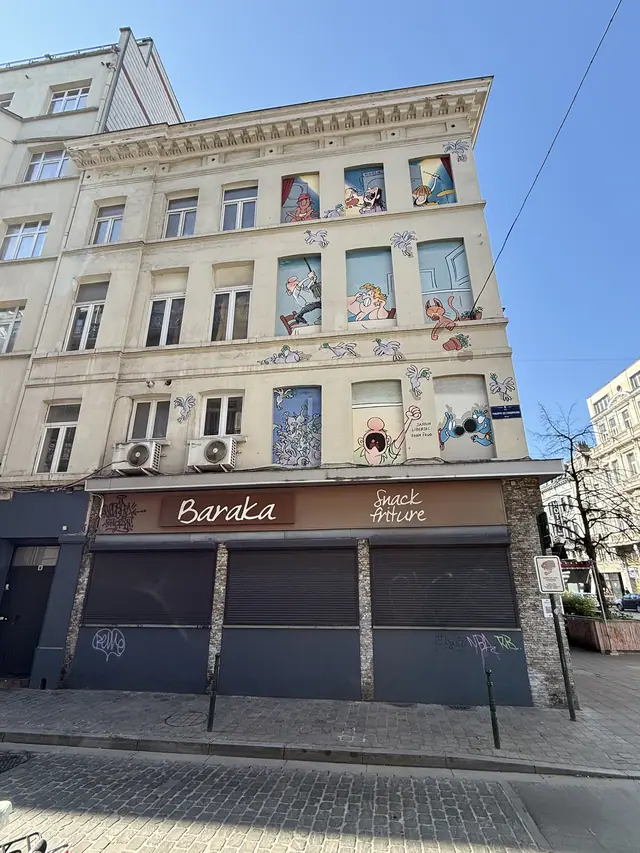
Now, stop for a moment in front of this building and look at its windows. From them, Froud and Stouf, two small blue dogs with long snouts, calm expressions, and very Belgian humour, are watching us.
-
32. Belgian Culture
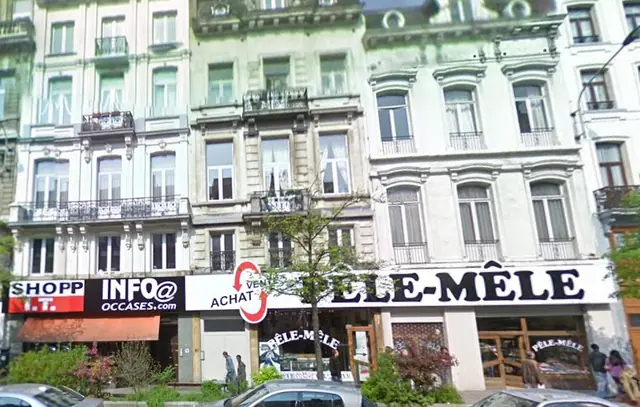
This stop allows us to discover another facet of Brussels: a city where culture also lives outside the museums. It is found in bookshops, markets, concert halls and second-hand stores, spaces where cultural objects change owners and begin a new story.
-
33. Heroic Fantasy
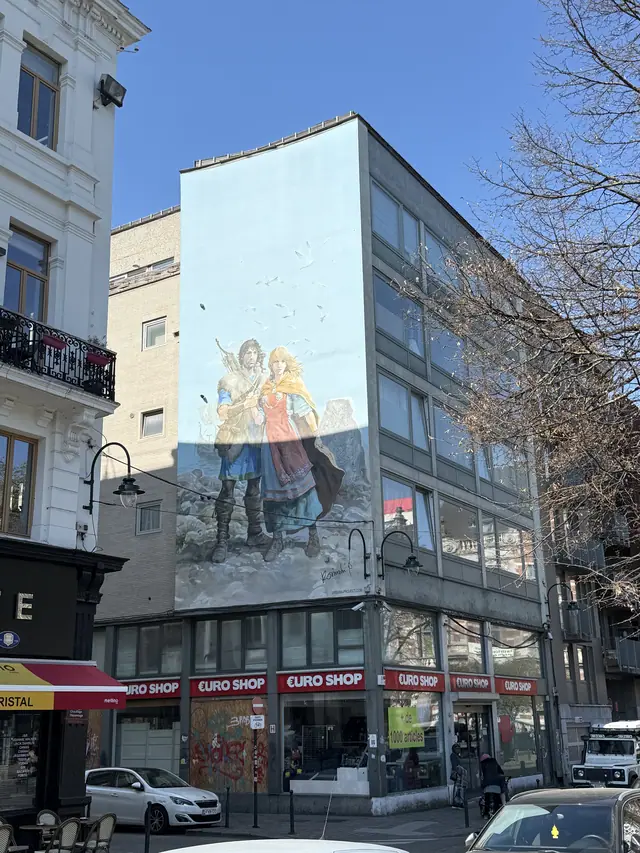
Before us is a mural quite unlike those we have seen so far. Its atmosphere is more dramatic, and its figures are created through light, shadow and brushstrokes of colour.
-
34. Yoko Tsuno
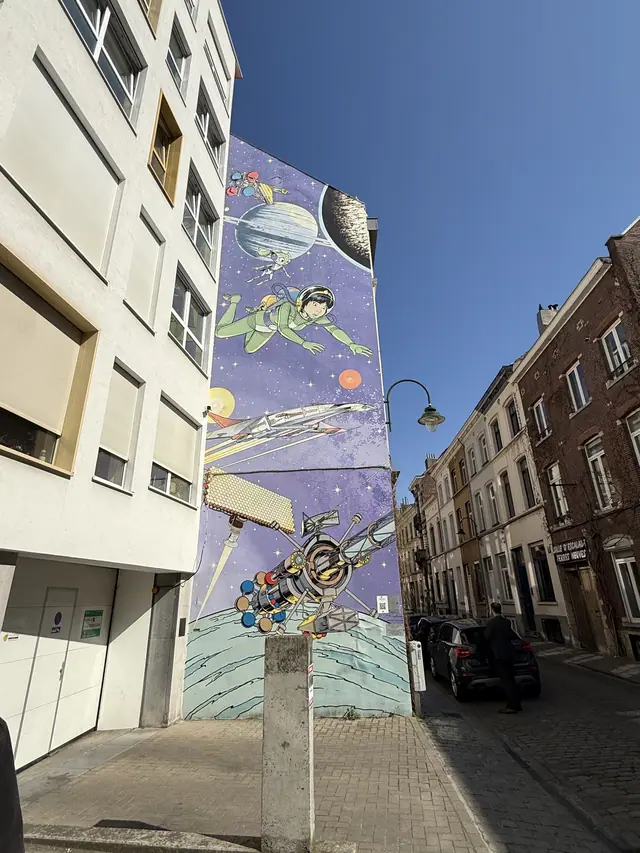
Take a moment to look at this mural. The scene takes us from a street in Brussels to the world of science fiction. At the centre is Yoko Tsuno, a heroine who doesn't wait for others to solve problems. She observes, understands what's happening, and takes the initiative.
-
35. Tintin's Secret Home
Pause for a moment in front of this house and look at the mosaic dedicated to Hergé, the creator of Tintin. At first glance, this looks like a quiet street in Brussels. However, for readers of the famous reporter, the place holds a very special connection to the world of comics.
-
36. XIII: The Spy with No Memory
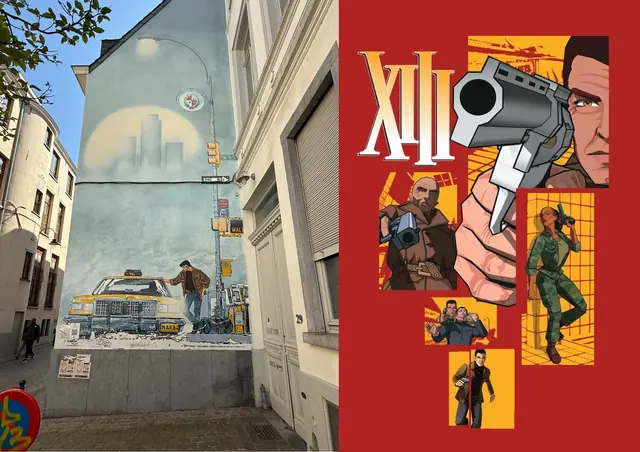
Pause for a moment in front of this mural and observe the character. Above his left pocket appears the number XIII, written in Roman numerals. It is not a decorative detail: it is the name by which the protagonist of this famous comic series is known.
-
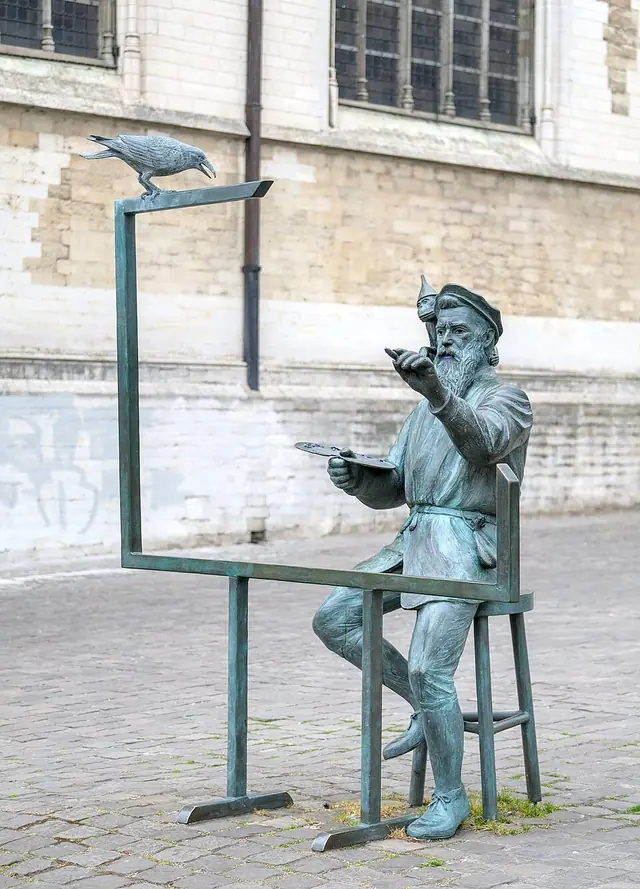
37. Pieter Bruegel the Elder
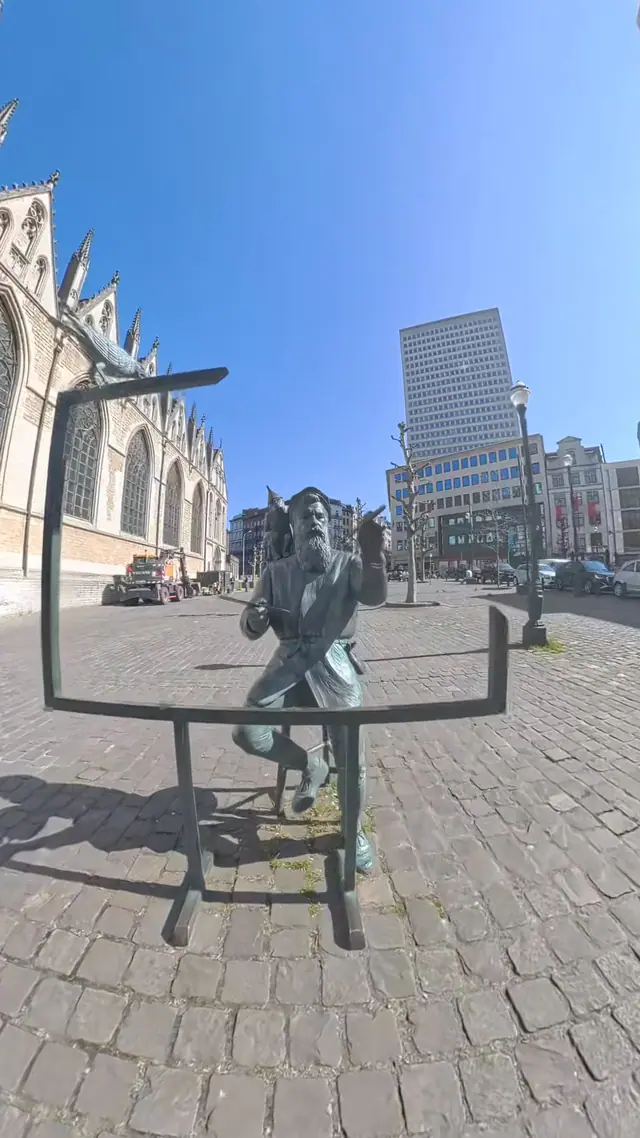
Stop for a moment in front of this statue and observe the scene. The character who appears before us is Pieter Bruegel the Elder, one of the essential figures of the Flemish Renaissance.
-
38. Quick and Flupke
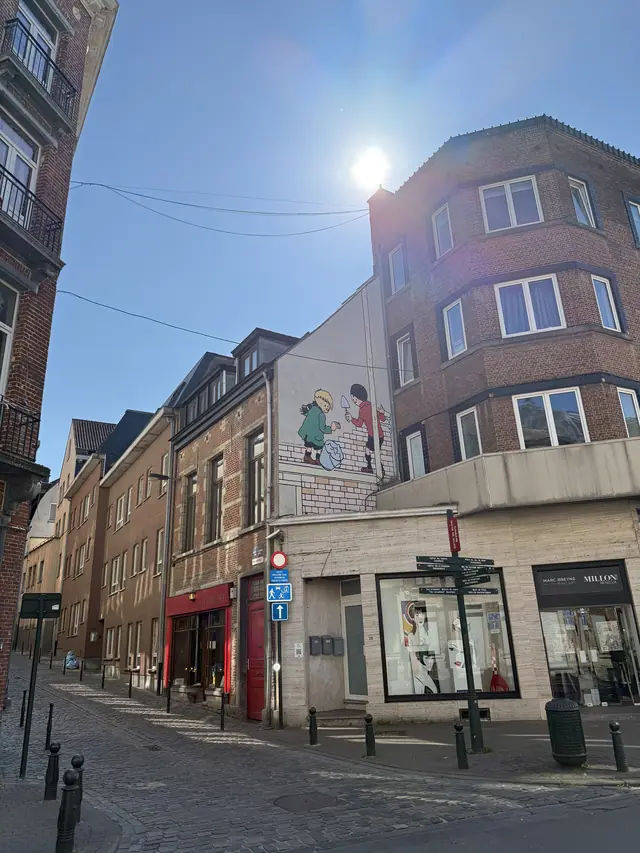
From here, you can see this charming mural. At first glance, it looks as though two children are building a wall, but if you look closely, the cement is falling everywhere. The characters shown here are Quick and Flupke, two mischievous boys from Brussels.
-
39. Edgar P. Jacobs
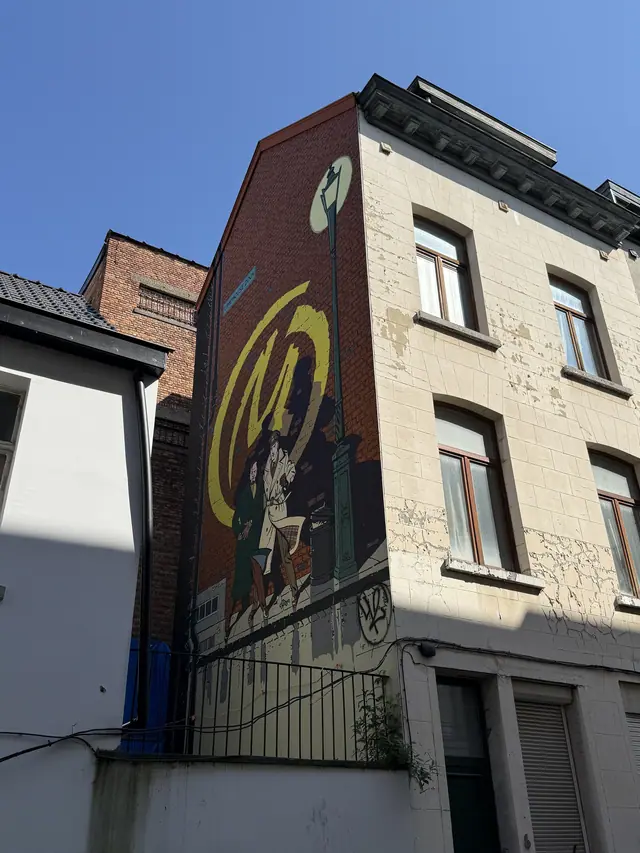
Before us is a mural dedicated to Edgar P. Jacobs, one of the great masters of Belgian comics. The work refers to The Yellow 'M', one of the most famous adventures of Blake and Mortimer. It is no coincidence that it is in the Marolles.
-
40. Versions of Tintin
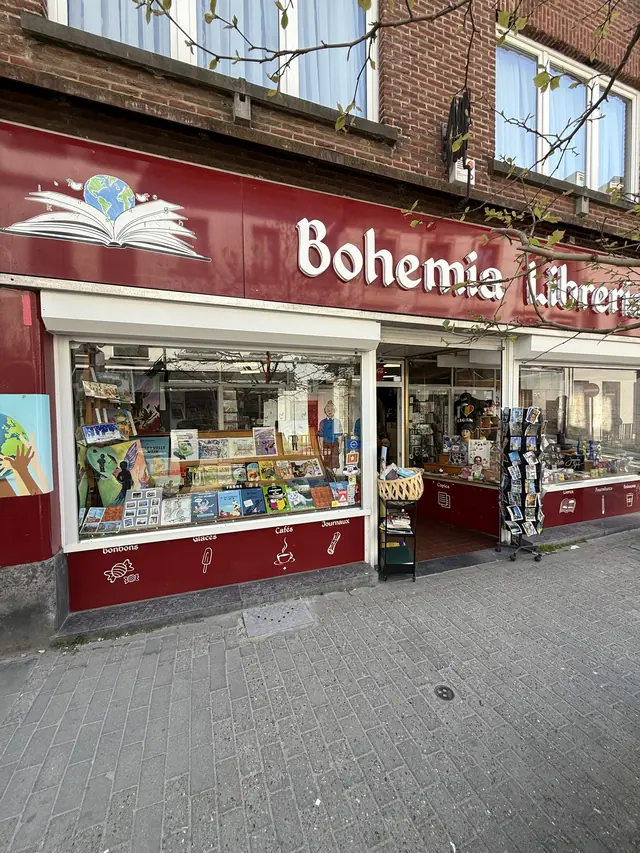
We are standing in front of Bohemia Bookshop on Rue Haute. This shop combines book sales with a selection of curiosities and rare editions.
-
41. Benny Breakiron and the Smurfs
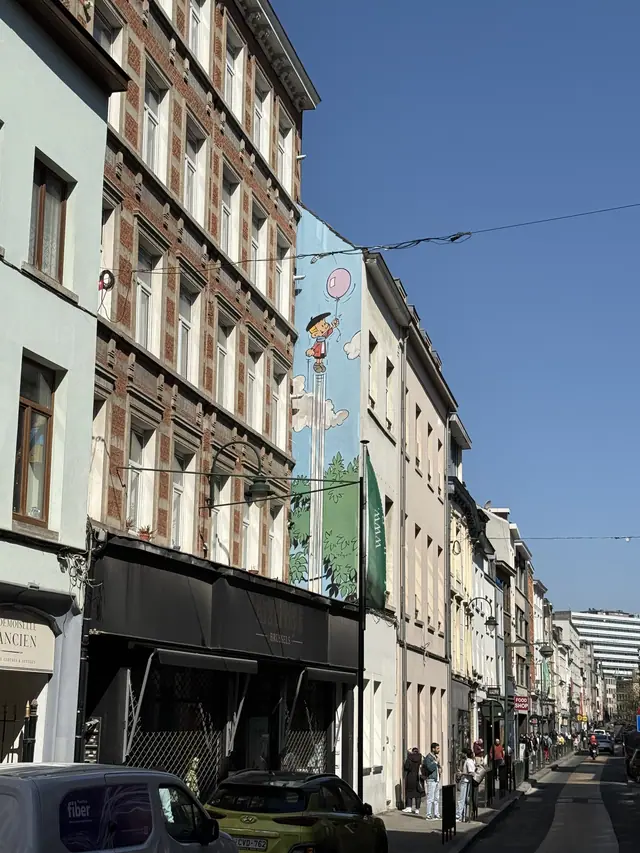
We are looking at the mural of Benny Breakiron, whose original name in French is Benoît Brisefer. The artwork is located at number 119 Haute Street and was added to the Brussels comics route in 2015.
-
42. Spirou and the Marcinelle School
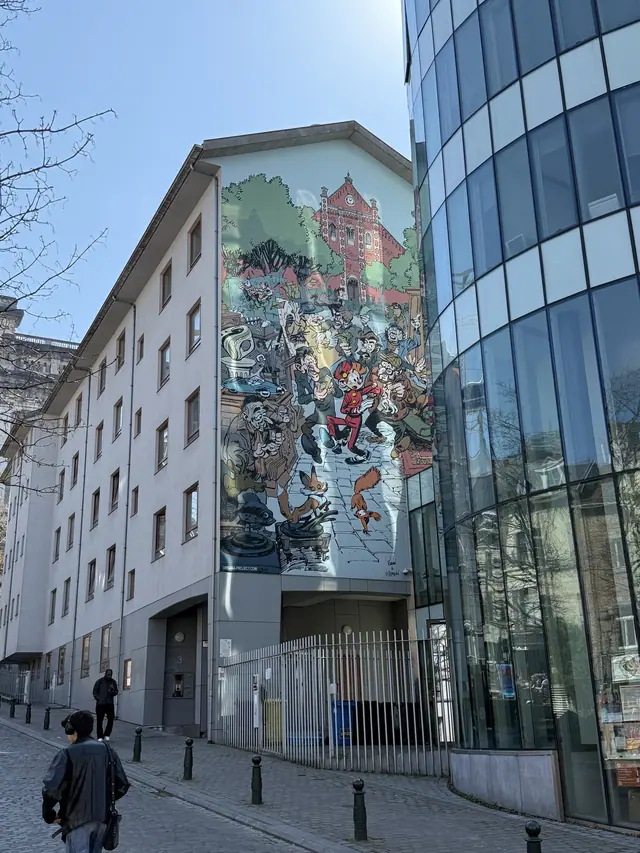
We are looking at the Spirou mural, located on Rue Notre-Dame de Grâces, in the Marolles district. The work was created by Yoann and Fabien Vehlmann, two artists who have worked on the character's modern adventures.
-
43. Playing with Shadows
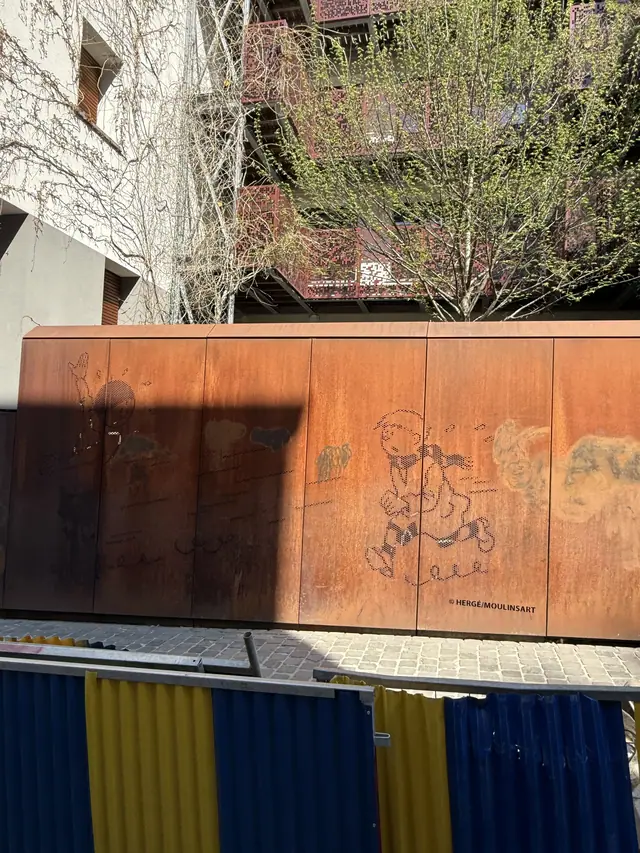
Before us is no conventional painting. The wall is clad in Corten steel panels, and a series of small perforations depict the figures of Quick and Flupke. If you remember, they are the two boys from the earlier stop, where they are shown building a wall.
-
44. The Last Panel
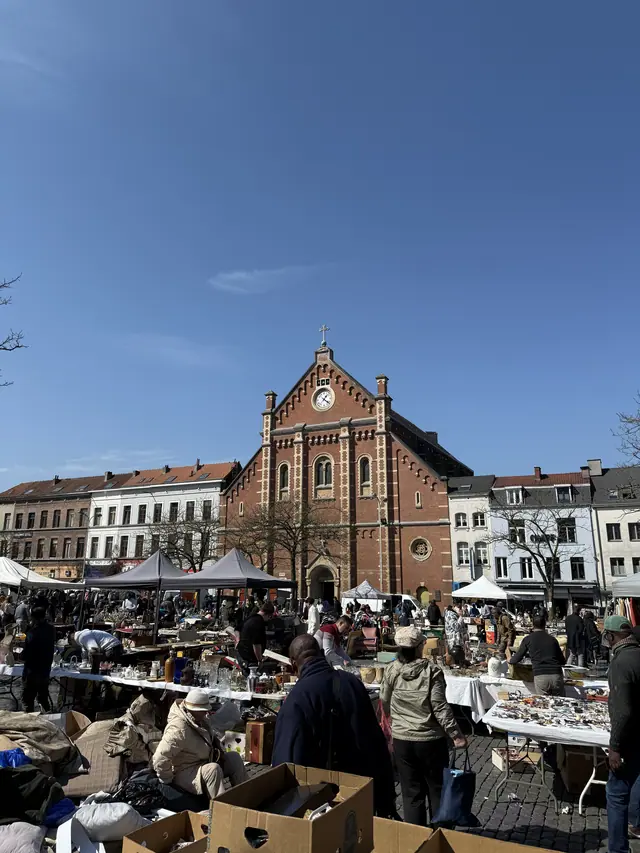
Well, we've arrived at our last stop at the famous flea market on Place du Jeu de Balle. But before we say goodbye, take a good look at this place. If you look closely, it's the same market that appears in the Spirou mural we saw earlier.
Brussels: Mysteries and Legends
-
45. The exact spot
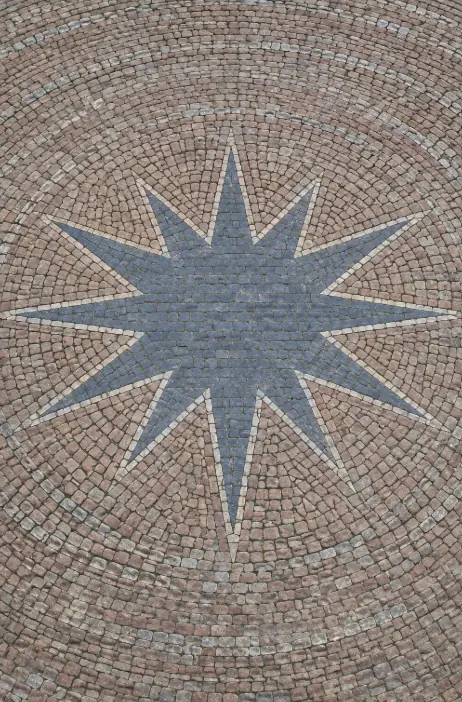
If the Town Hall courtyard is open, go through the arch beneath the tower and look for the star set into the paving. It marks the geographical centre of Brussels. According to legend, that's where the architect I told you about at the last stop landed.
-
46. The statue of Everard t’Serclaes
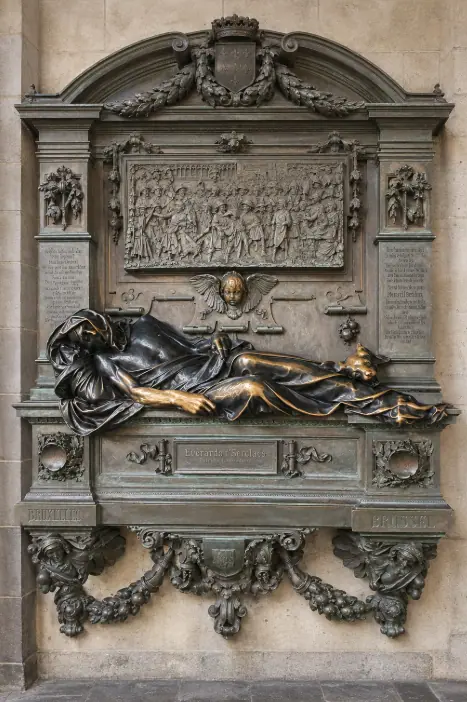
Take a close look at this bronze figure. He looks almost as though he’s asleep. This is Everard t’Serclaes, a name that stands for freedom and resistance in Brussels. Brussels wasn’t yet the capital of Belgium.
-
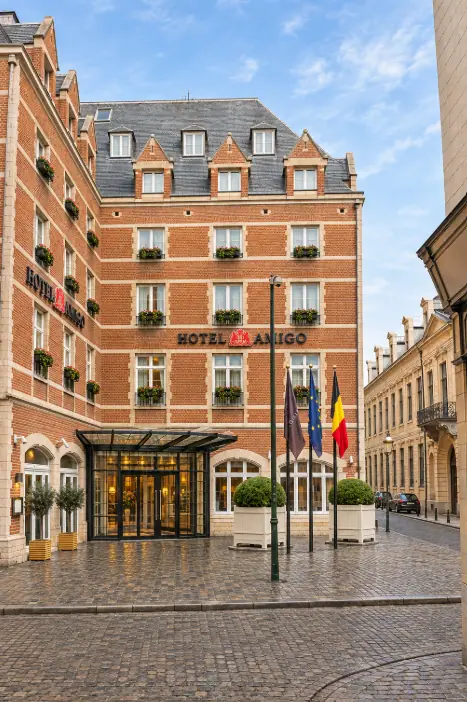
47. The Friend Hotel
It’s a friendly name, isn’t it? It sounds like a safe, almost cosy place. But here’s the irony. In 1522, the city set up a prison in a house on this very site, behind the Town Hall. Some people accused of crimes were locked up here while they awaited trial.
-
48. The Hill of the Unfaithful
As I mentioned, the Grand-Place was the main setting for public punishments in Brussels. But it wasn’t the only one. The medieval city had different areas for different crimes. As we move away from the centre, we’ll pass some of those places.
-
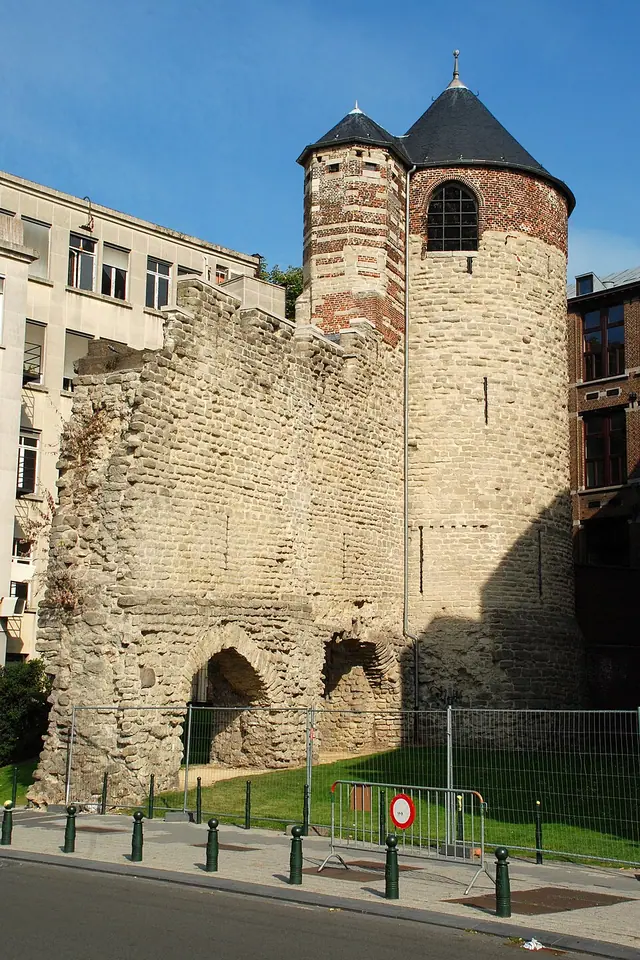
49. Anneessens Tower
You’re looking at one of the few surviving sections of Brussels’ first medieval city wall. To understand why it mattered, picture the city at the beginning of the thirteenth century.
-
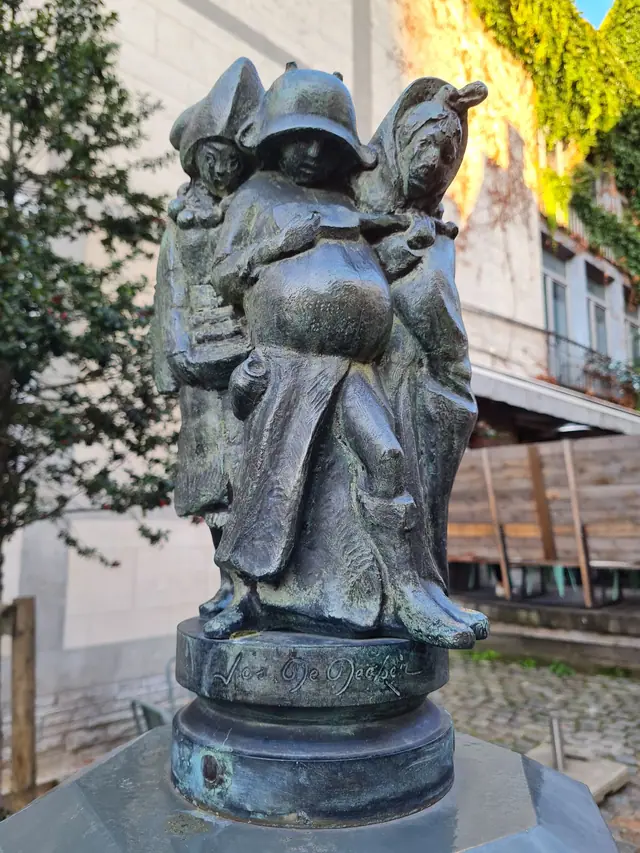
50. A Drink with a Story
Can you see the three figures at the top of the fountain? It’s easy to miss, tucked away among the façades and outdoor tables. It’s called Carnival and was unveiled in 1982.
-
51. The beheaded counts
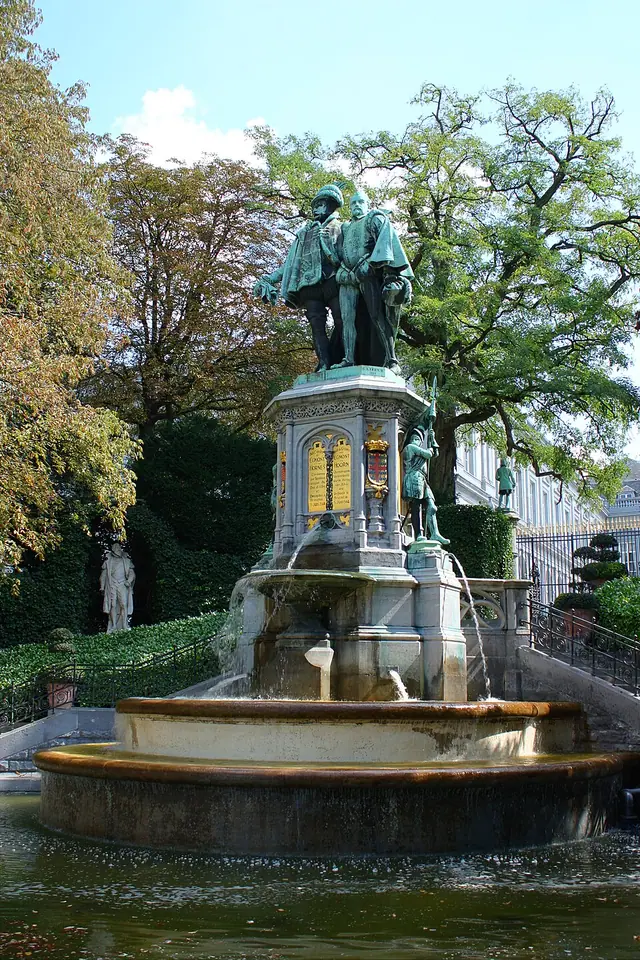
At first glance, this garden looks like a haven of peace. Head into the Petit Sablon and look for the fountain with two bronze figures. They’re Count Lamoral of Egmont and Philip de Montmorency, Count of Horn.
-
52. Gallows Hill
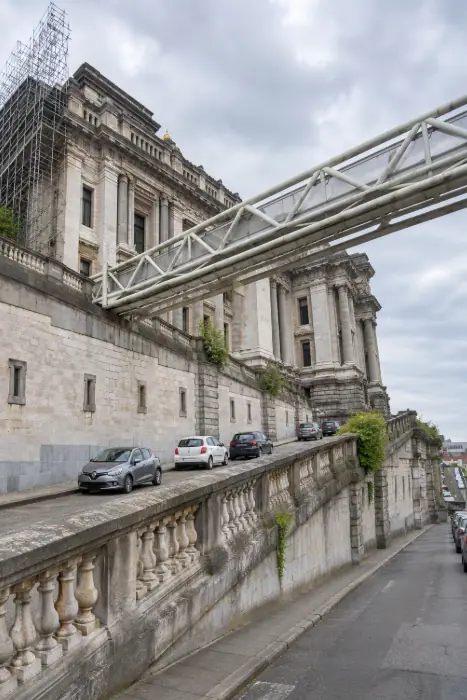
You’ve reached Gallows Hill, near Poelaert Square. It has a sinister name, and with good reason. This elevated part of Brussels, known as Galgenberg, was a place of execution during the Middle Ages. Imagine the gallows overlooking the lower town.
-
53. The Palace of Justice
Now that you are closer, you can see the colossal size of this building and understand why, when it opened in 1883, it was one of the largest buildings in Europe. It was designed by Joseph Poelaert during the reign of Leopold I. Construction began in 1866, under Leopold II.
-
54. The Marolles neighbourhood
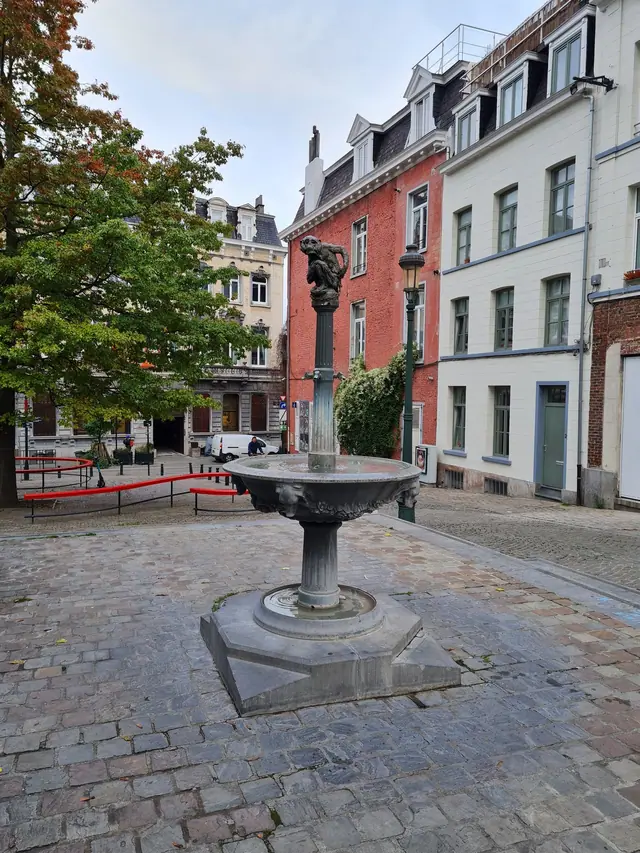
From the Palace of Justice, we've come down into the Marolles. We're in the square at the foot of the Poelaert lift, beside a small fountain with a monkey on it. I'll tell you what it's doing here in a moment.
-
55. The Monkey Painter
This is our final stop, and I want to tell you a bit more about the monkey painter: Pieter Bruegel. This man was one of the great geniuses of the Flemish Renaissance.
Walk them with the app
The 4 tours visit these places in order, with the full audio and the map. Free, with no sign-up.