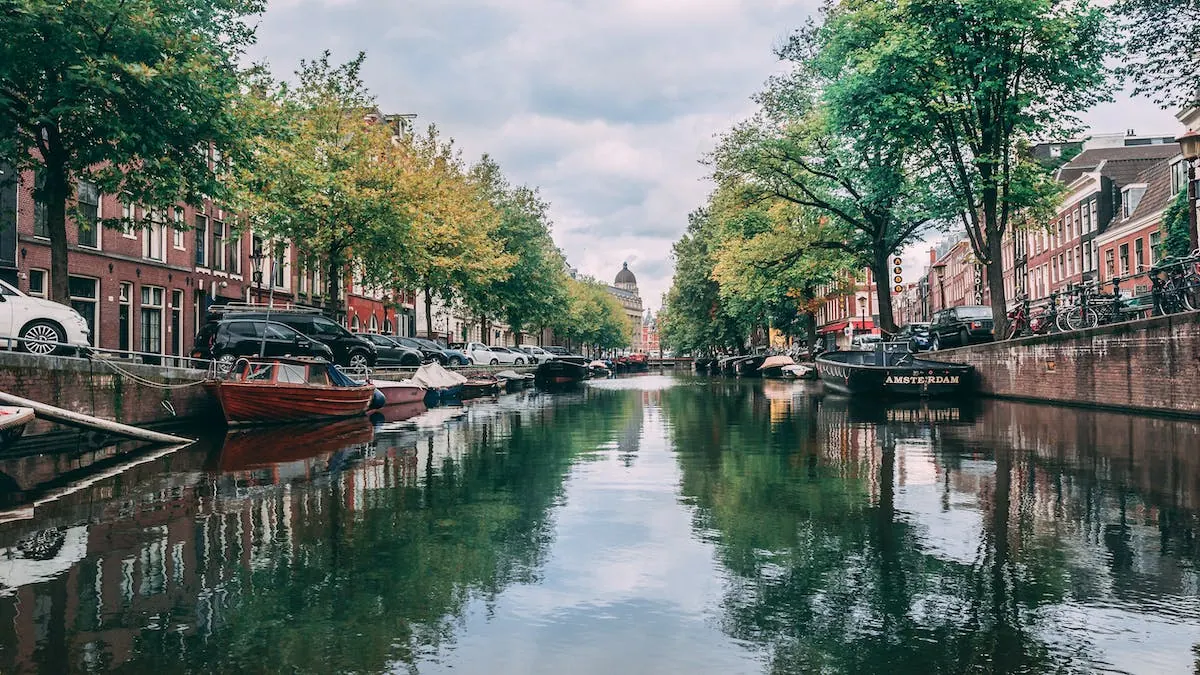
What to see in Amsterdam on foot
43 places with their stories, the map and free audio in 15 languages.
Updated November 2026 · 10 min read · Produced by World Tour
Amsterdam in a nutshell
The history of Amsterdam is inseparable from the history of the Netherlands. Its origins date back to the 12th century, when it was just a small fishing village located on a marsh next to the Amstel River. Its name comes from there, Amstel-dam, meaning the dam built on the Amstel River. Over time, this humble settlement protected by dykes grew to become one of the most influential and prosperous cities in Europe. In the 13th century, Amsterdam began to develop as a river port of regional importance.
The places on the map
Each number is the place’s number in the list.
Walking tour Amsterdam
-
1. Amsterdam and its surroundings
We are in the capital of the Netherlands, although the seat of government, parliament and the monarchy are in The Hague, a city that is about 40 minutes from here. The city is very young, having been founded in the 13th century.
-
2. Independence of the Netherlands
During the 14th and 15th centuries, the territories we know today as the Netherlands, Belgium and Luxembourg were united, forming a common political entity under the control of the Dukes of Burgundy.
-
3. Dam Square
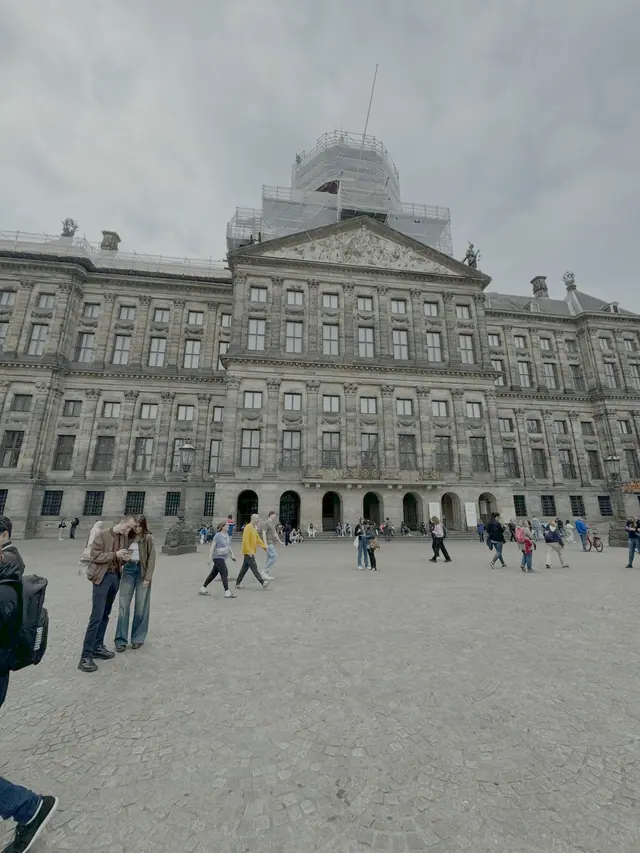
Let's continue with the fascinating history. What we have in front of us was the old town hall of Amsterdam.
-
4. Inclination of the houses
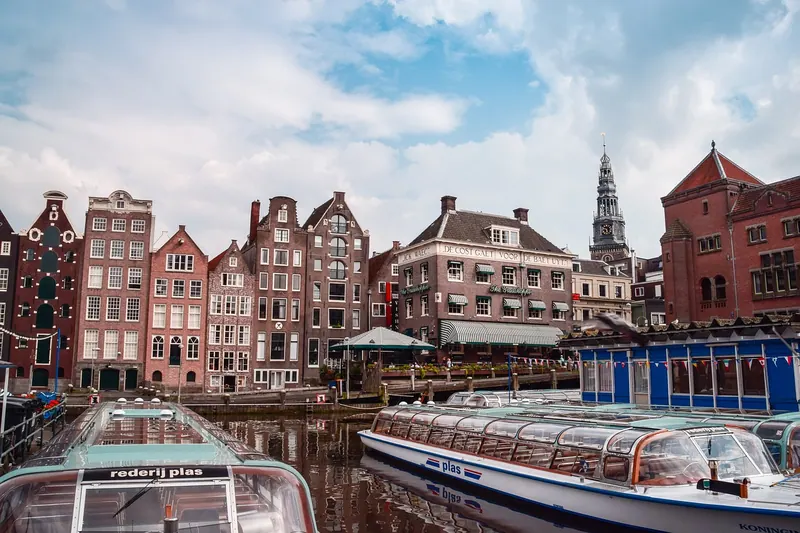
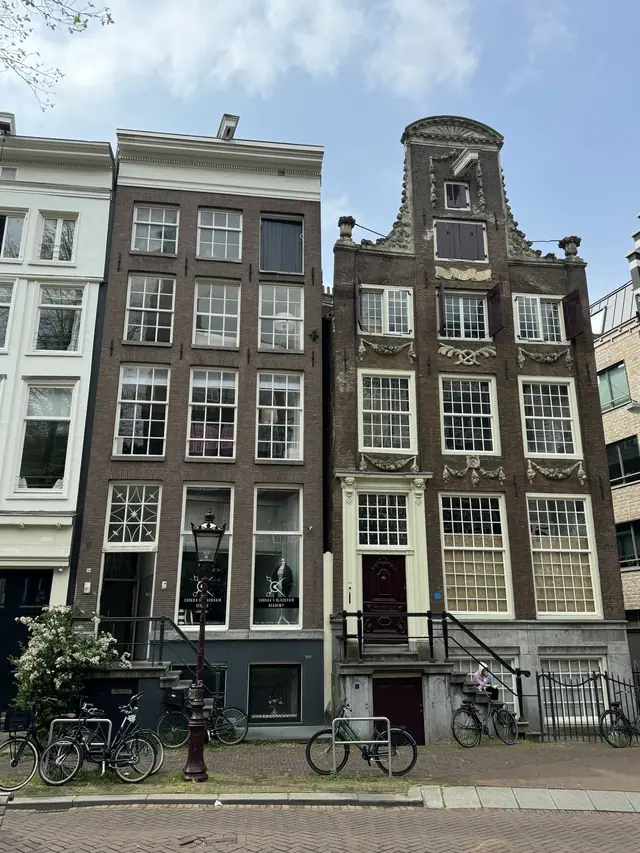
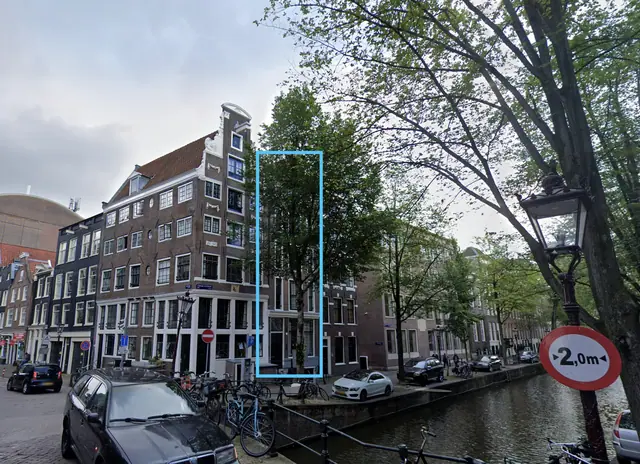
Have you noticed that many of the houses here are narrow and high? Let's find out why. During the 17th century, everyone wanted to live near the beautiful canals in the city centre. But there was a problem: space. To solve it, do you know what they did?
-
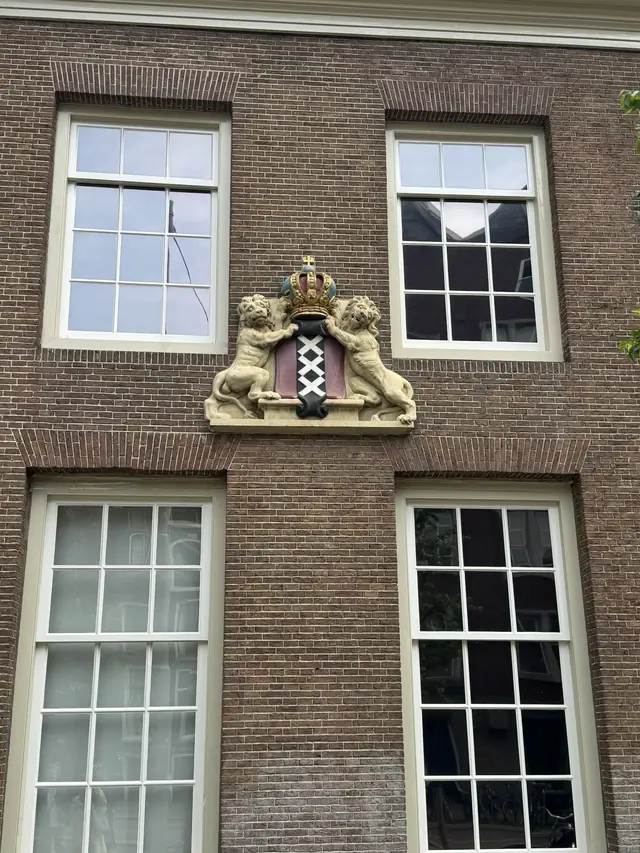
5. Flag of Amsterdam
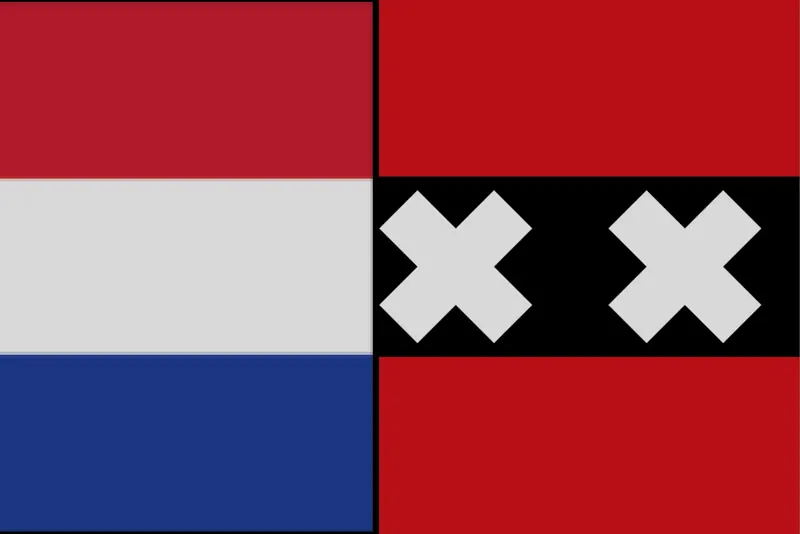
Well, this is the coat of arms of Amsterdam, you'll see it everywhere, but first I'll tell you about the House of Orange-Nassau's rise to power.
-
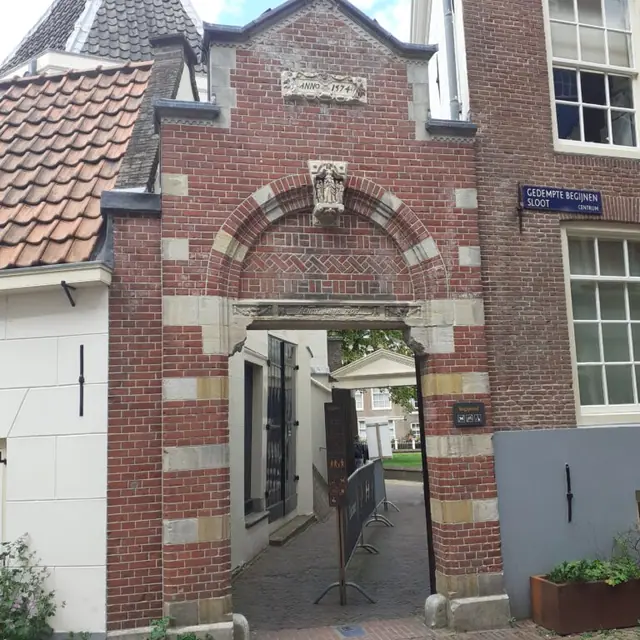
6. Beguinage
Well, before we go on to the next stop, I would like to tell you the history of the place we are about to enter. The place we are about to enter is a Beguinage founded in the 14th century, where the Beguines lived.
-
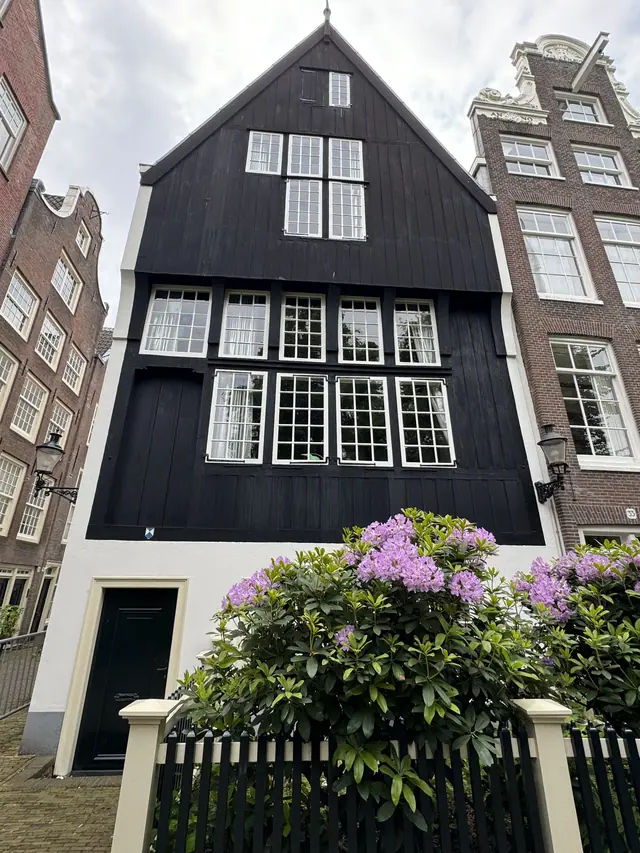
7. Wooden house
Have you seen how peaceful this place is and how big it looks? From the outside it doesn't look so big. This little house in front of us is the oldest wooden house in Amsterdam.
-
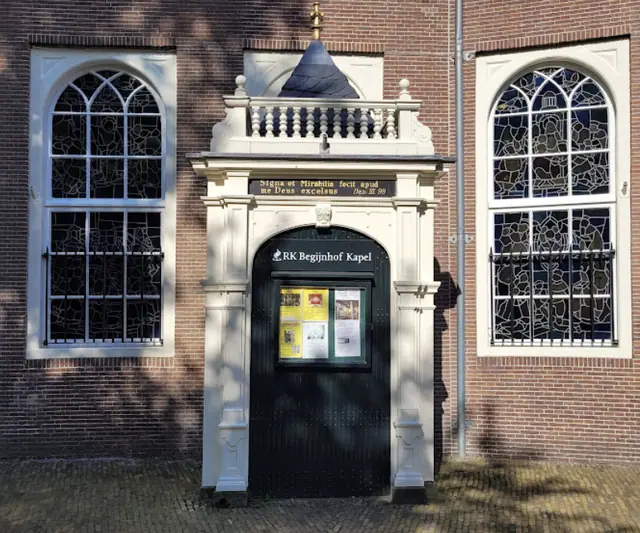
8. Clandestine church
Going back in history, when the Netherlands became a Protestant country, they transformed and converted most of the churches into Protestant churches, like the one right behind us.
-
9. Marijuana
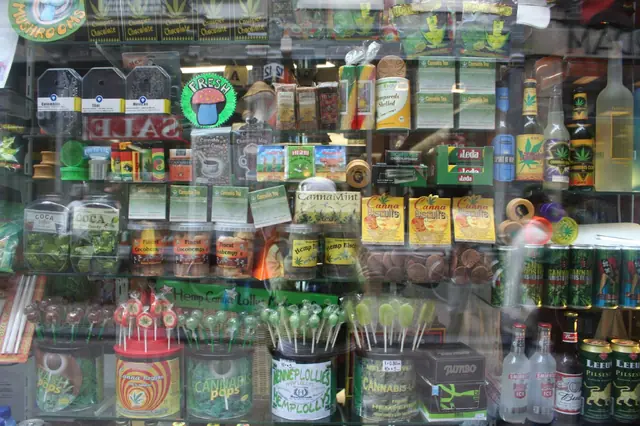
You can listen to this stop on your way to the next stop, just be careful and pay attention to the road. Well, I have a question for you, is marijuana legal in the Netherlands? No, it is not completely legal, but semi-legal under a policy of tolerance.
-
10. Connecting the North and South of Amsterdam
Look over there in the background! See that river? It's not a canal, it's the famous Amstel River, after which the city of Amsterdam is named. The city is so called because it was founded around a dam built on this river. Just in that direction, there is something interesting.
-
11. The canals and rivers of Amsterdam
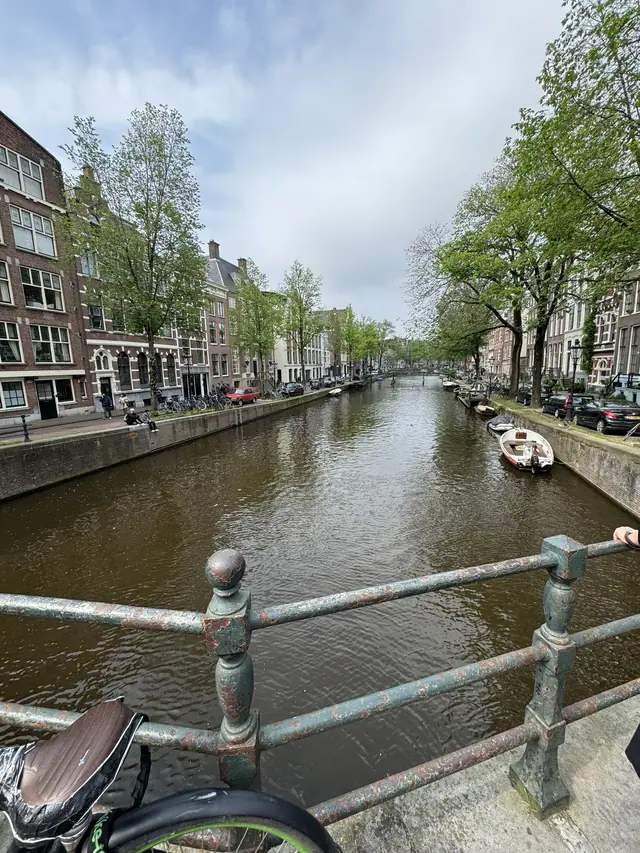
Let's see, how many metres deep do you think the canals are? They are 3 metres deep, a layer of mud, a layer of bicycles and a layer of water. Are you surprised about the bicycles? Well, a lot of people steal the bicycles and throw them in the water.
-
12. Houseboats
We are going to talk about a rather unique way of life here in Amsterdam, the houseboats or houseboats. It is a very typical lifestyle, but it is not affordable for everyone.
-
13. The Jewish Quarter
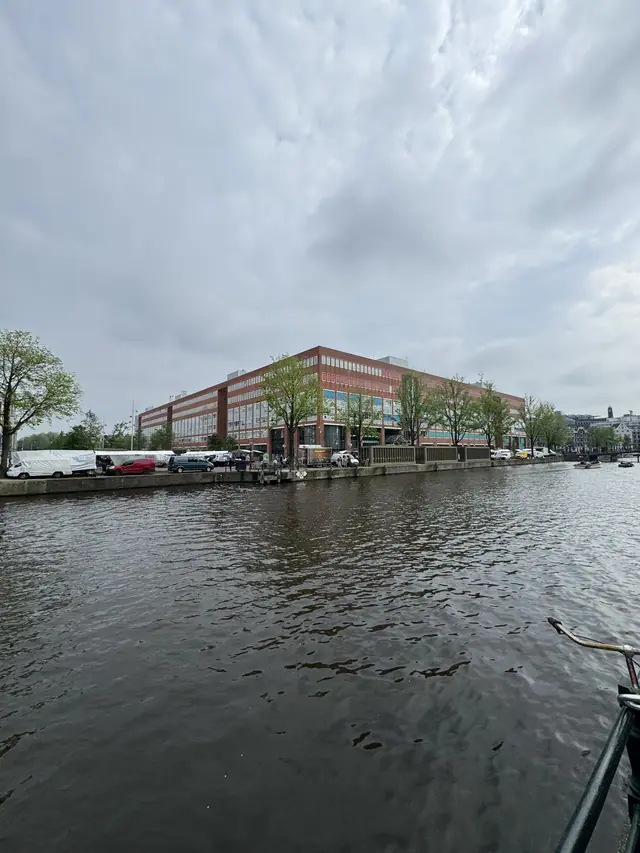
See this ugly building in front of you? It is the current city hall and opera house, whose construction in the 1980s was the subject of numerous protests.
-
14. The story of Rembrandt
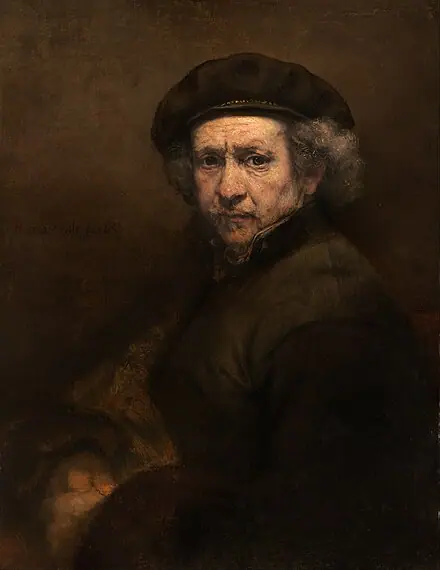
Opposite you is the church, called the South Church, a key point in the life of Rembrandt, the great master of the Dutch Golden Age. Although he was born in 1606 in nearby Leiden, it was in Amsterdam that he reached the pinnacle of his career.
-
15. The history of bicycles
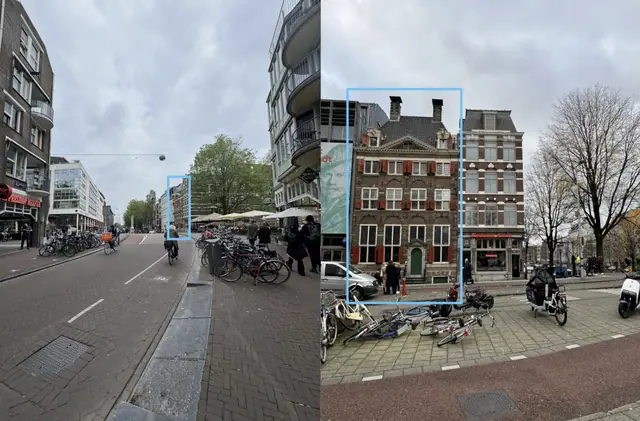
If you look at the picture I have left you, you will see Rembrandt's imposing house. It is majestic. Today, this building houses the Rembrandt House Museum, where you can explore the life and workshop of the famous painter.
-
16. The Weighing House
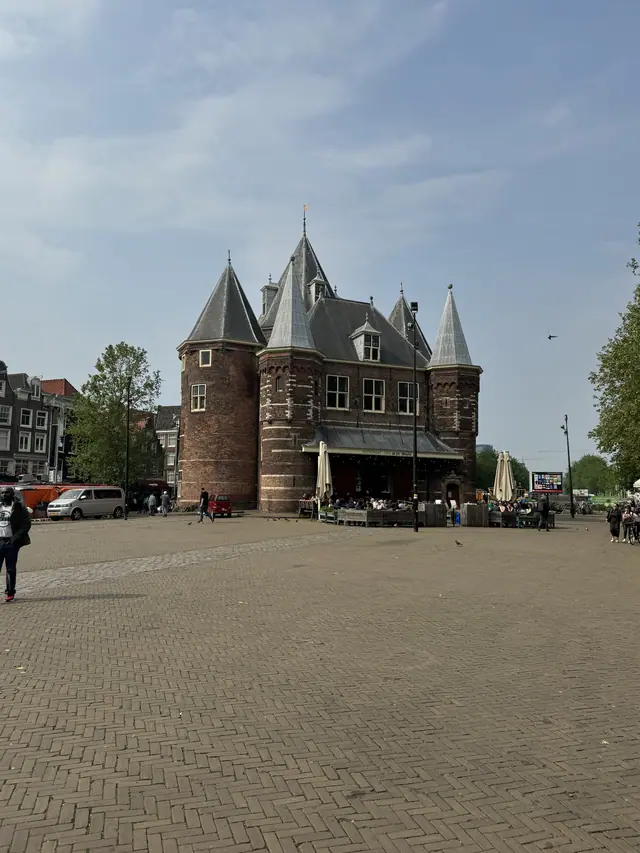
Let's close this tour with one of Amsterdam's most significant and historic sites. This square, which now seems quiet, has witnessed many events over the centuries.



Anne Frank Tour through the Jewish Quarter
-
17. The Portuguese Synagogue
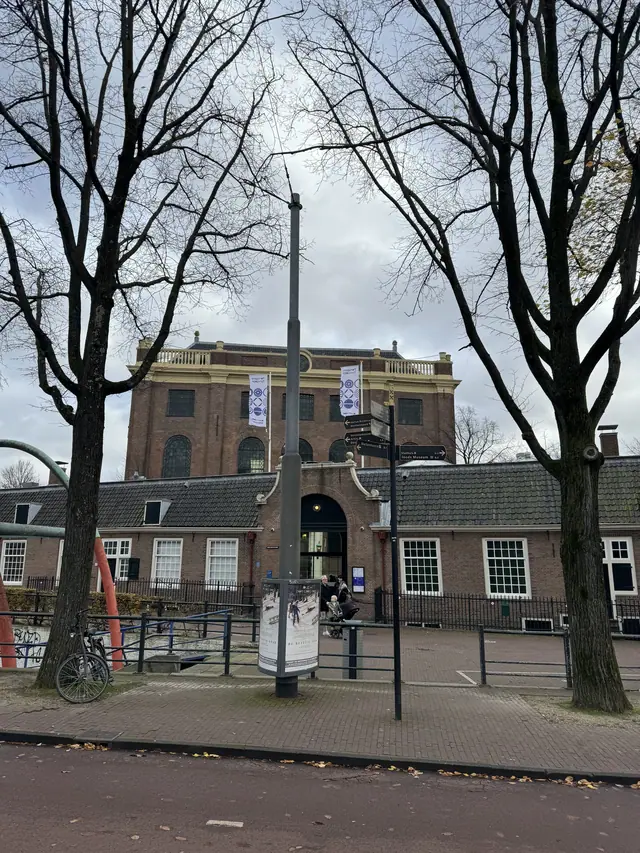
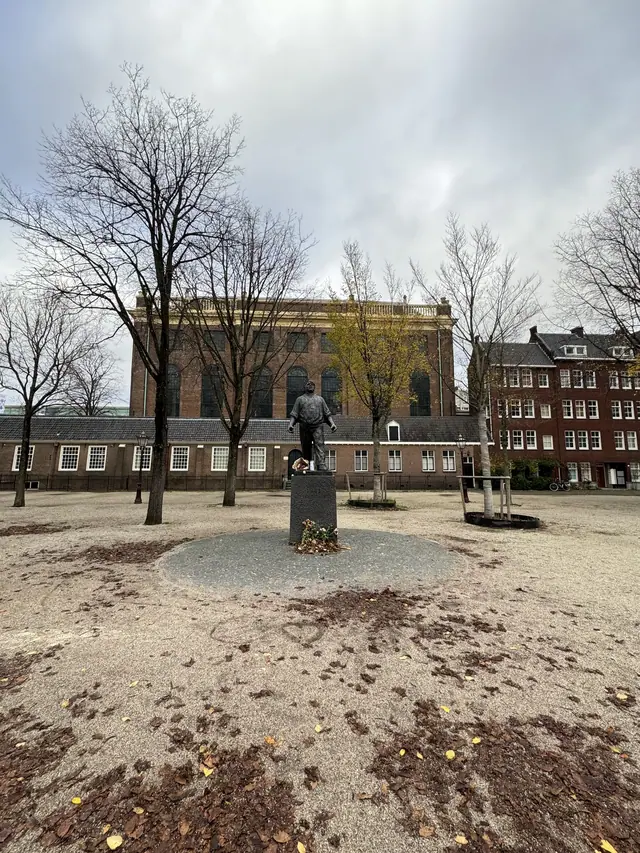
You are in the Portuguese Synagogue in Amsterdam, also known as the Portuguese Jewish Synagogue. It is a synagogue built in the late 17th century by the Sephardic Jewish population in Amsterdam, one of the largest and wealthiest communities in Europe during the Dutch Golden Age.
-
18. Jonas Daniël
- The outbreak of war and the bombing of Rotterdam On 1 September 1939, the German army invaded Poland. This provoked France and Great Britain, Poland's allies, to declare war on Germany, starting the Second World War. Until 1940, the Netherlands remained neutral.
-
19. National Holocaust Name Memorial
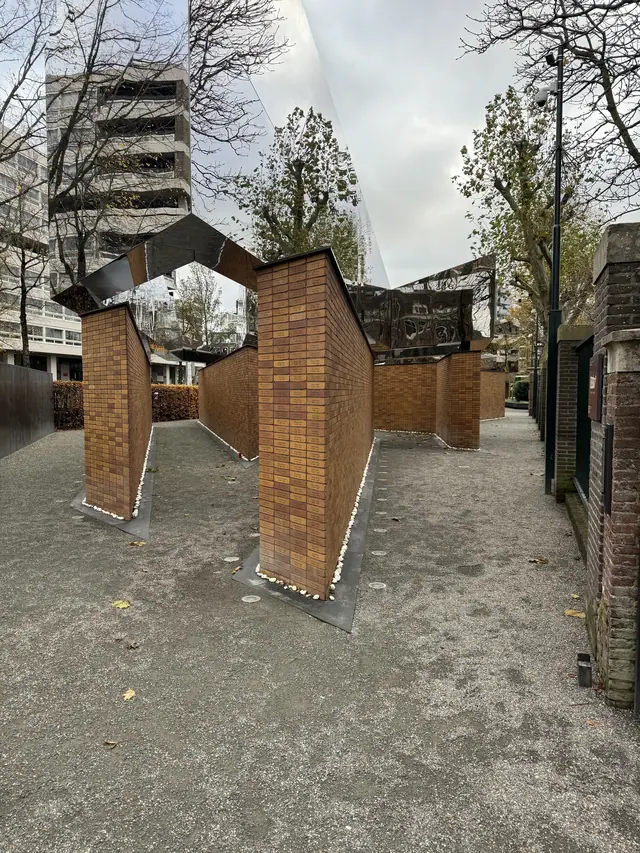
Here we are at the national monument to the names of the Holocaust, which opened in September 2021. As you will see, it displays the names and dates of birth and death of the 102,000 Dutch victims of the Nazis, including Jews, Roma and Sinti.
-
20. Trees in the Wertheimpark and Memorial to the victims of Auschwitz
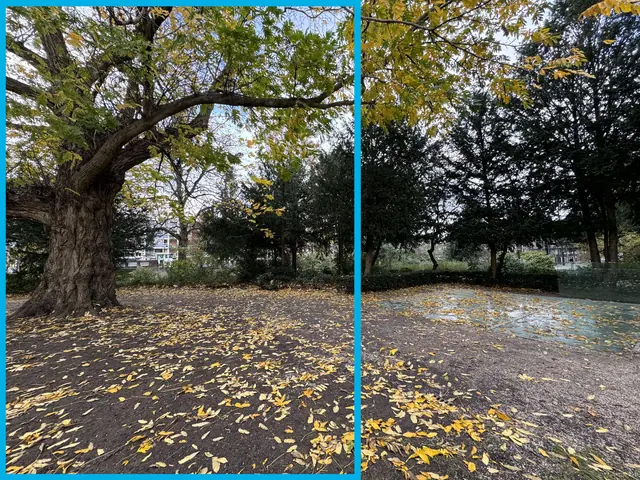
Trees in the Wertheimpark As you may have noticed, there are a lot of big old trees in the city of Amsterdam. For Anne Frank, freedom was a tree. She wrote in her diary that all she could see from her hiding place was a chestnut tree like this one.
-
21. Arrival of Jews in the Netherlands
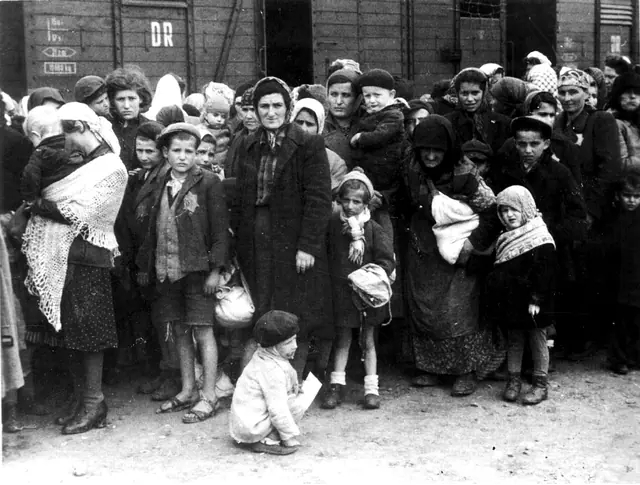
Jewish families came to Amsterdam because here they had security, work and were not persecuted. They were so used to living in peace that they could not imagine the future they were going to have, all the suffering they were going to experience.
-
22. Stumbling Stones
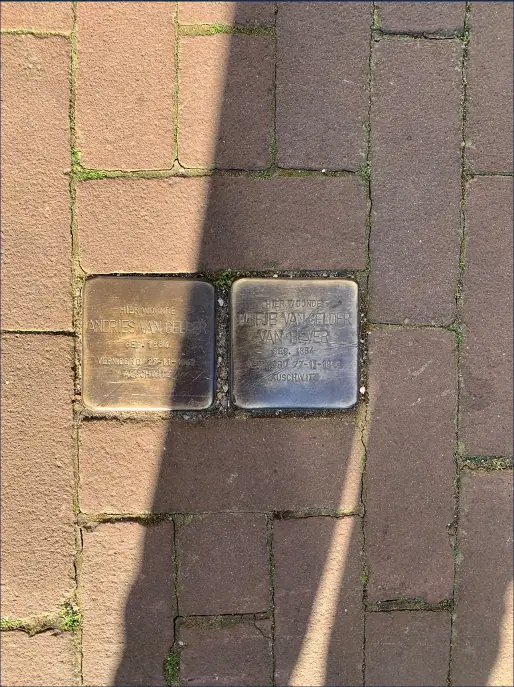
Here are the names of the victims of the Holocaust who lived in this house. This bronze plaque is a memorial plaque with the name and date of birth. In some cases, if known, the place and date of death in the concentration camps may also be shown.
-
23. The new buildings
We will now make a short stop here in this wide street, which was one of the main streets of the Jewish quarter. There was a lot of trade and shops, so the street was always bustling with people.
-
24. In front of Rembrandt House
If you look around, you will notice that many of the houses appear to be leaning and narrow. Can you tell me why? These structures tell fascinating stories of ingenuity and culture.
-
25. Church of the South
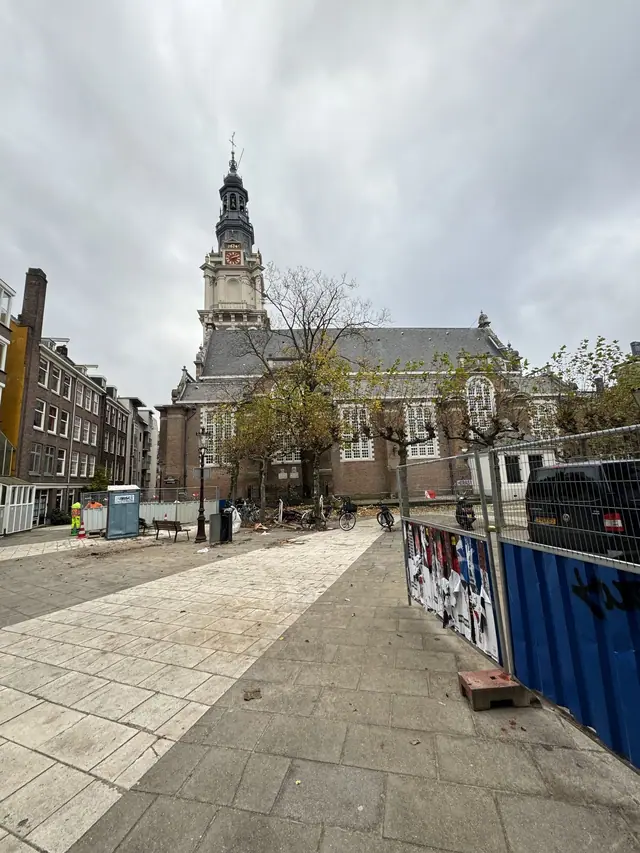
We are in the South Church. You may be wondering, why do we have this Christian church here in the middle of the old Jewish quarter? Well, the thing is that during the 14th century a lot of people died of the Black Death.
-
26. Typical Amsterdam buildings
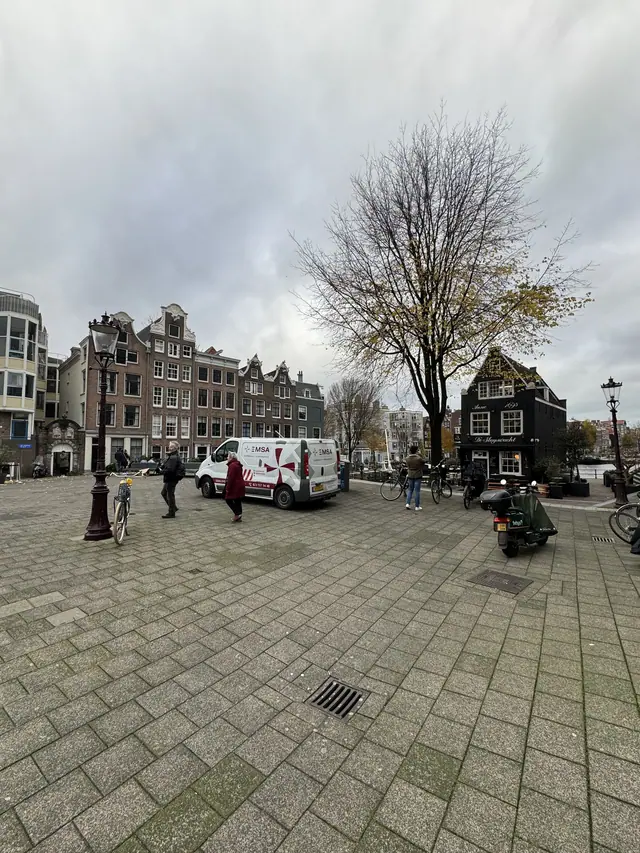
To understand a little better how eight people lived together in a small building, you first have to look at the construction of a typical Amsterdam building, such as the Nomade house. As you can see it is quite narrow and long towards the back.
-
27. Tower Bridge
You can see the bridge from here? Well, there used to be a tower that was part of the defence of the city, as you can see in the photograph, you will see the marks of what used to be a tower.
-
28. HomoMonument
If you look to the left, almost to the next bridge, there is a pink triangular structure that juts out into the water like a staircase. It is the HomoMonument, which commemorates gay victims who were persecuted for their sexual orientation.
-
29. Otto's story
For this stop, you can listen to it as you walk to the next stop. Have you ever wondered what it would be like to survive Auschwitz to the end?
-
30. Anne Frank House
We are in front of the Anne Frank House, and I am going to give you some advice on how to get tickets. If you want to visit the Anne Frank House, you should know that it is very difficult to get tickets because of the number of visitors.
-
31. Westerkerk Church
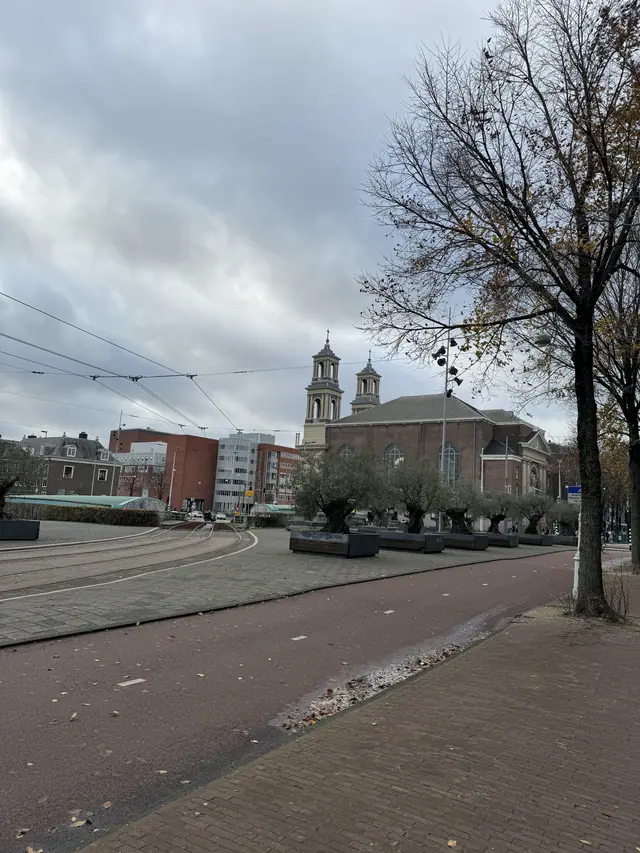
You are in the Westerkerk Church, also known as the West Church. Built in 1631, this remarkable structure houses an 278 feet, or 85-metre high tower from which you can see the whole of Amsterdam.





Red Light District Tour
-
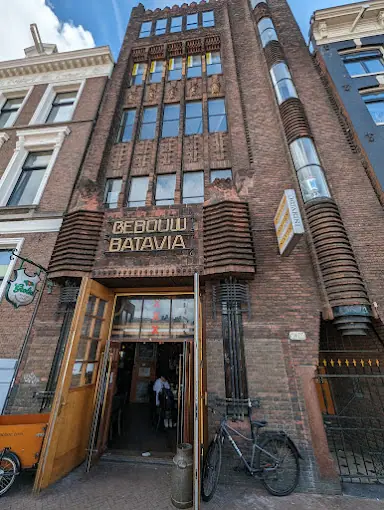
32. The anecdote of the building
I'll tell you the story about this place, a place with a fascinating history to share. This brick building with its distinctive architecture is more than just a beer and burger joint. It used to have a basement that was known as a smokehouse.
-
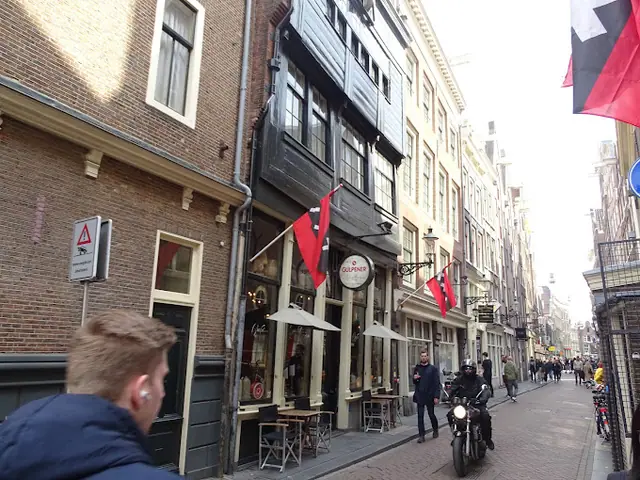
33. The Monkey Bar
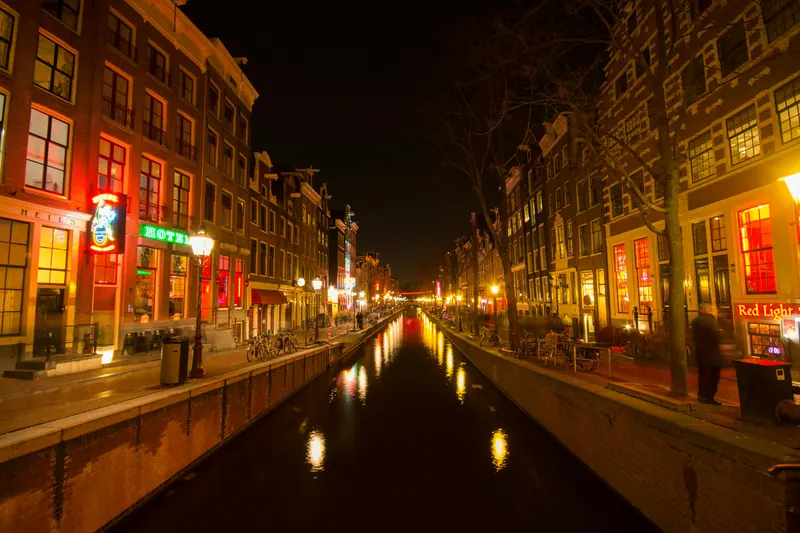
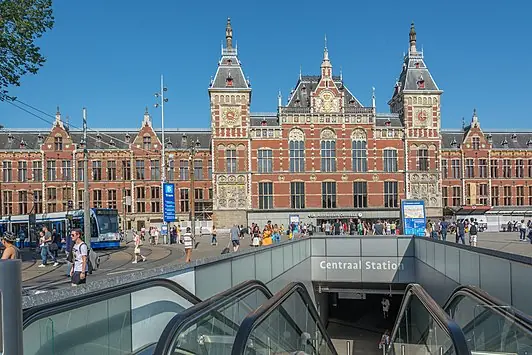
The Red Light District, a fascinating area of Amsterdam that stretches from the central train station to Dam Square, to the third canal, where it connects with the bustling Asian quarter where we are.
-
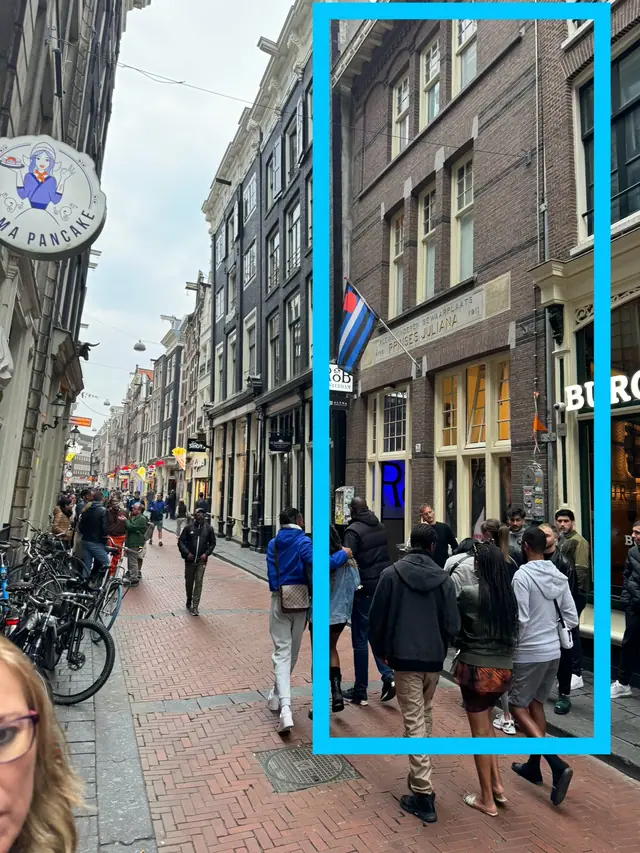
34. The gay district
First, let's talk about the gay pride flags that you will see everywhere. In Amsterdam, it is very common to see these flags not only in bars and clubs, but also in places like petrol stations and police stations. This shows how open and tolerant the city is.
-
35. The history of prostitution and other things
In front of us is the church tower, the first church in Amsterdam. This church began as a small wooden chapel in 1300, known as St. Nicholas Chapel, marking the importance of Catholicism in the city since then.
-
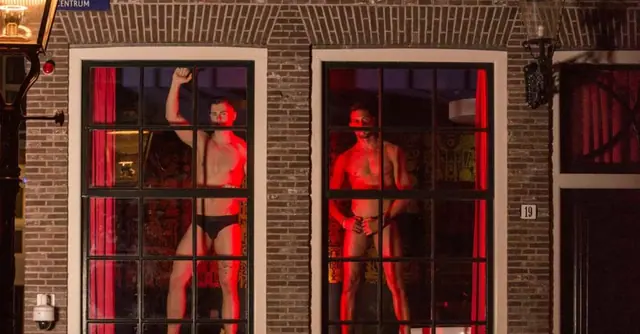
36. Men in the Red Light District
Did you think that the Dutch had not tried to include men in the shop windows in the Red Light District? Of course they did, in the 80‘s and 90’s, they tried to put men in the shop windows in order to promote equality and women's access to these services.
-
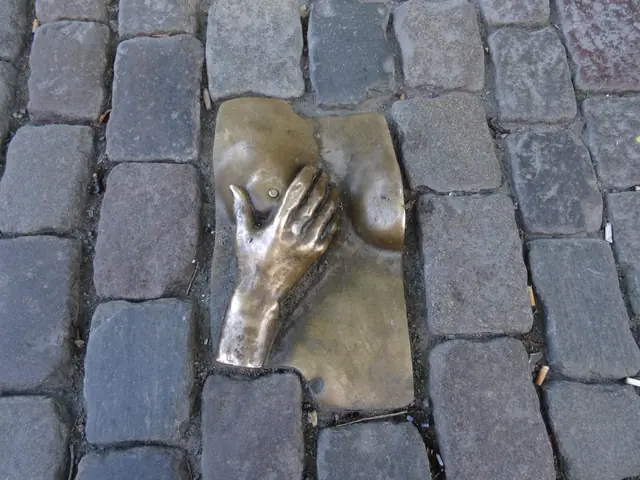
37. The Caressed Chest
This is the name of the sculpture we are looking at. This work was installed anonymously in 1993. For many, the interpretation of this sculpture is that, if you look closely, the hand seems to come from the side of the church.
-
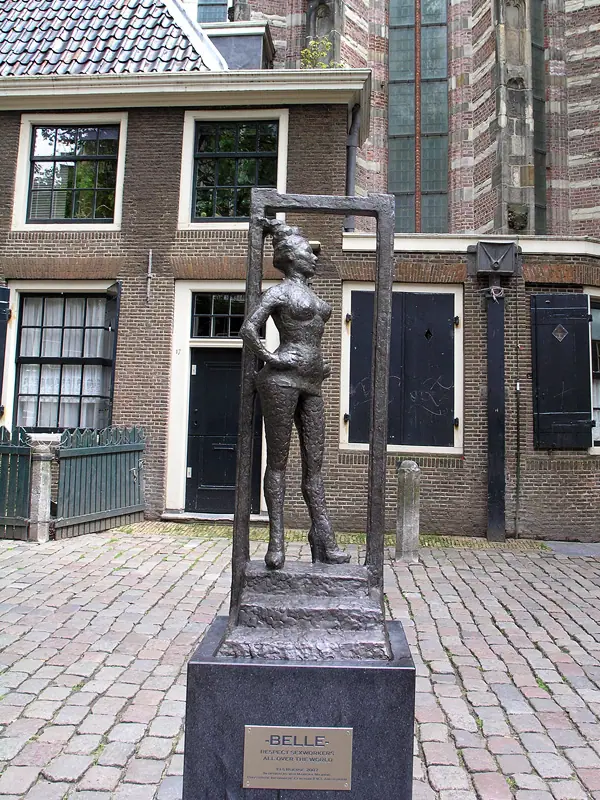
38. Belle
We are in front of a significant and moving statue, known as ‘Belle’. This commemorative sculpture pays tribute to sex workers around the world. It is a bronze statue depicting a woman standing proud and confident.
-
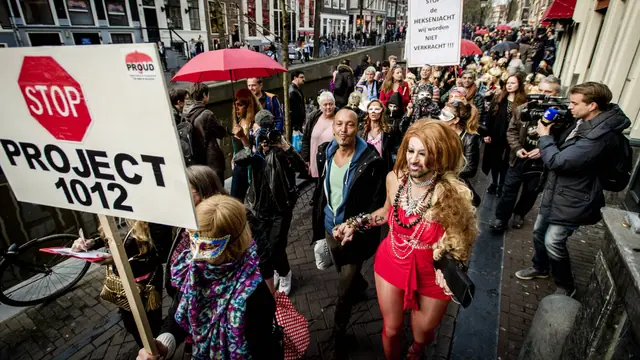
39. Project Plan 1012
The mayor, fed up with mass tourism and the negative behaviour of tourists coming to Amsterdam, made a proposal to try to reduce mass tourism, which also affects sex workers in the Red Light District.
-
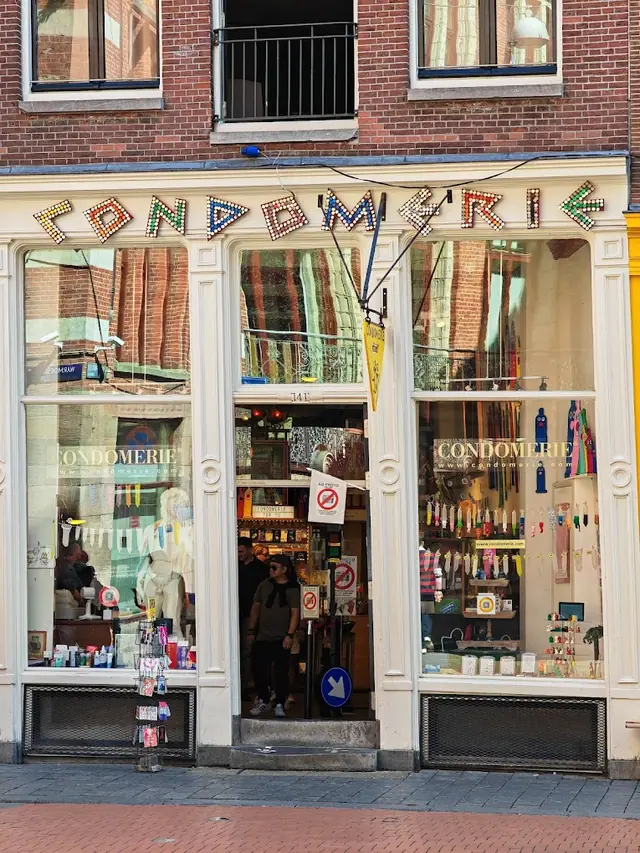
40. La Condomerie
We are in front of this famous condom shop, which is the only condom shop in the world today. This shop was founded in 1987. In the 1980s, the use of condoms was a taboo subject.
-
41. The Dutch mentality
At this stop I will repeat some information, but we will also continue to talk about drugs. It is important to note that what you have in front of you is the old town hall, and right next to it you will see the church.
-
42. CoffeeShops
We are located in one of the streets with the most coffeeshops. How did the first coffeeshops come about? But first, I want you to answer me this question, is marijuana legal? No, it is not completely legal, but semi-legal under a policy of tolerance.
-
43. The live theatres
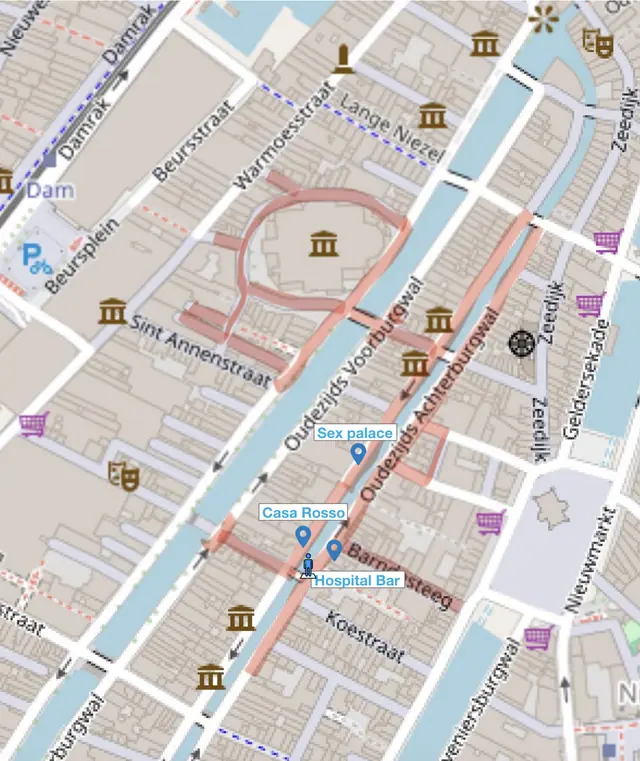
Well, we've reached the last stop, but it doesn't end here, because now is when you can go and visit all the booths. I'll leave you a map of the Red Light District so you can wander around freely.



Walk them with the app
The 3 tours visit these places in order, with the full audio and the map. Free, with no sign-up.